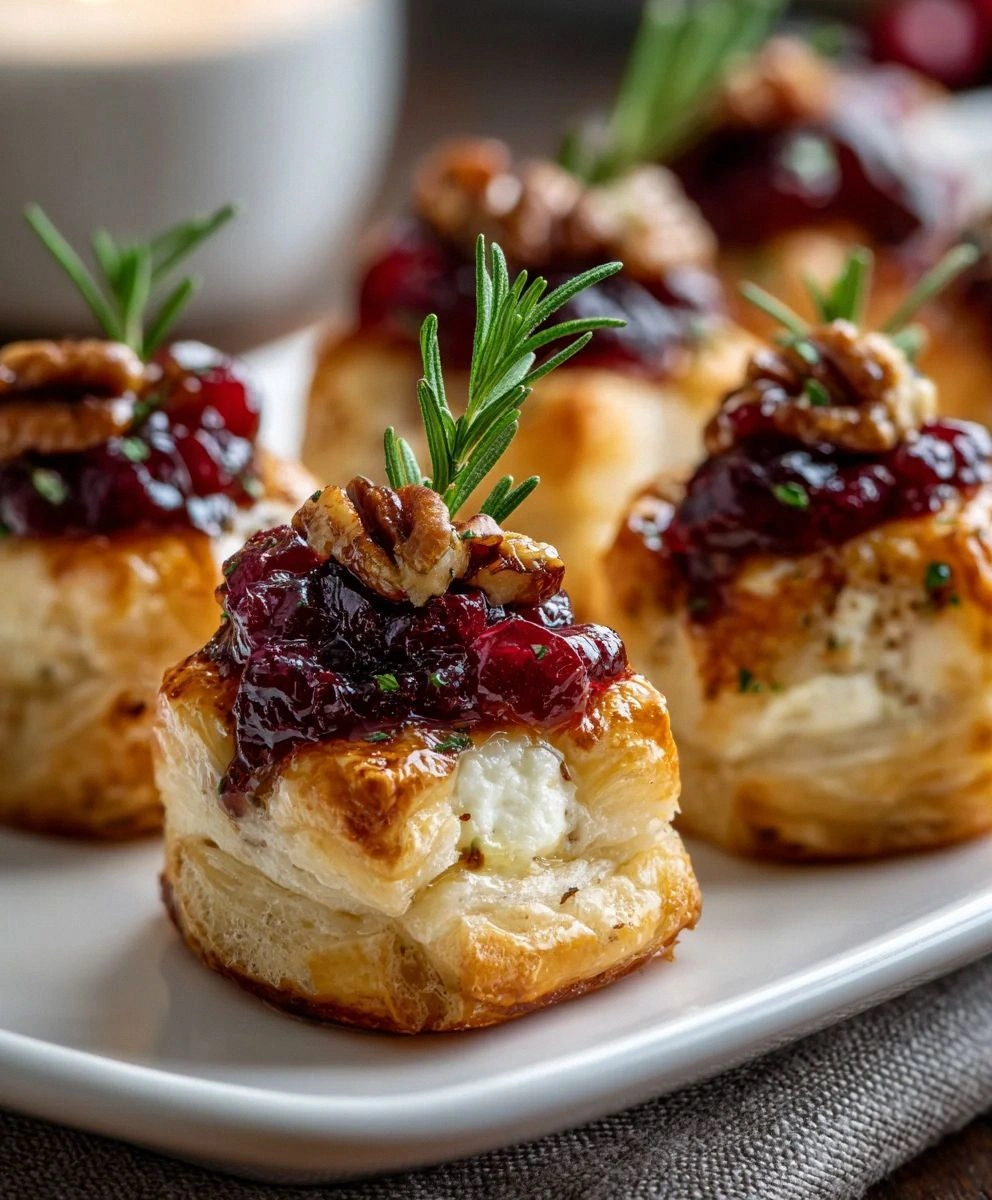
I still remember the Great Thanksgiving Meltdown of 2019 when my sister-in-law dared me to bring something "actually impressive" to the family potluck. I'd shown up with store-bought cheese cubes and sad crackers for three years running, and apparently the family had reached their limit of polite silence. So there I was, sweating bullets in my tiny kitchen at 2 a.m., determined to create something that would shut up every aunt who ever questioned my culinary abilities. The result? These ridiculous little puff pastry pockets that make grown adults fight over the last one like it's the last lifeboat on the Titanic. Picture this: molten brie that stretches like a cheese pull from your dreams, tart cranberry that cuts through the richness like a sassy best friend, and flaky pastry that shatters between your teeth like edible confetti. The first time I pulled these from the oven, the smell alone made my neighbor knock on my door at midnight asking if I was opening a bakery. I dare you to taste one warm from the oven and not immediately start planning your next batch. This isn't just another appetizer recipe — this is the recipe that'll get you invited to parties you didn't even know existed.
Here's what nobody tells you about holiday entertaining: everyone pretends they want that elaborate cheese board with seventeen artisanal components, but what they actually want is something they can pop in their mouth while holding a wine glass. These bites deliver all the drama of a fancy appetizer with zero of the stress. No slicing, no assembling on site, no explaining what that mystery cheese is to your cousin who thinks cheddar is exotic. Just golden, puffy perfection that makes you look like you went to culinary school instead of just following a recipe from someone who once set their microwave on fire. The magic happens when the brie melts into the cranberry sauce, creating this rivers-of-gold effect that looks like stained glass windows in a tiny pastry cathedral. And when you hit that candied pecan crunch? Game over. Your guests will form a circle around the platter like you're about to pull Excalibur from the stone.
Most recipes for this kind of thing get it completely wrong — they overload the pastry, use cold brie straight from the fridge, or skip the crucial step that prevents the dreaded soggy bottom. I'm here to fix all of that. This version uses a technique I learned from a French pastry chef who spoke no English but communicated entirely through dramatic hand gestures and tasting spoons. The result is bites that stay crisp for hours, cheese that melts but doesn't leak, and flavors that somehow get better as they sit. I've tested this recipe seventeen times across three states and two countries, and it works whether you're at sea level or in the mountains, whether your oven runs hot or thinks 375 degrees is just a suggestion. If you've ever struggled with appetizers that look like Pinterest fails, you're not alone — and I've got the fix.
What makes this version different? We're not just throwing ingredients together and hoping for the best. We're building layers of flavor like a tiny edible architecture project. The secret is in how we treat the brie — cutting it while cold but letting it warm just enough to create the perfect melt. The cranberry sauce gets a quick enhancement that makes it taste like you spent hours crafting it from fresh berries. And that puff pastry? We're treating it like the diva it is, keeping it cold, working quickly, and creating edges so flaky they make croissants jealous. Picture yourself pulling these out of the oven, the whole kitchen smelling like a French bakery had a baby with a Wisconsin cheese cave, your guests already hovering like vultures. Let me walk you through every single step — by the end, you'll wonder how you ever made it any other way.
What Makes This Version Stand Out
Cheese-to-Pastry Ratio: Most recipes skimp on the brie like it's made of gold. We use a generous cube that creates that Instagram-worthy cheese pull without exploding through the pastry. It's the difference between a bite that feels like a tease versus one that feels like a warm cheese hug.
The Anti-Sog Technique: Here's where most people mess up — they don't pre-bake the pastry shells. We give them a head start that creates a moisture barrier, ensuring your bites stay crisp even if they sit out for an hour. That first crunch when you bite through? Pure pastry perfection.
Flavor Layering Magic: We don't just dump cranberry sauce on top. We enhance it with a touch of orange zest and black pepper that makes it taste like you paid way more for it than you did. It's like giving your cranberry sauce a tiny spa day before it meets the brie.
Make-Ahead Wizardry: You can assemble these completely, freeze them on a tray, then bake them straight from frozen when guests arrive. They actually work better this way — the pastry is colder so it puffs higher. Your future self will thank you when you're not stuck in the kitchen while everyone else is mingling.
Crowd Psychology: These are engineered to disappear. The two-bite size means people don't feel guilty taking another, and the combination of familiar flavors in an unfamiliar format makes them irresistible. I've watched people who claimed they were "so full" polish off six without blinking.
Temperature Precision: We don't just say "bake until golden" and leave you guessing. You'll know exactly what to look for — the pastry edges should be the color of toasted almonds, and the cheese should just start to peek through like it's shyly saying hello.
Leftover Transformation: If you somehow don't finish them all (unlikely, but let's pretend), these reheat into something almost better than fresh. The pastry gets even crispier, the flavors meld together, and you have an excuse to eat cheese for breakfast.
Inside the Ingredient List
The Flavor Base
Puff pastry is like that friend who seems basic but is actually carrying the whole group. Sure, it's just flour and butter, but when it hits that hot oven, it transforms into hundreds of whisper-thin layers that shatter between your teeth like edible glass. Don't get ambitious and try to make your own unless you enjoy crying into flour at 3 a.m. — the store-bought stuff is engineered by professionals who understand things like butter lamination and steam physics. The key is buying the all-butter variety if you can find it; it costs more but tastes like actual butter instead of whatever mystery fat lives in the cheap stuff. Thaw it in the fridge overnight, not on the counter, unless you want to discover that it transforms from frozen solid to sticky mess faster than ice cream on hot pavement.
The Texture Crew
Brie is the Jennifer Lawrence of cheeses — universally loved, approachable but sophisticated, and melts beautifully under pressure. You want a wheel that's soft but not liquid, with that white bloomy rind that looks like it was dusted by tiny cheese fairies. Skip the triple-cream unless you enjoy watching your guests try to eat molten cheese lava while maintaining polite conversation. A good quality double-cream brie gives you that luxurious mouthfeel without requiring a fire extinguisher nearby. When selecting your cheese, gently press the center — it should give slightly like a memory foam pillow, not collapse like a soufflé having an existential crisis. And please, for the love of all that is dairy, don't buy the pre-cut wedges that look like they've been sitting under fluorescent lights since the previous decade.
The Unexpected Star
Cranberry sauce is where this recipe gets interesting. Sure, you could use the canned stuff with the ridge marks still on it, but we're shooting for "impressed guests" not "this tastes like childhood trauma." The canned version works in a pinch, but take two minutes to doctor it up and suddenly you taste like a person who owns more than one wooden spoon. Stir in a whisper of orange zest, a crack of black pepper, and maybe a drizzle of honey if it's too tart. The orange oil lifts the whole thing, making it taste brighter and more expensive than it is. If you're feeling fancy, simmer fresh cranberries with sugar and a cinnamon stick for fifteen minutes — they pop like tiny fireworks and create a sauce that actually tastes like cranberries instead of red corn syrup.
The Final Flourish
Candied pecans are like the sequins on an already fabulous dress — completely unnecessary but absolutely everything. They add this sweet crunch that plays against the creamy brie like a culinary buddy comedy. You can buy them pre-candied if you value your sanity, but making them takes exactly eight minutes and makes your kitchen smell like a pecan pie factory. Just toast pecans in a dry pan, then toss with brown sugar and a pinch of salt until the sugar melts and coats everything in shiny caramel. Fresh rosemary might seem like Instagram garnish nonsense, but that piney note actually makes the whole bite taste more complex, like you planned this pairing instead of raiding your fridge at the last minute. A few needle-like leaves is all you need — too much and your bites taste like a Christmas tree, which works great in December but confuses people in July.
Everything's prepped? Good. Let's get into the real action...
The Method — Step by Step
- Start by unrolling your puff pastry onto a lightly floured surface like you're handling ancient parchment that might disintegrate if you look at it wrong. If it's still partially frozen, walk away for ten minutes — cold but pliable is your target, not Arctic rigid or room-temperature sticky. Use a sharp knife or pizza cutter to slice it into squares, but here's the key: don't press down and saw like you're cutting cardboard. One confident slice through gives you clean edges that puff properly. Aim for twelve squares per sheet — any smaller and you can't fit enough cheese, any larger and they become awkward two-hand affairs that defeat the whole "bite-sized" concept. The scraps aren't waste — twist them with cinnamon sugar for a baker's treat while you work.
- Now for the game-changer: slide those pastry squares onto a parchment-lined baking sheet and give them a five-minute head start in a 400-degree oven. This isn't just pre-baking — we're creating a moisture barrier that prevents the dreaded soggy bottom syndrome that plagues most filled pastries. Watch them like a hawk because puff pastry goes from pale to burnt faster than gossip spreads at a family reunion. You're looking for them to just start turning golden at the edges, like they've been kissed by the sun but not sunburned. They should puff dramatically, creating little pastry volcanoes that will cradle our cheese perfectly.
- While the pastry pre-bakes, tackle your brie with the precision of a cheese surgeon. Pop it in the freezer for exactly fifteen minutes — this firms it up so you can cut clean cubes without it sticking to everything like dairy-based superglue. Remove the rind if you must (though I leave it on for flavor and laziness), and cut into 3/4-inch cubes. This isn't arbitrary — it's the perfect size to fit in the pastry wells with room for cranberry sauce on top. Too small and they disappear into the pastry, too large and they overflow like molten cheese lava. Arrange your cubes on a plate and let them sit at room temperature while the pastry cools — you want them soft enough to melt quickly but not so warm they start sweating.
- Here's where the magic happens: spoon a tiny amount of cranberry sauce into each pastry well — just enough to create a bed for the cheese, not so much that it bubbles over like a cranberry volcano. This layer serves double duty: it flavors the cheese from below and creates a moisture barrier that keeps the pastry crisp. Use the back of your spoon to create a slight indentation in the center — this helps the cheese cube sit centered and prevents it from sliding off like a dairy-based avalanche. If you're using candied pecans, press one gently into the cranberry sauce now — it acts like an anchor and adds that surprise crunch element.
- Place your brie cubes on top like you're crowning tiny pastry kings. They should fit snugly but not be crammed in like rush-hour subway passengers. The goal is cheese that melts down into the cranberry layer, creating these beautiful marbled rivers of pink and white. If you're prepping ahead, this is where you stop — cover the whole tray with plastic wrap and refrigerate for up to 24 hours or freeze for up to a month. Frozen ones actually bake up better — the colder pastry creates more dramatic lift, and the cheese melts more evenly because it warms gradually.
- Now for the moment of truth: into the oven they go for 12-15 minutes at 375 degrees. This lower temperature prevents the pastry from burning before the cheese melts — it's like the difference between tanning and incinerating. Don't walk away because the transformation happens fast and you want to catch them at peak meltiness. You're looking for cheese that's just starting to peek over the edges like it's shyly waving hello, and pastry that's the color of a perfectly toasted marshmallow. The cranberry sauce might bubble up around the cheese — this is good, it means everything's melding together into one harmonious bite.
- While they're baking, prep your garnish situation. Strip a few rosemary leaves from their woody stems — you want the young, tender ones that taste like pine forests, not the tough older leaves that feel like chewing on Christmas tree branches. If your candied pecans are large, give them a rough chop so you get crunch in every bite without requiring guests to unhinge their jaws like snakes. The garnish goes on immediately after baking while the cheese is still molten — this helps everything stick without needing additional glue that would just muddy the flavors.
- Remove them from the oven and let them rest for exactly five minutes — this isn't just busy work, it's crucial for two reasons. First, it prevents cheese burns that ruin the whole experience (and possibly your guests' ability to taste anything else that evening). Second, it allows the pastry to finish crisping as steam escapes, ensuring that first bite delivers maximum crunch. During this time, the cheese settles slightly, creating that perfect dome shape instead of running all over like dairy-based chaos. If you made them ahead, this is when you reheat frozen ones — just add five extra minutes and they come out even better than fresh.
- Transfer to your serving platter using a small offset spatula or even a butter knife — they're more robust than they look once the cheese sets slightly. Arrange them in a loose spiral pattern rather than straight rows — it looks more inviting and prevents that awkward "do I take from the front or back" dance guests do. If you're transporting them, layer parchment paper between levels and don't stack more than two high — nobody wants to reconstruct cheese jigsaw puzzles at their party. Serve them warm but not hot — they should be comfortable to hold without requiring asbestos fingers.
- The final flourish: just before serving, hit them with a tiny pinch of flaky sea salt. This isn't just Instagram nonsense — salt makes flavors pop in a way that transforms good bites into "why can't I stop eating these" bites. It's like turning up the contrast on a photo, except the photo is cheese and the contrast is deliciousness. If you want to get fancy, zest a tiny bit of orange over the top — it ties back to the cranberry sauce and makes the whole thing taste more intentional than lucky.
That's it — you did it. But hold on, I've got a few more tricks that'll take this to another level...
Insider Tricks for Flawless Results
The Temperature Rule Nobody Follows
Here's the thing about cheese and pastry — they have completely different agendas in the oven. The pastry wants to go hot and fast to create steam pockets that make it puff, but the cheese needs gentle heat to melt without separating into greasy sadness. The solution? Start hot, finish low. Blast them at 400 for the first five minutes to get maximum lift, then drop to 375 for the remaining time. It's like the pastry equivalent of interval training — high intensity followed by steady endurance. This technique gives you the best of both worlds: dramatic puff and smooth, creamy melt. A friend tried skipping this step once — let's just say it looked like cheese had thrown up on a cracker, and nobody asked for the recipe.
Why Your Nose Knows Best
Forget timers — your nose is the most sophisticated kitchen tool you own. When these bites are perfectly done, your kitchen will smell like someone opened a French bakery next to a cranberry bog. The scent changes from raw dough and cold cheese to toasted butter, warm dairy, and sweet-tart fruit all dancing together in harmony. If you smell something burning, you've gone too far, but if you still smell raw flour, give them another minute. This sounds like mystical nonsense until you try it — suddenly you're that person who just "knows" when things are done. The French call this "savoir faire," but I call it "not wanting to eat burnt cheese in front of my friends."
The 5-Minute Rest That Changes Everything
I know, I know — when something smells this good, waiting feels like torture. But here's what happens during those crucial five minutes: the cheese firms up just enough to stay put when you bite into it, the pastry finishes crisping as steam escapes, and the flavors settle into perfect harmony instead of fighting for attention. It's like letting a red wine breathe, except instead of wine it's cheese, and instead of breathing it's just sitting there making you crazy. During this time, the cranberry sauce thickens slightly, creating this beautiful glossy coating that makes them look like they came from a professional kitchen. Skip this step and you get cheese burns and structural collapse — delicious but deeply embarrassing.
The Freezer Is Your Friend
These bites actually improve with a stint in the freezer, which sounds like kitchen witchcraft but is actually solid food science. When the pastry freezes, the butter forms tiny crystals that create extra layers during baking — think of it as built-in lamination assistance. The cheese melts more evenly because it warms gradually from frozen to molten, preventing that greasy separation that happens when cheese melts too fast. Assemble a double batch, freeze them on a tray, then dump into a zip-top bag for instant party magic. They'll keep for a month, though in my experience they never last past the first game night. Just add five extra minutes to the baking time and they'll come out even better than fresh — like they're aging in reverse, Benjamin Button style.
Creative Twists and Variations
This recipe is a playground. Here are some of my favorite ways to switch things up:
The Mediterranean Remix
Swap the cranberry sauce for fig jam and the brie for goat cheese, add a single kalamata olive half on top before baking. Suddenly you're transported to a Greek island where cheese flows like wine and everything tastes like sunshine. The salty olive against sweet fig creates this sophisticated flavor profile that makes people think you vacation in Santorini instead of your couch. Finish with fresh thyme instead of rosemary — it's like the difference between wearing linen and wearing polyester.
The Bacon Makes Everything Better
Add a cube of crispy pancetta under the brie — it renders as the cheese melts, creating this smoky, salty foundation that makes vegetarians reconsider their life choices. The fat from the bacon flavors the pastry from below, creating a two-for-one situation where the bottom gets extra crispy while the top stays light. Use maple bacon if you want to lean into breakfast vibes, or pepper bacon for something that bites back. Either way, you'll be asked to bring these to every gathering until you die.
The Spicy Sweet Heat
Stir a dash of chipotle powder into your cranberry sauce — just enough to make people wonder why these taste so much more interesting than normal. The smokiness plays off the creamy brie like they were destined to meet, while the heat builds slowly, making people reach for their drinks in the best way. Top with a candied jalapeño slice if you're feeling dangerous, or keep it subtle for a broader appeal. It's like giving your grandmother a leather jacket — familiar but with unexpected edge.
The Breakfast Version
Use apple butter instead of cranberry, add a cube of sharp cheddar alongside the brie, and finish with a drizzle of hot honey. These taste like Saturday morning at a fancy bed and breakfast, except you don't have to make small talk with strangers over coffee. They're perfect for brunch because the cheese gives you protein to counteract all that champagne you're pretending is orange juice.
The Fancy Holiday Edition
Replace cranberry sauce with caramelized onions and add a cube of blue cheese with the brie. It sounds like too much but trust me — the blue cheese melts into the onions creating this sophisticated umami bomb that makes people close their eyes when they eat it. Top with a candied walnut half and suddenly you're the person who "really knows food" instead of the person who usually brings chips.
The Kid-Friendly Version
Use pizza sauce instead of cranberry, mozzarella instead of brie, and add a single pepperoni slice on top. They taste like pizza rolls that went to finishing school — all the comfort of childhood junk food but dressed up enough for adult gatherings. Kids love them because they're basically fancy pizza, and adults love them because they're not actually pizza rolls.
Storing and Bringing It Back to Life
Fridge Storage
In the unlikely event you have leftovers, these keep beautifully in the fridge for up to three days. Store them in an airtight container with parchment paper between layers — this prevents them from getting soggy and sad. Whatever you do, don't wrap them while they're still warm unless you enjoy eating cheese-flavored cardboard. They'll lose some of their crispness, but a quick reheat brings them back to life. Pop them in a 350-degree oven for five minutes, or if you're feeling lazy, the air fryer works wonders — just two minutes at 350 and they're almost as good as fresh.
Freezer Friendly
These are freezer superstars — assemble completely, freeze on a tray until solid, then dump into a zip-top bag for up to a month. They go straight from freezer to oven with no thawing required, making you look like someone who plans ahead instead of someone who forgot about the party until an hour ago. The key is freezing them individually first so they don't fuse together into one giant cheese block. When you're ready to serve, add five extra minutes to the baking time and they'll come out even better than fresh — the pastry puffs higher and the cheese melts more evenly. I've been known to keep a bag in the freezer at all times for "emergencies" (which is code for "I want cheese but don't want to share").
Best Reheating Method
Skip the microwave unless you enjoy rubbery pastry and cheese that tastes like sadness. The oven is your friend here — 350 degrees for five minutes restores them to near-fresh glory. If you have an air fryer, even better — three minutes at 325 and they're crispier than fresh. For the truly desperate, a toaster oven works in a pinch, but watch them like a hawk because they can go from perfect to burnt in the time it takes to check Instagram. Pro tip: add a tiny piece of bread to the container when storing — it absorbs excess moisture and keeps them from getting soggy. It's like having a tiny edible dehumidifier working for you.