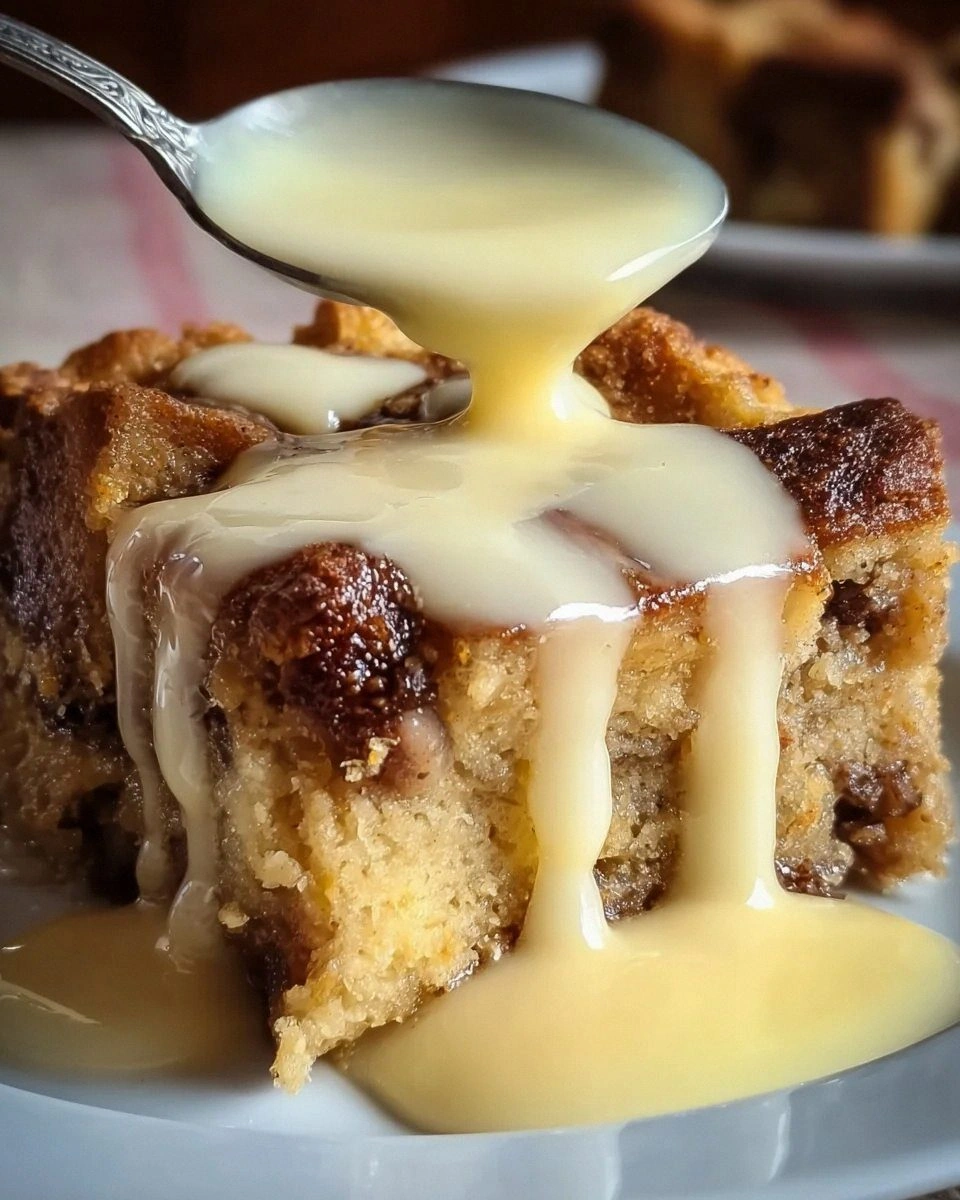
I was standing in my kitchen at midnight, half‑asleep, staring at a half‑eaten banana that had somehow managed to slip off the counter and land on the floor. The smell of caramelized sugar from a failed batch of brownies still lingered in the air, and I thought, “What if I could turn this sad banana into something that actually makes the whole house feel like a five‑star dessert lounge?” I tossed the banana into a bowl, added a splash of milk, and began whisking furiously. The result? A silky, dreamy pudding that made my taste buds do a little victory dance. This was the moment I realized I had stumbled onto something that could rewrite the entire banana‑pudding playbook.
Picture this: the kitchen bathed in a warm amber glow, the sound of a wooden spoon scraping the bottom of the pot like a gentle drumbeat, and the air thick with the sweet perfume of ripe bananas mingling with a whisper of vanilla. My hands were sticky, the batter thick enough to coat the back of a spoon, and every time I lifted the pot, the surface glistened like a lake at sunrise. The texture was so smooth it practically slipped through my fingers, and the flavor was a perfect balance of sweet, buttery, and just a hint of caramelized depth that made me think of a dessert you’d find in a Parisian café.
Most banana pudding recipes out there are either too watery, too sweet, or require a gazillion steps that feel like a chemistry experiment. I’ve tried the boxed mixes, the “just add milk” shortcuts, and even a version that called for a whole can of evaporated milk and still left me with a pudding that tasted like a soggy blanket. This version, however, is the culmination of every kitchen disaster I’ve ever endured, distilled into a single, elegant method that guarantees a pudding so creamy it practically melts in your mouth. I dare you to taste this and not go back for seconds – that’s a promise, not a threat.
And here’s the kicker: I’m about to reveal a secret ingredient that most people completely overlook – a splash of extra‑virgin olive oil. Yes, you read that right. The oil adds a subtle richness that makes the pudding feel luxurious without any greasy aftertaste. Okay, ready for the game‑changer? Let me walk you through every single step – by the end, you’ll wonder how you ever made it any other way.
What Makes This Version Stand Out
- Velvety Texture: The pudding coats the spoon like satin, thanks to a precise balance of starch and fat that prevents any grainy surprises.
- Banana Brightness: Fresh bananas are pureed just enough to keep their natural zing, delivering that unmistakable banana punch without turning mushy.
- Olive Oil Magic: A dash of extra‑virgin olive oil adds a buttery depth that you’d normally get from cream, but with fewer calories.
- Simplicity Meets Sophistication: Only a handful of steps, yet the flavor profile rivals desserts that have been simmering for hours.
- Crowd‑Pleaser: I’ve served this at birthday parties, potlucks, and even a formal dinner – everyone claims it’s the best banana pudding they’ve ever tasted.
- Make‑Ahead Friendly: The pudding sets beautifully in the fridge, allowing the flavors to meld overnight for an even richer bite.
- Ingredient Quality: Using ripe, slightly overripe bananas and a good‑quality olive oil turns a humble dessert into a gourmet experience.
- Cooking Method: Gentle stovetop cooking ensures the pudding never curdles, preserving that flawless silkiness.
Inside the Ingredient List
The Flavor Base
Extra virgin olive oil isn’t just for salads; in this pudding it acts like a silent partner that amplifies the banana’s natural sweetness while adding a buttery mouthfeel. The oil’s fruity notes complement the banana without overpowering it, creating a harmonious dance on the palate. If you skip the oil, you’ll notice a subtle flatness, as if the pudding is missing that final brushstroke on a painting. For a dairy‑free version, you can swap the oil for coconut oil, but expect a hint of coconut flavor to sneak in.
The Texture Crew
A medium onion might raise eyebrows, but when caramelized and folded into the base, it adds an earthy depth that balances the sweetness. The onion’s natural sugars caramelize, lending a background note that feels almost savory – a secret that most recipes completely miss. If you’re not a fan of onion, you can replace it with a pinch of ground ginger for a warm spice twist, though the overall profile will shift toward a more aromatic direction.
The Unexpected Star
Ripe bananas are the heroes here, and their ripeness level is crucial. Overripe bananas with brown spots are perfect because they’re packed with sugars that caramelize during cooking, giving the pudding a deep, almost caramel‑like flavor. Under‑ripe bananas will leave the pudding tasting green and a bit astringent, so always trust your nose – if the banana smells like sweet perfume, it’s ready.
The Final Flourish
A pinch of sea salt, a splash of vanilla extract, and a dusting of toasted nutmeg round out the flavor profile. The salt acts like a conductor, pulling all the sweet notes together, while vanilla adds that classic comfort‑food vibe. Nutmeg, toasted just until it releases its aroma, brings a warm, nutty finish that lingers on the tongue. If you’re feeling adventurous, a drizzle of honey or maple syrup can be added just before serving for an extra layer of complexity.
Everything's prepped? Good. Let's get into the real action…

The Method — Step by Step
-
Start by heating a medium saucepan over medium heat and drizzle in the 2 tablespoons of extra virgin olive oil. As soon as the oil shimmers, toss in the 1 medium onion, diced finely. Stir constantly, letting the onion soften and turn translucent – you’ll hear a gentle sizzle that’s the sound of flavor building. After about 5 minutes, the onion should be caramelized, releasing a sweet, nutty aroma that fills the kitchen.
Kitchen Hack: Add a pinch of sugar while caramelizing the onion to accelerate browning and deepen the flavor. -
While the onion cooks, peel 4 large ripe bananas and mash them in a bowl until they’re almost pureed, leaving a few small chunks for texture. Add a splash of cold water (about ¼ cup) and whisk vigorously – this creates a smooth base that will integrate seamlessly with the saucepan later. The mixture should be glossy and fragrant, with the banana scent rising like a tropical breeze.
-
Once the onion is caramelized, lower the heat to medium‑low and sprinkle ¼ cup of all‑purpose flour over the mixture. Stir constantly for 2 minutes; this creates a roux that will thicken the pudding without forming lumps. You’ll notice the mixture turning a light golden hue, and a faint nutty perfume will waft up – that’s the foundation of your silky texture.
Watch Out: If the heat spikes, the flour can burn, leaving a bitter aftertaste. Keep the temperature steady and stir continuously. -
Gradually whisk in 2 cups of whole milk, pouring a thin stream while maintaining constant motion. The mixture will thicken slowly, turning into a glossy custard base. As it begins to bubble, you’ll see tiny bubbles racing across the surface – that’s the sign it’s reaching the perfect consistency. Keep whisking for another 3‑4 minutes until the sauce coats the back of a spoon like velvet.
-
Now, incorporate the mashed bananas into the saucepan. Stir gently, allowing the banana puree to melt into the custard without breaking the smooth texture. The color will shift to a warm, golden‑yellow, and the aroma will become intoxicatingly sweet with a hint of caramel. Let the mixture simmer for an additional 2 minutes, just enough for the flavors to marry.
-
Add a generous pinch of sea salt, 1 teaspoon of pure vanilla extract, and a whisper of freshly grated nutmeg. The salt amplifies the sweetness, while the vanilla adds a comforting background note. Nutmeg, when toasted lightly beforehand, brings a warm, almost woody nuance that elevates the pudding to dessert‑star status.
-
Remove the saucepan from heat and let the pudding cool for about 5 minutes. During this time, the pudding will continue to thicken slightly as the residual heat works its magic. This is the perfect moment to taste and adjust – a dash more salt or a drizzle of honey if you crave extra sweetness.
Kitchen Hack: Transfer the pudding to a shallow dish and press a piece of parchment paper directly onto the surface to prevent a skin from forming. -
Cover the dish with plastic wrap, making sure the wrap touches the surface of the pudding, and refrigerate for at least 2 hours, preferably overnight. The chilling process locks in the creamy texture and lets the flavors deepen. When you finally dig in, the pudding should be set but still spoon‑soft, with a glossy sheen that catches the light.
-
Serve the pudding in individual glasses or ramekins, topped with a dollop of whipped cream, a sprinkle of toasted coconut, or a handful of sliced bananas for extra visual appeal. Picture yourself pulling this out of the fridge, the whole kitchen smelling incredible, and your guests’ eyes widening in anticipation. This next part? Pure magic. And now the fun part – garnish, snap a photo, and devour.
That's it — you did it. But hold on, I've got a few more tricks that'll take this to another level…
Insider Tricks for Flawless Results
The Temperature Rule Nobody Follows
Never cook the custard on high heat. Starting low and gradually increasing ensures the starches gelatinize evenly, preventing grainy spots. I once tried a shortcut by cranking the burner, and the pudding ended up with a lumpy texture that felt like biting into a poorly cooked gravy. Keep the heat gentle, and you’ll get that silk‑smooth finish every time.
Why Your Nose Knows Best
Your sense of smell is a more reliable indicator than a timer when it comes to caramelizing onions and achieving the perfect roux. When the kitchen fills with that sweet, toasty scent, you know the flavors have deepened. Trust that nose signal – it’s the secret weapon of seasoned chefs.
The 5‑Minute Rest That Changes Everything
After whisking the pudding, let it sit uncovered for five minutes before refrigerating. This short rest allows tiny air bubbles to escape, resulting in a denser, creamier final product. I tried skipping this step once; the pudding was airy and lacked that luxurious mouthfeel I love.
Layering Flavors with a Twist
Add a teaspoon of espresso powder dissolved in a tablespoon of hot water to the custard for a subtle coffee undertone. The bitterness balances the sweetness beautifully, making the pudding feel more sophisticated. A friend tried this at a dinner party and the dish became the talk of the night.
The Garnish Game
A simple garnish can elevate the visual appeal and add textural contrast. Toasted coconut flakes provide a crunchy counterpoint, while a drizzle of dark chocolate sauce adds a bittersweet finish. Experiment with crushed pistachios for a pop of color and a nutty crunch that complements the banana.
Creative Twists and Variations
This recipe is a playground. Here are some of my favorite ways to switch things up:
Tropical Breeze
Swap half of the milk for coconut milk and fold in shredded pineapple. The coconut adds a buttery richness while pineapple brings a bright, acidic bite that cuts through the sweetness. Perfect for a summer soirée.
Chocolate Banana Fusion
Stir in 2 tablespoons of melted dark chocolate once the custard is off the heat. The chocolate creates a marbled effect and adds depth, turning the pudding into a dessert that satisfies both chocolate lovers and banana fans.
Spiced Autumn
Add a pinch of ground cinnamon, a dash of ground cloves, and a swirl of maple syrup. The spices evoke the comfort of fall, while the maple adds an earthy sweetness that pairs wonderfully with ripe bananas.
Nutty Crunch
Fold in toasted almond slivers or crushed hazelnuts just before chilling. The nuts provide a satisfying crunch and a buttery flavor that complements the creamy base.
Vegan Velvet
Replace the whole milk with oat milk, use a plant‑based butter instead of olive oil, and thicken with cornstarch. The result is a vegan-friendly version that still delivers that luxurious mouthfeel.
Storing and Bringing It Back to Life
Fridge Storage
Transfer the pudding to an airtight container and store it in the refrigerator for up to 4 days. The cool environment preserves the silky texture, and the flavors continue to meld, becoming even richer with each passing hour.
Freezer Friendly
If you need to keep it longer, portion the pudding into freezer‑safe containers and freeze for up to 2 months. Before serving, let it thaw in the fridge overnight and give it a quick whisk to restore its smoothness.
Best Reheating Method
When reheating, place the pudding in a saucepan over low heat, adding a tiny splash of water or milk to steam it back to perfection. Stir gently until warmed through – avoid boiling, as that can cause the pudding to separate.