Picture this: it’s a rainy Saturday, the kitchen is a mess from last night’s pizza experiment, and you’re staring at a carton of heavy cream that’s been sitting in the fridge for days. You’ve already tried every “quick fix” recipe online—half‑baked, too sweet, or a texture that feels like melted butter instead of velvet. That’s when the phone buzzes: a friend challenges you to make the best Cherry Garcia ice cream at home. You’re skeptical, but the promise of a creamy, cherry‑laden delight that feels like a dessert you’d only taste at a theme park is too good to ignore.
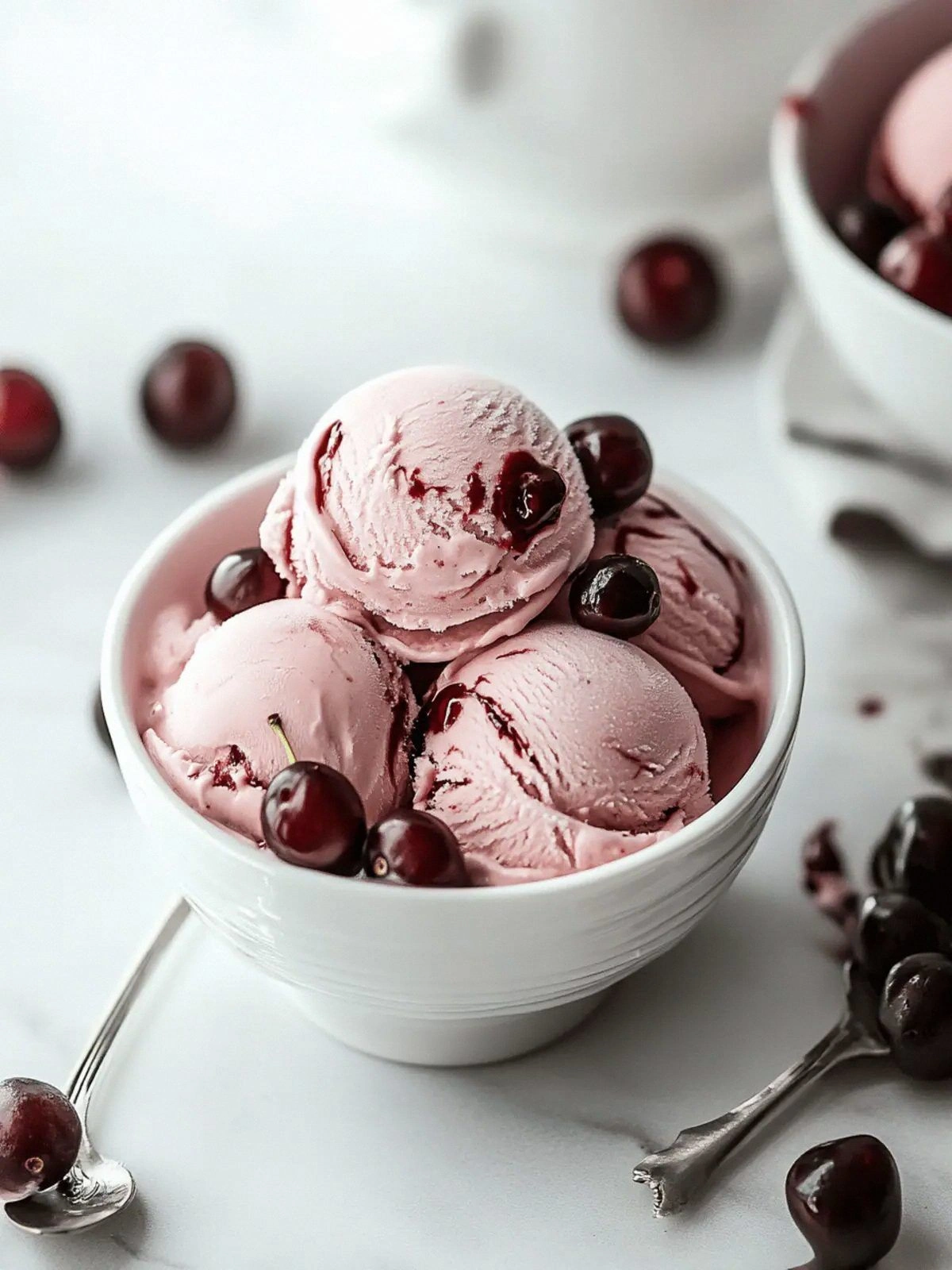
I’ve spent years dissecting frozen treats, and I’ve learned that the secret to a legendary scoop lies in balance—sweetness that sings without drowning the fruit, a custard base that’s silky, and a finish that lingers. When I first tasted this version, it felt like a hug from a chocolate‑cherry lover: the cherries burst with natural tartness, the chocolate shavings melt into a glossy ribbon, and the cream coats your palate like a warm blanket. Every bite is a conversation between sweet and tart, smooth and crunchy, and the moment you taste it, I dare you to keep a second scoop at hand.
What sets this recipe apart isn’t just the ingredients; it’s the method. I’m talking about a custard that’s cooked to the perfect “soft‑serve” consistency, a technique that keeps the ice cream from becoming icy, and a cherry integration that avoids the dreaded “cherry clumps” that plague many homemade versions. I’ll also reveal a little trick that most people overlook—a way to lock in freshness without compromising texture. Trust me, this is hands down the best version you’ll ever make at home, and it’s surprisingly simple.
If you’ve ever struggled to get a smooth, creamy texture or to blend cherries without them turning into a mushy mess, you’re not alone. I’ll walk you through every single step, from selecting the freshest Bing cherries to whipping the final product to a cloud‑like consistency. By the end of this post, you’ll wonder how you ever made it any other way. Let’s dive in.
What Makes This Version Stand Out
- Flavor Balance: The sweet‑tart harmony is achieved by using fresh Bing cherries, which provide natural acidity, and a controlled amount of sugar that lets the fruit shine.
- Texture Mastery: A custard base cooked to just the right temperature ensures a silky mouthfeel that resists ice crystal formation.
- Ingredient Quality: Only the finest heavy cream and whole‑milk ratio delivers richness without heaviness.
- Chocolate Integration: Shaved chocolate is folded in at the last minute, preserving its crunch and preventing it from melting into the ice cream.
- Make‑Ahead Flexibility: This recipe freezes well, so you can prepare it a day ahead and have a ready‑to‑serve dessert.
- Visual Appeal: The bright red cherries contrast strikingly with the dark chocolate shavings, making every scoop a feast for the eyes.
- Time Efficiency: The entire process takes less than an hour, yet the result feels indulgent.
Alright, let’s break down exactly what goes into this masterpiece. And before we jump into the ingredients, here’s a quick kitchen hack that will save you time and keep your hands clean.
Inside the Ingredient List
The Flavor Base
Heavy cream and milk form the backbone of this ice cream, delivering a luscious mouthfeel that’s both rich and airy. Heavy cream is essential because it contains a higher fat content, which coats the palate and reduces ice crystal formation. Milk balances the richness, keeping the texture light enough for scooping. If you omit the milk, the ice cream becomes too dense and can feel heavy on the tongue.
I recommend using whole milk for the best flavor; skim milk can result in a watery consistency. If dairy isn’t an option, you can substitute with coconut milk, but be sure to use a full‑fat version and reduce the sugar slightly to counteract the coconut’s natural sweetness.
The Texture Crew
Granulated sugar is more than just a sweetener; it’s a key player in the ice cream’s final texture. Sugar lowers the freezing point of the mixture, creating a smoother, creamier result. The ratio of sugar to cream is critical—too much and you’ll end up with a syrupy dessert; too little and the ice cream will freeze too hard.
Eggs are the glue that holds everything together. They provide structure and help emulsify the mixture, preventing separation during freezing. The yolks also add a subtle richness that enhances the overall flavor profile. If you’re allergic or vegan, you can use a commercial egg replacer or a small amount of xanthan gum to mimic the binding effect.
The Unexpected Star
Fresh Bing cherries are the star of this recipe. Their bright red color and natural tartness give the ice cream a lively kick that’s both sweet and slightly acidic. The cherries also add a pleasant burst of juiciness that contrasts with the smooth custard base. If you can’t find fresh cherries, frozen cherries are a fine substitute, but be sure to thaw them fully and squeeze out excess liquid to avoid a watery mix.
The key to a great cherry ice cream is using cherries that are fully ripe but still firm. If they’re too soft, they’ll break down into a puree, and if they’re too hard, they’ll remain crunchy and not integrate well.
The Final Flourish
Shaved chocolate brings the signature “Garcia” element to the recipe. The chocolate shavings are folded in just before churning, which preserves their crunch and prevents them from melting into the ice cream. The chocolate adds a deep, bittersweet contrast that balances the sweetness of the cherries. If you prefer a smoother chocolate flavor, you can melt a portion of the chocolate and swirl it into the custard.
Be mindful of the chocolate’s cocoa content: a higher percentage will give a more intense flavor but might feel bitter if you’re not careful. I use a dark chocolate with 70% cocoa, which strikes a sweet‑bitter balance that complements the cherries perfectly.
Everything’s prepped? Good. Let’s get into the real action.
The Method — Step by Step
- Prepare the cherries: Rinse the Bing cherries under cold water, then pit them with a cherry pitter. Reserve the pits for later use—they’ll add a subtle flavor to the ice cream base. Slice the cherries into bite‑sized pieces and set aside. I like to toss a pinch of sugar with the cherries to help them release their juices during cooking.
- Make the custard: In a medium saucepan, combine the heavy cream, milk, and granulated sugar. Heat over medium heat, stirring constantly until the sugar dissolves and the mixture is warm but not boiling. Then whisk the eggs into a separate bowl until light and frothy. Slowly pour the hot cream mixture into the eggs, whisking constantly to temper them. Return the mixture to the saucepan and cook over low heat, stirring constantly, until it coats the back of a spoon (about 170°F or 77°C). This step is critical for a silky texture.
- Infuse the cherry flavor: Remove the custard from heat and stir in the reserved cherry pits. Let the mixture sit for 15 minutes to allow the pits to infuse the cream with a subtle earthy note. Strain the mixture through a fine mesh sieve to remove the pits, then let it cool to room temperature. This is the moment of truth; the custard should feel thick yet pourable.
- Chill the base: Cover the custard and place it in the refrigerator for at least 2 hours, or overnight if you’re planning ahead. A cold base is essential for a smooth churn.
- Churn the ice cream: Once the custard is chilled, pour it into your ice cream maker. Start churn at a low speed for 5 minutes, then increase to high and continue for another 20–25 minutes until the mixture thickens and resembles soft serve. At the 15‑minute mark, add the sliced cherries and a handful of shaved chocolate. Fold them gently to distribute evenly.
- Freeze for set: Transfer the churned ice cream to an airtight container, smoothing the top with a spatula. Seal and freeze for at least 4 hours, or overnight, until firm enough to scoop.
- Serve: Let the ice cream sit at room temperature for 5–10 minutes before scooping. This brief rest allows the texture to soften just enough for a perfect scoop. Garnish with an extra sprinkle of chocolate shavings if desired.
- Enjoy: Serve immediately and watch the smiles grow. I dare you to taste this and not go back for seconds.
That’s it — you did it. But hold on, I’ve got a few more tricks that will take this to another level.
Insider Tricks for Flawless Results
The Temperature Rule Nobody Follows
Many people think a cold base is enough, but the temperature of the custard when you start churning matters just as much. It should be between 35°F and 40°F. If it’s too warm, the ice cream will be gummy; if it’s too cold, it won’t churn properly. I use a kitchen thermometer to double‑check.
Why Your Nose Knows Best
As the custard heats, you’ll notice a subtle, buttery aroma that signals it’s reaching the right stage. If the smell feels off or metallic, stop the heat immediately. Your nose is a reliable quality control tool.
The 5-Minute Rest That Changes Everything
After the custard has cooled, let it rest in the fridge for exactly 5 minutes before churning. This pause allows the flavors to meld and the mixture to settle, resulting in a smoother final product.
The Sweet Spot for Sugar
If you’re using a sugar substitute, remember that it won’t behave like granulated sugar. Use a sugar that has similar freezing point depression properties, such as erythritol or xylitol, and adjust the quantity accordingly.
The Final Fold
When folding in the cherries and chocolate, do it gently and in a single motion. Over‑mixing can cause the cherries to break apart, creating a mushy texture that defeats the purpose of a chunky ice cream.
Creative Twists and Variations
This recipe is a playground. Here are some of my favorite ways to switch things up:
Cherry Almond Delight
Add a handful of toasted almond slivers during the final fold. The nutty crunch pairs beautifully with the cherries and gives the ice cream a new dimension.
Minty Fresh
Stir in a teaspoon of finely chopped fresh mint into the custard before churning. The mint provides a refreshing contrast that brightens the chocolate flavor.
Caramel Swirl
Swirl a caramel sauce into the custard during the last five minutes of churning. The caramel adds a buttery sweetness that complements the tart cherries.
Berry Fusion
Replace half of the cherries with fresh blueberries or raspberries. The berries add a burst of color and a slightly different tart profile.
Coffee Kick
Add a tablespoon of strong brewed espresso to the custard before chilling. The coffee’s bitterness cuts through the sweetness, creating a sophisticated flavor profile.
Storing and Bringing It Back to Life
Fridge Storage
If you plan to eat the ice cream within 48 hours, keep it in the fridge. Transfer it to a shallow airtight container and let it soften slightly before serving. This helps preserve the creamy texture.
Freezer Friendly
For longer storage, place the ice cream in a freezer‑safe container and seal tightly. Freeze for up to 3 months. When you’re ready to enjoy, let it sit at room temperature for 10 minutes before scooping.
Best Reheating Method
If the ice cream has become too hard, gently microwave it on the “defrost” setting for 10–15 seconds. Alternatively, let it sit in a bowl at room temperature for 5 minutes. Adding a splash of milk before warming can help restore creaminess.