I was standing in my kitchen, half‑asleep, when the smoke alarm decided to audition for a reality show. The culprit? A burnt batch of chicken alfredo that tasted like regret and rubber bands. I stared at the charred pan, sighed, and thought, “There’s got to be a better way to get that creamy, tangy punch without the kitchen fire alarm screaming.” That moment sparked a daring experiment, a culinary dare‑devil mission to rescue the humble chicken skillet from mediocrity and turn it into something unforgettable.
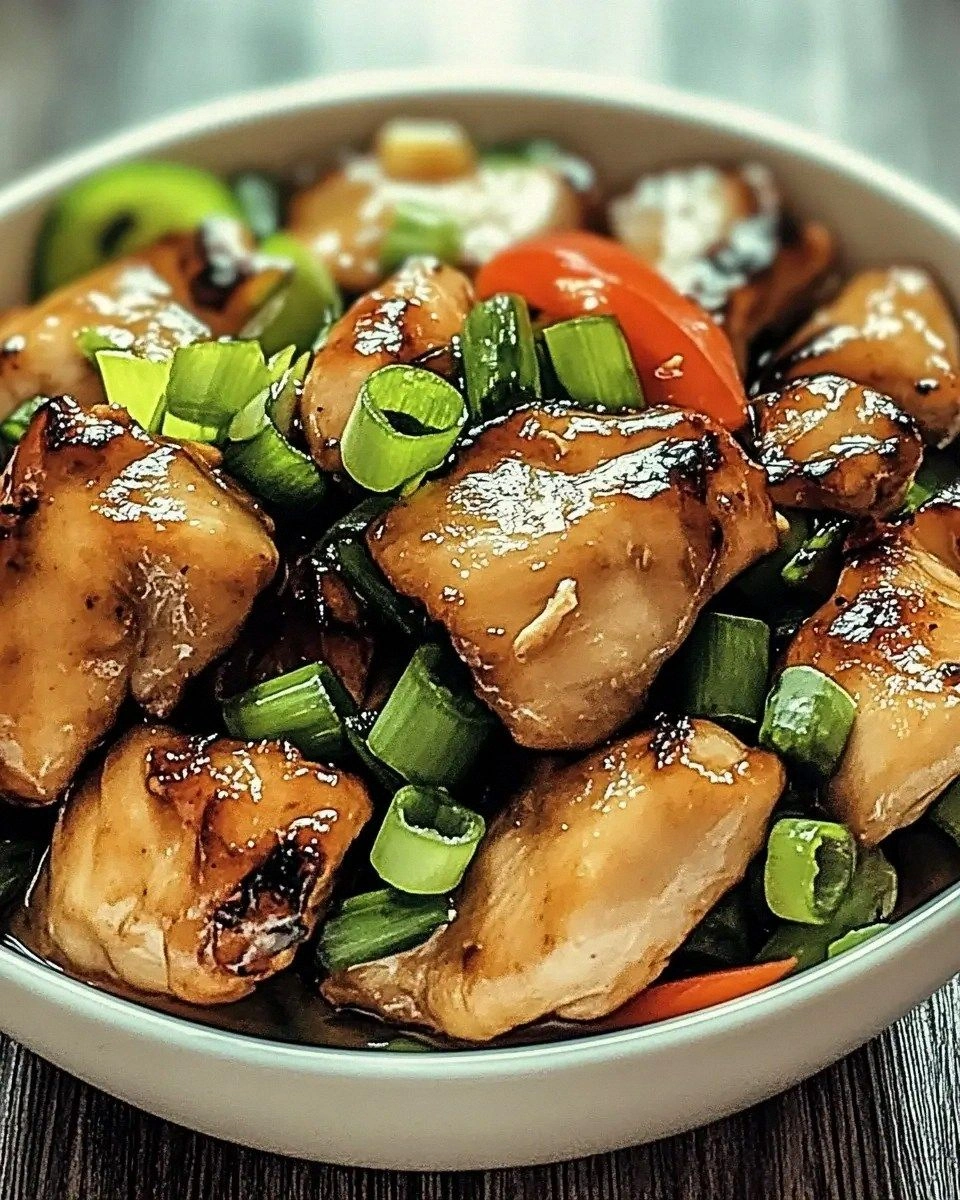
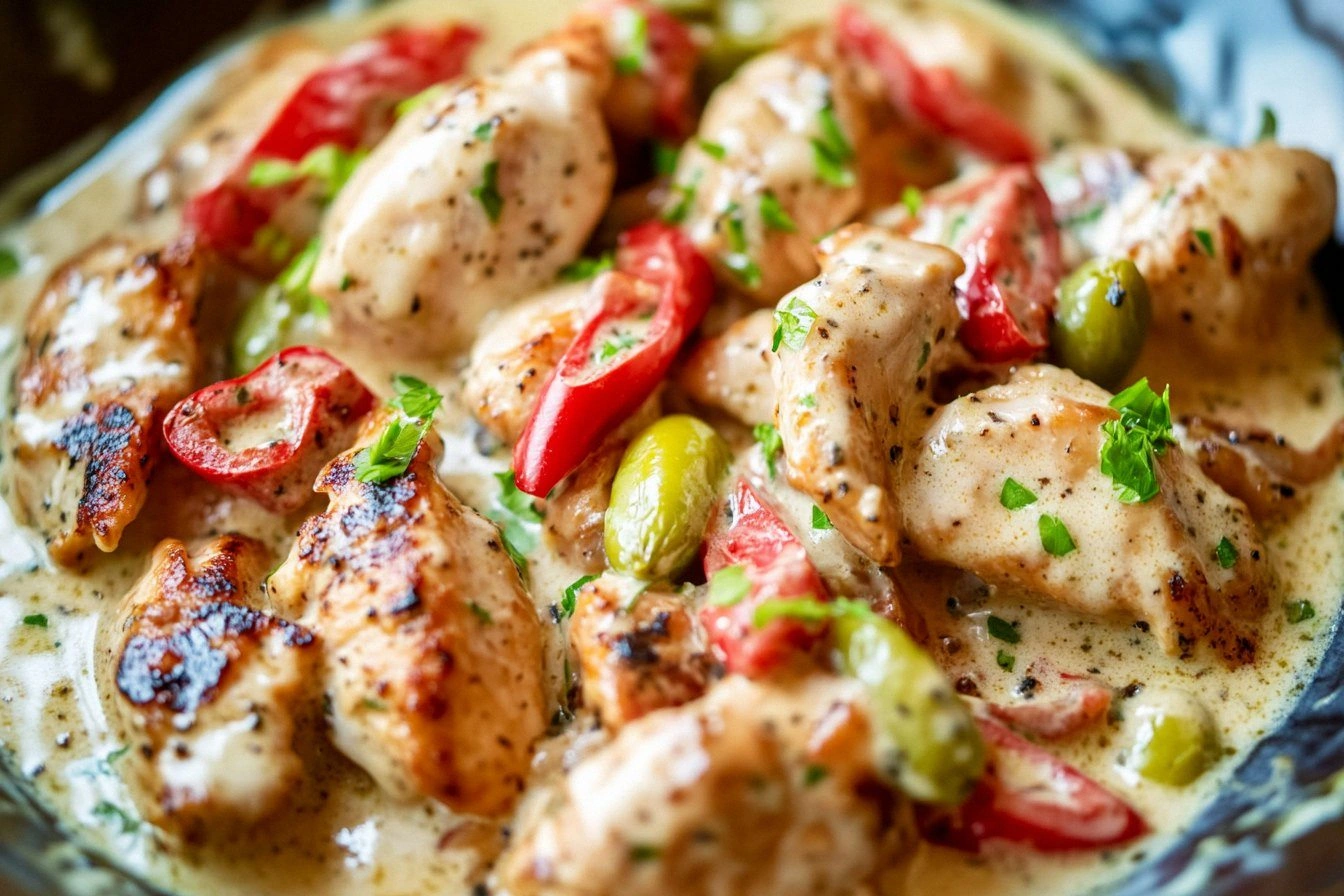
Picture this: a skillet humming with the sizzle of olive oil, the aroma of garlic and onions swirling like a fragrant fog, and pepperoncini peppers—those mischievous little pickles—dropping in with a pop that promises a tangy surprise. The kitchen fills with a buttery, cheesy perfume that makes you want to hug the stove, and the sauce begins to thicken, turning a pale ivory into a glossy, velvety river that clings to each piece of chicken like a lover’s embrace. When you finally scoop a bite, the first thing you notice is the creamy texture that coats the meat smoother than silk, followed by a bright, peppery zing that wakes up your palate like a sunrise after a long night.
Most recipes for creamy chicken with pepperoncini either drown the dish in a dairy swamp or skimp on the peppery bite, leaving you with something bland and heavy. I’ve been there—over‑cream, under‑flavor, and the dreaded “soggy‑sauce” syndrome that turns a promising dinner into a disappointment. This version flips the script: a precise balance of heavy cream, chicken broth, and Parmesan creates a sauce that’s rich but never greasy, while the pepperoncini adds that perfect, mouth‑tingling acidity. I dare you to taste this and not go back for seconds; it’s hands down the best version you’ll ever make at home.
And here’s the secret I’m about to spill: a splash of chicken broth right at the end, just before you finish the sauce, keeps it from turning into a clumpy mess and adds a subtle depth you won’t find in any boxed mix. Okay, ready for the game‑changer? Let me walk you through every single step — by the end, you’ll wonder how you ever made it any other way.
What Makes This Version Stand Out
- Taste: The tangy pepperoncini cuts through the richness of the cream, creating a harmonious dance of flavors that feels both comforting and exciting.
- Texture: The sauce coats the chicken like velvet, while the pepperoncini retain a slight crunch, delivering a satisfying contrast in every bite.
- Simplicity: Fewer than ten ingredients, one skillet, and a 30‑minute timeline make this a weeknight hero without sacrificing gourmet flair.
- Uniqueness: Most creamy chicken dishes skip the pepperoncini; this bright, briny note is the surprise that turns a familiar dish into a conversation starter.
- Crowd Reaction: Friends and family have declared this “the dish that made them love pepperoncini,” and I’ve watched strangers at potlucks ask for the recipe twice.
- Ingredient Quality: Using fresh garlic, high‑quality Parmesan, and good‑grade chicken ensures each component shines without needing a culinary degree.
- Cooking Method: The skillet technique creates caramelized edges on the chicken that shatter like thin ice, adding depth that a slow cooker can’t replicate.
- Make‑Ahead Potential: This dish reheats beautifully; the sauce even thickens a bit, making leftovers taste richer, not soggier.
Inside the Ingredient List
The Flavor Base
Chicken breasts or thighs: Choose thighs for juicier, forgiving meat, or breasts if you prefer lean protein. The meat is the canvas, and its moisture level determines how well the sauce adheres. Skipping the pat‑dry step leads to a soggy skillet, and you’ll lose that coveted caramelization.
Pepperoncini peppers: These little green wonders bring a bright acidity and a whisper of heat that cuts through the cream. If you leave them out, the sauce feels flat; if you add too many, you’ll overpower the delicate balance. A good rule of thumb is eight medium peppers, sliced thin.
Garlic: Freshly minced garlic releases allicin, giving the dish an aromatic backbone that you can’t achieve with powdered garlic. Over‑cooking garlic turns it bitter, so keep an eye on the pan.
Onion: A medium yellow onion, diced, adds a subtle sweetness that mellows the pepperoncini’s tang. If you substitute shallots, you’ll get a sweeter, milder flavor profile, but you’ll miss the onion’s depth.
The Creamy Crew
Heavy cream: This is the silk that binds everything together. Use a full‑fat version; low‑fat alternatives will curdle when you add the hot broth. The cream should be added after deglazing, allowing it to gently melt into a smooth sauce.
Parmesan cheese: Freshly grated Parmesan brings a nutty, salty undertone that thickens the sauce naturally. Avoid pre‑grated, powdered versions—they contain anti‑caking agents that prevent proper thickening.
Chicken broth: A cup of low‑sodium broth adds depth without overwhelming salt. It also helps thin the sauce just enough to coat the chicken without pooling.
The Finishing Touches
Olive oil: A couple of tablespoons of extra‑virgin olive oil give the skillet a rich, buttery foundation for searing. If you prefer a neutral oil, canola works, but you’ll miss the subtle fruitiness that olive oil imparts.
Italian seasoning: A blend of oregano, basil, thyme, and rosemary adds an herbal backbone that rounds out the pepperoncini’s sharpness. Feel free to make your own blend for a more authentic flavor.
Salt and pepper: Season to taste, but remember the broth and Parmesan already bring salt. A pinch of freshly cracked black pepper at the end adds a gentle heat that lifts the whole dish.
Everything's prepped? Good. Let's get into the real action...
The Method — Step by Step
-
Heat two tablespoons of olive oil in a large, heavy‑bottomed skillet over medium‑high heat. When the oil shimmers, add the chicken pieces, making sure they’re spread out in a single layer. Let them sear undisturbed for about 3‑4 minutes; you’ll hear a satisfying sizzle that signals a golden crust forming. Flip the chicken and brown the other side for another 3 minutes, then remove the pieces and set them aside on a plate.
Kitchen Hack: Use a splatter guard while searing; it keeps the kitchen clean without sacrificing the browning. -
Reduce the heat to medium and add the diced onion to the same skillet. Cook, stirring occasionally, until the onion becomes translucent and just begins to caramelize—about 4 minutes. The aroma should be sweet, with a hint of nutty undertones that tell you the sugars are breaking down.
Next, stir in the minced garlic and cook for 30 seconds, just until you smell that unmistakable garlicky perfume. Be vigilant; garlic burns faster than onion and will turn bitter if left too long.
-
Now, add the sliced pepperoncini peppers, letting them mingle with the onion‑garlic mix for another 2 minutes. You’ll notice a subtle pop as the brine evaporates, releasing that signature tangy zing. At this point, sprinkle in the Italian seasoning, a pinch of salt, and a dash of freshly cracked black pepper.
Fun Fact: The word “pepperoncini” translates to “little peppers” in Italian, reflecting their modest size but big personality. -
Deglaze the pan with one cup of chicken broth, scraping up the browned bits (fond) from the bottom. Those caramelized fragments are flavor gold; don’t skip this step. Let the broth simmer for 2‑3 minutes, reducing slightly so the sauce gains a richer base.
Watch Out: If you hear a harsh hiss, the heat is too high; lower it to avoid scorching the broth. -
Stir in the heavy cream, lowering the heat to a gentle simmer. The sauce should turn a luscious, pale gold and begin to thicken within a minute. Keep the mixture moving with a wooden spoon; this prevents the cream from clinging to the pan and forming lumps.
When the sauce reaches a velvety consistency—think liquid silk—add the grated Parmesan cheese. Stir until the cheese melts completely, creating a glossy sheen that coats the back of a spoon.
-
Return the seared chicken to the skillet, nestling each piece into the creamy sauce. Let everything simmer together for 5‑7 minutes, allowing the chicken to finish cooking and absorb the flavors. The sauce should cling to the meat, and you’ll notice the edges of the chicken pulling away from the pan—an indicator that the proteins have set.
Taste and adjust seasoning now; a final pinch of salt or a splash more pepperoncini brine can brighten the dish if needed.
-
Turn off the heat and let the skillet rest for two minutes. This short rest allows the sauce to thicken just a tad more, ensuring it won’t run off the plate when you serve.
While you wait, garnish with a handful of freshly chopped parsley or a drizzle of extra‑virgin olive oil for a glossy finish. The green adds visual contrast and a fresh bite that balances the richness.
-
Serve the creamy pepperoncini chicken straight from the skillet over rice, pasta, or a bed of roasted vegetables. The sauce will pool beautifully, inviting you to scoop generous spoonfuls. And remember, I’ll be honest — I ate half the batch before anyone else got to try it, because it’s that good.
That’s it — you did it. But hold on, I’ve got a few more tricks that'll take this to another level...
Insider Tricks for Flawless Results
The Temperature Rule Nobody Follows
Never start a creamy sauce over high heat. Begin low, then gradually raise the temperature as the sauce thickens. This prevents the cream from separating and gives you a silky texture every time. I once tried a shortcut on high flame, and the sauce split like a bad breakup—never again.
Why Your Nose Knows Best
Your sense of smell is the ultimate doneness gauge. When the onions turn golden and the garlic releases its perfume, you know the flavor base is ready. If you can’t smell the pepperoncini’s tang yet, give it another minute; the aroma will intensify, signaling it’s time to deglaze.
The 5‑Minute Rest That Changes Everything
After the skillet is off the heat, let the dish sit for five minutes before serving. This rest period lets the proteins relax and the sauce settle, resulting in a coating that clings perfectly. A friend once skipped this step and ended up with sauce sliding off the chicken like a bad dance partner.
Layering Salt Like a Pro
Season in stages: a pinch in the onion‑garlic mix, a dash in the broth, and a final taste after the cheese melts. This layered approach prevents over‑salting and ensures each component is seasoned evenly. Trust me, your taste buds will thank you.
Finish With Fresh Herbs
A sprinkle of fresh parsley or basil right before serving adds a pop of color and a subtle herbaceous note that lifts the entire dish. Dried herbs lose their potency after cooking, so fresh is always the finish line champion.
Creative Twists and Variations
This recipe is a playground. Here are some of my favorite ways to switch things up:
Spicy Sriracha Swirl
Add a tablespoon of sriracha to the cream for a smoky heat that complements the pepperoncini. The sauce turns a reddish hue and delivers a lingering kick, perfect for spice lovers.
Mushroom Medley
Sauté sliced cremini or shiitake mushrooms with the onions. The earthy umami deepens the sauce, making it a hearty option for cooler evenings.
Mediterranean Olive Burst
Stir in a handful of chopped Kalamata olives and a squeeze of lemon juice at the end. The olives add briny depth while the lemon brightens the overall profile.
Cheesy Gouda Fusion
Replace half of the Parmesan with smoked Gouda for a richer, smoky flavor. The cheese melts beautifully, giving the sauce a buttery sheen.
Herb‑Infused Cream
Infuse the heavy cream with a sprig of rosemary or thyme before adding it to the pan. Warm the cream gently with the herb, then strain before pouring; you’ll get a subtle herbal note without bits of leaf.
Storing and Bringing It Back to Life
Fridge Storage
Allow the dish to cool to room temperature, then transfer it to an airtight container. It will keep for up to 3 days in the refrigerator. Reheat gently on the stovetop over low heat, adding a splash of chicken broth or water to loosen the sauce.
Freezer Friendly
Portion the chicken and sauce into freezer‑safe bags or containers. Freeze for up to 2 months. When ready to eat, thaw overnight in the fridge, then reheat in a skillet, stirring in a tablespoon of cream to revive the silky texture.
Best Reheating Method
The secret to reheating without losing creaminess is low‑and‑slow. Place the skillet over medium‑low heat, add a tiny splash of water or broth, and stir continuously. The added moisture creates steam that brings the sauce back to life, preventing it from drying out.