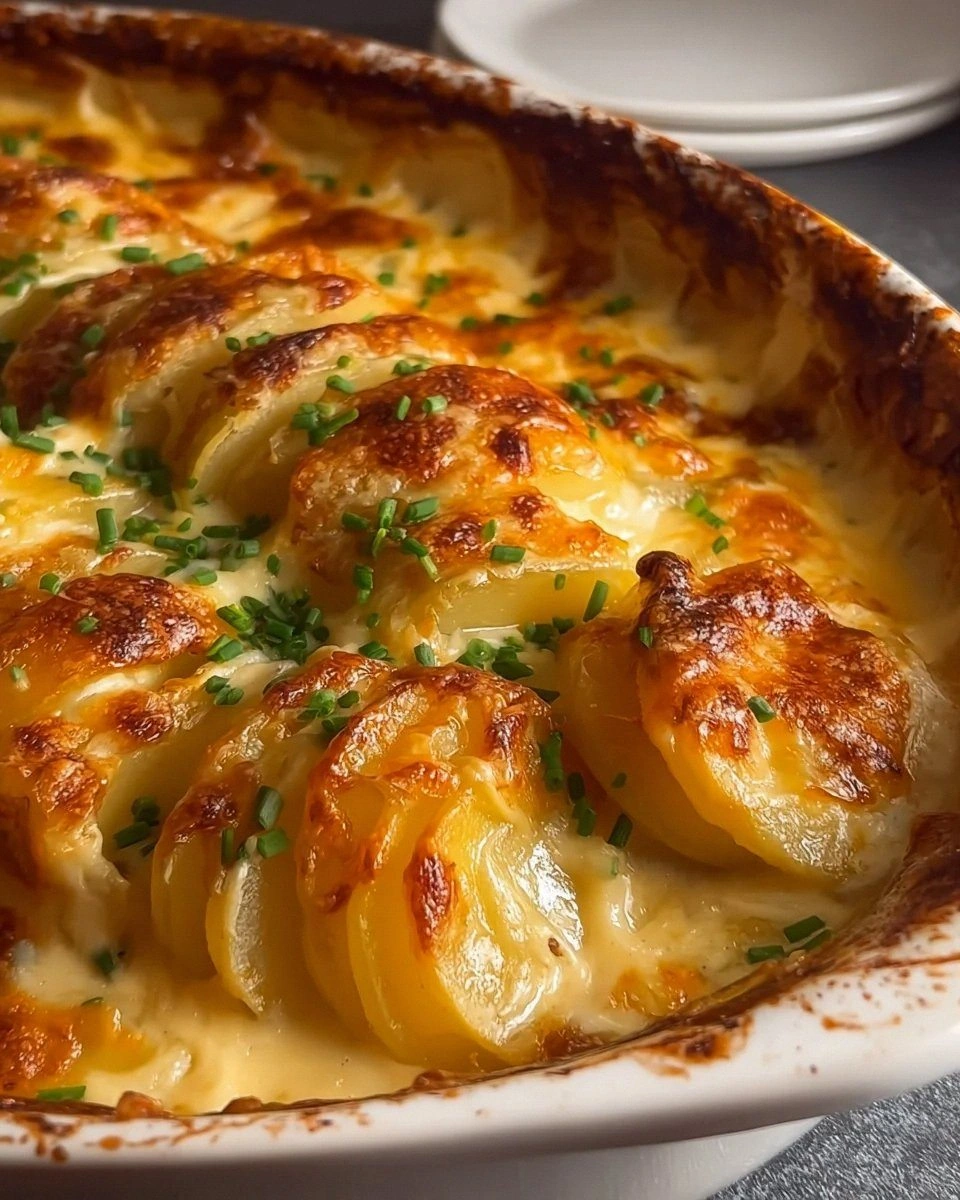
I still remember the first time my dad pulled his bubbling tray of au gratin potatoes from the oven. I was twelve, perpetually starving, and convinced that anything labeled "au gratin" was code for "fancy food that tastes like cardboard." The smell alone rewired my brain—garlic, butter, and something nutty-sweet curling through the air like a tractor beam. The top looked like a golden landscape of tiny cheese volcanoes, crusty and blistered, with creamy lava bubbling up through the fissures. One bite and I performed the kind of involuntary happy dance that only preteens can nail without shame. That night I went back for thirds, then snuck cold squares from the fridge at 2 a.m., standing in my pajamas, fork glowing under the pale bulb like contraband treasure.
Fast-forward two decades and I’ve chased that memory through countless restaurant versions, pot-luck trays, and well-meaning cookbooks, only to be met with watery potatoes, grainy sauce, or—worse—something that tasted like a cardboard cousin twice removed. Most recipes get the fundamentals hilariously wrong: they under-season every layer, use one lonely cheese, or bake at a timid temperature that turns the dish into a steamy, curdled mess. I’m looking at you, "30-minute au gratins"—you can’t rush chemistry and you definitely can’t rush comfort. After a decade of tinkering, I finally cracked the code my dad never wrote down because, well, he cooked by instinct and a shot of Tabasco. Now I’m putting it all on the record so you can sidestep every rubbery, bland pitfall.
This version is pure nostalgia wrapped in dairy royalty: paper-thin potatoes that stay al dente, a two-cheese Mornay that clings like silk, and a crunchy breadcrumb umbrella that shatters like thin ice under your fork. It’s the side dish that elbows the main course off the plate, the casserole that gets demolished at funerals, football parties, and fancy date nights alike. Picture yourself pulling this out of the oven, the whole kitchen smelling like you’ve been personally kissed by a Parisian grandmother while a violin plays softly in the background. If you’ve ever struggled with soupy layers, burnt edges, or potatoes that still crunch like apples, you’re not alone—and I’ve got the fix.
Let me walk you through every single step—by the end, you’ll wonder how you ever made it any other way.
What Makes This Version Stand Out
Before we roll up sleeves, let’s shine a spotlight on the upgrades that make this the Beyoncé of potato casseroles—flawless, crowd-stealing, and impossible to ignore.
- Double-Cheese Melt Factor: Sharp white cheddar brings tangy depth, while Gruyère adds nutty, almost wine-like complexity. Together they melt at different rates, creating strata of gooey and stretchy without that string-cheese rubber band effect.
- Velvet-Coat Roux: We cook the butter and flour just until it smells like toasted hazelnuts, then whisk in warm—not cold—milk so the sauce thickens in one confident whoosh instead of sulking in lumps.
- Mandoline Precision: Uniform ⅛-inch slices guarantee every potato cooks at the same rate, eliminating half-crunchy disasters. If you’ve ever bitten into a gratin that feels like edible Jenga, you know why this matters.
- Infused Garlic Butter Bath: Instead of raw garlic that can scorch, we poach smashed cloves in butter for five minutes, mellowing the bite and leaving behind a gentle perfume that permeates every layer.
- Two-Stage Bake: Covered steam at 375°F cooks the potatoes through, then a 425°F uncovered blast browns the top into a leopard-spotted lid of crunch. Most recipes pick one temp and live with limp or burnt consequences.
- Make-Ahead Magic: Assemble the whole tray, press plastic wrap directly on the surface, and refrigerate up to 24 hours. Bake straight from cold, adding ten extra minutes. Perfect for holiday sanity or Sunday dinner with zero weeknight fuss.
Alright, let’s break down exactly what goes into this masterpiece...
Inside the Ingredient List
Great au gratin potatoes read like a short story: humble spuds, supporting aromatics, and a cheese duo worthy of its own buddy comedy. Below I’ve grouped the cast so you know who does what and why skipping even a bit player lands you in flavor limbo.
The Flavor Base
Russet Potatoes – The fluffy starch queen. Russets drink up sauce without collapsing, giving you defined slices that still hold together like edible dominoes. Waxy reds or Yukon Golds stay too firm and can taste waxy in a bad way, like someone slipped a candle into dinner.
Butter & Flour – The roux dream team. Equal parts by weight, they form a thickening net that prevents the sauce from weeping into a grainy puddle. Don’t eyeball the ratio; too much flour tastes like library paste, too little butter leaks orange oil at the edges.
Whole Milk – Velvet in liquid form. Anything leaner and you’ll chase richness forever; anything fattier and the sauce can split under oven heat. Warm it gently so it joins the roux seamlessly, like old friends hugging at a reunion.
The Texture Crew
Sharp White Cheddar – Aged at least twelve months, it delivers that tangy slap that keeps the dish from feeling like nursery food. Yellow cheddar works, but white melts smoother and won’t tint your sauce into fake-mac-and-cheese neon.
Gruyère – Nutty, slightly fruity, and the Picasso of meltability. It stretches into glossy sheets that shimmy between potato layers. In a pinch, Swiss or Comté can tag-team, but you’ll lose that subtle alpine sweetness.
Heavy Cream (a mere splash) – Insurance policy. A quarter cup lifts the fat content enough to stabilize the sauce under high heat, preventing that heartbreaking curdle when you reheat leftovers.
The Unexpected Star
Nutmeg – Just a whisper. It amplifies dairy the way vanilla highlights chocolate. Too much and Grandma’s perfume shop barges in; too little and the cheeses taste one-dimensional. Fresh-grated is a game-changer, but pre-ground works if you keep it under six months old.
The Final Flourish
Panko & Parmesan Hat – Butter-toasted panko tossed with micro-planed Parm creates brittle, golden shards that contrast the creamy interior. Skip this and you’re basically serving potato soup in a tuxedo without the bowtie.
Everything’s prepped? Good. Let's get into the real action...
The Method — Step by Step
- Prep & Preheat: Set your oven rack to the lower-middle position and preheat to 375°F. Liberally butter a 9×13-inch ceramic or glass baking dish; metal pans can scorch the bottom. Peel the potatoes and slice them lengthwise into ⅛-inch planks using a mandoline or the side of your box grater that nobody remembers exists. Submerge the slices in a bowl of cold salted water for ten minutes to pull out excess starch—this prevents the sauce from turning into kindergarten glue. Drain and lay the slices on a clean kitchen towel, patting them bone-dry so they don’t waterlog your precious Mornay later.
- Build the Garlic Butter: In a small saucepan, melt 4 Tbsp butter over medium-low heat. Add 3 smashed garlic cloves and swirl for about five minutes; you’re looking for tiny champagne bubbles and a mellow, sweet perfume. The garlic should tan, not bronze—if it darkens, start over or your sauce will carry bitter bite that no amount of cheese can hide. Once fragrant, fish out the cloves and save them for your next batch of garlic bread. Congratulations, you just laid the aromatic groundwork of legends.
- Roux Magic: Sprinkle in ¼ cup all-purpose flour and whisk constantly for two full minutes. The mixture will puff and relax into a pale almond paste that smells like toasted hazelnuts and Sunday mornings. Keep the heat gentle; too hot and the flour burns, too cool and it tastes like raw dough. This is the moment of truth where flavor and thickening power get sealed under your command.
- Milk & Cream Cascade: Slowly pour in 2 cups warm whole milk and ¼ cup heavy cream while whisking like you’re beating the final boss in a video game. Within three minutes the sauce will thicken enough to coat the back of a spoon and hold a sultry line when you drag your finger. Season with 1 tsp kosher salt, ½ tsp black pepper, and a micro-grating of fresh nutmeg—about five passes of the grater. Remove from heat and immediately add 1½ cups shredded sharp white cheddar and 1 cup shredded Gruyère, handful by handful, whisking until each addition melts into glossy lava.
- Layering Ceremony: Arrange one-third of the potato slices in overlapping shingles along the bottom of the buttered dish. Ladle over just enough sauce to blanket them—think cozy quilt, not kiddie pool. Repeat twice more, finishing with a generous crown of sauce. Press the layers gently with a spatula to expel air pockets, because nobody wants a bite that’s 90% steam. Reserve the last half-cup of sauce for later touch-ups.
- Crunch Top Assembly: In a small skillet, melt 1 Tbsp butter and toss in ¾ cup panko breadcrumbs until golden, about two minutes. Off heat, fold in ¼ cup micro-planed Parmesan, a pinch of smoked paprika for subtle campfire vibes, and a drizzle of olive oil for extra bronze. Sprinkle this gravel of the gods evenly over the casserole; it will form a wafer-thin roof that shatters under fork pressure.
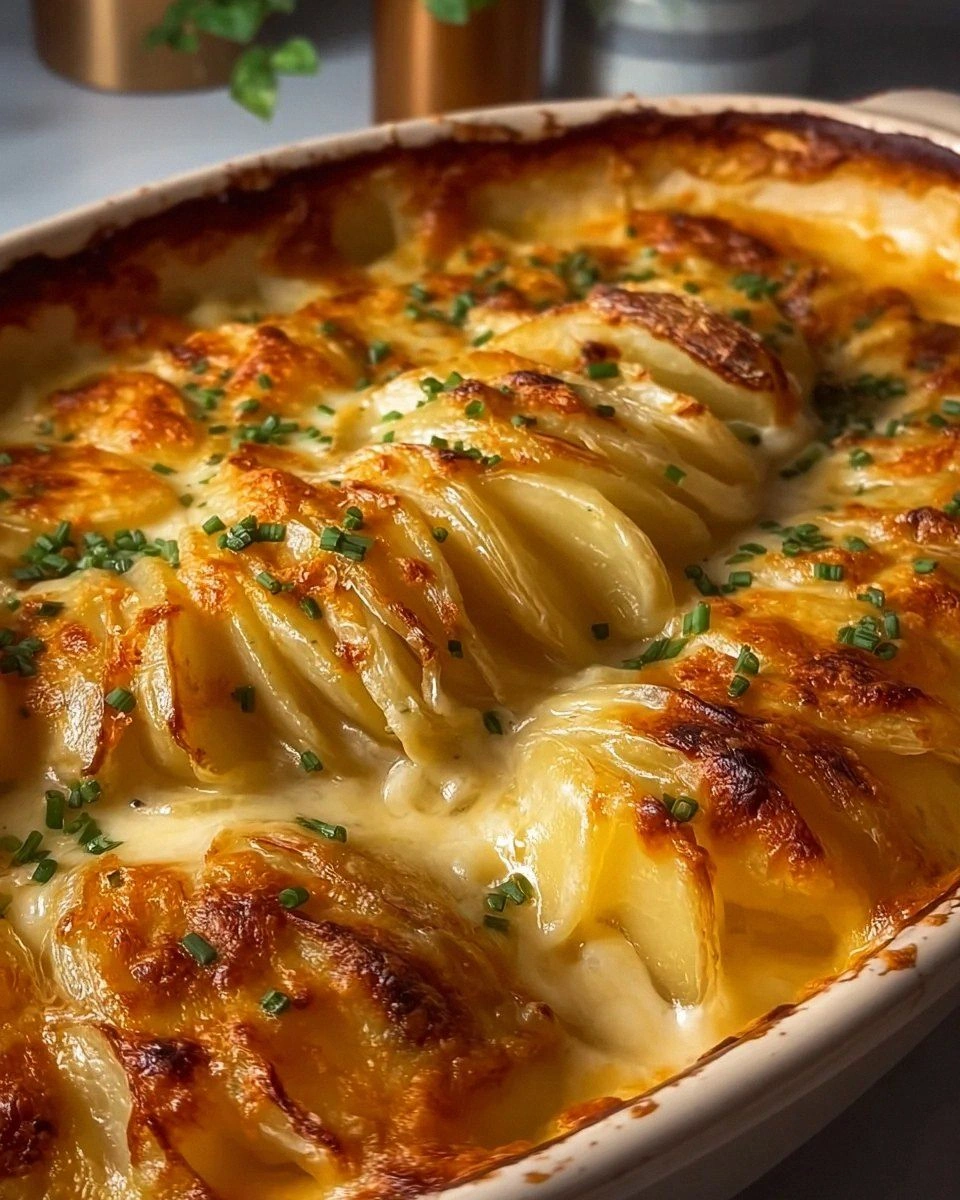
- Two-Temp Bake: Cover tightly with foil and bake on the lower rack for 35 minutes. The covered steam bath cooks the potatoes through without evaporating your sauce into a Sahara. Remove the foil, crank the oven to 425°F, and bake another 12-15 minutes until the top is leopard-spotted and the edges are wearing crispy cheese wristbands. Don’t walk away during the finale; broilers are sneaky pyromaniacs.
- The Sacred Rest: Let the gratin sit for ten minutes before serving. I know, the aroma is conducting a choir of hungry stomach growls, but resting allows the sauce to tighten so your servings hold their shape instead of slumping into cheesy soup. Garnish with a snowfall of fresh chives or thyme leaves for color and a high-five of green freshness.
- Taste & Adjust: Sneak a corner piece (chef’s privilege) and decide if you crave more salt, a crack of pepper, or a squeeze of lemon to brighten the richness. Every cheese and potato brand carries different salt levels; trust your palate over my typed numbers. Serve alongside roast chicken, seared steaks, or a giant pile of sautéed greens that justify this much dairy in one sitting.
That's it—you did it. But hold on, I've got a few more tricks that'll take this to another level...
Insider Tricks for Flawless Results
Even seasoned cooks hit speed bumps: curdled sauce, uneven seasoning, or the dreaded swimming pool at the bottom. Here’s how to dodge those landmines with swagger.
The Temperature Rule Nobody Follows
Room-temp dairy blends best. Pull your milk and cream from the fridge 20 minutes early or zap them for 45 seconds. A friend tried skipping this step once and texted me a photo of greasy polka dots floating in her sauce—let’s just say it didn’t end well for date night. Warm liquid marries the roux seamlessly, preventing the flour from seizing into tiny dumplings that no whisk can defeat.
Why Your Nose Knows Best
When the roux smells like toasted hazelnuts and your eyes want to close involuntarily, you’ve nailed the flour cook-out. Color should be blonde, not brown. If you’re unsure, lower the heat and give it another 30 seconds. Better to delay than to serve a gratin that tastes like a paper bag.
Slice Uniformity = Religious Doctrine
A mandoline set to ⅛ inch is your passport to even cooking. Hand-cutting inevitably yields thick-and-thin rebels that finish at different times. I keep a cut-resistant glove in my drawer because nothing derails dinner like a fingertip in the mix. Uniform slices also stack like potato shingles, giving you Instagram-worthy layers instead of a jumbled potato Jenga tower.
The 5-Minute Rest That Changes Everything
Resting lets starch molecules swell and trap the sauce. Cut too soon and molten cheese cascades out, leaving naked potatoes gasping for moisture. Ten minutes also drops the temp from tongue-scorching lava to pleasantly creamy. Use the downtime to pour wine or brag on social media—your followers can wait; the gratin cannot.
Creative Twists and Variations
This recipe is a playground. Here are some of my favorite ways to switch things up:
Smoky Bacon & Jalapeño Rodeo
Fold in ½ cup crumbled crispy bacon and 1 Tbsp minced pickled jalapeños between the layers. Swap half the Gruyère for smoked gouda. The result is campfire meets comfort, with a gentle kick that sneaks up like a spicy plot twist.
Herbaceous Spring Fling
Add 2 Tbsp each chopped tarragon and chervil to the sauce, plus a handful of blanched asparagus tips tucked in the middle layer. It tastes like Easter brunch at a French countryside inn, minus the passport stamp.
Truffle & Mushroom Luxe
Sauté 8 oz sliced cremini mushrooms in truffle-infused butter until golden. Layer them in with the potatoes and finish the top with a whisper of white truffle oil. Expensive? Yes. Worth canceling your Friday plans? Absolutely.
Seafood Gratin Deluxe
For a coastal vibe, fold in 8 oz poached shrimp or lobster chunks during the final layering. Use comté instead of cheddar and add a pinch of Old Bay. It’s like a cozy chowder got promoted to black-tie status.
Buffalo Cauli Remix
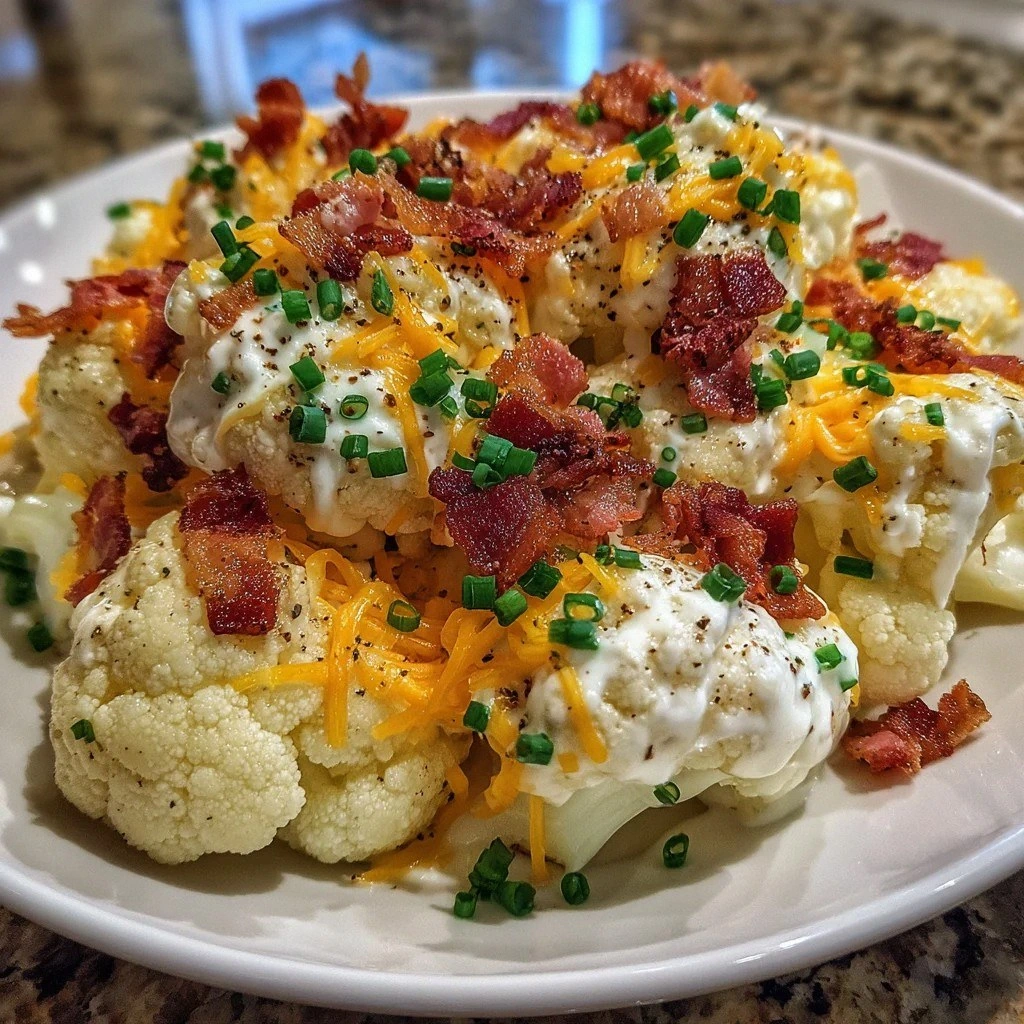
Substitute half the potatoes with ⅛-inch cauliflower slices. Drizzle each layer with a teaspoon of buffalo hot sauce and use crumbled blue cheese in the topping. You’ll trick vegetarians and carnivores into sharing the same pan.
Breakfast-for-Dinner Hash Gratin
Add a layer of diced ham and swap the Gruyère for pepper jack. Crack four eggs onto the surface during the last 8 minutes of baking for runny yolk magic. One dish, all the breakfast vibes, zero pancake flipping required.
Storing and Bringing It Back to Life
Fridge Storage
Cool completely, then cut into squares and transfer to airtight glass containers. The cheese aroma is glorious but will infiltrate last night’s cheesecake if you use permeable plastic. Keeps up to four days, though I’ve never witnessed such restraint in my own house.
Freezer Friendly
Wrap individual portions in plastic wrap, then foil, and freeze up to two months. Thaw overnight in the fridge before reheating. The texture won’t be quite as velvety, but it beats store-bought frozen mac and cheese by a country mile.
Best Reheating Method
Add a tiny splash of water to the dish, cover with foil, and warm at 325°F for 20 minutes. The water steams the sauce back to life without drying the edges. For the final three minutes, pop it under the broiler to revive the crunch top. Microwaves work in a pinch, but you’ll sacrifice texture for speed—choose wisely.