I was standing in my kitchen, half‑asleep, a half‑finished batch of vanilla pudding cooling on the counter, when the neighbor knocked and dared me to turn my boring dessert into something that would make her cat purr. I laughed, grabbed the nearest Earl Grey tea bag, and thought, “What if I could infuse that classic bergamot perfume into a silky, melt‑in‑your‑mouth panna cotta?” The moment the tea leaves hit the warm milk, the whole room filled with a perfume that reminded me of London fog, freshly printed newspapers, and a hint of citrus that made my stomach do a little happy dance. I could hear the soft clink of the gelatin sheets soaking in cold water, the gentle hiss of the cream as it met the simmering milk, and the faint sigh of the sugar dissolving like a secret whispered between old friends.
The first spoonful was an epiphany: the texture was as smooth as satin, the flavor as nuanced as a well‑crafted perfume, and the aftertaste lingered like the last note of a favorite song. I’ve tried countless panna cotta recipes—some too firm, some too watery, some that completely missed the tea’s bright edge. Most of those versions get the balance wrong, either drowning the tea in dairy or leaving the gelatin clumpy like cheap Jell‑O. This version, however, hits the sweet spot with a delicate dance between the creamy dairy base and the aromatic tea, all held together by a whisper of gelatin that gives just enough bite without turning the whole thing into a rubbery surprise.
What truly sets this rendition apart is a tiny but mighty technique: I bloom the gelatin in a separate bowl of cold water, then gently whisk it into a milk‑cream mixture that’s been steeped with loose‑leaf Earl Grey for exactly twelve minutes. That precise steeping time extracts the essential oils without turning the liquid bitter, and the gelatin integrates perfectly, creating a custard‑like firmness that still wobbles like a perfect jelly when you tap the side of the ramekin. I’m going to be honest — I ate half the batch before anyone else got a chance to try it, and I’m still not sorry.
If you’ve ever struggled with a panna cotta that either collapses or turns into a solid brick, you’re not alone — and I’ve got the fix. Picture yourself pulling these elegant little jars out of the fridge, the whole kitchen smelling like a high‑end tea lounge, and serving them to friends who gasp at the silky texture and the subtle citrus‑bergamot kiss. I dare you to taste this and not go back for seconds. Okay, ready for the game‑changer? Let me walk you through every single step — by the end, you’ll wonder how you ever made it any other way.
What Makes This Version Stand Out
- Flavor: The bergamot from Earl Grey is perfectly balanced with the sweetness of sugar, giving a sophisticated taste that feels both familiar and exotic.
- Texture: A silk‑smooth mouthfeel that wobbles just enough to be impressive yet holds its shape when unmolded.
- Simplicity: Only six pantry staples plus tea; no fancy gadgets or hard‑to‑find ingredients.
- Uniqueness: The tea infusion step is the secret that most recipes skip, resulting in a flat flavor profile.
- Crowd Reaction: Guests often ask for the recipe twice, and the “wow” factor is off the charts.
- Ingredient Quality: Using whole milk and heavy cream gives richness that low‑fat alternatives can’t match.
- Cooking Method: Gentle simmer and precise gelatin incorporation avoid grainy or rubbery outcomes.
- Make‑Ahead Potential: This dessert can be prepared a day ahead, allowing flavors to deepen while you relax.
Inside the Ingredient List
The Flavor Base
Whole milk is the canvas for this dessert. Its natural sweetness and mild flavor let the Earl Grey shine without being overpowered. If you swap it for low‑fat milk, you’ll notice a thinner texture and a less luxurious mouthfeel. For the best result, choose a brand that’s not ultra‑pasteurized, as the latter can sometimes taste a bit cooked.
The Texture Crew
Heavy cream adds the buttery richness that makes panna cotta feel like a decadent treat. Skipping the cream or using a light version will leave the dessert feeling watery and under‑rich. If you’re dairy‑intolerant, try a 1:1 swap with coconut cream, but be aware that the coconut flavor will dominate the subtle bergamot notes.
The Sweetener
Granulated sugar is the sweet backbone. It dissolves cleanly into the warm milk‑cream mixture, ensuring no gritty texture. You could experiment with honey or maple syrup for a deeper flavor, but those liquids add extra moisture that may require a slight reduction in gelatin.
The Unexpected Star
Loose leaf Earl Grey tea is the hero. The loose leaves release essential oils more efficiently than tea bags, giving you that bright citrus‑bergamot aroma that defines the dish. If you only have bags, crush them lightly before steeping to mimic the leaf surface area. Pro tip: Choose a high‑quality blend with real bergamot oil for the most authentic flavor.
The Gelatin Glue
Gelatin sheets are the binding agent that gives panna cotta its signature wobble. Unlike powdered gelatin, sheets dissolve more evenly, reducing the risk of grainy spots. If you only have powdered gelatin, use one teaspoon per sheet, but be diligent about whisking to avoid lumps. Skipping gelatin altogether will result in a soupy dessert that can’t hold its shape.
Everything's prepped? Good. Let's get into the real action...
The Method — Step by Step
Start by gathering your gelatin sheets and placing them in a bowl of cold water. Let them soak for about five minutes until they’re soft and pliable. While they’re blooming, I like to set a timer for the tea steeping so I don’t lose track. Pro tip: The water should be just cold enough to keep the gelatin from starting to melt.
Kitchen Hack: Pat the softened gelatin sheets dry with a paper towel before adding them to the hot mixture; this prevents excess water from diluting the custard.In a medium saucepan, combine the whole milk, heavy cream, and granulated sugar. Warm the mixture over medium heat, stirring constantly until the sugar fully dissolves. You’ll notice the liquid turning a gentle, glossy sheen—this is the first sign that you’re on the right track. Once the sugar is dissolved, remove the pan from heat.
Now, add the loose‑leaf Earl Grey tea. Sprinkle the tea leaves directly into the warm milk‑cream mixture and let them steep for exactly twelve minutes. During this time, the kitchen will be filled with that unmistakable bergamot perfume, and you’ll hear a faint, comforting sigh as the tea releases its oils. After twelve minutes, strain the mixture through a fine‑mesh sieve to remove the leaves, pressing gently to extract every drop of flavor.
Watch Out: If you over‑steep the tea, it can become bitter, ruining the delicate balance of the dessert.Return the strained liquid to the saucepan and re‑heat gently to about 85°C (185°F). This is hot enough to dissolve the gelatin without scorching the milk. Use a candy thermometer if you have one; otherwise, look for tiny bubbles forming around the edges, but do not let it boil.
Take the softened gelatin sheets, squeeze out excess water, and crumble them into the hot tea‑infused milk. Whisk vigorously until the gelatin is completely dissolved, creating a glossy, uniform mixture. You’ll notice the liquid becoming slightly thicker—this is the gelatin doing its magic.
Stir in the vanilla extract, which adds a subtle depth that rounds out the bergamot’s sharpness. At this point, taste the custard; it should be sweet but not cloying, with a fragrant tea note that makes your nose smile.
Now comes the fun part: pouring. Divide the mixture evenly among four ramekins or small glasses. I like to use a ladle for precision, but a small measuring cup works just as well. The liquid should flow like liquid silk, coating the sides of the containers as you pour.
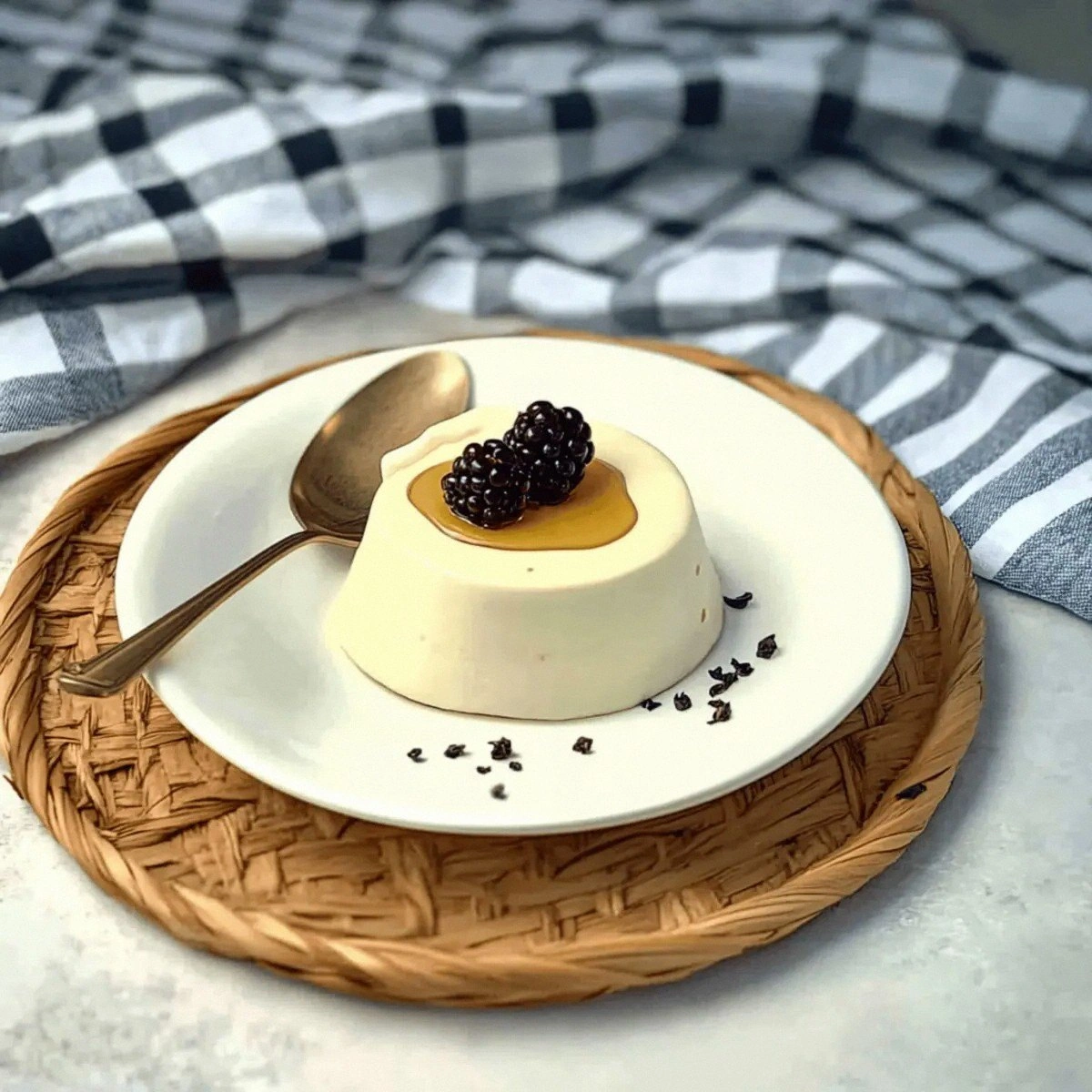
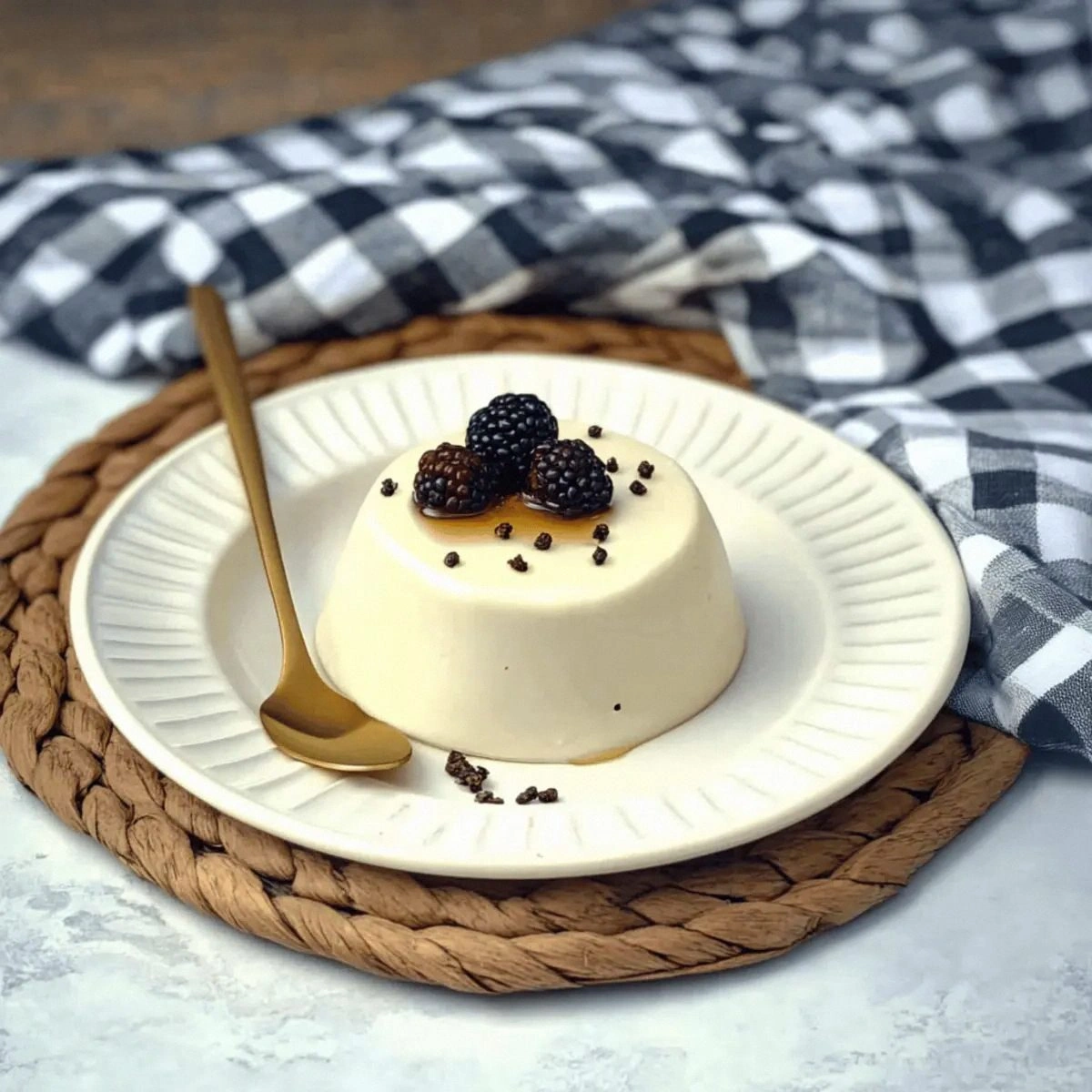
Kitchen Hack: Place a sheet of parchment paper on a baking sheet and set your ramekins on it; this makes transferring them to the fridge a breeze.Cover each ramekin with plastic wrap and refrigerate for at least four hours, preferably overnight. The panna cotta will set into a firm yet wobbly custard that holds its shape when unmolded. When you’re ready to serve, dip the bottom of each ramekin in warm water for a few seconds, then invert onto a dessert plate. The surface should glide out like a glossy mirror, revealing a perfect dome.
Finish with a garnish of fresh berries, a drizzle of honey, or a dusting of powdered sugar—whatever tickles your fancy. The tartness of berries pairs beautifully with the bergamot, while honey adds a floral sweetness that echoes the tea’s origins. And there you have it: a dessert that looks as elegant as it tastes.
That's it — you did it. But hold on, I've got a few more tricks that'll take this to another level. Stay with me here — this is worth it.
Insider Tricks for Flawless Results
The Temperature Rule Nobody Follows
Never let the milk‑cream mixture boil. Boiling denatures the proteins, causing a grainy texture that no amount of gelatin can fix. Keep the temperature just shy of a rolling boil—around 85°C—and you’ll preserve that velvety mouthfeel. A friend once rushed this step and ended up with a curdled mess; lesson learned: patience is the secret ingredient.
Why Your Nose Knows Best
Your sense of smell is a reliable gauge for the tea’s strength. When the aroma hits a bright, citrusy peak, you know the infusion is perfect. If the scent starts to smell a bit astringent, you’ve over‑steeped. Trust your nose more than the clock if you notice a shift.
The 5‑Minute Rest That Changes Everything
After whisking the gelatin in, let the mixture sit for five minutes before pouring. This short rest allows tiny air bubbles to rise, ensuring a smoother surface when you unmold. Skipping this pause can leave you with unsightly speckles that look like a bad watercolor painting.
Gelatin Sheet vs. Powder Showdown
If you’re forced to use powdered gelatin, dissolve it in a small amount of hot water first, then whisk it in. The sheet form dissolves more evenly, but powder can work if you’re careful. I’ve tried both, and the sheet version consistently yields a cleaner set.
The Unseen Power of Vanilla
A splash of vanilla extract does more than add flavor; it rounds off the sharp bergamot, creating a harmonious finish. Use a high‑quality pure extract; imitation vanilla can clash with the tea’s delicate notes. I once used an artificial vanilla and the whole dessert tasted flat—never again.
Creative Twists and Variations
This recipe is a playground. Here are some of my favorite ways to switch things up:
Lavender Dream
Swap half of the Earl Grey for culinary lavender buds. The floral notes add a dreamy, calming quality that pairs beautifully with a drizzle of honey. Perfect for a late‑afternoon tea party.
Citrus Burst
Add a teaspoon of freshly grated orange zest to the milk‑cream mixture before steeping. The orange amplifies the bergamot’s citrusy edge, creating a bright, sunny finish that’s ideal for summer gatherings.
Chocolate Elegance
Melt 2 tablespoons of dark chocolate into the warm mixture after the tea is strained. The result is a mocha‑tinged panna cotta that feels like a sophisticated dessert bar.
Spiced Autumn
Introduce a pinch of ground cinnamon and a dash of nutmeg during the heating stage. The warm spices turn this into a cozy, fall‑ready treat that pairs well with caramel sauce.
Berry Infusion
Blend a handful of fresh raspberries into the mixture before pouring, then strain to keep the texture smooth. The berry‑infused version adds a subtle tartness that cuts through the creaminess, making it a perfect palate cleanser.
Storing and Bringing It Back to Life
Fridge Storage
Keep the panna cotta covered with plastic wrap for up to three days. The gelatin holds firm, but the surface may develop a thin skin; simply brush a tiny amount of milk over the top before serving to refresh the sheen.
Freezer Friendly
Yes, you can freeze it! Transfer each portion into an airtight container and freeze for up to one month. Thaw in the refrigerator overnight, then give it a gentle stir before serving. The texture remains silky if you don’t over‑freeze.
Best Reheating Method
When you need to warm a portion, place it in a saucepan over low heat and add a splash of water or milk—just enough to create steam. This prevents the custard from drying out and restores that melt‑in‑your‑mouth consistency. Avoid microwaving, as it can cause uneven heating and a rubbery texture.