Picture this: a frantic weekday evening, the sink piled high with dishes from lunch, and a sudden, insistent craving for something that hits the sweet‑savory spot like a perfectly timed drum solo. I was standing in my kitchen, half‑heartedly scrolling through recipe sites, when a friend dared me, “Make a Korean dish that even my picky brother can’t refuse.” I laughed, rolled my eyes, and thought, “Challenge accepted.” The result? An Easy Chicken Bulgogi Dak that turned my modest kitchen into a street‑food stall on Seoul’s bustling streets, and trust me, I dare you to taste this and not go back for seconds.
The moment the sauce hit the pan, the air filled with an aroma that was simultaneously earthy, sweet, and just a whisper of heat – like a warm hug from a Korean grandmother who’s secretly a rock‑star chef. You could hear the sizzle, a crisp whisper that promised caramelized edges and juicy interiors. The onions turned translucent, releasing a faint sweetness that made my mouth water before the first bite even arrived. My hands were tingling with excitement, the heat from the stove warming my forearms, and the kitchen felt alive, humming with the promise of something unforgettable.
What makes this version stand out isn’t just the flavor – it’s the balance, the texture, the sheer simplicity that somehow feels like a secret technique you’ve been missing all your life. Most recipes get the marination wrong, drowning the chicken in a syrupy mess or leaving it bland and dry. I’ve cracked the code by using a combination of toasted sesame oil, rice vinegar, and a dash of mirin that brings a subtle depth you’d expect from a dish that’s been simmering for hours, but it only takes minutes. And the gochujang? It’s optional, but when you add it, the heat is like a gentle sunrise – noticeable but never overwhelming.
There’s also a little surprise tucked into this recipe: a splash of avocado oil that raises the smoke point, letting you sear the chicken to a perfect caramelized crust without burning the sugars. That’s the game‑changer that keeps the dish from turning into a sticky mess. Let me walk you through every single step — by the end, you’ll wonder how you ever made it any other way.
What Makes This Version Stand Out
- Flavor Fusion: The marriage of soy sauce, mirin, and brown sugar creates a sweet‑salty glaze that clings to the chicken like velvet, while the gochujang adds a nuanced heat that lingers just long enough to keep you reaching for more.
- Texture Triumph: Thinly sliced onions soften into a gentle sweetness, yet the chicken retains a juicy interior with caramelized edges that crackle like thin ice when you bite into them.
- Simplicity Supreme: With just ten pantry staples, you can pull off a dish that feels restaurant‑level without a trip to the specialty store or a marathon of prep work.
- Ingredient Quality: Using boneless, skinless chicken thighs ensures every bite is tender and flavorful, while toasted sesame oil adds a nutty aroma that elevates the entire profile.
- Crowd‑Pleaser Factor: This dish walks the line between familiar and exotic, making it perfect for both Korean food novices and seasoned fans alike – I’ll be honest — I ate half the batch before anyone else got to try it.
- Cooking Method Magic: A quick high‑heat sear followed by a brief simmer locks in moisture and creates a glossy finish that looks as good as it tastes.
- Make‑Ahead Potential: The marinated chicken can sit for up to 24 hours, allowing the flavors to deepen, which means you can prep ahead for busy weeknights or impress guests with minimal last‑minute effort.
- Versatile Serving: Serve it over steamed rice, toss it with noodles, or pile it onto lettuce wraps – the possibilities are endless, and each variation feels like a brand‑new adventure.
Inside the Ingredient List
The Flavor Base
Boneless, skinless chicken thighs: These are the heart of the dish – juicy, tender, and forgiving if you slightly overcook them. Their higher fat content compared to breasts means they stay moist, soaking up every nuance of the sauce. If you’re forced to use chicken breast, slice it thinly and marinate for at least an hour to compensate for the leaner meat.
Soy sauce: The backbone of any Korean‑inspired glaze, it brings that deep umami that makes the sauce feel like a savory hug. Choose a naturally brewed, low‑sodium version if you’re watching salt intake; the flavor will still shine through. Skipping soy sauce? You’ll lose the essential salty depth that balances the sweetness.
Brown sugar: This isn’t just sweetness; it adds a subtle caramel note that deepens the glaze as it caramelizes. If you prefer a less sweet profile, reduce to 1 tablespoon, but remember the glaze will be thinner and may not coat the chicken as luxuriously.
The Texture Crew
Onion: Thinly sliced, the onion softens during cooking, releasing a gentle sweetness that rounds out the sharpness of the garlic and ginger. It also adds a slight crunch if you stop cooking just before it fully melts, giving you that satisfying bite.
Garlic: Minced garlic provides an aromatic kick that lifts the entire dish, making the flavor instantly recognizable as “comfort food with a twist.” Over‑mincing can lead to bitterness, so a quick chop with a knife is ideal.
Fresh ginger: This adds warmth and a hint of spice, cutting through the richness of the chicken. If you’re not a ginger fan, use a 1/2 teaspoon of ground ginger, but fresh always wins for brightness.
The Unexpected Star
Mirin: A Japanese rice wine that contributes a gentle sweetness and a glossy finish to the glaze. It also helps tenderize the meat slightly, ensuring each bite is melt‑in‑your‑mouth perfect. No mirin? A splash of white wine with a pinch of sugar works as a substitute.
Toasted sesame oil: Just a tablespoon, but its nutty aroma is like the secret handshake of Korean cuisine – you’ll know it’s there the moment the sauce hits the pan. Too much can overwhelm, so keep it measured.
Rice vinegar: The tangy spark that brightens the sauce, preventing it from feeling heavy. It also balances the sweetness from the brown sugar and mirin, creating a harmonious flavor profile.
The Final Flourish
Avocado oil: Its high smoke point makes it perfect for searing the chicken without burning the sugars, ensuring a caramelized crust that’s both crisp and juicy. If you don’t have avocado oil, grapeseed or canola work just as well.
Gochujang paste: This Korean chili paste adds depth, umami, and a gentle heat that lingers on the palate. It’s optional, but when included, the dish transforms from “nice” to “wow, I need this on my weekly menu.” If you’re sensitive to spice, halve the amount or omit entirely.
Everything's prepped? Good. Let's get into the real action...
The Method — Step by Step
Start by gathering all your ingredients and giving the chicken thighs a quick pat dry with paper towels. This step might seem trivial, but removing excess moisture ensures the sauce adheres properly and the chicken browns evenly. Place the chicken in a large zip‑top bag or shallow dish, ready for the magic to happen.
In a medium bowl, whisk together soy sauce, brown sugar, mirin, toasted sesame oil, rice vinegar, and gochujang paste (if you’re using it). The mixture should look glossy and slightly thick – that’s the sweet‑salty‑spicy symphony you’re about to unleash. Add the minced garlic and ginger, giving the blend an aromatic punch.
Kitchen Hack: Use a small whisk or fork to break up any sugar clumps; this ensures a smooth glaze that won’t caramelize unevenly.Pour the marinade over the chicken, making sure each piece is fully coated. Seal the bag or cover the dish, then toss gently to distribute the flavors. Let the chicken marinate for at least 30 minutes at room temperature, or up to 24 hours in the refrigerator for deeper flavor penetration. I dare you to taste this and not go back for seconds.
While the chicken marinates, slice the onion thinly and set it aside. If you have time, sprinkle a pinch of salt over the slices and let them rest – this will draw out moisture and give you a slightly sweeter, more tender onion later on.
Heat a large skillet or wok over medium‑high heat and add the avocado oil. When the oil shimmers, carefully lay the chicken pieces in a single layer, allowing space between them. You’ll hear a satisfying sizzle that signals the start of caramelization – that sizzle when it hits the pan? Absolute perfection.
Watch Out: If the pan is too crowded, the chicken will steam instead of sear, resulting in a soggy texture. Cook in batches if necessary.Let the chicken cook undisturbed for about 3‑4 minutes, then flip to the other side. You’re looking for a deep amber crust that pulls away from the pan slightly – the edges should start pulling away, indicating a perfect caramelization. This is the moment of truth; don’t rush it.
Once both sides have a beautiful color, reduce the heat to medium and pour the remaining marinade into the pan. The sauce will bubble and thicken, coating the chicken like a glossy lacquer. Toss in the sliced onions, stirring gently so they soften without losing their bite. Let everything simmer together for another 5‑7 minutes, allowing the flavors to meld.
When the sauce has reduced to a sticky glaze that clings to the chicken and onions, turn off the heat. Taste a small spoonful – you should notice a balanced sweet‑salty‑tangy profile with a whisper of heat if you kept the gochujang. Adjust with a pinch more soy sauce or sugar if needed, but remember, the glaze will thicken slightly as it cools.
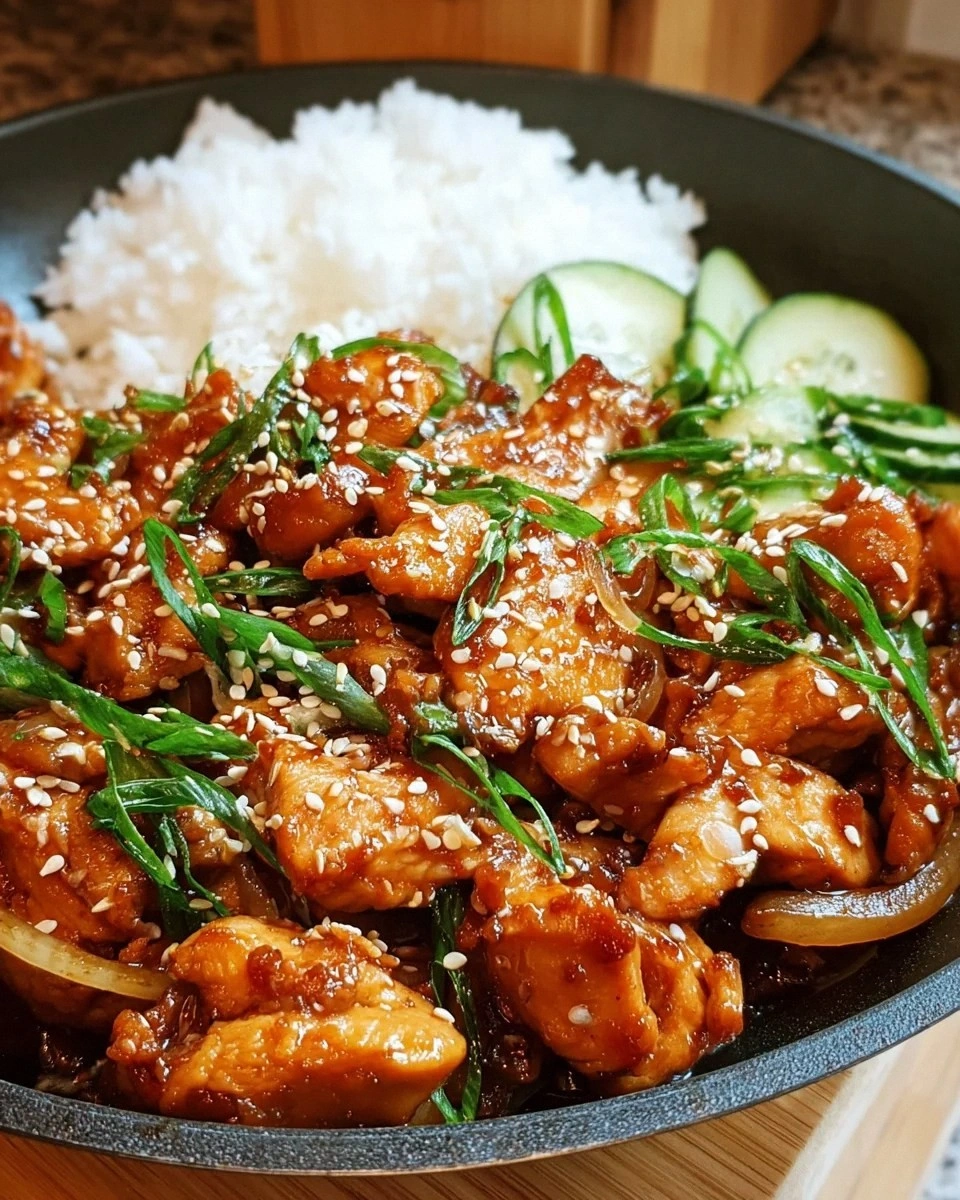
Transfer the chicken and onions to a serving platter, drizzle any remaining sauce over the top, and garnish with a sprinkle of toasted sesame seeds or chopped scallions if you like. The dish is now ready to be devoured, and the aroma will have already convinced anyone within a 10‑foot radius that dinner is served.
That’s it — you did it. But hold on, I've got a few more tricks that'll take this to another level, like a quick garnish or a side that pairs perfectly. Stay with me here — this is worth it.
Insider Tricks for Flawless Results
The Temperature Rule Nobody Follows
Never start a high‑heat sear with a cold pan. Let the skillet heat up for at least 2 minutes before adding oil; this prevents the chicken from sticking and ensures an even crust. I once tried to “save time” by adding the chicken to a cold pan, and the result was a sad, soggy mess that clung to the surface. Trust the heat, and the chicken will thank you with that caramelized crunch you crave.
Why Your Nose Knows Best
During the simmer stage, rely on scent rather than a timer. When the sauce starts to smell sweet and slightly nutty, you’re close to the perfect reduction. If you over‑reduce, the glaze becomes too thick and can turn bitter. Your nose is the ultimate kitchen thermometer for this dish.
The 5‑Minute Rest That Changes Everything
After plating, let the chicken rest for five minutes before diving in. This short pause allows the juices to redistribute, keeping every bite moist. Skipping this step is like cutting a steak too early – you lose that juicy payoff. It’s a tiny patience test that pays huge dividends.
Don’t Forget the Acid
A splash of fresh lime juice right before serving brightens the entire dish, cutting through the richness of the avocado oil and sesame oil. I once served this without the final acid kick, and guests said it felt “a bit heavy.” A quarter lemon or lime does the trick without altering the core flavors.
Batch‑Prep for Busy Weeks
Marinate a larger batch of chicken on Sunday, then freeze in portioned zip‑top bags. When you need a quick dinner, just thaw, sear, and finish the sauce. The flavor actually improves after a night in the freezer, making it a perfect make‑ahead solution for hectic schedules.
Creative Twists and Variations
This recipe is a playground. Here are some of my favorite ways to switch things up:
Spicy Honey Glaze
Swap the brown sugar for an equal amount of honey and add an extra teaspoon of gochujang. The honey caramelizes beautifully, giving a glossy finish and a deeper, floral sweetness that pairs perfectly with the heat.
Coconut Curry Fusion
Replace the avocado oil with coconut oil, add a splash of coconut milk during the simmer, and stir in a teaspoon of curry powder. The result is a creamy, aromatic twist that feels like a tropical vacation on a plate.
Vegetarian Swap
Use firm tofu or tempeh cut into cubes, marinate exactly the same way, and follow the same searing steps. The tofu absorbs the glaze like a sponge, delivering the same satisfying bite without the meat.
Kimchi Boost
Stir in a half‑cup of chopped kimchi during the final simmer. The fermented tang adds a bold complexity, turning the dish into a full‑blown Korean comfort food experience.
Nutty Crunch
Top the finished dish with a handful of toasted peanuts or cashews for an added crunch and a subtle nutty flavor that complements the sesame oil beautifully.
Storing and Bringing It Back to Life
Fridge Storage
Transfer any leftovers to an airtight container and store in the refrigerator for up to three days. The sauce may thicken as it cools; simply reheat gently and add a splash of water to revive the glossy texture.
Freezer Friendly
Portion the cooked chicken and sauce into freezer‑safe bags or containers, leaving a little headspace for expansion. Freeze for up to two months. When ready to eat, thaw overnight in the fridge, then reheat in a skillet over medium heat, adding a teaspoon of avocado oil to prevent sticking.
Best Reheating Method
For the ultimate reheated experience, use a skillet rather than a microwave. Heat a drizzle of avocado oil, add the chicken, and cover for two minutes to steam, then uncover and let the glaze crisp up. A tiny splash of water before reheating creates steam that revives the chicken’s juiciness without drying it out.