I was standing in my kitchen, staring down a pan of burnt garlic that had turned my whole apartment into a smoke‑filled sauna, when a friend dared me to make the ultimate comfort food for our movie night. I accepted, but not before promising that if I survived the smoke alarm, the dish would be nothing short of legendary. Fast forward three hours, a bubbling masterpiece later, and I can honestly say I ate half the batch before anyone else even got a sniff. I’m not bragging—okay, maybe a little—but this lasagna is hands down the best version you’ll ever make at home, and I’m about to spill every secret that makes it sing.
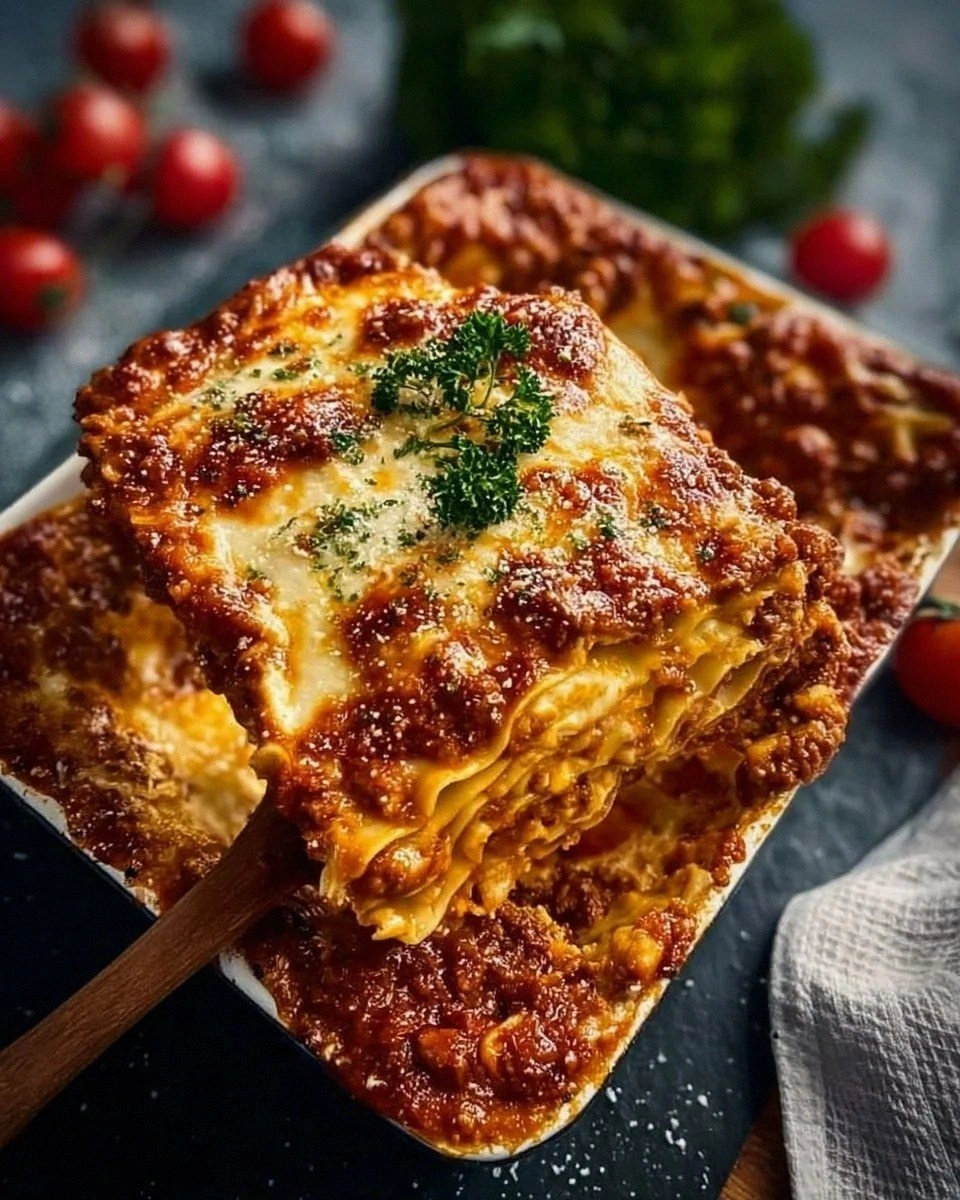
Picture this: the kitchen humming with the low roar of the oven, the air thick with the sweet perfume of simmering tomatoes, and a golden crust forming on top that shatters like thin ice when you cut into it. The layers of pasta are tender yet firm, the ricotta is buttery smooth, and the mozzarella strings stretch like a lazy cat waking from a nap. Every bite is a symphony—first the tangy sauce, then the creamy cheese, and finally the subtle crunch of caramelized edges that make you gasp in delight. If you’ve ever struggled with soggy noodles or a watery center, you’re not alone, and I’ve got the fix that will change your lasagna game forever.
Most recipes get the sauce-to-noodle ratio completely wrong, leaving you with a soggy mess that feels more like a casserole than a true lasagna. The trick here is a two‑step sauce that builds flavor layers, and a quick‑boil technique for the noodles that keeps them al‑dente without any wasteful over‑cooking. And the cheese blend? I’m using a trio that balances richness, stretch, and a salty bite, plus a secret addition that adds a buttery depth you won’t find in any boxed mix. I dare you to taste this and not go back for seconds.
But wait—there’s a twist. I’m throwing in a splash of fresh basil at the very end, not just for color but for that bright, peppery pop that lifts the whole dish. This tiny herb is the game‑changer that makes the sauce feel like it was simmered for hours, even though it only takes minutes. Okay, ready for the game‑changer? Let me walk you through every single step — by the end, you’ll wonder how you ever made it any other way.
What Makes This Version Stand Out
- Flavor Explosion: The sauce is built in two stages—first a quick sauté of aromatics, then a slow simmer with a splash of red wine that adds depth you’d expect from a Sunday‑best Italian restaurant.
- Texture Harmony: By pre‑cooking the noodles just until they’re flexible, you avoid the dreaded mushy center while still getting that satisfying bite.
- Simplicity Meets Sophistication: Only a handful of pantry staples are needed, yet each ingredient is treated like a star, making the process feel both easy and elegant.
- Unique Cheese Trio: Ricotta for creaminess, mozzarella for melt, and Parmesan for a sharp, nutty finish—together they create layers of flavor that dance on your palate.
- Crowd‑Pleaser Factor: Even the pickiest eaters can’t resist the golden, bubbly top; it’s the kind of dish that turns skeptics into lifelong fans.
- Ingredient Quality: Fresh basil and high‑quality ground meat elevate the dish from “good” to “extraordinary” without any fancy techniques.
- Cooking Method: The oven’s high heat creates caramelized edges that crackle like fireworks, while the interior stays moist and luscious.
- Make‑Ahead Potential: Assemble the night before, refrigerate, and pop it in the oven for a stress‑free dinner—perfect for busy weekdays.
Inside the Ingredient List
The Flavor Base
Ground beef or chicken is the backbone of our sauce, providing a savory depth that tomato alone can’t achieve. I prefer 80/20 ground beef for its perfect balance of meat and fat, but lean chicken works beautifully for a lighter version. If you skip the meat, you’ll lose that umami punch, turning the dish into a simple pasta bake rather than a true lasagna. Pro tip: choose meat that’s freshly ground and has a bright red color—this indicates it’s still full of flavor.
Marinara sauce is the soul of the dish, and using a good quality jarred sauce can save time while still delivering robust flavor. Look for sauces with no added sugars or artificial preservatives; a simple blend of crushed tomatoes, garlic, and herbs works best. If you’re feeling adventurous, replace half the jarred sauce with a quick homemade blend of canned San Marzano tomatoes, a splash of red wine, and a pinch of sugar to balance acidity.
The Texture Crew
Ricotta cheese brings that silky, almost buttery texture that makes each forkful feel luxurious. The 15‑ounce container is perfect for a four‑serving lasagna, giving you enough to spread generously without making the dish overly heavy. If you’re lactose‑intolerant, you can swap ricotta for a blend of cottage cheese and a tablespoon of Greek yogurt for similar creaminess.
Shredded mozzarella is the melt‑master, creating those glorious stringy pulls that make everyone say “wow” when you lift a slice. Opt for low‑moisture mozzarella; it browns beautifully and doesn’t water down the layers. For a sharper bite, mix in a handful of smoked mozzarella—the smoky notes will complement the basil beautifully.
Grated Parmesan adds a salty, nutty edge that cuts through the richness of the cheese trio. Freshly grated Parmigiano‑Reggiano is ideal; it melts into the sauce and forms that golden crust on top. If you’re on a budget, a good quality pre‑grated Parmesan will still do the trick, but avoid the finely powdered versions that can become gritty when baked.
The Unexpected Star
A large egg binds the ricotta mixture, preventing it from weeping and keeping the layers firm. It also adds a subtle richness that you’d otherwise miss. If you’re vegan, replace the egg with a tablespoon of chia seed gel (1 tbsp chia + 3 tbsp water, let sit 10 minutes) to achieve a similar binding effect.
Dried Italian seasoning is the shortcut to a complex herb profile—think oregano, thyme, rosemary, and a hint of sage—all in one sprinkle. It’s the secret that makes the sauce taste like it’s been simmering for hours. For a fresher twist, add a teaspoon of fresh chopped oregano right before the final bake.
The Final Flourish
Fresh basil leaves are the finishing touch, adding a bright, peppery pop that lifts the entire dish. Toss a handful of torn basil into the sauce just before the final bake, and you’ll hear a faint sizzle as the heat releases its aromatic oils. If you’re out of basil, fresh parsley or a sprinkle of dried oregano can provide a similar green note, though the flavor won’t be as pronounced.
Salt and pepper are the universal enhancers—don’t skimp on them. A pinch of sea salt in the sauce and a generous grind of black pepper at the end bring all the flavors into sharp focus. Remember, you can always add more later, but you can’t take it out once it’s in.
Everything’s prepped? Good. Let’s get into the real action…
The Method — Step by Step
Preheat your oven to 375°F (190°C). While the oven warms, set a large pot of salted water to a rolling boil. The moment the water bubbles, drop in the lasagna noodles and cook for just 5‑6 minutes—just until they’re pliable but still firm in the center. Drain, rinse under cold water, and lay them out on a sheet of parchment to prevent sticking. That quick dip is the secret that keeps them from turning into mush.
Heat a generous glug of olive oil in a heavy skillet over medium‑high heat. Add the ground beef (or chicken), breaking it up with a wooden spoon, and let it sizzle until it’s browned all over—about 6‑8 minutes. As the meat releases its juices, you’ll hear that satisfying crackle that signals flavor is building. Season with a pinch of salt, pepper, and the dried Italian seasoning, then stir in the minced garlic for the last minute.
Kitchen Hack: If you want extra depth, deglaze the pan with a splash of dry red wine after the meat is browned; let it reduce for 2 minutes before adding the sauce.Pour in the marinara sauce, stirring to combine with the meat. Reduce the heat to low and let the sauce simmer gently for 10‑12 minutes, uncovered. You’ll notice the sauce thickening and the aromas intensifying—this is the moment of truth for flavor development. Taste and adjust salt or pepper if needed; the sauce should taste robust, not bland.
While the sauce simmers, whisk together the ricotta, egg, a third of the grated Parmesan, and a pinch of salt in a large bowl. The egg acts as a binder, preventing the ricotta from weeping during baking. Fold in a handful of chopped fresh basil, letting its bright green flecks swirl through the creamy mixture.
Now for the assembly: Spread a thin layer of sauce on the bottom of a 9×13‑inch baking dish—just enough to keep the first noodle sheet from sticking. Lay 3‑4 noodles side by side, overlapping slightly. Spoon half of the ricotta mixture over the noodles, spreading it evenly. Sprinkle a generous handful of shredded mozzarella, then drizzle with more sauce. Repeat the layers—noodles, ricotta, mozzarella, sauce—once more, finishing with a final layer of noodles, the remaining sauce, and the rest of the mozzarella.
Watch Out: Don’t over‑sauce the layers; too much liquid will make the lasagna soggy and prevent the top from crisping.Scatter the remaining grated Parmesan evenly over the top. This will melt into a golden crust that shatters beautifully when you cut into it. For an extra touch of crunch, drizzle a teaspoon of olive oil over the cheese—this encourages caramelization.
Cover the dish tightly with aluminum foil and bake for 25 minutes. The foil traps steam, ensuring the noodles finish cooking and the cheese melts uniformly. After 25 minutes, remove the foil and continue baking for another 15‑20 minutes, or until the cheese is bubbling and the edges are pulling away from the pan, creating those crispy, caramelized borders that make you gasp.
Kitchen Hack: If you want a deeper brown on top, switch the oven to broil for the last 2 minutes—watch closely or it will burn.Once the lasagna is beautifully browned, pull it out of the oven and let it rest for 10‑12 minutes before slicing. This resting period lets the layers set, making each slice hold its shape and preventing the sauce from spilling everywhere. While you wait, the kitchen will be filled with an intoxicating aroma that practically begs you to dig in right away.
Serve each portion with a fresh basil leaf on top and a drizzle of extra‑virgin olive oil for that glossy finish. Pair with a crisp green salad and a glass of Chianti, and you’ve got a dinner that feels both home‑cooked and restaurant‑worthy. That’s it—you did it. But hold on, I’ve got a few more tricks that’ll take this to another level…
Insider Tricks for Flawless Results
The Temperature Rule Nobody Follows
Most home cooks bake lasagna at 350°F, but cranking the heat up to 375°F creates those coveted caramelized edges that crackle like fireworks. The higher temperature forces the cheese to brown quickly while the interior stays moist. If you’re worried about burning, just keep the foil on for the first 25 minutes—this shields the top while the heat does its magic underneath.
Why Your Nose Knows Best
Before you even look at the timer, trust your sense of smell. When the sauce starts to emit a sweet, slightly smoky aroma, you know the flavors have melded perfectly. Likewise, the moment the cheese begins to release a nutty, toasted scent, the lasagna is ready for the final uncovered bake. Your nose is a more reliable gauge than any kitchen gadget.
The 5‑Minute Rest That Changes Everything
Resting the lasagna after it comes out of the oven is non‑negotiable. Those 5‑10 minutes allow the steam to redistribute, firming up the layers so they don’t collapse when you cut. Skipping this step results in a sloppy slice that looks more like a sloppy joe than a structured, layered masterpiece.
Sauce Consistency Check
If your sauce looks too thin after simmering, stir in a tablespoon of tomato paste. This thickens it instantly and adds an umami boost. Conversely, if it’s too thick, a splash of low‑sodium chicken broth will loosen it without diluting flavor.
Noodle Prep Shortcut
If you’re short on time, you can use no‑boil lasagna noodles. Just make sure to add an extra ¼ cup of water to the sauce before assembling; the noodles will absorb the moisture as they bake, delivering the same tender texture without the boiling step.
Cheese Layering Secrets
Mix half of the mozzarella into the ricotta layer and reserve the other half for the top. This ensures that every bite has that gooey melt while the surface gets that golden, bubbly crust. A sprinkle of smoked mozzarella on the very top adds a subtle depth that most people miss.
Creative Twists and Variations
This recipe is a playground. Here are some of my favorite ways to switch things up:
Spinach‑Stuffed Delight
Sauté a bag of fresh spinach with a pinch of garlic, then fold it into the ricotta mixture. The green adds a pop of color and a mild earthiness that pairs beautifully with the tomato sauce. Perfect for picky kids who need a veggie boost.
Mushroom‑Lovers’ Dream
Add a cup of sliced cremini or portobello mushrooms to the meat sauce and let them caramelize. The umami from the mushrooms deepens the flavor profile, making the dish feel more rustic and hearty.
White Lasagna (Alfredo Version)
Swap the marinara for a creamy Alfredo sauce, use chicken instead of beef, and add a handful of grated nutmeg to the ricotta. The result is a velvety, indulgent lasagna that feels like a celebration.
Spicy Kick
Stir a teaspoon of crushed red pepper flakes into the meat sauce, and finish the top with a drizzle of hot honey. This sweet‑heat combo will have your guests reaching for extra slices.
Mediterranean Twist
Replace the ground meat with a mixture of crumbled feta, kalamata olives, and sun‑dried tomatoes. Add a sprinkle of oregano on top. This version transports you straight to a Greek taverna.
Storing and Bringing It Back to Life
Fridge Storage
Let the lasagna cool to room temperature, then cover tightly with plastic wrap or foil. Store in the refrigerator for up to 4 days. When reheating, sprinkle a tablespoon of water over the surface, cover with foil, and bake at 350°F for 20‑25 minutes until hot throughout.
Freezer Friendly
Assemble the lasagna, but don’t bake it. Wrap the dish tightly in a double layer of foil and then a freezer‑safe bag. It will keep for up to 3 months. To serve, thaw overnight in the fridge, then bake as directed, adding an extra 10 minutes to the uncovered phase.
Best Reheating Method
For a crisp top, reheat uncovered on a baking sheet at 375°F for 15 minutes, then broil for 2 minutes. Adding a splash of water before reheating creates a gentle steam that revives the noodles, while the high heat restores the caramelized cheese edges.