I was standing in my kitchen, staring at a half‑sliced cabbage that had somehow ended up in a pile of forgotten vegetables in the back of my fridge. The smell of that wilted green was a sad, wilted whisper of a meal that never happened. I remember that night: the fridge was a treasure trove of produce that I’d ignored for weeks, and the urge to make something quick, comforting, and utterly satisfying was stronger than my fear of culinary failure. I reached for a handful of mushrooms, a clove of garlic, and a pinch of mustard seeds, and decided, with a mischievous grin, that this would become my “Cabbage‑Mushroom Surprise.”
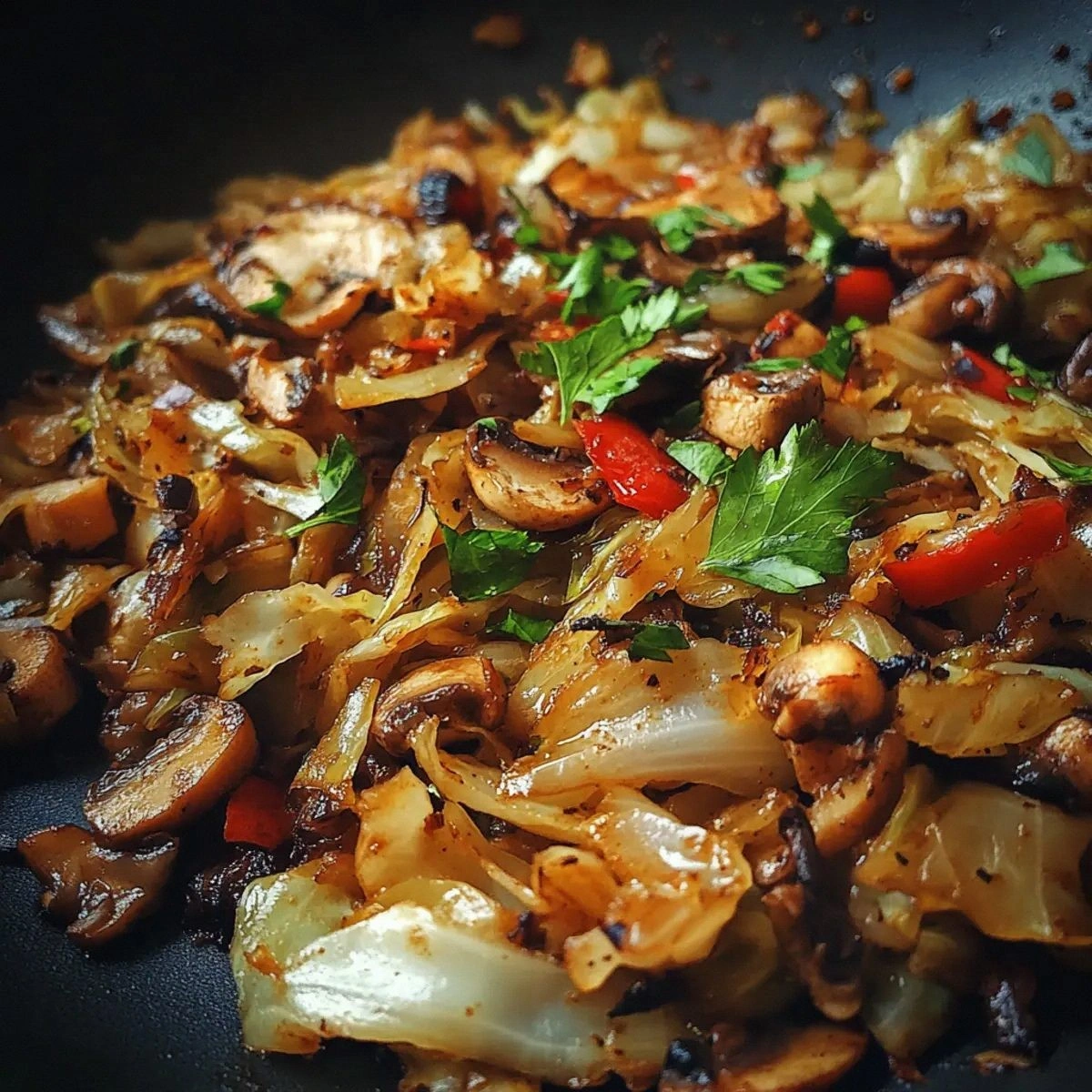
The first thing that hits you is the sizzling sound as oil warms up in the pan—like a drumroll that signals the start of a flavorful show. The aroma that follows is earthy, with a faint sweet undertone from the mushrooms and a sharp, peppery kick from the mustard seeds. As the cabbage starts to soften, the green leaves transform from a dull, almost sad color to a vibrant, glossy sheen that glistens under the kitchen lights. The texture shifts from crisp to tender, and you can feel the subtle crunch of the onion peeking through the layers. And then, just when you think the dish is finished, a splash of fresh coriander leaves lifts the entire flavor profile into a bright, almost citrusy finish.
What makes this version stand out is that it’s not just a simple stir‑fry. It’s a carefully orchestrated dance of heat, timing, and ingredient quality that turns ordinary produce into a dish that feels both humble and indulgent. I dare you to taste this and not go back for seconds, because the combination of the crunchy cabbage, the umami‑rich mushrooms, and the subtle heat from the green chili creates a flavor that lingers on the palate like a good conversation. Most recipes get this completely wrong by over‑cooking the cabbage or under‑seasoning the base; here, every element is balanced and purposeful. Picture yourself pulling this out of the pan, the whole kitchen smelling incredible, and knowing you’ve created something that will become a staple in your dinner rotation.
If you’ve ever struggled with a bland, over‑cooked cabbage dish, you’re not alone—and I’ve got the fix. The secret is in the timing, the heat, and the little tricks that elevate each ingredient to its best. I’ve spent countless hours tweaking this recipe, and the result is hands down the best version you’ll ever make at home. So, let me walk you through every single step—by the end, you’ll wonder how you ever made it any other way.
What Makes This Version Stand Out
- Flavor Depth: The combination of mustard seeds, turmeric, and green chili creates a layered flavor profile that goes beyond the ordinary cabbage stir‑fry.
- Texture Contrast: The crispness of the cabbage leaves juxtaposed with the tender, meaty mushrooms gives the dish a satisfying bite.
- Ingredient Quality: Using fresh, locally sourced produce ensures that each bite is bursting with natural sweetness and aroma.
- Simplicity: The recipe requires no fancy techniques—just a few basic steps that anyone can master.
- Make‑Ahead Friendly: The dish tastes even better the next day, making it ideal for meal prep.
- Visual Appeal: The vibrant green of the cabbage and the earthy brown of the mushrooms make for a colorful plate that looks as good as it tastes.
- Health Conscious: Low in calories yet high in fiber and protein, it’s a balanced meal that satisfies without guilt.
Alright, let's break down exactly what goes into this masterpiece...
Inside the Ingredient List
The Flavor Base
The foundation of this dish is a simple yet powerful combination of onion, garlic, mustard seeds, and a pinch of turmeric. The onions bring a subtle sweetness that caramelizes as they cook, while the garlic adds a sharp, aromatic bite that permeates every layer. Mustard seeds, when toasted, release a nutty, peppery flavor that’s essential for that authentic Indian touch. Turmeric not only gives a golden hue but also offers earthy, slightly bitter undertones that balance the sweetness of the onions.
The Texture Crew
Green cabbage is the star of the show, providing a crunchy, fibrous base that holds up well to the heat. When sliced into thin ribbons, it cooks quickly and remains tender yet crisp. Mushrooms add a meaty, umami richness that transforms the dish from a simple side into a satisfying main. The green chili introduces a gentle heat that doesn’t overpower but rather enhances the overall flavor profile.
The Unexpected Star
Fresh coriander leaves are the finishing flourish that lifts the dish into a bright, herbaceous realm. The leaves add a citrusy freshness that cuts through the richness of the sautéed vegetables. If you’re not a fan of coriander, you can substitute with parsley or a splash of lemon zest for a different but equally delightful twist.
The Final Flourish
A splash of lime juice or a dash of vinegar at the end can add a subtle tang that balances the savory elements. This final touch is optional but highly recommended if you want that extra pop of brightness. The oil used for sautéing should be neutral, like sunflower or canola, to let the other flavors shine.
Everything's prepped? Good. Let's get into the real action...
The Method — Step by Step
- Step 1: Prep the Vegetables — Begin by washing the cabbage under cold running water, then dry it thoroughly. Slice the cabbage into thin, uniform ribbons to ensure even cooking. Trim the ends of the mushroom caps and slice them into bite‑size pieces. Dice the onion into small, even cubes and mince the garlic finely. These sizes are crucial for a quick, even sauté.
- Step 2: Heat the Pan and Toast Mustard Seeds — Place a large, non‑stick skillet over medium heat and add the two tablespoons of oil. Once the oil is shimmering, sprinkle in the mustard seeds. Let them pop for about 30 seconds until they start to crackle, releasing their nutty aroma. This simple act sets the flavor foundation.
- Step 3: Sauté Onion and Garlic — Add the diced onion to the pan and sauté until translucent and lightly golden, about 3 minutes. Stir in the minced garlic and cook for another minute until fragrant. Keep the heat moderate to prevent burning; you want the garlic to soften, not char.
- Step 4: Add Mushrooms and Chili — Toss the sliced mushrooms and the finely chopped green chili into the skillet. Cook for 4–5 minutes, stirring occasionally, until the mushrooms release their moisture and begin to brown. The chili’s heat should be evident but not overwhelming.
- Step 5: Introduce the Cabbage — Add the cabbage ribbons to the pan, stirring vigorously to coat them evenly with the oil and aromatics. Sprinkle the turmeric powder, a pinch of salt, and a splash of water if needed to create a slight steam. Cook for 6–8 minutes, allowing the cabbage to wilt while retaining a slight crunch.
- Step 6: Final Seasoning and Simmer — Taste the mixture and adjust the seasoning with additional salt or a touch of pepper if desired. Reduce the heat to low, cover the pan, and let the dish simmer for 3–4 minutes. This step ensures the flavors meld without overcooking the vegetables.
- Step 7: Finish with Coriander — Remove the pan from heat and sprinkle the chopped coriander leaves over the top. Toss gently to distribute the herbs throughout the dish. The fresh green will add a bright, herbal note that elevates the entire flavor profile.
- Step 8: Plate and Serve — Transfer the sautéed cabbage and mushrooms to a serving dish. Garnish with an extra sprinkle of coriander or a squeeze of lime if you like a tangy finish. Serve hot, either as a standalone vegetarian main or as a hearty side alongside rice or flatbread.
That’s it — you did it. But hold on, I've got a few more tricks that'll take this to another level. Stick with me, and you’ll discover how small tweaks can elevate this humble dish into a culinary masterpiece.
Insider Tricks for Flawless Results
The Temperature Rule Nobody Follows
Many cooks think that a high heat is always the best for sautéing. In reality, a medium heat allows the vegetables to cook evenly without burning. If you’re using a cast‑iron skillet, preheat it for a minute before adding oil; this ensures a consistent temperature and prevents sticking.
Why Your Nose Knows Best
Before you add the final pinch of salt, give the dish a quick sniff. The aroma should be a harmonious blend of toasted seeds, caramelized onions, and fresh herbs. If it smells flat, add a tiny splash of vinegar or a dash of soy sauce to lift the profile.
The 5‑Minute Rest That Changes Everything
After cooking, let the dish rest uncovered for five minutes. This brief pause allows the steam to redistribute, ensuring the cabbage stays crisp and the flavors meld. I’ve seen dishes that are cooked to perfection but still taste a bit raw; this rest step fixes that.
Keep the Oil in Check
Using too much oil can make the dish greasy. Stick to the two tablespoons specified, and if you find the pan drying out, add a splash of water or a dash of broth instead. The moisture keeps the vegetables from sticking and adds a subtle depth.
Don’t Over‑Season Early
Adding salt too early can draw out moisture from the cabbage, causing it to steam rather than sauté. Wait until the last minute to season, giving you full control over the saltiness.
Freshness Matters
The fresher the cabbage and mushrooms, the better the texture and flavor. If you can’t find fresh produce, frozen mushrooms are a decent substitute, but thaw them and pat dry to avoid excess water.
Creative Twists and Variations
This recipe is a playground. Here are some of my favorite ways to switch things up:
Spicy Kimchi Fusion
Swap the green chili for a tablespoon of kimchi and add a splash of gochujang. The fermented tang will give the dish an Asian twist that’s both bold and comforting.
Cheesy Cauliflower Cabbage
Add a cup of cauliflower florets and sprinkle shredded cheddar after cooking. The cheese melts into the vegetables, creating a creamy, indulgent version perfect for comfort food lovers.
Herb‑Infused Coconut Curry
Replace the oil with coconut milk and add curry powder, cilantro, and a handful of basil leaves. The result is a fragrant, mildly spiced curry that pairs beautifully with rice.
Quinoa Power Bowl
Serve the sautéed cabbage and mushrooms over a bed of cooked quinoa. Toss with a drizzle of lemon tahini dressing for a protein‑rich, nutrient‑dense meal.
Breakfast Kick‑Starter
Stir in a handful of spinach and top with a fried egg for a hearty breakfast that’s packed with greens and protein.
Gluten‑Free Delight
Serve alongside gluten‑free flatbread or rice noodles to keep the dish entirely gluten‑free while maintaining a satisfying texture.
Storing and Bringing It Back to Life
Fridge Storage
Store the dish in an airtight container in the refrigerator for up to three days. The cabbage will remain crisp, and the mushrooms will keep their earthy flavor.
Freezer Friendly
The dish freezes well; place it in a freezer‑safe container and store for up to two months. Thaw overnight in the refrigerator before reheating.
Best Reheating Method
Reheat in a skillet over medium heat, adding a splash of water or broth to create steam. This technique restores moisture and prevents the vegetables from drying out. A tiny splash of water before reheating steams the dish back to perfection.