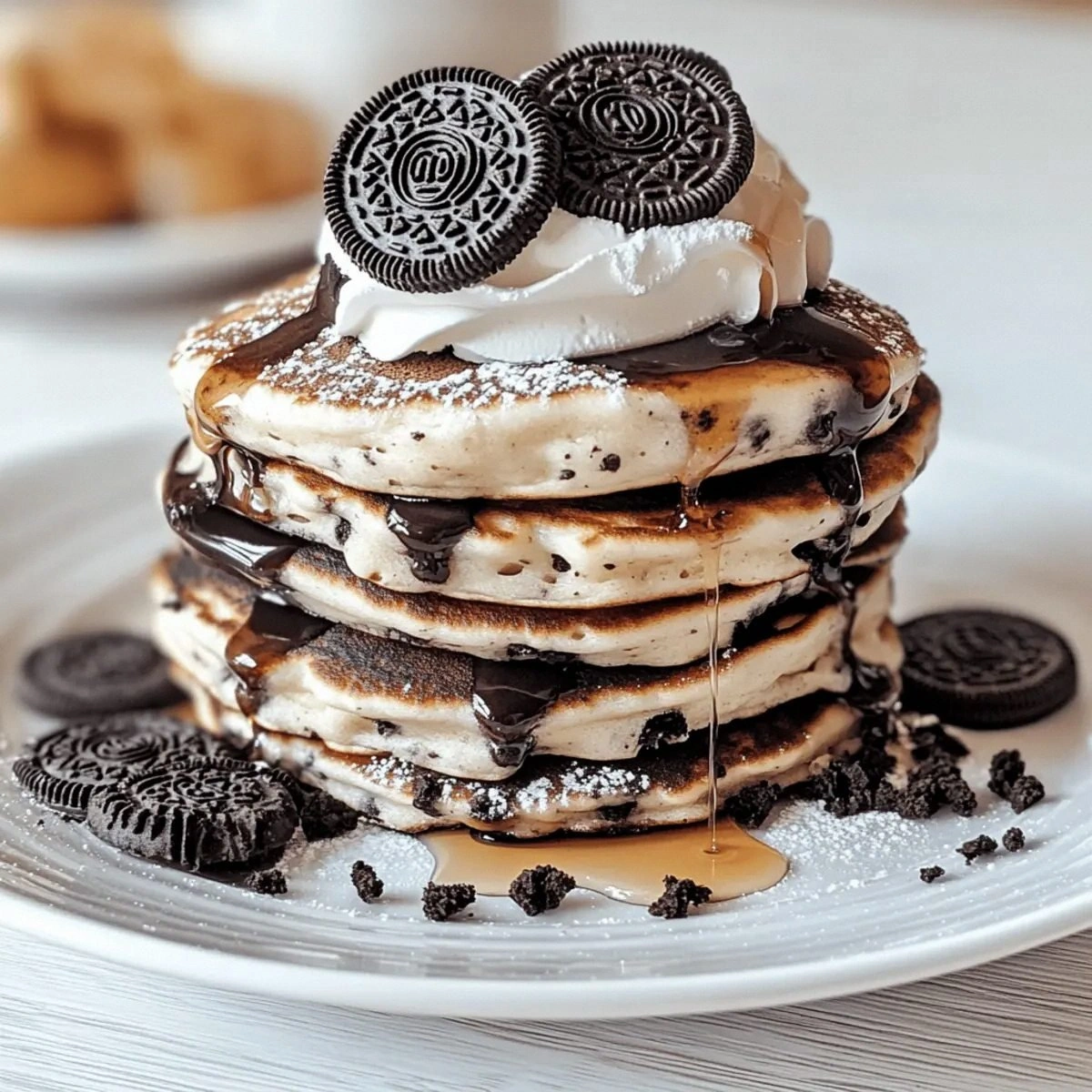
I still remember the morning I accidentally created the most outrageous pancakes of my life. I was half-asleep, craving something that tasted like Saturday cartoons and childhood mischief, and the only thing in my pantry was a family-size pack of Oreos and the usual breakfast suspects. What started as a "what if I just..." moment turned into a stack of pancakes so fluffy they could double as pillows, studded with cookie chunks that melt into molten chocolate pockets. The first bite felt like getting away with dessert for breakfast, and by the third pancake I was plotting how to keep my roommates from smelling the evidence. If you've ever wanted a breakfast that doubles as a flex, you're in the right kitchen.
Here's the thing: most Oreo pancake recipes are sad, flat affairs that taste like someone waved a cookie over boring batter and called it a day. They either turn gray from over-mixing or the cookies sink like stones and burn on contact with the griddle. I spent three weekends tweaking ratios, temperatures, and my own patience levels until I landed on a formula that keeps the cookies suspended in cloud-soft batter, crisping just enough at the edges to create that beloved cream-filling-meets-crunch moment. The secret isn't just tossing cookies into any old mix; it's building a batter so airy that the chunks levitate like chocolate-chip balloons.
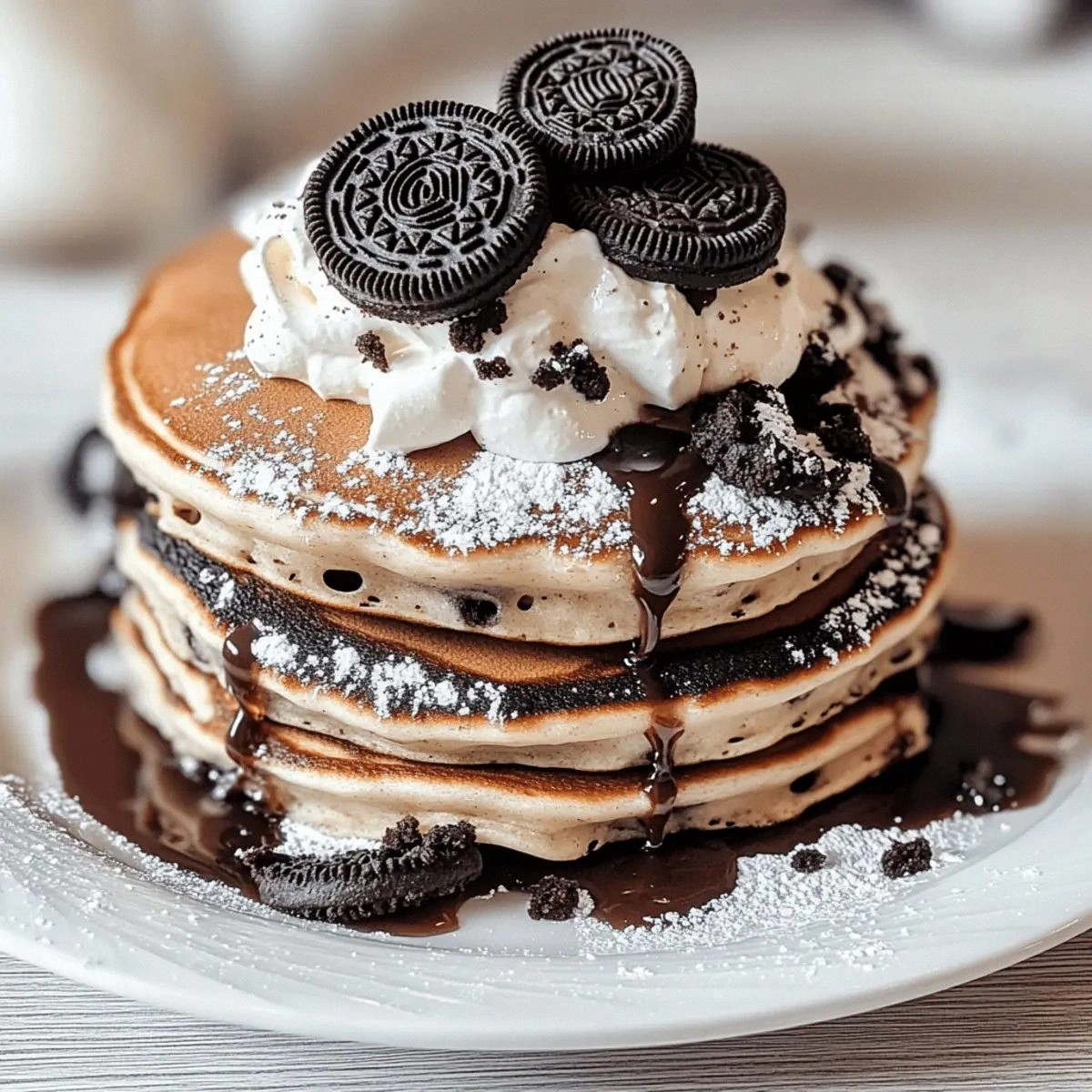
Picture this: you lift the first pancake with your spatula and it jiggles like a mattress in a 90s commercial. The Oreo pieces peek through like buried treasure, and when you drizzle maple syrup, it slides into every crevasse, turning the crème filling into a vanilla river. That first forkful shatters the delicate latticework of bubbles, releasing steam that smells like cocoa, vanilla, and Saturday morning possibility. I dare you to taste this and not go back for seconds—actually, I double-dog dare you, because I ate half the batch before anyone else got to try it and I need someone to share in my shame.
Let me walk you through every single step—by the end, you'll wonder how you ever made it any other way. Grab your favorite mixing bowl, a stack of napkins (trust me), and let's turn your kitchen into the happiest diner on the block.
What Makes This Version Stand Out
Cotton-Candy Texture: The batter uses a reverse-creaming method borrowed from bakery muffins, beating cold milk with melted butter first; the temperature shock creates micro-steam pockets that balloon on the griddle, giving you mile-high lift that regular pancake batter can only dream about.
Oreo Integrity: Instead of folding crushed cookies straight into the wet mix, we freeze the chunks for ten minutes while the pan heats; this prevents the filling from melting too soon and keeps the pieces distinct, so every bite has a cookie crunch instead of muddy streaks.
Flavor Depth: A whisper of espresso powder amplifies the cocoa in the cookies without tasting like coffee—think of it as turning the volume knob from six to eleven on the chocolate scale, a trick most recipes skip and regret later.
One-Bowl Brilliance: Dry ingredients get a quick sift directly over the wet bowl, cutting dish count in half; the batter comes together in under three minutes, which means you can go from zero to pancake hero before your caffeine kicks in.
Golden Edge Guarantee: Medium-low heat plus a lid for the first minute traps steam, cooking the center without over-browning; you get those textbook lacy rims that shatter like thin ice under your fork, while the middle stays pudding-soft.
Make-Ahead Magic: The batter holds, covered, for two hours on the counter or overnight in the fridge; add the Oreos only when you're ready to cook, turning Sunday brunch into a weekday possibility even on your most chaotic mornings.
Kid (and Kid-at-Heart) Approved: My neighbor's eight-year-old called these "breakfast cookies" and tried to trade me his entire Pokémon card collection for the recipe—if that isn't a five-star review, I don't know what is.
Alright, let's break down exactly what goes into this masterpiece, starting with the pantry staples that probably just winked at you from across the kitchen.
Inside the Ingredient List
The Flavor Base
All-purpose flour does the heavy lifting here, but not all flours are created equal. I use the cheap stuff from the bottom shelf because protein content between brands varies by only a gram per cup—save the fancy artisanal bag for sourdough. The flour's job is to trap the gas released by baking powder, creating a spiderweb of gluten that sets into fluffy scaffolding. Skip the sifting step and you'll get dense hockey pucks with Oreo craters, which is about as joyful as it sounds.
Granulated sugar isn't just sweetness; it's hygroscopic, pulling moisture from the air and keeping the pancakes tender even as they cool on the plate. I drop it to two tablespoons because the cookies bring plenty of sugar to the party—think of it as the diplomatic friend who makes sure everyone gets along without stealing the spotlight. If you're out of white sugar, brown works but will darken the batter and add caramel notes that bully the vanilla crème.
The Texture Crew
Baking powder is the real MVP, a double-acting leavening that puffs once when wet and again when hot, giving you that skyscraper rise that makes people ask if you own a diner. Make sure it's fresh: if you can't remember when you bought the can, test a teaspoon in hot water—lazy fizz equals flat pancakes and sad faces. Salt is the unsung hero that amplifies sweetness and balances the cocoa bitterness; a pinch is non-negotiable unless you want breakfast that tastes like cardboard.
Whole milk delivers fat and protein, both of which tenderize gluten and add richness. Low-fat milk works in a pinch, but the pancakes lose that velvet mouthfeel that makes you close your eyes involuntarily. Out of milk? Mix ¾ cup of evaporated milk with ¼ cup water, or use half-and-half cut with a splash of water—just don't tell your cardiologist I suggested that second one.
The Unexpected Star
The egg is your binding agent and emulsifier, yolk lending fat for flavor, white providing structure. Crack it into a separate bowl first; nothing ruins a Saturday like fishing out rogue shell shards with a spoon while your pan smokes in the background. If you're feeding someone with an egg allergy, mix 2 tablespoons of mayo with ¼ teaspoon extra baking powder—sounds weird, but the oil and lecithin mimic the egg's magic.
Melted butter adds insurance against sticking and that nutty aroma that makes the whole house smell like a hug. Clarified butter or ghee works if you're dairy-free, but you'll miss the milk solids that brown and create those speckled leopard spots on the pancake underside. Coconut oil is a fun swap if you want a subtle tropical note that plays surprisingly well with Oreo cocoa.
The Final Flourish
Crushed Oreos are where most recipes go rogue, pulsing them into dust or leaving boulder-sized chunks that sink. Aim for pea-sized pieces—large enough to stay aloft, small enough to ensure you get cookie in every bite. I put the cookies in a zip bag and whale on them with a wine bottle; therapy and food prep in one satisfying session. Double-Stuf works best because the filling acts like insulation, keeping the cookie from turning into bitter charcoal on the griddle.
Everything's prepped? Good. Let's get into the real action, starting with the bowl that will soon become a trampoline for cookie shards.
The Method — Step by Step
- Whisk the flour, baking powder, sugar, and salt in a big bowl—big enough that you can get aggressive without snowing your counter in white. I use a balloon whisk because it aerates the mixture; if you've only got a fork, whisk like you're trying to win a gold medal in wrist endurance. The goal is to break up any baking-powder clumps that will cause bitter calderas in your finished cakes. Take a whiff; it should smell faintly metallic and sweet, a preview of the chemical party about to happen.
- Melt the butter in a microwave-safe mug until just liquid but not screaming hot, 20-25 seconds depending on your wattage. Let it cool for a minute so it won't scramble the egg when they meet. While you wait, crack the egg into a separate cup and beat it with a fork until the yolk and white are homogenous—lazy streaks of white will create rubbery freckles in your pancakes. This two-cup method means you can fish out shell without crying, and you can add the egg to the butter in a slow stream while whisking, creating a glossy emulsion that keeps the fat from sulking at the bottom of the bowl.
- Pour the milk into the butter-egg mixture in a slow stream, whisking constantly. Cold milk plus warm butter creates a temperature shock that starts to set the tiniest bits of butter, forming micro-globules that translate to extra puff later. The mixture should look like thin custard and smell like movie-theater popcorn. If you see oily slicks, keep whisking; you're auditioning for a cooking show that only exists in your head, and the judges are harsh.
- Dump the frozen Oreo chunks into the dry ingredients and toss to coat. Freezing keeps the cream filling from smearing into gray streaks, and the flour jacket prevents the pieces from sinking like chocolate-covered stones. Use your fingers to separate any clingers—think of it as breaking up middle-school slow dancers who don't know when to let go. Set the bowl back in the freezer while the pan heats; the colder the mix, the taller the rise.
- Place a non-stick skillet or griddle over medium-low heat and let it preheat for a full three minutes. The pan is ready when a drop of water sizzles politely, not angrily—angry means the outside will burn before the inside sets. Lightly grease with a paper towel dipped in oil; you want a whisper-thin film, not a Slip 'N Slide. Cover the pan with a lid while you finish the batter—this traps heat and creates an oven effect that cooks the top faster, so you won't have flabby centers.
- Retrieve the bowl from the freezer and make a well in the center of the dry mix. Pour the wet ingredients in all at once, then switch to a spatula and fold with the patience of a kindergarten teacher. Scrape the sides and lift from the bottom, turning the bowl a quarter-turn after each stroke. Stop when you still see streaky flour; over-mixing develops gluten and you'll end up with chew toys instead of clouds. The batter should look like lumpy cottage cheese—if it's smooth, you've gone too far and need to repent.
- Scoop ¼ cup of batter per pancake onto the preheated surface, leaving two inches of breathing room for spread. Resist the urge to swirl or flatten; let gravity do its thing. Sprinkle a few extra Oreo crumbs on top of each wet circle—this creates a cookie crust that caramelizes and tastes like the edge of a brownie. Put the lid on for exactly 90 seconds; your kitchen should start smelling like Oreo cheesecake and Saturday cartoons.
- Peek under a pancake: it should be golden with darker freckles where cookie met heat. Flip confidently with a thin spatula, sliding it under in one swift motion—hesitation leads to folding disasters that look like failed origami. Cook the second side for 45-60 seconds, uncovered this time so steam escapes and prevents sogginess. Transfer to a wire rack set over a baking sheet in a 200 °F oven to keep warm while you repeat; stacking them on a plate traps steam and turns your fluffy towers into pancakes' sad cousin.
That's it—you did it. But hold on, I've got a few more tricks that'll take this to another level, including the temperature rule nobody follows and the five-minute rest that changes everything.
Insider Tricks for Flawless Results
The Temperature Rule Nobody Follows
Most home cooks crank the heat to medium-high and wonder why the outsides char before the insides cook. Low and slow is your mantra here—think of it as tanning the pancake, not searing a steak. The ideal surface temp is 325 °F, which on my electric stove translates to a smidge above the "low" label. If you're cooking for a crowd, invest in an infrared thermometer; it looks nerdy, but so does serving a platter of pancakes that taste like Oreo ashes.
Why Your Nose Knows Best
When you smell toasted cocoa and melted cream filling, you're 30 seconds from flip time. Your olfactory bulb is directly wired to memory, and that scent is your brain's alarm clock. If you wait for visual cues alone, you'll overcook the first side every single time. A friend tried skipping this step once—let's just say it didn't end well, and her dog still won't look her in the eye after she offered him the rejects.
The 5-Minute Rest That Changes Everything
Let the batter nap for five minutes after mixing; the flour hydrates and the baking powder starts its first fizz, creating bubbles that survive the griddle. During this pause, clean your counter, pour coffee, or practice your pancake flip wrist motion—just don't skip it. The difference is subtle but real: rested batter produces pancakes that look like they went to finishing school, while rushed batter spreads like a rumor and turns gummy.
Creative Twists and Variations
This recipe is a playground. Here are some of my favorite ways to switch things up:
Peanut Butter Cup Pancakes
Swap half the crushed Oreos for chopped mini peanut butter cups, and replace 1 tablespoon of the melted butter with creamy peanut butter melted with the butter. The result tastes like a Reese's cup went on vacation in a pancake, and the peanut oils keep everything extra moist even if you accidentally overcook by a hair.
Mint Chocolate Monday Stack
Add ¼ teaspoon peppermint extract to the wet ingredients and use Mint Oreos instead of classic. The cool mint makes the cocoa taste darker, like those after-dinner chocolates fancy restaurants leave with the bill. Top with a dollop of whipped cream and a dusting of cocoa powder for a breakfast that feels like Christmas morning, even in July.
Salted Caramel Crunch
Drizzle a quick homemade caramel (2 tablespoons butter, ¼ cup brown sugar, splash of cream) over the flipped side while the second side cooks; sprinkle with flaky salt. The caramel bubbles and fuses with the cookie pieces, creating a crackly brûlée lid that shatters under your fork like dessert glass art you can eat.
Gluten-Free Gambit
Substitute an equal weight of gluten-free 1:1 baking flour plus ¼ teaspoon xanthan gum; the cookies already contain wheat, so this isn't for celiac sufferers, but it helps friends who feel bloated after regular flour. The texture is slightly more tender, almost shortcake-like, which pairs beautifully with a mountain of fresh strawberries.
Birthday Cake Remix
Use Golden Oreos and fold 2 tablespoons of rainbow sprinkles into the batter. The vanilla cookies melt into blondie pockets, and the sprinkles bleed into Technicolor freckles that make kids lose their minds. Add a candle on top and you've got an instant birthday breakfast for the colleague everyone forgot to buy a cake for.
Savory-Sweet Plot Twist
Keep the Oreos but cut the sugar to 1 tablespoon and add ½ cup crumbled bacon to the batter. The salty-smoky bacon amplifies the cocoa, creating a flavor profile that tastes like you dunked a pancake into a chocolate-covered pretzel factory. Serve with a drizzle of maple syrup mixed with a pinch of cayenne for a sweet-heat finish that wakes up your palate faster than espresso.
Storing and Bringing It Back to Life
Fridge Storage
Layer completely cooled pancakes between sheets of parchment in an airtight container; they'll keep three days in the fridge without drying out. The Oreo pieces may soften slightly, but a quick toast in the toaster revives the crunch. Pro tip: slip a paper towel in the container to absorb condensation, because no one likes a soggy cookie surprise.
Freezer Friendly
Flash-freeze individual pancakes on a baking sheet for an hour, then toss into a zip-top bag with the air sucked out; they'll keep two months and reheat like a dream. Label the bag or you'll play breakfast roulette in three weeks and wonder why your "plain" pancakes have mysterious black spots. Reheat from frozen in the toaster on the lowest setting twice, rather than once on high—this prevents the cookie bits from scorching into bitter meteorites.
Best Reheating Method
Oven at 350 °F for 5 minutes on a wire rack beats the microwave every time; the circulating heat re-crisps edges without turning the cookies into rubber. Add a tiny splash of water on the baking sheet before covering loosely with foil; the gentle steam resurrects fluffiness without sogginess. If you're in a rush, microwave for 15 seconds, then pop into a hot dry skillet for 30 seconds per side—it's a two-step hustle that fakes fresh-off-the-griddle results.