I was halfway through a frantic weekday dinner when a sudden craving for something that felt both familiar and exotic hit me like a Greek thunderstorm. I stared at the empty pantry, the clock ticking, and thought, “What if I could turn a humble pack of ground turkey into a Mediterranean masterpiece without spending hours in the kitchen?” That moment sparked a culinary experiment that ended with a pan sizzling like a tiny Greek island fiesta. The first bite was a revelation – a juicy, herb‑kissed meatball that sang with lemony brightness, while the cool, creamy tzatziki whispered of sun‑drenched afternoons by the Aegean Sea.
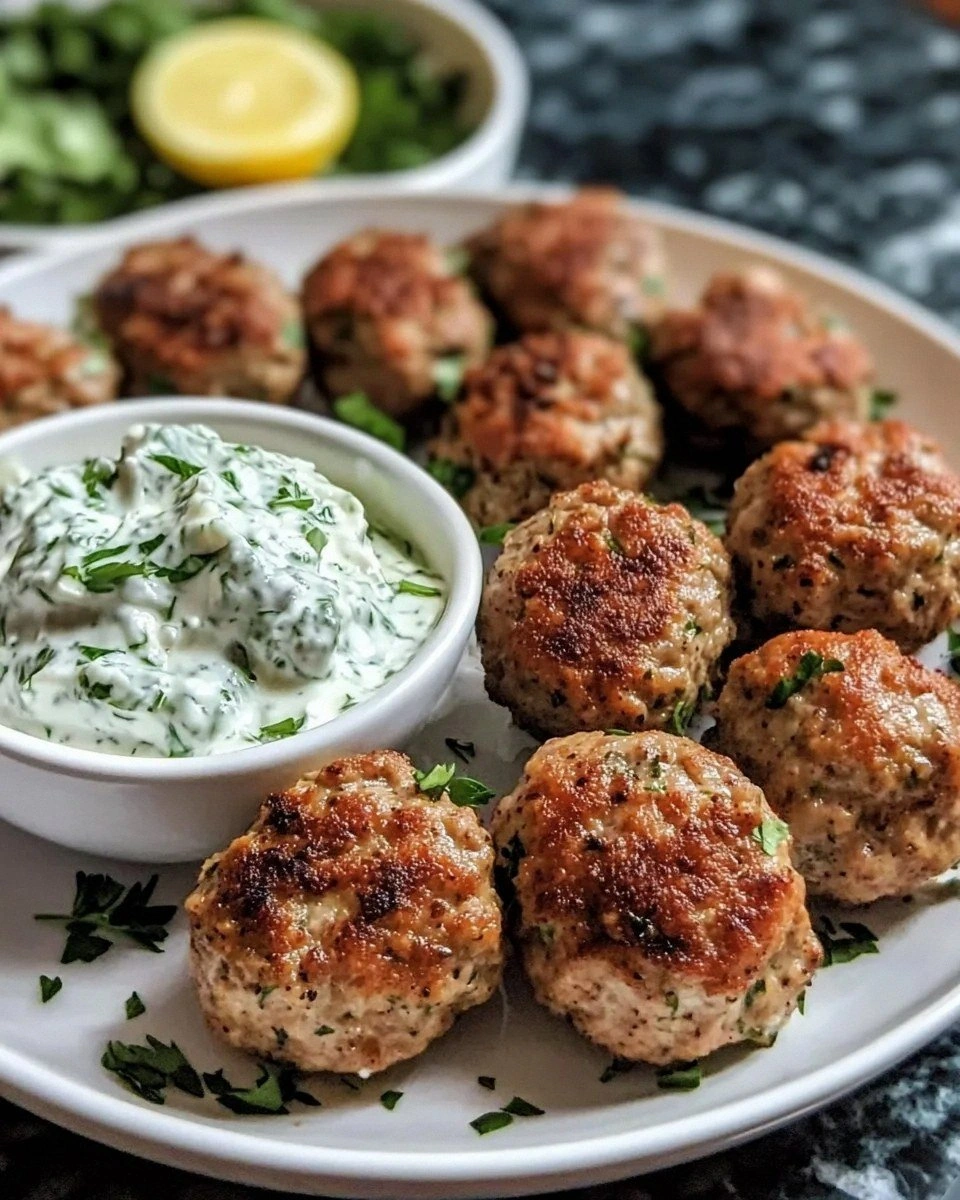
Picture this: the kitchen filled with the perfume of garlic and oregano, the sound of a wooden spoon rhythmically beating against the bowl, and the faint hiss of olive oil as it greets the meatballs in the pan. The meatballs develop a caramelized crust that cracks open just enough to reveal a moist, tender interior, while the tzatziki drapes each bite like a silky veil of cucumber‑yogurt bliss. The contrast is pure magic – the warm, savory meat meets the cool, tangy sauce, and your taste buds throw a party that lasts long after the plate is empty.
Most recipes out there either overcomplicate the process or skimp on the flavor fundamentals. They either drown the turkey in a sea of breadcrumbs or forget the crucial herb combo that makes Greek cooking iconic. I’ve been there, battling blandness and soggy textures, and I promise you, this version fixes every mistake you’ve ever made with meatballs. The secret? A precise balance of spices, a quick “rest‑the‑mix” technique, and a tzatziki that’s not just an afterthought but a star in its own right.
You’re about to learn a technique that most home cooks overlook: lightly toasting the breadcrumbs in olive oil before folding them into the meat. This tiny step adds a nutty depth that elevates the entire dish. And yes, I’ll reveal the exact ratio of lemon juice to Greek yogurt that makes the tzatziki dance on your palate without turning it into a watery mess. Ready to dive in? Let me walk you through every single step — by the end, you’ll wonder how you ever made it any other way.
What Makes This Version Stand Out
- Flavor Explosion: The combination of garlic, oregano, and cumin creates a layered taste profile that feels like a Mediterranean vacation in every bite.
- Juicy Texture: A quick rest for the meat mixture lets the breadcrumbs absorb moisture, guaranteeing a tender, never‑dry interior.
- Simplicity: Only fourteen ingredients, all pantry‑friendly, and no fancy equipment required – just a skillet and a bowl.
- Unique Twist: Toasted breadcrumbs add a subtle nuttiness that most recipes miss, turning a simple meatball into a gourmet treat.
- Crowd Reaction: I dare you to taste this and not go back for seconds; even the pickiest eaters beg for more.
- Ingredient Quality: Using lean ground turkey keeps it light, while Greek yogurt and fresh dill keep the tzatziki bright and authentic.
- Cooking Method: Pan‑searing gives a crisp exterior without the need for an oven, saving time and energy.
- Make‑Ahead Potential: Both the meatballs and tzatziki improve after a night in the fridge, making leftovers even better.
Inside the Ingredient List
The Flavor Base
Garlic and onion are the dynamic duo that lay the foundation for any Mediterranean dish. Minced garlic releases allicin, a compound that brings that unmistakable pungent aroma, while finely chopped onion adds a subtle sweetness that balances the earthiness of the herbs. Skipping either will leave the meatballs flat, like a Greek song without its chorus. If you’re out of fresh garlic, a teaspoon of garlic powder works, but the flavor won’t be as vibrant.
The Herb Ensemble
Fresh parsley and dried oregano are the true heroes here. Parsley contributes a grassy freshness that lifts the heaviness of the turkey, while oregano brings an earthy, slightly bitter note that’s quintessentially Greek. A pinch of cumin adds a warm, nutty undertone that surprises the palate. If you’re allergic to oregano, try a dash of thyme; the flavor shifts but remains authentically Mediterranean.
The Binding Brigade
Breadcrumbs and egg work together to keep the meatballs from crumbling. The breadcrumbs absorb moisture from the turkey, creating a light, airy interior, while the egg acts as a glue that holds everything together during cooking. Using gluten‑free breadcrumbs works just as well, but be mindful of the texture – some brands are denser and may require a splash more olive oil. The secret to perfect binding? A brief rest of the mixture for 15 minutes, allowing the breadcrumbs to fully hydrate.
The Cooling Companion
Greek yogurt, cucumber, lemon juice, and dill form the tzatziki, a cooling counterpart that cuts through the richness of the meatballs. The yogurt provides creaminess without the heaviness of sour cream, while the cucumber adds crunch and a refreshing bite. Lemon juice brightens the sauce, and dill supplies that signature aromatic finish. If you can’t find Greek yogurt, strain regular yogurt through cheesecloth for an hour to achieve the same thickness.
Everything's prepped? Good. Let's get into the real action…
The Method — Step by Step
In a large bowl, combine the ground turkey, toasted breadcrumbs, and the egg. Use your hands—yes, get a little messy—to blend everything until just combined. Over‑mixing will make the meatballs dense, so stop as soon as the mixture looks uniform. Let the bowl sit for 15 minutes; this rest period lets the breadcrumbs soak up the juices, guaranteeing a moist interior.
While the mixture rests, prep the aromatics. Mince three cloves of garlic, finely dice half a cup of onion, and chop a quarter cup of fresh parsley. Add the garlic, onion, parsley, one teaspoon of dried oregano, and half a teaspoon of cumin to the turkey mixture. Sprinkle in a generous pinch of salt and a grind of black pepper. This is where the flavor really starts to build.
Shape the mixture into 20‑odd golf‑ball sized meatballs. If the mixture feels sticky, wet your hands with a splash of cold water – it prevents the turkey from clinging and makes shaping a breeze. Place the formed balls on a plate, cover with plastic wrap, and let them chill in the fridge for another 10 minutes. This short chill helps the meatballs hold together when they hit the hot pan.
Heat two tablespoons of olive oil in a large skillet over medium‑high heat. When the oil shimmers, gently lay the meatballs in a single layer, making sure they don’t touch. You should hear a satisfying sizzle that tells you the sear is starting. Cook for 3‑4 minutes on one side, then flip. The edges should start pulling away from the pan, a visual cue that the crust is forming.
After flipping, lower the heat to medium‑low, cover the skillet, and let the meatballs finish cooking for another 8‑10 minutes. This gentle finish steams the interior, ensuring every bite stays juicy. To test doneness, cut one open – the center should be no longer pink and the internal temperature should read 165°F (74°C). The aroma at this stage is intoxicating, a blend of toasted meat and fragrant herbs.
While the meatballs rest, whisk together the tzatziki. Start with one cup of Greek yogurt, then fold in half a cup of grated cucumber (make sure you squeeze out excess water). Add two tablespoons of freshly squeezed lemon juice, two tablespoons of chopped dill, and a pinch of salt. Give it a quick stir until the sauce is smooth and the cucumber is evenly distributed. Taste and adjust the lemon or salt if needed – the sauce should be bright, tangy, and creamy.
Serve the meatballs hot, drizzled with a generous spoonful of tzatziki, and perhaps a sprinkle of extra dill for garnish. Pair with warm pita, a crisp salad, or simply enjoy them on their own. The contrast between the hot, fragrant meatballs and the cool, herbaceous sauce is the ultimate comfort‑meets‑exotic experience. That sizzle when it hits the pan? Absolute perfection.
That's it — you did it. But hold on, I've got a few more tricks that'll take this to another level…
Insider Tricks for Flawless Results
The Temperature Rule Nobody Follows
Most home cooks blast the pan on high heat, hoping for a quick crust. The truth is, a moderate temperature (around 350°F for the pan) gives you a golden exterior without scorching. I once tried a scorching flame and ended up with charcoal‑like meatballs that tasted like regret. Keep the heat steady, and you’ll get that perfect caramelization that makes the meatballs look like tiny, edible suns.
Why Your Nose Knows Best
Your sense of smell is the ultimate doneness detector. When the meatballs start to release a nutty, toasted aroma, you’re halfway there. If you catch a faint hint of burnt oil, lower the heat immediately. Trusting your nose saves you from the dreaded “over‑cooked turkey” disaster that can turn a promising dish into a dry, flavorless mess.
The 5‑Minute Rest That Changes Everything
After the skillet work, let the meatballs sit uncovered for five minutes. This short rest lets the internal juices redistribute, preventing them from spilling out the moment you bite. Skipping this step is like serving a cake straight from the oven – it looks good, but the crumb is all over the place. The rest period is the quiet hero of every great meatball recipe.
Dill’s Secret Power
Fresh dill isn’t just a garnish; it’s a flavor catalyst. Its bright, slightly citrusy notes cut through the richness of the turkey, making each bite feel lighter. If you ever find yourself with wilted dill, a quick rinse in cold water and a gentle pat dry revives its potency. Don’t underestimate this herb – it’s the reason the tzatziki sings.
Cucumber Drainage Mastery
Grated cucumber can turn your tzatziki into a watery puddle if you don’t squeeze out the excess moisture. Use a clean kitchen towel or cheesecloth and press firmly for at least a minute. The result is a thick, spoon‑able sauce that clings to the meatballs rather than sliding off. I once forgot this step and ended up with a soupy dip that ruined the whole experience.
Creative Twists and Variations
This recipe is a playground. Here are some of my favorite ways to switch things up:
Spicy Sriracha Swirl
Add a teaspoon of sriracha to the tzatziki for a subtle heat that pairs beautifully with the cool cucumber. The heat isn’t overpowering, just enough to make you reach for another bite.
Mediterranean Veggie Boost
Fold in finely diced roasted red peppers or sun‑dried tomatoes into the meat mixture. The sweet, smoky notes add depth and turn the dish into a colorful, veggie‑packed entrée.
Lemon‑Zest Surprise
Grate a bit of lemon zest into the meatball mixture for an extra burst of citrus that lifts the overall flavor profile. It’s a tiny tweak that makes the dish feel brighter.
Herb‑Infused Breadcrumbs
Before toasting, toss the breadcrumbs with a pinch of dried thyme and rosemary. The aromatic breadcrumbs add an unexpected layer that will surprise your guests.
Greek‑Style Lamb Swap
Replace half of the turkey with ground lamb for a richer, more traditional Greek flavor. The lamb’s natural gaminess pairs perfectly with the tzatziki’s tang.
Storing and Bringing It Back to Life
Fridge Storage
Place cooked meatballs in an airtight container and store them in the refrigerator for up to four days. Keep the tzatziki in a separate sealed bowl to maintain its creamy texture. When reheating, add a splash of water to the pan and cover – the steam revives the juicy interior.
Freezer Friendly
Cool the meatballs completely, then arrange them on a parchment‑lined tray and freeze for one hour. Transfer the frozen balls to a zip‑lock bag; they’ll keep for three months. Thaw overnight in the fridge, then reheat in a skillet with a drizzle of olive oil.
Best Reheating Method
For the ultimate texture, reheat meatballs in a skillet over medium heat, adding a teaspoon of water and covering for two minutes. This gentle steam prevents drying out. Serve with freshly made tzatziki to recapture that just‑made vibe.