I burned dinner three times last week. Not because I'm a bad cook — I'm actually pretty decent — but because I kept trying to make those Instagram-worthy, twenty-step, fifteen-ingredient recipes that look like they should be easy. You know the ones: "Just throw together some quinoa, fermented kale, and a perfectly poached egg!" Meanwhile, my smoke alarm is singing opera and my dog is hiding under the couch. So on Thursday night, staring at a pack of ground turkey and two sad zucchinis that were about to become science experiments, I decided to rebel against complexity itself. What happened next in that skillet wasn't just dinner — it was a revelation that made me question every overcomplicated healthy recipe I'd ever attempted.
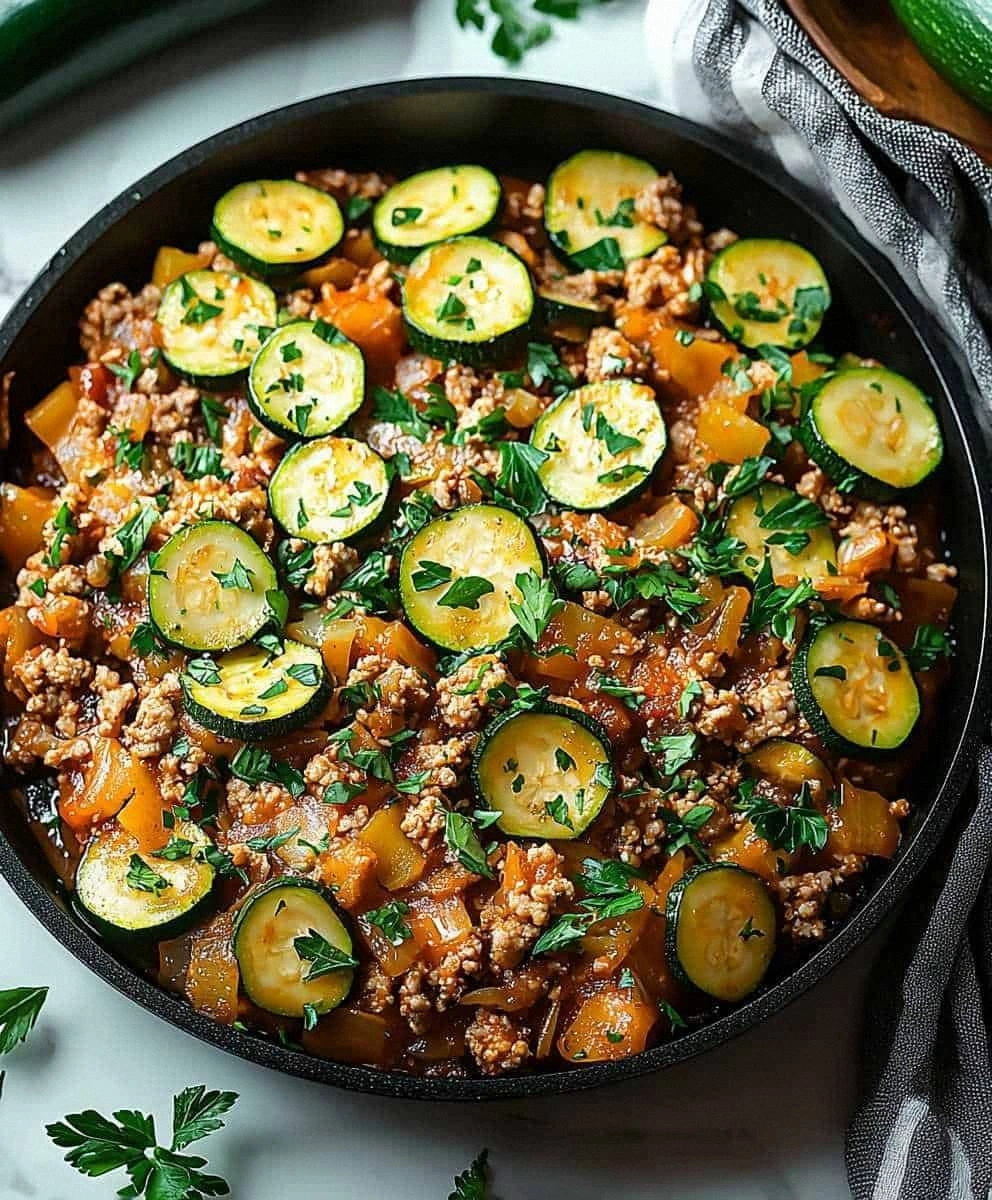
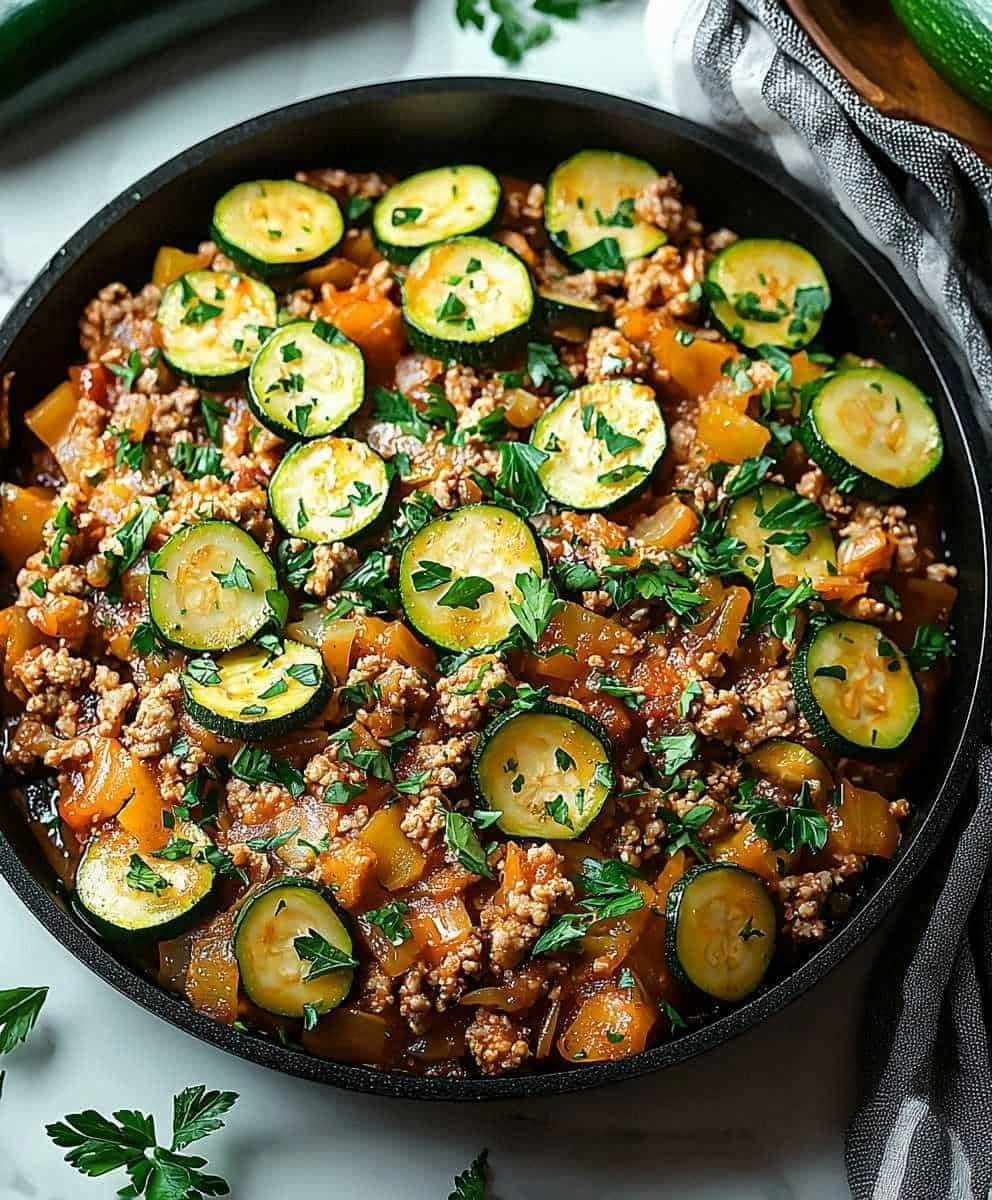
Picture this: it's 7 PM, your stomach is staging a protest, and you want something that tastes like comfort food but won't make you need to unbutton your jeans. This ground turkey zucchini skillet answers that call with the confidence of a Broadway star hitting their high note. The turkey browns into these gorgeous little flavor nuggets that somehow stay juicy instead of turning into sawdust (my eternal turkey fear), while the zucchini transforms from watery disappointment into tender, sauce-soaked coins that you'll actually fight over. And that sauce — oh, that sauce — it's the kind of tomato situation that coats every bite like liquid velvet, with just enough herbs to make you feel fancy but not so many that it tastes like you raided the spice cabinet during a tornado.
Here's what got me hooked: this whole magical situation happens in one pan, in under thirty minutes, and uses ingredients you probably already have lurking around. No fancy techniques, no mysterious ingredients that require a specialty store expedition, no "let this marinate for four hours while you contemplate your life choices." Just honest, real food that happens to be healthy enough to make your nutritionist weep tears of joy. I made it once, then made it again three days later because I was having dreams about it, which is probably weird for a skillet dinner but here we are.
Okay, ready for the game-changer? The secret isn't in some exotic spice blend or a cooking method that requires a culinary degree — it's in understanding that ground turkey doesn't have to be the dry, bland protein we all pretend to like because it's "good for us." When you treat it right, season it boldly, and pair it with vegetables that actually want to be there, something alchemical happens. Let me walk you through every single step — by the end, you'll wonder how you ever made it any other way.
What Makes This Version Stand Out
Before we dive into the nitty-gritty, let me brag about why this particular skillet will ruin all other quick dinners for you. I've tested this recipe more times than I care to admit, tweaking and adjusting until it hit that perfect sweet spot of "I could serve this to company" and "I make this when I'm too tired to chew properly."
- The Flavor Bomb Factor: Instead of bland, sad turkey that tastes like health food punishment, we're building layers of flavor that start with properly browned meat and end with herbs that actually taste like something. The result is a dish that makes you close your eyes involuntarily when you take the first bite — you know, the universal sign of good food.
- Texture Paradise: Most zucchini dishes fail because the zucchini turns to mush that tastes like disappointment and regret. Not here. We get perfectly tender-crisp zucchini that holds its shape and actually adds texture instead of just disappearing into the sauce like some vegetable witness protection program.
- One-Pan Wizardry: Everything happens in a single skillet, which means fewer dishes and more time for important things like binge-watching your shows or contemplating why you bought that spiralizer you used once. The sequence matters here — we're building flavor instead of just throwing everything together and hoping for the best.
- Weeknight Lightning Speed: From fridge to table in 30 minutes flat, this recipe understands that nobody has time for a cooking project on a Tuesday. Yet it tastes like you spent hours coaxing flavors out of expensive ingredients, which is the kind of lie I'm totally comfortable telling.
- Leftover Gold: This skillet actually improves overnight as the flavors meld together like they're having a delicious party in your fridge. Tomorrow's lunch will be better than tonight's dinner, which is basically kitchen sorcery that should earn you wizard status.
- Crowd-Pleasing Chameleon: Kids love it because it tastes like pizza-ish comfort. Adults love it because it's sophisticated enough to serve with wine. Health nuts love it because it's packed with protein and vegetables. Picky eaters love it because everything is chopped small enough that they can't identify the "healthy" parts.
- Pantry-Friendly Genius: No ingredient requires a special trip to a store that sells things you've never heard of. Everything comes from a regular grocery store, and most of it keeps forever in your pantry or freezer. This is emergency dinner at its finest.
Inside the Ingredient List
Every ingredient in this skillet pulls its weight like a well-trained team, and understanding what each one does will make you a better cook overall. No passengers allowed in this flavor train — everything has a purpose, a reason for being there, and a specific role in making your dinner spectacular.
The Flavor Foundation
Olive oil isn't just here to keep things from sticking — it's the canvas we're painting our masterpiece on. The fruity, peppery notes of good olive oil provide the backbone that carries all the other flavors. Ground turkey is obviously our protein hero, but here's what most people get wrong: they buy the ultra-lean stuff and then wonder why their dinner tastes like cardboard. Go for 93/7 or even 85/15 if you're feeling rebellious — the extra fat carries flavor and keeps everything moist instead of turning your dinner into a desert simulation.
Onion and garlic are the dynamic duo of flavor town, but we're going to treat them right instead of just throwing them in raw and hoping for the best. When they hit that hot oil, they should sizzle like they're excited to be there, releasing their aromatic compounds and creating the flavor base that makes everything else taste more like itself. This isn't just cooking — it's chemistry with delicious consequences.
The Color and Crunch Crew
Red bell pepper isn't just here for the pretty color (though let's be honest, we eat with our eyes first). It adds natural sweetness that balances the acidity of the tomatoes, plus a satisfying crunch that keeps every bite interesting. The key is cutting it into pieces that are substantial enough to maintain texture but not so big that they become awkward to eat. Think bite-sized, not "I need a knife to deal with this" sized.
Zucchini is the misunderstood vegetable that everyone abuses until it becomes a watery, mushy mess. Not today, Satan. We're going to treat it with respect, cooking it just enough to become tender but stopping before it dissolves into vegetable pudding. The trick is in the timing — add it at the right moment and it absorbs all those gorgeous flavors while maintaining its dignity.
The Sauce Makers
Diced tomatoes and tomato sauce are our liquid gold, but we're not just dumping them in willy-nilly. The diced tomatoes provide texture and little bursts of bright flavor, while the tomato sauce creates that luxurious coating that makes everything taste like it's been simmering for hours instead of minutes. Together, they create a sauce that's substantial enough to feel like real food but light enough that you won't need a nap after dinner.
Dried oregano and basil are the Italian seasoning dream team, but here's where most recipes go wrong: they add them too late or in the wrong proportions. We're using oregano as the dominant herb because it's bold enough to stand up to the turkey, with basil playing backup. The red pepper flakes are optional, but I dare you to add them — that gentle warmth at the back of your throat makes everything more interesting without setting your mouth on fire.
The Finishing Touch
Fresh parsley at the end isn't just for Instagram (though it does make everything look restaurant-worthy). It adds a bright, fresh note that wakes up all the cooked flavors and makes the whole dish taste alive instead of like something that's been sitting around. The mozzarella is optional, but let's be real — when is melty cheese ever a bad idea? It creates those gorgeous cheese pulls that make everyone at the table momentarily forget they're eating something healthy.
Salt and pepper might seem boring, but they're the difference between a dish that tastes flat and one that makes people ask for seconds. Season at every stage, taste as you go, and remember that under-seasoned food is sadder than that time I tried to make cauliflower "rice" and everyone just politely pushed it around their plates.
The Method — Step by Step
- Heat Your Pan Properly: Place your largest skillet over medium-high heat and let it get hot for about two minutes. This isn't the time to rush — a properly heated pan is the difference between beautifully browned meat and gray, sad turkey that tastes like disappointment. When you flick a tiny drop of water on the surface and it dances and evaporates immediately, you're ready for action. That sizzle when the oil hits the pan? Absolute perfection.
- Brown the Turkey Like You Mean It: Add the olive oil and swirl to coat, then crumble in the ground turkey in a single layer. Here's where patience pays off — don't stir it constantly like you're making scrambled eggs. Let it sit undisturbed for 3-4 minutes until the bottom develops gorgeous brown bits. The smell should make you question every bland turkey burger you've ever eaten. Break it up with your spatula, flip the pieces, and continue cooking until it's mostly browned with just a hint of pink remaining.
- Build the Aromatic Base: Push the turkey to one side of the pan and add the chopped onion to the cleared space. This technique lets the onion caramelize slightly instead of just steaming in the turkey juices. Cook for 2-3 minutes until the onion turns translucent and starts to pick up golden edges. Add the minced garlic and cook for just 30 seconds — garlic burns faster than your ex's new relationship, so keep it moving.
- Add the Veggies Strategically: Toss in the red bell pepper and stir everything together. The pepper needs a head start on the zucchini because it takes longer to become tender. Cook for 2 minutes, stirring occasionally, until the pepper starts to soften but still has some crunch. Your kitchen should smell like you're the kind of person who has their life together.
- Introduce the Zucchini at the Right Moment: Add the chopped zucchini and stir to combine. This is crucial timing — too early and it becomes mush, too late and it stays crunchy and weird. Cook for 3-4 minutes, stirring occasionally, until the zucchini is just starting to soften but still holds its shape. It should look bright and fresh, not like it's given up on life.
- Create the Sauce Magic: Pour in the diced tomatoes (with their juice — that's liquid gold) and the tomato sauce. Add the oregano, basil, and red pepper flakes if using. Stir everything together, scraping up those beautiful browned bits from the bottom of the pan. These bits dissolve into the sauce and add depth that makes people think you've been cooking all day instead of 15 minutes.
- Simmer and Season: Bring the mixture to a gentle simmer, then reduce the heat to medium-low. Let it bubble away for 8-10 minutes, stirring occasionally. This is where the magic happens — the flavors meld, the sauce thickens slightly, and everything becomes more than the sum of its parts. Taste and season with salt and pepper. Be bold here — under-seasoned sauce is the culinary equivalent of beige wallpaper.
- Cheese It Up (Optional but Recommended): If using mozzarella, sprinkle it over the top and cover the pan for 2-3 minutes until melted and bubbly. This creates that gorgeous cheese pull situation that makes everyone reach for their phones to take pictures. Don't judge — we all do it.
- Finish Fresh: Remove from heat and sprinkle with fresh parsley. The bright green against the red sauce makes everything look restaurant-worthy, and the fresh flavor lifts the whole dish. Serve immediately while it's hot and the cheese is still melty and irresistible.
That's it — you did it. But hold on, I've got a few more tricks that'll take this to another level...
Insider Tricks for Flawless Results
The Temperature Rule Nobody Follows
Here's the thing about ground turkey that nobody tells you: it needs to be treated differently than ground beef. Turkey is leaner, which means it goes from perfectly cooked to dry and sad faster than you can say "healthy dinner." The secret is cooking it over medium-high heat to get good browning, then backing off the temperature once you add the sauce. Think of it like a first date — start hot and exciting, then settle into something more sustainable for the long haul.
I learned this the hard way after serving turkey that could've doubled as packing material. My dinner guests were too polite to say anything, but the way they reached for their water glasses every bite told the whole story. Now I treat turkey with the respect it deserves — high heat for browning, gentle heat for finishing, and never, ever overcooking it until it's begging for mercy.
Why Your Nose Knows Best
Trust your senses more than the clock when making this dish. When the onion and garlic are perfectly cooked, your kitchen will smell like you've been transported to a tiny Italian grandmother's kitchen. If it smells sharp and raw, keep going. If it smells burnt and bitter, you've gone too far and need to start over (or serve it anyway and call it "smoky").
The same goes for the sauce — when it's ready, it'll smell rich and complex, like something that's been simmering for hours instead of minutes. Your nose is actually better at detecting doneness than any timer. I've had sauces that were "done" in 5 minutes and others that needed 15, depending on the moisture content of my vegetables and the heat of my stove. Trust the aroma, not the algorithm.
The 5-Minute Rest That Changes Everything
This might be the hardest trick to follow because when dinner smells this good, waiting feels like torture. But here's what happens during those five minutes off heat: the sauce thickens slightly as it cools, the cheese sets just enough to create perfect cheese pulls, and the flavors settle down and get comfortable with each other instead of screaming for attention like overexcited toddlers.
I tested this side by side — one skillet served immediately, one rested for five minutes. The rested version was thicker, more cohesive, and somehow tasted more sophisticated, like it had attended finishing school while the other version was still wearing its gym clothes. Your patience will be rewarded with a dish that tastes like it took way more effort than it actually did.
The Seasoning Sweet Spot
Most people under-season their food because they're afraid of salt. I get it — we've all been told salt is the enemy. But under-seasoned food is like a conversation where nobody's really saying anything interesting. You want to season until it tastes vibrant and alive, not like you're licking a salt lick. The key is layering: season the turkey as it browns, season again when you add the vegetables, and finish with a final adjustment at the end.
Taste at every stage and ask yourself: does this taste like something I'd want to eat, or does it taste like ingredients that haven't decided what they want to be yet? There's a moment where everything clicks into place and suddenly your sauce tastes like it's been perfected over generations instead of thrown together on a Tuesday. That's when you stop adding salt.
Creative Twists and Variations
This recipe is a playground. Here are some of my favorite ways to switch things up:
The Mediterranean Escape
Swap the Italian herbs for oregano and mint, add a handful of Kalamata olives, and finish with crumbled feta instead of mozzarella. Suddenly you're dining on a Greek island instead of standing over your stove in sweatpants. The briny olives and tangy feta transform this into something that tastes vacation-worthy, even if you're eating it at your kitchen table while helping kids with homework.
The Spicy Southwest Version
Replace the Italian seasoning with cumin, chili powder, and a touch of smoked paprika. Add a diced jalapeño with the onions, swap the mozzarella for pepper jack, and finish with fresh cilantro and a squeeze of lime. This version has enough kick to make your sinuses pay attention but won't send you running for the fire extinguisher. Serve it over rice or stuff it into tortillas for instant tacos.
The Creamy Dream
Stir in 1/4 cup of cream cheese or heavy cream during the last 2 minutes of cooking. The result is a rich, creamy sauce that coats everything like velvet. This version is pure comfort food that happens to have vegetables in it, making it the perfect bribe for getting picky eaters to consume something green without realizing they're being healthy.
The Low-Carb Power Bowl
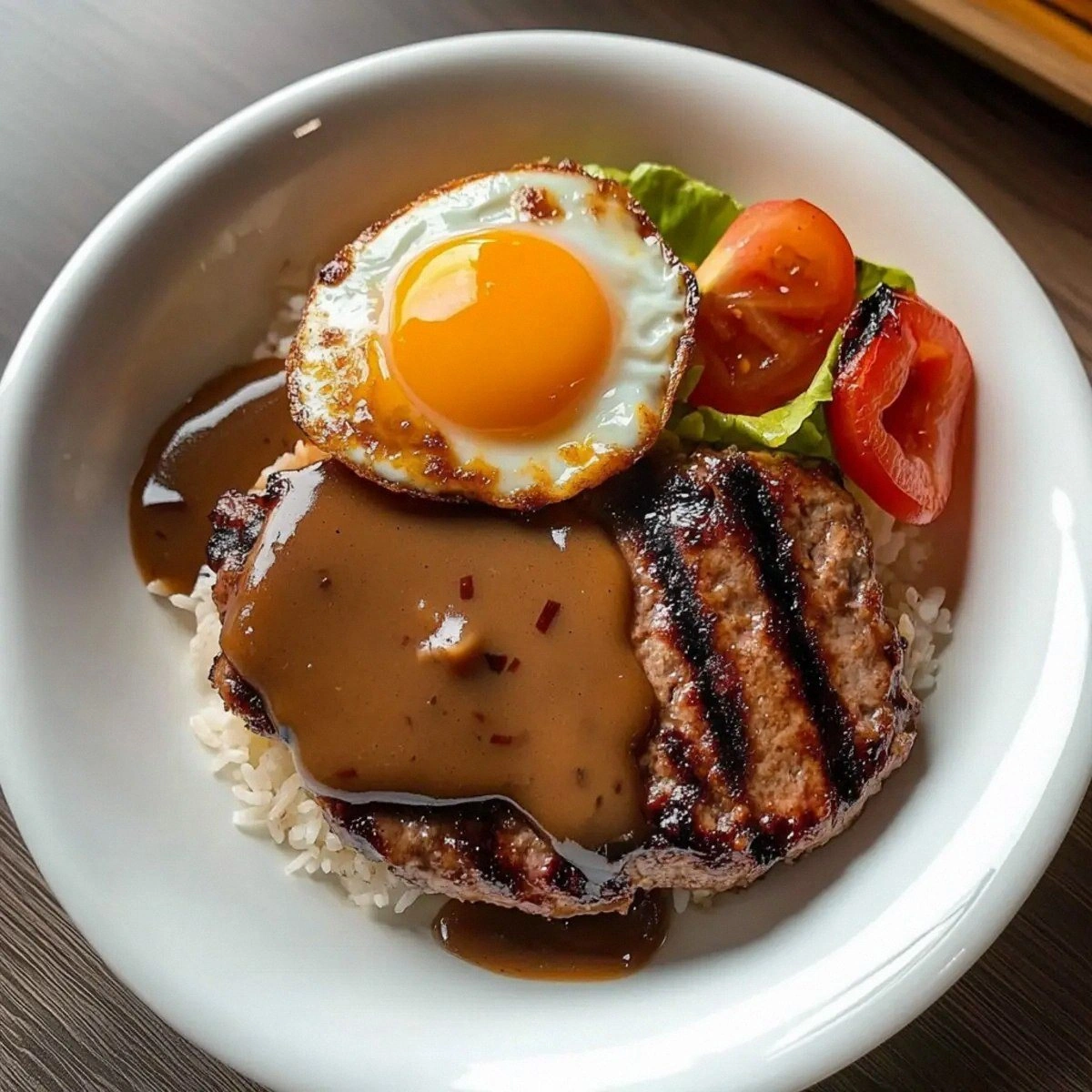
Skip the cheese and serve this over cauliflower rice or zucchini noodles. Add a fried egg on top because everything's better with a runny yolk that creates its own sauce. This version is so satisfying that you won't even miss the carbs, and it's packed with enough protein to keep you full until breakfast tomorrow.
The Veggie Overload
Add mushrooms with the onions, spinach during the last minute of cooking, and maybe some diced carrots with the bell pepper. Suddenly you've got a vegetable party where everyone's invited and somehow they all get along. This is my go-to when I need to clean out the fridge or when I've been eating like a teenager left alone with a credit card.
The Breakfast Remix
Add some breakfast sausage seasoning (sage, thyme, a touch of maple) and serve this topped with fried eggs. Suddenly you've got breakfast for dinner that tastes like you planned it instead of just being too tired to cook anything else. The runny egg yolk mixing with the tomato sauce is the kind of breakfast-dinner hybrid that makes you question why we ever separated these meals in the first place.
Storing and Bringing It Back to Life
Fridge Storage
This skillet keeps beautifully in the refrigerator for up to 4 days, making it the meal prep hero you didn't know you needed. Store it in an airtight container — glass works best because it won't absorb tomato stains and make your containers look like a crime scene. Let it cool completely before refrigerating, because hot food in a cold fridge creates condensation that leads to watery leftovers and nobody wants that kind of disappointment.
The flavors actually improve overnight as they meld together like old friends who finish each other's sentences. I've been known to make a double batch just to have leftovers for the week, which makes me feel like I've got my life together even when everything else is chaos. Pro tip: store any cheese separately if you want it to stay melty and gorgeous instead of turning into a solid rubbery sheet that requires power tools to remove.
Freezer Friendly
This dish freezes like a champion for up to 3 months, though I recommend freezing it without the cheese and adding that when you reheat. Portion it into individual servings before freezing — future you will thank present you when you can grab exactly what you need instead of chiseling off a chunk like you're excavating archaeological remains. Use freezer bags laid flat to save space, and don't forget to label with the date because frozen tomato sauce all looks the same after a month.
Thaw overnight in the refrigerator for best results, though in a pinch you can defrost it in the microwave at 50% power. The zucchini might lose a bit of its firmness after freezing, but the flavor stays intact and honestly, when you're hungry enough to eat frozen leftovers, texture is the least of your concerns.
Best Reheating Method
Skip the microwave unless you're truly desperate — it turns the zucchini into rubber and the sauce into something that splatters like it's angry about being reheated. Instead, warm it gently in a skillet over medium-low heat with a splash of water or chicken broth to loosen the sauce. Cover it for the first few minutes to create steam that brings everything back to life, then uncover and stir occasionally until it's heated through.
If you must use the microwave (no judgment, we've all been there), cover it with a damp paper towel and heat at 70% power in 30-second bursts, stirring between each round. Add a tiny splash of water before reheating — it steams back to perfection instead of turning into tomato-flavored cardboard. And always, always add fresh cheese after reheating instead of before, unless you enjoy the taste of dairy that's been through a nuclear reactor.