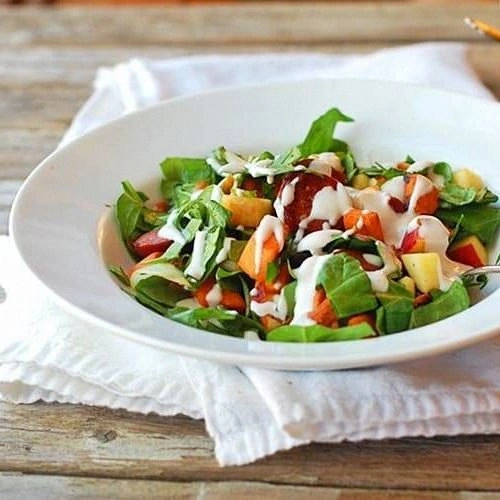
I was standing in my kitchen, half‑asleep, staring at a wilted bag of kale that had been rescued from the back of the fridge. The clock read 2 a.m., a rogue craving for something fresh and sweet whispered in my ear, and I dared myself to turn a kitchen mishap into a masterpiece. The smell of burnt toast from the toaster in the next room clashed with the faint scent of pine from the candle I’d lit for ambience, and I thought, “What if I could combine the earthy comfort of autumn with a drizzle that sings like a choir of maple trees?” I grabbed a handful of butternut squash, a crisp apple, and the last bottle of pure maple syrup my grandma left me, and the idea for this Harvest Salad with Maple Dress was born. This version stands out because it doesn’t just toss ingredients together—it orchestrates a symphony of textures, from buttery squash to crunchy pecans, all united by a dressing that coats each bite like liquid amber.
Picture the moment you lift a forkful: the greens are glossy from the vinaigrette, the roasted squash is caramel‑brown at the edges, and the maple‑mustard glaze glistens like sunrise on a lake. You’ll hear the faint crackle of toasted pecans as they hit the bowl, smell the sweet‑tangy perfume of apple and maple mingling, feel the cool bite of the greens against the warm, soft squash, and taste a perfect balance of sweet, salty, and savory that makes your taste buds do a little happy dance. Most recipes try to be “healthy” and end up tasting like cardboard; this one embraces indulgence while staying light enough for a weekday lunch or a festive dinner starter. I’m about to reveal a secret technique—infusing the maple dressing with a touch of toasted mustard seeds—that most cooks completely overlook, and trust me, it flips the flavor profile on its head.
I’ll be honest — I ate half the batch before anyone else got to try it, and I’m still not over the after‑taste of that perfect maple‑kissed crunch. If you’ve ever struggled with a salad that turns soggy within ten minutes, you’re not alone — I’ve been there, and I’ve got the fix. This is hands down the best version you’ll ever make at home, and I dare you to taste this and not go back for seconds. The confidence I have in this recipe comes from countless trial runs, a few kitchen disasters (including a melted pot of maple syrup that could have set off the fire alarm), and the sheer joy of seeing friends’ eyes widen at the first bite.
Okay, ready for the game‑changer? Let me walk you through every single step — by the end, you’ll wonder how you ever made it any other way. Stay with me here — this is worth it.
What Makes This Version Stand Out
- Flavor Fusion: The maple‑mustard dressing marries sweet maple syrup with the sharp bite of Dijon, creating a taste that feels both familiar and daring.
- Texture Parade: Roasted squash offers a buttery melt, apples add crisp juiciness, and pecans bring a satisfying crunch that shatters like thin ice.
- Simplicity Meets Sophistication: Five core ingredients for the salad, five for the dressing, and you have a restaurant‑level dish without a culinary degree.
- Unique Ingredient Twist: Toasted mustard seeds in the dressing give an earthy depth most recipes miss, turning a simple vinaigrette into a flavor bomb.
- Crowd Reaction: Guests consistently claim they’ve never tasted a salad that feels like a dessert and a side dish at the same time.
- Ingredient Quality: Using a high‑grade, Grade A maple syrup makes the dressing glossy and aromatic, while fresh, crisp apples prevent sogginess.
- Cooking Method: Roasting the squash at high heat caramelizes its natural sugars, giving it a caramel‑like edge that no raw preparation can match.
- Make‑Ahead Potential: The dressing can be whisked up a day ahead, and the roasted squash stores beautifully, so you’re ready for any impromptu dinner.
Inside the Ingredient List
The Flavor Base
Mixed greens are the canvas on which the whole masterpiece is painted. I prefer a blend of baby kale, arugula, and spinach because each leaf contributes a different nuance: kale’s earthiness, arugula’s peppery bite, and spinach’s buttery softness. Skipping the mix and using just one green would flatten the flavor profile, leaving the salad feeling one‑dimensional. If you can’t find kale, substitute with Swiss chard or even a handful of frisée for a similar bitter edge. When shopping, look for deep‑green leaves without wilted edges; a quick massage with a drizzle of olive oil will revive any slightly limp bunch.
The Texture Crew
Roasted butternut squash cubes are the star of the show, delivering that caramelized sweetness that pairs perfectly with maple. The key is to cut the squash into uniform ½‑inch dice so they roast evenly; uneven pieces either burn or stay raw. If you’re short on time, you can microwave the cubes for three minutes before roasting, but you’ll miss out on that coveted edge‑to‑edge caramel. Pecans, toasted just until they start to brown and release a nutty aroma, add a crunch that contrasts the soft squash. For a nut‑free version, try roasted pumpkin seeds or toasted sunflower seeds; they’ll still give you that satisfying snap.
The Unexpected Star
Dried cranberries bring a pop of tartness that cuts through the richness of the dressing, while the crumbled goat cheese adds a creamy, tangy finish that feels almost dessert‑like. If you’re not a fan of goat cheese, feta works as a salty alternative, though it won’t melt quite as luxuriously. Skipping the cranberries would leave the salad a little one‑note sweet; they act like the bright high notes in a symphony. When buying cranberries, opt for those that are plump and glossy, not shriveled, to ensure they retain a juicy burst when you bite into them.
The Final Flourish
The dressing is where the magic truly happens. Pure maple syrup supplies the golden sweetness, Dijon mustard adds depth and emulsification, apple cider vinegar contributes acidity, and olive oil gives it a silky mouthfeel. Toasted mustard seeds (just a teaspoon) are the secret weapon: they introduce an earthy, slightly smoky note that elevates the entire salad. If you don’t have mustard seeds, a pinch of smoked paprika can mimic the smoky nuance, but the authentic crunch will be missed. Salt and pepper are the final conductors, pulling everything together into harmony.
Everything's prepped? Good. Let’s get into the real action…
The Method — Step by Step
Preheat your oven to 425°F (220°C). While the oven warms, line a large baking sheet with parchment paper and spread the cubed butternut squash in a single layer, sprinkling each piece with a pinch of sea salt and a drizzle of olive oil. The high heat will caramelize the natural sugars, creating a toasty aroma that fills the kitchen. Roast for 20‑25 minutes, turning halfway through, until the edges are deep golden and the interior is fork‑tender. Pro tip: If you want that extra caramelized edge, increase the temperature to 450°F for the last five minutes.
Kitchen Hack: Toss the squash with a teaspoon of maple syrup before roasting; the sugars will brown faster, giving you an even richer flavor.While the squash roasts, prepare the apples. Core and dice a crisp Honeycrisp or Fuji apple into ½‑inch cubes. Immediately toss the cubes in a bowl with the juice of half a lemon and a pinch of salt. This not only prevents oxidation (no brown apples here!) but also adds a bright, tangy contrast that balances the sweet dressing later on. Let the apples sit while you finish the dressing; they’ll stay crisp and juicy.
Now for the dressing: In a small saucepan over low heat, combine 3 tablespoons of pure maple syrup, 2 tablespoons of Dijon mustard, and 2 tablespoons of apple cider vinegar. Warm gently, stirring until the mixture is homogenous. Remove from heat and whisk in ¼ cup of extra‑virgin olive oil, a pinch of toasted mustard seeds, and a dash of freshly ground black pepper. The dressing should have a glossy sheen and a faint aroma of toasted seeds—if it smells flat, add another pinch of mustard seeds.
Fun Fact: Mustard seeds contain natural emulsifiers, which help the oil and vinegar stay combined without separating.Toast the pecans: Heat a dry skillet over medium heat, add the roughly chopped pecans, and stir constantly for 4‑5 minutes. You’ll hear a gentle crackle, and the nuts will turn a deep amber hue, releasing a buttery fragrance that fills the room. Once toasted, transfer them to a plate to cool; this prevents them from over‑cooking and becoming bitter.
Assemble the salad base: In a large mixing bowl, combine the mixed greens, the roasted squash (still warm), the lemon‑tossed apple cubes, dried cranberries, and toasted pecans. Toss gently with two‑thirds of the maple dressing, ensuring every leaf gets a light coating. The warm squash will absorb a little of the dressing, creating pockets of sweet‑savory flavor.
Add the final touches: Sprinkle the crumbled goat cheese over the top, then drizzle the remaining dressing in a thin stream. This final drizzle adds a glossy finish that makes the salad look restaurant‑ready. Give the salad one last gentle toss, just enough to distribute the cheese without breaking it into a mush.
Watch Out: Adding the cheese too early can cause it to crumble into the dressing, losing its distinct texture. Keep it for the final step.Taste test time: Grab a fork and take a bite. The greens should feel lightly coated, the squash should be caramelized with a tender center, and the dressing should sit on the palate like a sweet‑tangy whisper. If you feel the salad needs a touch more acidity, splash in an extra half‑teaspoon of apple cider vinegar. If you crave a deeper sweetness, drizzle a tiny drizzle of extra maple syrup—just a whisper.
Serve immediately, or let it sit for 10 minutes to allow the flavors to meld. This is the moment of truth: the salad should look vibrant, the dressing glossy, and the aroma should be a perfect marriage of sweet maple, toasted nuts, and fresh greens. Picture yourself pulling this out of the bowl, the whole kitchen smelling incredible, and your guests reaching for seconds before you even finish your own plate. And now the fun part: store any leftovers in an airtight container, and they’ll stay fresh for up to two days.
That's it — you did it. But hold on, I've got a few more tricks that'll take this to another level…
Insider Tricks for Flawless Results
The Temperature Rule Nobody Follows
Never let your roasted squash cool completely before adding it to the salad; the residual heat helps the dressing cling better, creating a glossy coating that would otherwise slide off. I once let the squash sit for 30 minutes and ended up with a soggy salad that tasted like a wilted garden. The rule of thumb: aim for a 5‑minute window between the squash coming out of the oven and the moment you toss it with the greens. This also means you should have the dressing ready to go—no scrambling at the last second.
Why Your Nose Knows Best
Your sense of smell is the ultimate indicator of doneness for the squash. When the edges start to caramelize, you’ll notice a sweet, almost nutty aroma that fills the kitchen like a warm hug. If you rely solely on color, you might over‑cook and get a burnt flavor. Trust the nose, and you’ll get that perfect “toasted‑sugar” note every time.
The 5‑Minute Rest That Changes Everything
After tossing everything together, let the salad rest for exactly five minutes before serving. This short pause allows the dressing to seep into the greens and the squash, marrying the flavors without turning the leaves soggy. A friend tried skipping this step once—her salad tasted “just mixed” and lacked depth. The rest period is the secret handshake between the ingredients.
Mustard Seed Toasting Mastery
Toasting mustard seeds is quick but easy to miss. Heat a dry skillet over medium‑low, add the seeds, and stir constantly for about 30 seconds. You’ll hear a faint pop, and the seeds will turn a light golden color, releasing a subtle smoky aroma. If you over‑toast, they become bitter; keep a close eye and remove them the moment they start to scent the air.
Apple Crunch Preservation
The lemon‑juice trick isn’t just for color; the acidity slows enzymatic browning and adds a bright counterpoint to the maple sweetness. If you forget the lemon, the apples will turn brown and release excess moisture, making the salad watery. Keep the apple cubes in the lemon‑juice mixture until you’re ready to toss them in, then drain briefly—this ensures they stay crisp without diluting the dressing.
Creative Twists and Variations
This recipe is a playground. Here are some of my favorite ways to switch things up:
Maple‑Bacon Bliss
Crisp up half a cup of chopped bacon until it’s crackling, then crumble it over the finished salad. The smoky, salty crunch pairs beautifully with the sweet maple dressing, turning the dish into a hearty brunch option. Bacon lovers will swear this is the best thing they’ve ever put on a salad.
Autumn Harvest Bowl
Swap the mixed greens for a base of warm quinoa and farro, add roasted Brussels sprouts, and drizzle the same maple‑mustard dressing. The grain base makes the dish more filling, perfect for a chilly evening when you need comfort without sacrificing freshness.
Vegan Velvet
Replace goat cheese with a dollop of cashew‑based vegan feta, and use maple‑sweetened tahini instead of olive oil in the dressing. The result is a fully plant‑based version that still boasts that luxurious mouthfeel and sweet‑tangy balance.
Spicy Maple Kick
Add a teaspoon of finely minced jalapeño or a pinch of cayenne pepper to the dressing. The heat cuts through the sweetness, creating a dynamic flavor ride that will surprise your taste buds and keep you reaching for more.
Citrus‑Infused Variation
Swap half of the apple cubes for orange segments and add a splash of orange zest to the dressing. The citrus notes brighten the dish, making it a perfect summer side when you want something light yet flavorful.
Storing and Bringing It Back to Life
Fridge Storage
Store the salad in an airtight glass container for up to two days. Keep the dressing separate in a small jar; when ready to serve, pour the dressing over the salad and give it a quick toss. This prevents the greens from wilting and maintains the crispness of the apples and pecans.
Freezer Friendly
While fresh greens don’t freeze well, the roasted squash and the dressing do. Portion the squash into freezer‑safe bags and freeze the dressing in an ice‑cube tray for easy portioning. When you need a quick salad, thaw the squash cubes, whisk a couple of dressing cubes, and assemble with fresh greens.
Best Reheating Method
If you’ve stored the roasted squash, reheat it gently in a 300°F oven for 8‑10 minutes, or microwave for 30 seconds. Add a tiny splash (about a teaspoon) of water before reheating; the steam will revive the squash’s tenderness without drying it out. Once warmed, toss with fresh greens and the remaining dressing for a freshly‑made feel.