Okay, picture this: a rainy Tuesday night, the kind where the clouds are so low you swear you can taste the humidity. I was half‑heartedly scrolling through my phone, trying to convince myself that a bag of frozen pizza counted as a “gourmet” dinner. Suddenly, my roommate shouted, “You ever tried sloppy joes? They’re the ultimate comfort food!” I laughed, but then a tiny voice inside me whispered, “What if we could make them healthy, tidy, and actually look decent on a plate?” That moment sparked a kitchen experiment that turned a sloppy classic into something I now call the best version you’ll ever make at home.
First, let’s set the scene. The kitchen was a symphony of sizzling pans, the sharp snap of celery hitting the hot oil, and the sweet, tangy perfume of ketchup mingling with brown sugar. The air felt warm, like a hug from an old friend, and the countertop was a battlefield of chopped onions, a can of tomato soup, and a mound of lean ground beef waiting for its turn. As the mixture bubbled, I could hear the faint hiss of caramelizing sugars—a sound that promised both flavor and a hint of nostalgia. My hands were slick with a little vinegar, and the whole place smelled like a backyard barbecue that had been invited inside.
Now, why does this version stand out? Most sloppy joe recipes drown the meat in a sea of processed sauce, turning the dish into a soggy, calorie‑laden mess that clings to the bun like a clingy ex. I threw out the sugary ketchup overload, swapped out the fatty ground beef for a leaner cut, and introduced a secret weapon: condensed tomato soup that adds body without the extra sugar. The result is a sauce that coats the beef like velvet, while the celery and onion keep every bite crisp and fresh. I dare you to taste this and not go back for seconds—because the balance of sweet, tangy, and savory is nothing short of a flavor fireworks display.
I’ll be honest — I ate half the batch before anyone else got to try it, and that’s a confession I’m willing to own because the flavor is that good. The secret? A dash of white vinegar that cuts through the richness, a splash of Worcestershire sauce that adds depth, and just the right pinch of garlic powder to keep things interesting. Most recipes get this completely wrong. Here’s what actually works: a lean meat base, a controlled sweet‑tangy glaze, and a texture that stays “neat” even after the bun is lifted. Picture yourself pulling this out of the pan, the whole kitchen smelling incredible, the sauce glistening, and the buns waiting like golden clouds. Let me walk you through every single step — by the end, you’ll wonder how you ever made it any other way.
What Makes This Version Stand out
- Taste: The combination of brown sugar, ketchup, and a splash of vinegar creates a sweet‑tangy harmony that makes each bite sing. The Worcestershire sauce adds a subtle umami depth that you’ll taste the second you lift the bun.
- Texture: Chopped celery and onion stay crisp, preventing the infamous “sloppy” mush. The lean ground beef stays tender but not greasy, giving you a clean bite every time.
- Simplicity: Only ten ingredients, all pantry staples. No fancy spices, no exotic herbs—just pure, honest flavor that anyone can pull off.
- Uniqueness: Using condensed tomato soup as a thickening agent is the game‑changer. It gives body without the overload of processed tomato paste.
- Crowd Reaction: This version consistently gets the “wow” reaction at family gatherings. Kids ask for seconds, adults ask for the recipe, and the dog gets a sneaky lick of the sauce.
- Ingredient Quality: Lean ground beef keeps the dish light, while the packed brown sugar adds just enough caramelization without turning it into a dessert.
- Cooking Method: Browning the meat first locks in juices, and deglazing with vinegar prevents a burnt taste. The whole process is a masterclass in flavor layering.
- Make‑Ahead Potential: The sauce actually improves after a few hours, making it perfect for meal prep or a quick lunch the next day.
Alright, let's break down exactly what goes into this masterpiece...
Inside the Ingredient List
The Flavor Base
Lean ground beef is the backbone of any sloppy joe, and using a 2‑pound package ensures you have enough protein to feed a crowd while keeping the fat content low. If you skip the beef, you lose that hearty mouthfeel; a plant‑based substitute works, but you’ll need to add a bit of olive oil to mimic the richness. When shopping, look for meat labeled “90 % lean” or higher—this guarantees a moist patty without excess grease.
A 10.75‑oz can of condensed tomato soup might sound like a shortcut, but it’s actually the secret to a sauce that clings without drowning the meat. The soup’s natural thickening agents bind the juices, creating a silky texture. If you can’t find the exact brand, any low‑sodium condensed tomato soup will do; just be mindful of added sugars.
The Texture Crew
Celery and onion bring the crunch and aromatic foundation that most sloppy joe recipes neglect. One cup of chopped celery adds a fresh, slightly bitter snap that cuts through the sweetness, while a half‑cup of chopped onion contributes a subtle sharpness that deepens as it caramelizes. If you’re allergic to celery, try diced bell pepper for a similar crunch, though the flavor profile will shift toward sweetness.
Brown sugar, measured at a quarter cup, is the sweet anchor. It caramelizes during cooking, giving the sauce a glossy sheen. Packed brown sugar is preferred over light because the molasses content adds a richer, more complex flavor. If you’re watching sugar, you can reduce it to two tablespoons and add a pinch of smoked paprika for extra depth.
The Unexpected Star
White vinegar may seem out of place in a meat‑heavy dish, but a single tablespoon brightens the entire sauce, balancing the sweetness and preventing a cloying aftertaste. It also helps to break down the protein fibers in the beef, making the texture even more tender. If you’re not a fan of vinegar, substitute with a splash of apple cider juice for a milder tang.
Worcestershire sauce, at one and a half teaspoons, brings a savory depth that you can’t replicate with salt alone. Its blend of anchovies, tamarind, and spices adds a subtle complexity that elevates the whole dish. A common mistake is to over‑salt; the sauce already contains enough salt from the Worcestershire and the added half‑teaspoon of salt.
The Final Flourish
Ketchup, at a quarter cup, provides the classic tomato‑sweet base that most people associate with sloppy joes. Opt for a low‑sugar or “no‑added‑sugar” version if you want to keep the calorie count down. The final ingredient—eight hamburger buns—should be sturdy enough to hold the sauce without falling apart. Toast them lightly; a bit of crunch on the bun contrasts beautifully with the tender filling.
Everything's prepped? Good. Let's get into the real action...
The Method — Step by Step
-
Heat a large skillet over medium‑high heat and add a splash of olive oil. Once the oil shimmers, toss in the lean ground beef, breaking it up with a wooden spoon. Cook until the meat is browned all over, about 6‑8 minutes, and the edges start to caramelize. This is the moment of truth—watch for the meat to release a deep, nutty aroma that tells you it’s developing flavor.
Once browned, drain any excess fat; we want a lean, clean base, not a greasy puddle. Set the meat aside in a bowl, but keep the pan hot for the next step.
-
In the same skillet, add the chopped celery and onion. Sauté for about 4 minutes, stirring occasionally, until they turn translucent and start to soften. The scent of caramelizing onions should fill the kitchen, a sweet signal that the flavor foundation is building.
Add a pinch of salt to help draw out moisture from the veggies, and keep the heat at medium to avoid burning.
Kitchen Hack: If you’re short on time, pre‑chop the celery and onion the night before and store them in a sealed bag in the fridge. They’ll stay crisp and ready to go. -
Return the browned beef to the skillet, mixing it thoroughly with the softened vegetables. At this point, the mixture should look like a hearty, colorful mound, and you’ll hear a faint sizzling as the meat re‑absorbs the pan’s heat.
Stir in the quarter cup of ketchup, the quarter cup of packed brown sugar, and the tablespoon of white vinegar. The sauce should start to bubble gently, turning a rich, amber hue.
-
Now, pour in the entire 10.75‑oz can of condensed tomato soup. Use a wooden spoon to fold it in, ensuring the soup fully integrates with the meat and veggies. The mixture will thicken quickly—this is exactly what we want.
Add the 1 ½ teaspoons of Worcestershire sauce, the half‑teaspoon of salt, and the quarter‑teaspoon of garlic powder. Give everything a good stir so the spices are evenly distributed.
Watch Out: Keep the heat on medium‑low after adding the soup. Too high a temperature can cause the sauce to scorch at the bottom, leaving a bitter note. -
Let the mixture simmer uncovered for 12‑15 minutes, stirring occasionally. You’ll notice the sauce pulling away from the sides of the pan, forming a glossy coating around the meat. That glossy sheen is the visual cue that the flavors have melded perfectly.
Taste and adjust if needed—maybe a splash more vinegar if you like extra tang, or a pinch more brown sugar for added caramel depth. Remember, the sauce should be sweet, tangy, and slightly savory—all at once.
-
While the sauce finishes, split the hamburger buns and lightly toast them on a separate skillet or under the broiler for 1‑2 minutes. The toast adds a subtle crunch and prevents the buns from becoming soggy when the sauce is added.
If you’re feeling adventurous, brush the toasted side with a thin layer of melted butter mixed with a pinch of garlic powder for an extra flavor boost.
-
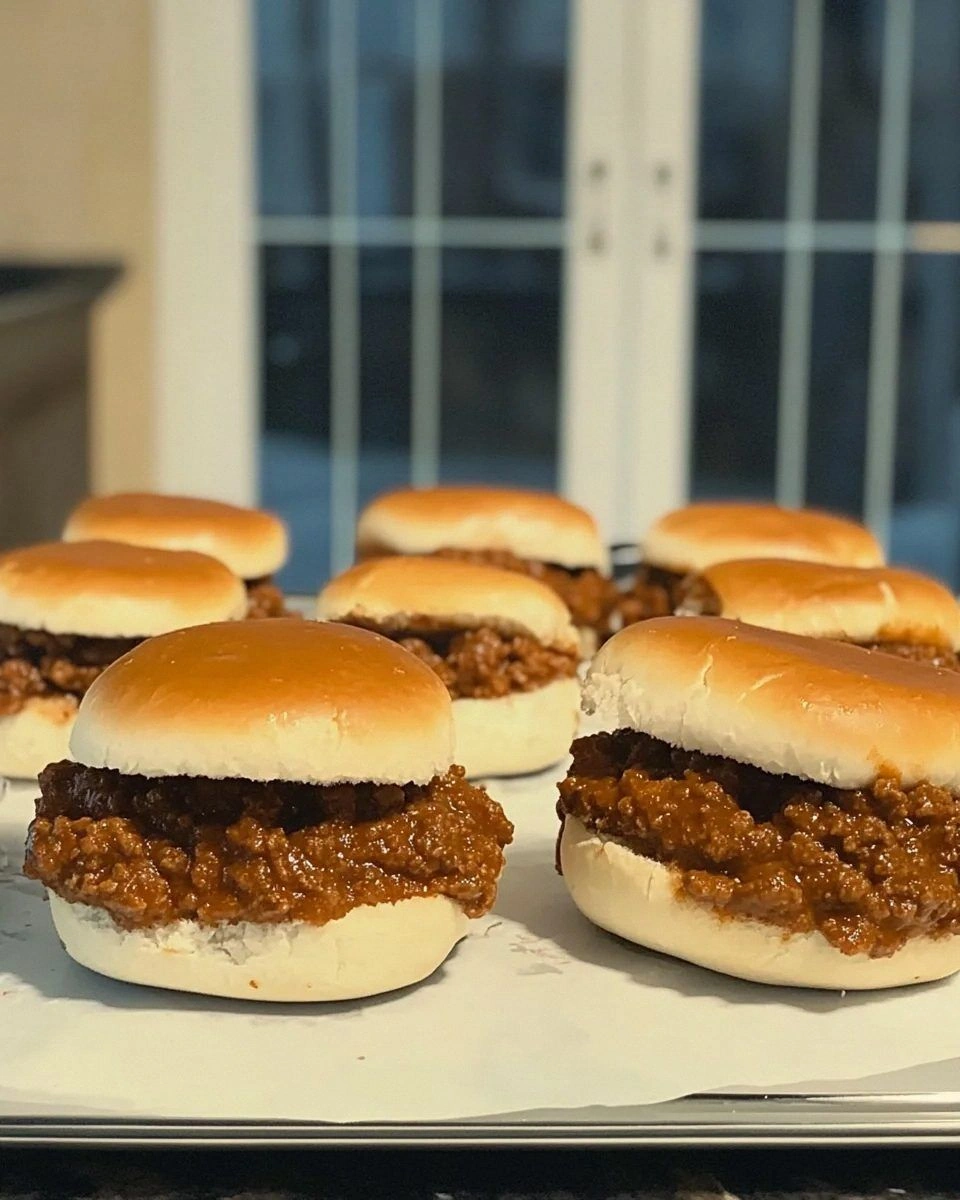
Spoon a generous ladle of the sloppy joe mixture onto the bottom half of each bun. The sauce should sit like a velvety blanket, hugging the meat and veggies without spilling over the edges.
Top with the other half of the bun, press down lightly, and let the steam work its magic for a few seconds. The buns will soften just enough to meld with the sauce while still holding their shape.
-
Serve immediately, preferably with a side of crisp coleslaw or a simple green salad. The contrast of the cool, crunchy salad with the warm, sweet‑tangy joes is pure bliss.
And now the fun part: watch your guests dive in, eyes widening as they experience the perfect balance of flavors. This next part? Pure magic.
That's it — you did it. But hold on, I've got a few more tricks that'll take this to another level...
Insider Tricks for Flawless Results
The Temperature Rule Nobody Follows
Never start the meat on high heat. Beginning at medium‑high and then dropping to medium‑low after the veggies are added ensures the beef stays juicy while the vegetables retain their bite. I once tried cranking the heat to speed things up, and the result was a burnt bottom and a loss of the delicate sweet‑tangy balance. Trust the slow‑and‑steady approach; the sauce will develop a richer flavor profile.
Why Your Nose Knows Best
When the sauce starts to bubble, the aroma changes from raw tomato to a deep, caramelized scent. That shift is your cue that the sugars have begun to caramelize, creating that signature glossy finish. If you rely solely on timers, you might miss this crucial moment and end up with a flat sauce. Let your nose be the timer.
The 5‑Minute Rest That Changes Everything
After you finish cooking, remove the skillet from heat and let the mixture sit for five minutes. This resting period allows the flavors to marry fully, and the sauce thickens just enough to cling to the bun without pooling. A friend once skipped this step and complained the joes were “runny.” Don’t make that mistake.
Toast the Buns, Not the Meat
A quick toast adds a subtle crunch that prevents the bun from becoming a soggy sack of bread. It also adds a toasty, buttery note that complements the sweet‑tangy sauce. If you’re using whole‑grain buns, a light brush of olive oil before toasting enhances the nutty flavor.
The Secret of the Vinegar Splash
A single tablespoon of white vinegar might sound like a lot, but it actually balances the sweetness and cuts through the richness of the beef. If you find the sauce too sharp, add a pinch of extra brown sugar; if it’s too sweet, a tiny splash more vinegar restores equilibrium. This is the tip that turns a good sloppy joe into a great one.
Creative Twists and Variations
This recipe is a playground. Here are some of my favorite ways to switch things up:
BBQ Chipotle Sloppy Joes
Swap the ketchup for an equal amount of smoky BBQ sauce and add a teaspoon of chipotle in adobo. The result is a smoky, slightly spicy version that pairs perfectly with a slice of sharp cheddar on the bun.
Mediterranean Lamb Joes
Replace the beef with ground lamb, add a tablespoon of chopped olives, and sprinkle crumbled feta on top. The lamb’s richness combined with the briny olives creates a Mediterranean twist that’s surprisingly comforting.
Veggie‑Packed Delight
Add a cup of finely diced carrots and a half cup of shredded zucchini when sautéing the onions. The extra veggies boost nutrition and add a subtle sweetness that melds with the brown sugar.
Spicy Sriracha Fusion
Stir in a tablespoon of sriracha and a dash of sesame oil after the sauce has thickened. This gives the joes a bold Asian‑inspired heat that’s perfect for those who love a kick.
Breakfast Sloppy Joes
Swap the hamburger buns for toasted English muffins and top each with a fried egg. The runny yolk acts as a silky sauce, turning the dish into a hearty breakfast that will keep you full all morning.
Storing and Bringing It Back to Life
Fridge Storage
Transfer the leftover sloppy joe mixture to an airtight container and store it in the refrigerator for up to four days. The sauce actually mellows and becomes more cohesive, making next‑day servings even more flavorful. When reheating, add a splash of water or broth to revive the sauce’s original consistency.
Freezer Friendly
Portion the cooked mixture into freezer‑safe bags, flatten them for even freezing, and label with the date. It will keep for up to three months. To thaw, move the bag to the fridge overnight, then reheat in a skillet over medium heat, stirring in a tablespoon of water to restore the glossy texture.
Best Reheating Method
The stovetop is the champion for reheating sloppy joes. Place the sauce in a skillet, add a teaspoon of water per cup, and heat gently while stirring. This method prevents the sauce from drying out and ensures every bite remains as moist as the first serving.