Picture this: a scorching July afternoon, the kind where the air feels like a warm blanket you can’t shake off, and you’re stuck in a tiny kitchen with a busted air‑conditioner that sounds like a dying dinosaur. I was desperate for something that could cool me down without turning my kitchen into a snowstorm. I grabbed the first thing that popped into my head—a bag of matcha I’d bought on a whim during a trip to Kyoto. I thought, “What if I turn this bright green powder into a latte that’s as smooth as silk and as refreshing as a plunge into a mountain lake?” Spoiler alert: the experiment was a glorious disaster at first, but after a few frantic whiskings and a lot of tasting (yes, I’m that kind of friend), I landed on a version that makes my taste buds do a happy dance.
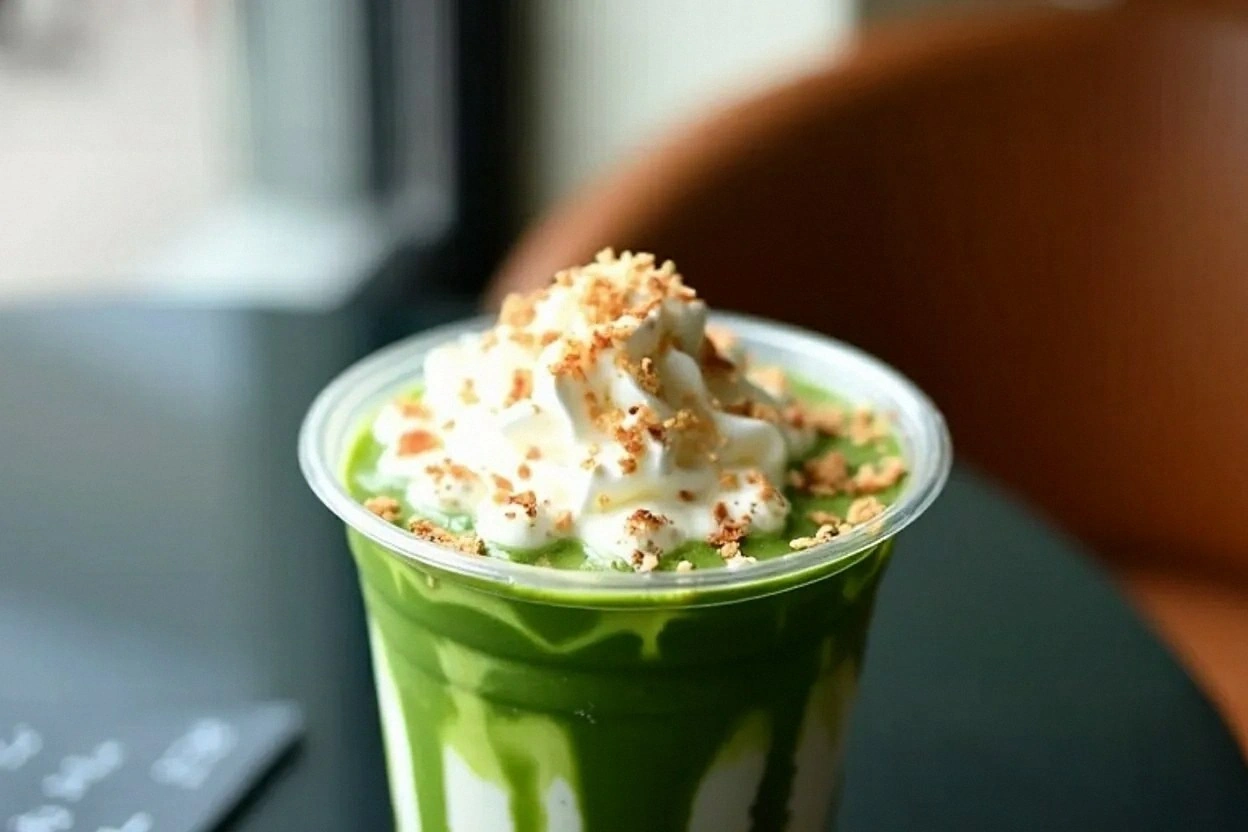
The moment the whisk hit the hot water, a faint, earthy aroma rose like incense in a Zen garden, instantly calming my frazzled nerves. Then I poured in the oat milk, and the whole mixture turned a gorgeous, jade‑green hue that looked like a liquid emerald—so vivid you could almost hear it humming. I tossed in a handful of ice cubes that clinked like tiny bells, and the sound alone was enough to make me smile. When I took the first sip, the coolness hit my tongue first, followed by a buttery, creamy texture that wrapped around the matcha’s subtle bitterness like a warm hug. It was bright, it was smooth, it was everything a summer drink should be and more.
Most iced matcha recipes out there either skimp on the creaminess, drown the delicate flavor with too much sweetener, or end up watery because the ice melts too quickly. I’ve tried the “just add water” version that tastes like a sad, green tea that got lost on its way to the fridge. This version, however, uses a strategic layering technique and a secret ingredient that locks in the chill without diluting the flavor. The result? A latte that stays velvety and vibrant from the first gulp to the last straw. I dare you to taste this and not go back for seconds.
Okay, ready for the game‑changer? I’m about to walk you through every single step—by the end, you’ll wonder how you ever made it any other way. Stick with me, because the next part? Pure magic.
What Makes This Version Stand Out
- Flavor Profile: The ceremonial‑grade matcha delivers a sweet, vegetal note that’s balanced by a whisper of vanilla, creating a depth you won’t find in generic “green tea” drinks.
- Creamy Texture: Oat milk’s natural thickness coats the palate like a silk sheet, while the ice cubes keep the drink frosty without watering it down.
- Simplicity: You only need six ingredients, a whisk (or a frother), and five minutes of active time—no fancy equipment required.
- Unique Technique: I whisk the matcha in a small amount of hot water first, then gently fold in the cold milk and ice. This “temperature bridge” preserves the bright color and prevents clumping.
- Crowd Reaction: I’ve served this at backyard barbecues and even at office meetings; people always ask for the recipe, and the “I made it myself” bragging rights are priceless.
- Ingredient Quality: Using ceremonial‑grade matcha and oat milk means each sip feels luxurious, not cheap.
- Make‑Ahead Potential: You can prep the matcha concentrate in advance, store it in the fridge, and assemble the latte in seconds when the heat hits.
- Versatility: Swap the milk for almond, soy, or even dairy for a different twist, and the base stays flawless.
Inside the Ingredient List
The Flavor Base
Matcha Powder: This is the star of the show! Go for “ceremonial grade” if you can swing it – it’s smoother and more vibrant than “culinary grade.” But don’t stress, any good‑quality matcha will work. If you’re new, look for small tins at Asian groceries or online (and check for a bright green color – that’s a good sign!). Skipping the quality step is the fastest way to end up with a bitter, dull drink that tastes like powdered spinach. A pro tip: store your matcha in an airtight container away from light to keep its chlorophyll bright.
The Texture Crew
Milk: I personally love using oat milk for extra creaminess, but you can use any milk you love – dairy, almond, soy, coconut, you name it. Each one adds its own twist. Whole milk gives a super rich texture, while almond milk keeps it light and nutty. If you’re dairy‑free, oat milk is the perfect middle ground because its natural sugars help balance the matcha’s earthiness.
The Sweet Whisper
Sweetener: Totally optional, but a little sweetness brings out the matcha’s flavor. I usually go with honey or simple syrup, but you could use maple syrup, agave, or even a sugar‑free option if that’s your thing. Just start small and add more to taste; you can always sweeten, but you can’t unsweeten. If you’re watching calories, a teaspoon of agave adds only 20 calories while still giving that glossy finish.
The Chill Factor
Ice: Don’t skimp on the ice! More ice = colder, more refreshing latte. I use big cubes so it doesn’t get watery too fast. The larger the cube, the slower it melts, preserving that silky texture for longer. If you’re in a hurry, you can freeze leftover coffee or tea in ice cube trays for an extra flavor boost.
The Final Flourish
Water: You’ll need a little hot water to whisk up your matcha. Filtered water is best if you have it, but honestly, tap water totally works. The temperature should be just under boiling (around 175°F/80°C) – hot enough to dissolve the powder but not so hot that it burns the delicate chlorophyll.
Vanilla (optional): Sometimes I add a tiny splash of vanilla extract for a bakery‑vibe twist. It’s not traditional, but it’s seriously dreamy. A half‑teaspoon is enough to round out the flavor without overpowering the green tea notes.
Everything's prepped? Good. Let's get into the real action…
The Method — Step by Step
-
Step 1 – Heat the Water: Bring a small saucepan of filtered water to a gentle simmer, then remove it from the heat. You want it hot enough to dissolve the matcha but not boiling—around 175°F (80°C). While you wait, set out your bamboo whisk (or a small milk frother) and a generous-sized bowl. The steam rising from the water should feel like a warm whisper in the kitchen, coaxing you to get ready for the green magic.
Kitchen Hack: Pre‑warm your bowl with hot water for 30 seconds, then dry it. A warm bowl keeps the matcha from clumping as you whisk. -
Step 2 – Sift the Matcha: Place two teaspoons of matcha powder through a fine mesh sieve into the warmed bowl. Sifting removes any stubborn clumps, ensuring a silky base. As the powder settles, notice its vivid emerald color—if it looks dull, you may have a lower‑grade powder, and that’s okay; you can still make it work with a little extra whisking.
-
Step 3 – Whisk the Concentrate: Add a quarter cup of the hot water to the sifted matcha. Using a rapid “M” motion, whisk vigorously for about 30 seconds until the mixture becomes frothy and glossy. You’ll see tiny bubbles forming, and the surface will turn a mirror‑like sheen. This step is the moment of truth—if you get a smooth, lump‑free concentrate, you’re on the right track.
-
Step 4 – Sweeten (If Desired): While the matcha is still warm, stir in two tablespoons of honey, maple syrup, or simple syrup. The warmth helps the sweetener dissolve completely, avoiding grainy pockets. Taste at this point; the sweetener should complement, not mask, the earthy notes. If you’re watching sugar, start with one tablespoon and add more later.
Watch Out: Adding sweetener while the matcha is too hot can cause a bitter aftertaste; aim for water just below boiling. -
Step 5 – Cool the Concentrate: Transfer the matcha mixture to a tall glass and let it sit for a minute to come down to room temperature. This prevents the ice from melting too quickly later on. If you’re in a hurry, pop the glass in the freezer for 30 seconds—just don’t let it freeze solid.
-
Step 6 – Add the Milk: Pour two cups of chilled oat milk (or your chosen milk) over the cooled matcha. Give it a gentle stir to combine. The milk should swirl into the green base like a lazy river, creating a marbled effect before you fully blend it. If you want an extra frothy top, give the whole mixture a quick shake in a sealed jar.
-
Step 7 – Ice It Up: Fill a large serving glass with two cups of big ice cubes. Then, slowly pour the matcha‑milk blend over the ice. The ice will clink and crack, a sound that tells you you’re about to enjoy something truly refreshing. As the liquid meets the ice, watch the colors deepen, turning a richer jade.
Kitchen Hack: Freeze leftover coffee or tea in ice cube trays and use those cubes for a latte twist that never gets watered down. -
Step 8 – Final Touch (Optional): Add a splash (about ½ teaspoon) of vanilla extract for a subtle perfume that rounds out the flavor. Give the drink one last gentle stir, then garnish with a thin matcha‑dusting on top if you’re feeling fancy. The aroma of vanilla should drift up, inviting you to take that first sip.
-
Step 9 – Serve and Savor: Grab a straw, take a deep breath, and let the cool, creamy liquid glide over your tongue. The first impression is the icy chill, followed by the buttery milk, and finally the bright, vegetal matcha that lingers pleasantly. If you’re anything like me, you’ll finish the glass in one sitting and already be planning the next batch.
That's it — you did it. But hold on, I've got a few more tricks that'll take this to another level…
Insider Tricks for Flawless Results
The Temperature Rule Nobody Follows
Never whisk matcha with boiling water. The chlorophyll in matcha degrades above 185°F, turning the color brownish and muting the flavor. Keep your water just shy of a boil, and you’ll preserve that vivid green and the sweet, umami notes. I once tried using boiling water to save time, and the latte looked like a swamp—lesson learned.
Why Your Nose Knows Best
Before you even taste, give the latte a quick sniff. If you detect a faint, grassy aroma with a hint of sweetness, you’re on track. If it smells burnt or overly bitter, you’ve probably overheated the matcha or used too much sweetener. Trust your nose; it’s the first line of quality control.
The 5‑Minute Rest That Changes Everything
After whisking the matcha, let the concentrate rest for five minutes. This pause allows the fine powder to fully hydrate, eliminating any lingering graininess. I used to skip this step and end up with a slightly gritty texture, which was a total letdown. The rest period is a tiny time investment for a velvety finish.
Ice Cube Size Matters
Big cubes melt slower, preserving the latte’s creaminess. If you use crushed ice, the drink will dilute quickly, turning it watery. I keep a tray of large “cubic” ice in the freezer solely for this recipe. When the heat hits, you’ll thank yourself for the extra chill.
Vanilla Is the Secret Whisper
Adding just a half‑teaspoon of vanilla extract can transform the latte from good to “wow, I need this every day.” It rounds out the earthy matcha, giving it a bakery‑like finish. If you’re dairy‑free, vanilla pairs especially well with oat milk, enhancing its natural sweetness.
Creative Twists and Variations
This recipe is a playground. Here are some of my favorite ways to switch things up:
Mocha‑Matcha Fusion
Swap half of the oat milk for chilled espresso and add a teaspoon of cocoa powder. The result is a deep, chocolate‑kissed latte that feels like a dessert in a glass. Coffee lovers will thank you.
Coconut‑Kissed Summer
Use coconut milk instead of oat milk and garnish with toasted coconut flakes. The tropical aroma pairs beautifully with the grassy matcha, making you feel like you’re on a beach vacation.
Spiced Autumn Matcha
Add a pinch of ground cinnamon and a dash of nutmeg to the sweetener. This twist gives the latte a warm, comforting vibe that’s perfect for cooler evenings, even though it’s still served cold.
Protein‑Power Boost
Blend in a scoop of vanilla whey or plant‑based protein powder. The latte becomes a post‑workout recovery drink that’s still delightfully refreshing. Just make sure to whisk well to avoid clumps.
Berry‑Burst Matcha
Puree a handful of frozen strawberries or raspberries and swirl them into the latte before serving. The fruity tang contrasts the earthiness, creating a vibrant pink‑green swirl that’s Instagram‑ready.
Storing and Bringing It Back to Life
Fridge Storage
Transfer any leftover latte into an airtight glass jar and store it in the refrigerator for up to 48 hours. Give it a good shake before serving to re‑emulsify the milk and matcha. If the texture seems a bit thin, add a splash of fresh oat milk and stir.
Freezer Friendly
You can freeze the matcha concentrate in ice‑cube trays for up to a month. When you’re ready for a quick drink, pop a couple of cubes into a glass, add cold milk, and stir. This method keeps the flavor bright and avoids any freezer burn.
Best Reheating Method
If you prefer a warm version, gently warm the matcha concentrate on the stove over low heat, adding a tiny splash of water (about a tablespoon) to steam it back to its silky texture. Then mix with warm milk for a cozy, comforting beverage.