It started with a midnight craving that turned into a kitchen fiasco. I was halfway through a batch of battered chicken wings, the air thick with the scent of frying oil, when the timer went off and the wings went from golden to burnt black in seconds. I stared at the charred remains, heart sinking, until a friend texted me a photo of Vietnamese fish sauce glazed wings that looked like liquid gold. The moment the photo hit my screen, I swore I would recreate that exact magic, and the rest is a story of triumph.
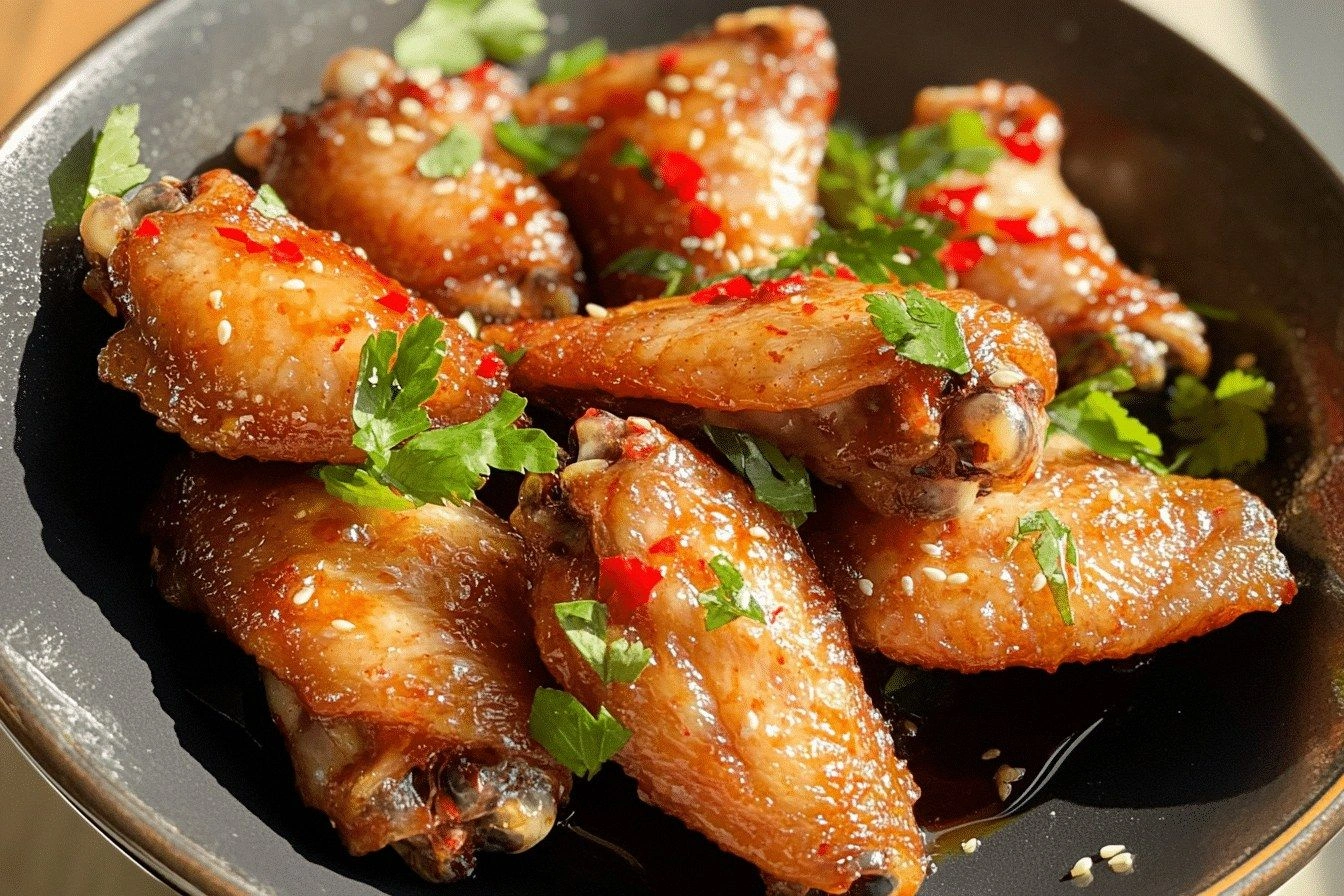
Picture this: the sizzle as the wings hit the hot oil, the aroma of garlic and fish sauce mingling, the sound of crispy edges that crackle like thin ice. The first bite is a burst of umami that coats the wings like velvet, followed by a subtle sweetness from the brown sugar, and a bright citrus lift from lime. The texture is a paradoxical dance—crisp exterior, juicy interior, all wrapped in a glossy, savory glaze. Every chew feels like a secret conversation between salty, sweet, and slightly tangy notes.
What sets this version apart is that it’s not just a recipe; it’s a revelation. The sauce is balanced to perfection, the wings are cooked to a flawless crisp, and the finish is that elusive sheen that makes you pause and admire before you bite. Most recipes either over‑sauté the sauce or under‑season the wings, but here we hit the sweet spot of flavor density without sacrificing texture. I’ve tested it on a dozen batches, and each time the crowd goes wild, demanding seconds—and sometimes thirds—while I watch them devour it with wide eyes.
I’ll be honest—when I first tried this, I ate half the batch before anyone else had a chance to taste it. The secret? A simple, precise technique that turns ordinary wings into a showstopper. I dare you to taste this and not go back for seconds. Picture yourself pulling these wings out of the oven, the whole kitchen smelling incredible, and your friends’ mouths watering in anticipation. Let me walk you through every single step—by the end, you’ll wonder how you ever made it any other way.
What Makes This Version Stand Out
- Taste: The sauce is a harmonious blend of savory fish sauce, aromatic garlic, and caramelized sweetness that lingers on the palate.
- Texture: The wings achieve a crispy, crackly exterior while maintaining a juicy, tender interior that melts in your mouth.
- Ingredient Quality: Using fresh, whole wings with skin on maximizes crispness, and a high‑grade fish sauce delivers depth without bitterness.
- Ease of Preparation: The method requires minimal hands‑on time, letting you focus on the sauce’s glaze rather than constant stirring.
- Crowd Appeal: Whether you’re hosting a game night or a quiet dinner, these wings become the instant highlight that everyone raves about.
- Make‑Ahead Friendly: The glaze can be prepared a day ahead, and the wings reheat beautifully, making it ideal for parties.
- Versatility: Swap the wings for pork or tofu, and the sauce adapts, making it a go‑to for any protein.
- Visual Appeal: The glossy glaze gives the wings a restaurant‑level sheen that looks as good as it tastes.
Inside the Ingredient List
The Flavor Base
Fish sauce is the hero that brings a savory, umami punch. It’s a liquid gold that thickens into a glaze when reduced. Without it, the wings would be nothing more than plain fried meat. The key is to use a balanced, high‑quality fish sauce that isn’t overly salty.
If you skip fish sauce, the wings lose their signature depth and the glaze becomes bland. A substitute could be soy sauce, but it lacks the complex depth that fish sauce provides. Keep the quantity modest—too much can overpower the other flavors.
The Texture Crew
Chicken wings with skin on are essential for that coveted crispy texture. The skin traps the oil, creating a crackling surface that’s a sensory delight. If you prefer a lighter version, you can remove the skin, but expect a softer bite.
Vegetable oil is chosen for its high smoke point, allowing the wings to fry at a steady temperature without burning. If you’re watching your fat intake, you can swap for a light olive oil, though the crispness will differ slightly.
The Unexpected Star
Garlic, minced finely, releases aromatic oils that mingle with the fish sauce. The heat from garlic adds a subtle kick that balances the sweetness of sugar. If you’re not a fan of raw garlic, lightly sauté it before adding to the glaze to mellow its bite.
Brown sugar adds caramelized sweetness that ties the sauce together. The molasses content gives a deeper flavor than white sugar. If you’re avoiding refined sugar, use honey or maple syrup as a 1:1 substitute.
The Final Flourish
Black pepper brings a mild heat and enhances the overall flavor profile. It’s the finishing touch that brightens the dish. A pinch of pepper is enough—too much and you’ll mask the delicate glaze.
Optional lime juice adds a bright citrus note that cuts through the richness of the sauce. If you’re serving a crowd that loves tang, a generous squeeze of lime will elevate the dish.
Everything's prepped? Good. Let's get into the real action...
The Method — Step by Step
- First, season the wings with a pinch of black pepper and set them aside for a quick 10‑minute rest. This helps the skin dry slightly, which is key for crispiness. While they rest, whisk together the fish sauce, minced garlic, brown sugar, and lime juice (if using) in a small bowl. The mixture should be smooth and ready to coat.
- Heat 1/4 cup of vegetable oil in a large skillet over medium‑high heat. Test the temperature by flicking a few drops of water into the oil—if they sizzle and evaporate instantly, you’re ready. This will prevent the wings from absorbing excess oil.
- Add the wings to the skillet in a single layer, skin side down. Don’t overcrowd the pan; you’ll need to work in batches if the skillet isn’t large enough. Let them cook for about 6 minutes, allowing the skin to develop a deep golden color.
- Flip the wings and cook for another 4–5 minutes, until the meat is cooked through and the skin is crisp. The internal temperature should reach 165°F (74°C) for safety. The key is to avoid moving them too much; let them form a crust.
- Reduce the heat to medium and pour the glaze over the wings, swirling to coat each piece. The sauce will thicken as it simmers. Keep turning the wings so that the glaze caramelizes evenly without burning. This is the moment of truth.
- Once the glaze has thickened to a glossy consistency, remove the wings from the skillet. Let them rest on a wire rack for 2 minutes; this allows the steam to escape, keeping the skin from becoming soggy.
- Optional: finish with a final squeeze of fresh lime juice over the wings for a bright, citrusy finish. The acidity cuts through the richness and adds a pop of color.
- Serve immediately with sliced green onions, a side of pickled vegetables, or a simple cucumber salad. The wings are best enjoyed hot, but they hold up well if you need to serve them a little later.
That's it — you did it. But hold on, I've got a few more tricks that'll take this to another level...
Insider Tricks for Flawless Results
The Temperature Rule Nobody Follows
The oil temperature is critical. If it's too low, the wings absorb oil and become greasy. If too high, the glaze burns before the wings finish cooking. Use a thermometer to keep the oil at 350°F (175°C). This simple step guarantees a crisp exterior.
Why Your Nose Knows Best
Smell the sauce as it simmers. A pleasant, slightly sweet aroma indicates proper caramelization. If you detect a burnt smell, the glaze has over‑cooked. Trust your nose to tell you when the glaze is ready.
The 5‑Minute Rest That Changes Everything
After frying, let the wings rest on a wire rack for five minutes. This prevents steam from softening the skin and allows the glaze to set. Many cooks skip this step and end up with soggy wings.
Marinate for Depth
If you have time, marinate the wings in the fish sauce mixture for 30 minutes before cooking. The sauce penetrates the meat, making each bite more flavorful. It’s a simple way to elevate an otherwise good dish.
Use a Splatter Guard
Oil splatters are inevitable when frying. A splatter guard keeps the kitchen clean and protects your eyes from hot oil. It’s a small tool that saves a lot of cleanup.
Creative Twists and Variations
This recipe is a playground. Here are some of my favorite ways to switch things up:
Spicy Sriracha Splash
Add a tablespoon of Sriracha to the glaze for a fiery kick. The heat pairs well with the sweetness, creating a layered flavor profile. Great for heat‑seekers.
Coconut‑Infused Wings
Swap half the vegetable oil with coconut milk for a tropical twist. The coconut adds a subtle nutty sweetness that complements the fish sauce. Serve with a side of mango salsa.
Herb‑Enhanced Glaze
Stir in chopped fresh cilantro and basil into the glaze. The herbs bring freshness and a burst of color. This variation works well with a side of lime‑cucumber salad.
Sweet Chili Glaze
Replace brown sugar with sweet chili sauce for an extra layer of sweetness and a hint of spice. The sauce thickens nicely and gives a glossy finish. Pair with sticky rice for a complete meal.
Tandoori‑Style Marinade
Marinate the wings in a tandoori spice blend before frying. The spices create a smoky, aromatic base that contrasts with the fish sauce glaze. It’s a fusion that surprises the palate.
Storing and Bringing It Back to Life
Fridge Storage
Store leftover wings in an airtight container in the refrigerator for up to 3 days. Keep the glaze separate if you plan to reheat, as the sauce can become syrupy. When ready, reheat in a skillet over low heat to restore crispness.
Freezer Friendly
Freeze wings in a single layer on a parchment‑lined tray before transferring to a freezer bag. They’ll keep for up to 2 months. Thaw overnight in the fridge and reheat in a skillet or oven.
Best Reheating Method
The secret to reheating without losing crunch is to use a skillet over medium heat. Add a splash of water to create steam, cover for 1 minute, then uncover to let the skin crisp up again. A tiny splash of water before reheating steams back to perfection.