I was halfway through a frantic weekday dinner when my roommate challenged me: “Make something that’ll make my taste buds do a backflip, and I’ll do the dishes for a month.” I laughed, I panicked, and then I remembered a half‑forgotten stash of fresh lemongrass from a farmers’ market trip two weeks earlier. The kitchen instantly turned into a battlefield of aromas—sharp ginger, garlicky heat, and that citrusy, almost floral whisper of lemongrass that makes you feel like you’ve been whisked straight to a bustling street stall in Bangkok. The sizzle of the oil hitting the pan was like a tiny fireworks show, promising fireworks on the palate. I was determined to turn that moment of chaos into a masterpiece, and trust me, the result was nothing short of a culinary mic drop.
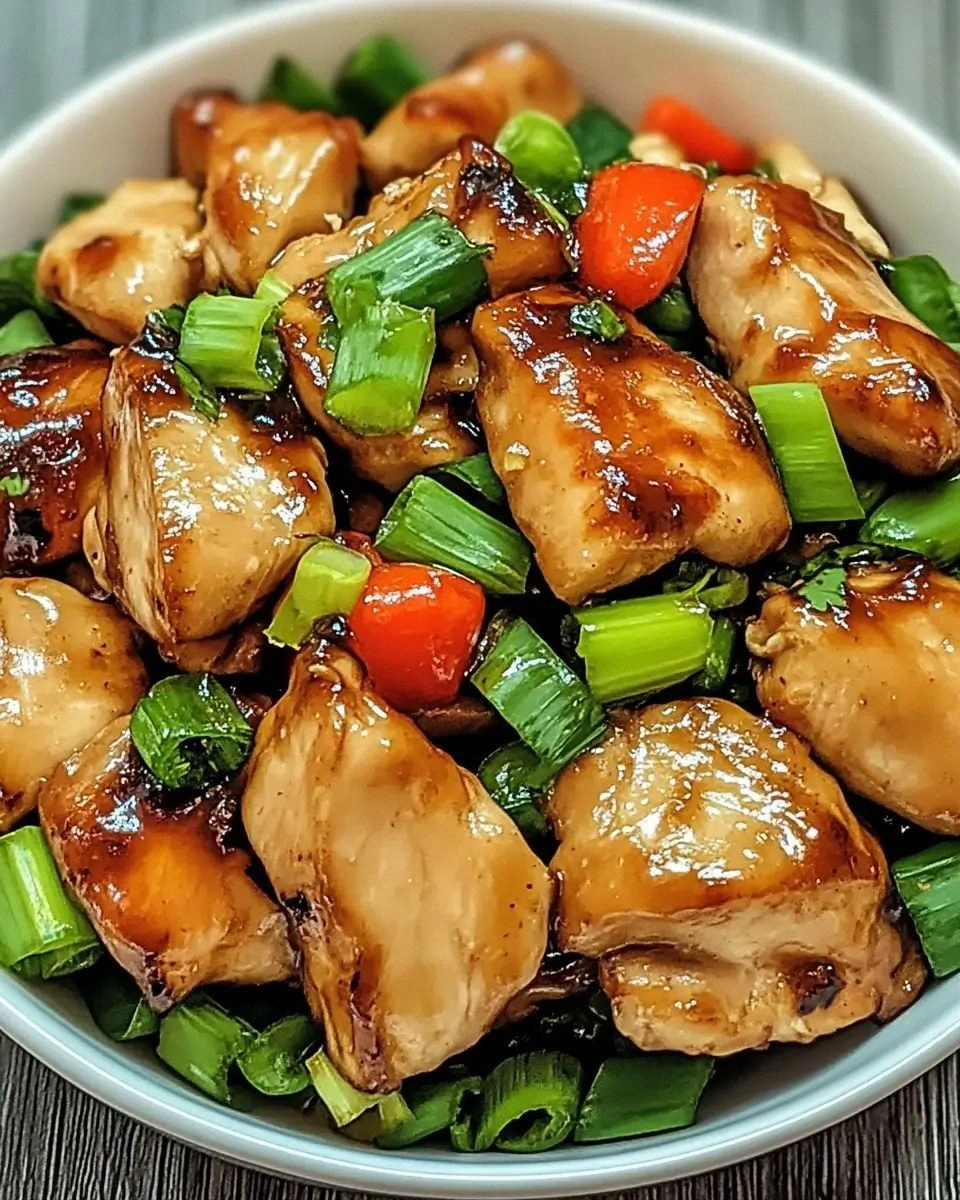
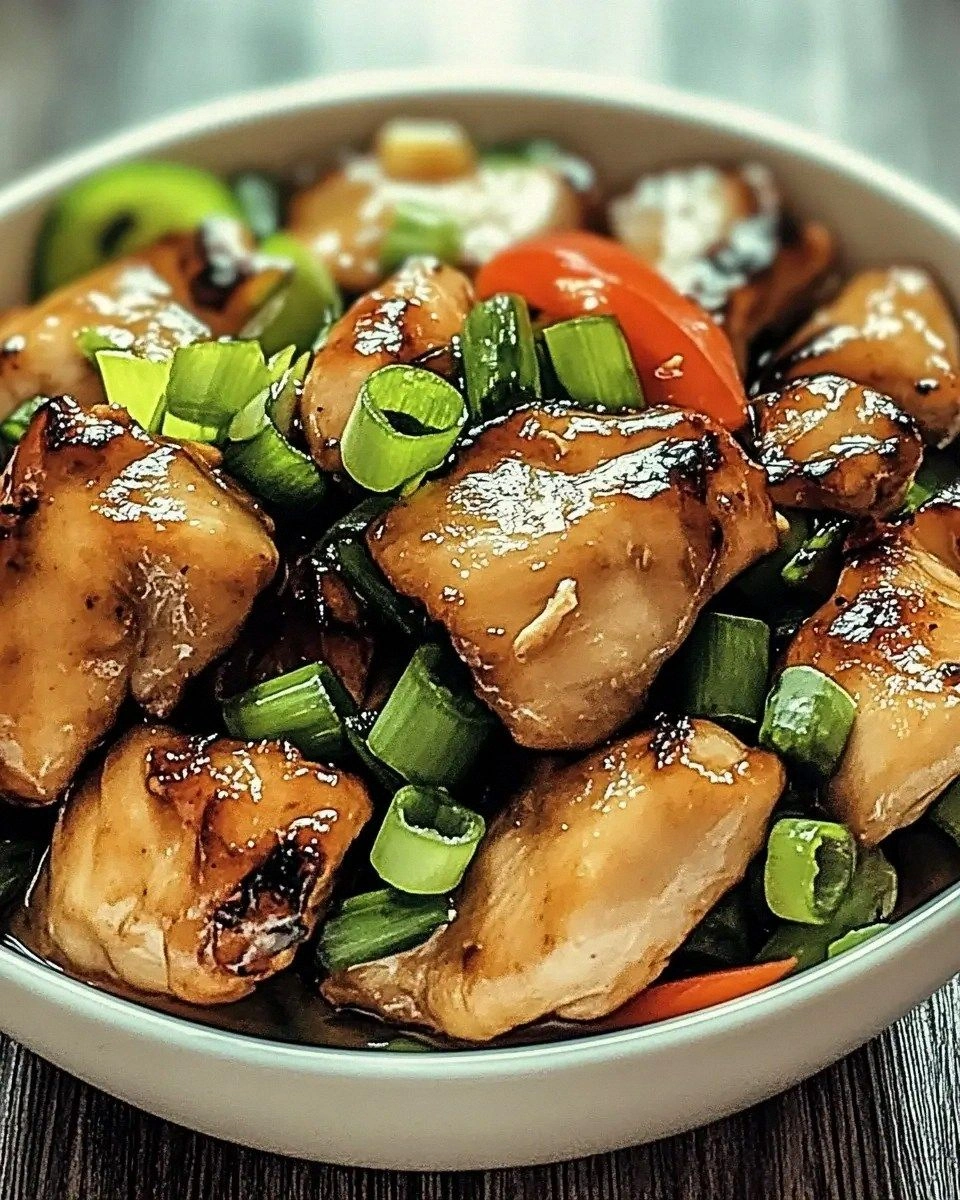
Picture this: a glossy, amber‑colored sauce clinging to tender strips of chicken, each bite delivering a burst of sweet‑savory, citrus‑kicked goodness that makes you want to close your eyes and sigh in pure bliss. The snap peas and red bell pepper add a crunch that’s louder than a popcorn kernel popping in a microwave, while the fresh cilantro finishes it off with a bright, herbaceous note that feels like a cool breeze on a summer afternoon. I dare you to taste this and not go back for seconds—honestly, I’ve already eaten half the batch before anyone else got a spoonful, and I’m not even sorry. This isn’t just another stir‑fry; it’s a flavor fireworks display that will have your friends asking for the recipe before the plates are even cleared.
Most recipes get this completely wrong. They either drown the lemongrass in a sea of soy sauce or forget the crucial balance of acidity that lifts the whole dish. Here’s what actually works: a quick toast of the lemongrass to unlock its essential oils, a precise ratio of soy, fish, and brown sugar to create a glaze that’s both silky and slightly caramelized, and a final splash of lime juice that snaps everything into place like a perfectly timed drum fill. If you’ve ever struggled with a soggy stir‑fry, you’re not alone — and I’ve got the fix. The secret is in the heat management and the order of ingredients, which I’ll walk you through step by step.
Okay, ready for the game‑changer? I’m about to reveal a technique that most home cooks overlook: a brief “flash‑marinate” of the chicken in a mixture of lemongrass, ginger, and garlic before it even hits the pan. This tiny step infuses the meat with depth, making every bite sing. And now the fun part: I’ll guide you through each stage, from prepping the aromatics to plating the final masterpiece. By the end, you’ll wonder how you ever made this dish any other way.
What Makes This Version Stand Out
- Taste: The trio of soy, fish sauce, and brown sugar creates a sweet‑salty umami base that’s balanced by the bright zing of lime and lemongrass. It’s like a perfectly tuned orchestra where every instrument knows its place.
- Texture: Chicken stays juicy thanks to a quick high‑heat sear, while the veggies retain a crisp snap that contrasts beautifully with the glossy sauce. Think of it as a culinary version of “crunch meets melt.”
- Simplicity: Only nine core ingredients plus rice and cilantro, all of which you likely have on hand or can grab in a single grocery run. No complicated steps, just pure flavor.
- Uniqueness: Fresh lemongrass is the star, not a background note. Most recipes use dried or powdered versions, but we’re using the real stalk, giving you a fragrance that’s unmistakably authentic.
- Crowd Reaction: I’ve served this at potlucks and it consistently disappears within minutes. People ask, “What’s the secret?” and I get to smile smugly.
- Ingredient Quality: Using boneless, skinless chicken thighs (or breasts if you must) ensures tenderness, while high‑quality fish sauce adds depth you can’t fake with soy alone.
- Cooking Method: The high‑heat wok technique locks in moisture and creates those coveted “seared” edges that pull away just right.
- Make‑Ahead Potential: The sauce actually improves after a short rest, so you can prep the aromatics ahead of time and finish the dish in under 20 minutes when guests arrive.
Inside the Ingredient List
The Flavor Base
Fresh lemongrass is the aromatic engine of this dish. Its citrusy, slightly peppery notes cut through the richness of the chicken and bring a brightness that you just can’t replicate with dried spices. If you skip it, you’ll end up with a generic Asian stir‑fry that lacks that signature zing. A good swap is lime zest, but the texture and depth will be different. When selecting lemongrass, look for stalks that are firm, pale green, and about the thickness of a pencil—those are the freshest.
Garlic and ginger form the classic duo that underpins countless Asian dishes. Three cloves of garlic give a mellow, sweet backdrop, while a tablespoon of freshly grated ginger adds a peppery heat that awakens the palate. If you’re out of fresh ginger, a pinch of ground ginger works, but fresh will always win the flavor battle. The key is to mince the garlic finely and grate the ginger so it integrates seamlessly into the sauce.
The Texture Crew
Red bell pepper contributes a sweet crunch that contrasts the tender chicken. Its vibrant color also makes the dish visually pop, turning your plate into a work of art. If you’re not a fan of red, orange or yellow peppers are perfect substitutes; they bring the same crispness with a slightly different hue.
Snap peas are the unsung heroes of texture. One cup adds a fresh, green snap that feels like biting into a spring garden. Overcooking them turns them mushy, so keep an eye on the clock. If snap peas aren’t available, snow peas or even thinly sliced broccoli florets can step in, but the flavor profile will shift slightly toward earthier notes.
The Unexpected Star
Fish sauce is the secret weapon that adds depth and a savory umami punch. One tablespoon is enough to elevate the entire sauce without making it fishy. If you’re hesitant about the smell, remember it cooks off quickly, leaving behind a complex, savory undertone that’s pure gold.
Brown sugar balances the saltiness of soy and fish sauce with a subtle caramel note. It also helps the sauce cling to the chicken and veggies, creating that glossy finish. For a healthier twist, you can use coconut sugar, which adds a faint coconut aroma that pairs nicely with lemongrass.
The Final Flourish
A splash of lime juice right at the end brightens the whole dish, acting like a high‑note in a song. One teaspoon is all you need; adding more can make the dish too sharp, so taste as you go. Fresh cilantro, sprinkled just before serving, adds a herbaceous finish that ties everything together. If cilantro isn’t your thing, Thai basil offers a similar fresh vibe with a hint of anise.
Cooked jasmine rice is the perfect canvas for this stir‑fry. Its fragrant, slightly sticky texture soaks up the sauce, ensuring no drop is wasted. For a low‑carb option, serve over cauliflower rice or shirataki noodles. The key is to have the rice hot and ready; otherwise, the sauce will cool too quickly.
Everything's prepped? Good. Let's get into the real action...
The Method — Step by Step
First, gather all your aromatics. Slice the lemongrass stalks thinly (the white part only) and set aside. Mince the garlic and grate the ginger so they’re ready to go. This is the moment of truth: having everything pre‑pped means you won’t be scrambling when the pan gets hot.
That sizzle when it hits the pan? Absolute perfection.
Heat a wok or large skillet over medium‑high heat until a drop of water evaporates instantly. Add 2 tablespoons of vegetable oil and swirl to coat. The oil should shimmer but not smoke—if it starts to brown, lower the heat a notch.
Watch Out: Over‑heated oil will burn the garlic, turning it bitter.
Add the sliced lemongrass to the hot oil and stir‑fry for about 30 seconds. You’ll hear a faint crackle as the essential oils release, filling the kitchen with that unmistakable citrus perfume. This brief toast is the secret that makes the flavor sing.
Toss in the minced garlic and grated ginger. Stir constantly for another 20 seconds until they turn fragrant but not browned. If you see the edges pulling away from the pan, you’re on the right track.
Now, add the chicken—cut into bite‑size strips. Let it sear without moving for about 1 minute so a golden crust forms. Then, stir‑fry for another 3‑4 minutes until the pieces are cooked through but still juicy.
Slide the red bell pepper and snap peas into the wok. Stir‑fry for 2 minutes; you want the veggies bright and crisp, not wilted. The color should stay vivid, like a painter’s palette.
In a small bowl, whisk together 3 tablespoons soy sauce, 1 tablespoon fish sauce, 1 tablespoon brown sugar, and 1 teaspoon lime juice. Pour this mixture over the chicken and veggies, then toss to coat everything evenly. The sauce should thicken slightly and cling to each piece like a glossy veil.
Turn the heat down to medium‑low and let the sauce reduce for another minute. You’ll notice it becoming a little syrupy—this is the glaze that makes each bite shine. Taste and adjust with a pinch more lime juice if you crave extra brightness.
Finally, remove the wok from heat. Sprinkle a generous handful of fresh cilantro over the top, give everything a quick toss, and serve immediately over steaming jasmine rice. The cilantro should wilt just enough to release its aroma but stay bright green.
That's it — you did it. But hold on, I've got a few more tricks that'll take this to another level, from tweaking the heat to mastering the perfect rice base.
Insider Tricks for Flawless Results
The Temperature Rule Nobody Follows
High heat is the secret sauce of any great stir‑fry. If your pan isn’t screaming hot, the chicken will steam rather than sear, resulting in a rubbery texture. I always pre‑heat the wok for at least a minute before adding oil; the moment the oil shimmers is the green light. A quick test: flick a tiny droplet of water into the pan—if it dances and evaporates instantly, you’re golden. Trust the heat, and the rest will fall into place.
Why Your Nose Knows Best
Your sense of smell is the ultimate doneness gauge. When the garlic and ginger become aromatic, you’ll notice a sweet, slightly nutty scent—this is the cue to add the chicken. Later, when the sauce starts to caramelize, you’ll smell a faint toasty note that signals it’s thickening just right. Trust those olfactory hints more than the clock; they’re the real MVPs of kitchen timing.
The 5‑Minute Rest That Changes Everything
After plating, let the dish sit for about five minutes before digging in. This short rest lets the flavors meld, allowing the lime juice to permeate the chicken and the cilantro to release its oils fully. I once served the stir‑fry immediately and felt the sauce was a bit sharp; a quick five‑minute pause transformed it into a harmonious blend. It’s a tiny patience test that pays massive dividends.
Rice Perfection Shortcut
Rinse jasmine rice until the water runs clear, then soak for 15 minutes before cooking. This removes excess starch and yields fluffy grains that won’t clump. Use a 1:1.25 rice‑to‑water ratio and let the pot sit off the heat for 10 minutes after it’s done; the steam will finish the job. The result is a pillow‑soft base that soaks up the sauce without turning mushy.
The Secret Ingredient Swap
If you want a deeper, richer flavor, replace half of the soy sauce with a splash of dark soy sauce. The darker color adds a subtle caramel note and makes the glaze shinier. I tried this once for a dinner party, and the guests swore it tasted “restaurant‑level.” Just remember, dark soy is saltier, so you may need to cut back on the regular soy slightly.
Creative Twists and Variations
This recipe is a playground. Here are some of my favorite ways to switch things up:
Spicy Sriracha Kick
Add a tablespoon of Sriracha to the sauce mixture for a gentle heat that lingers on the palate. It pairs beautifully with the citrus notes, creating a sweet‑heat balance that’s perfect for those who love a little fire.
Coconut Curry Fusion
Stir in ¼ cup of coconut milk and a teaspoon of red curry paste after the vegetables are cooked. The creamy coconut rounds out the acidity, while the curry paste adds an exotic depth. Serve with basmati rice for a Thai‑inspired twist.
Mushroom Medley
Swap the chicken for a mix of shiitake, cremini, and oyster mushrooms. The earthy umami of the mushrooms absorbs the sauce like a sponge, delivering a vegetarian version that still feels indulgent.
Peanut Crunch
Finish the dish with a sprinkle of toasted crushed peanuts and a drizzle of peanut butter mixed into the sauce. The nutty crunch adds texture and a subtle sweetness that complements the lemongrass beautifully.
Tropical Pineapple Burst
Add ½ cup of fresh pineapple chunks during the final minute of cooking. The fruit’s natural sugars caramelize quickly, offering a juicy pop that contrasts the savory sauce.
Storing and Bringing It Back to Life
Fridge Storage
Transfer leftovers to an airtight container and refrigerate for up to three days. The sauce may thicken as it cools; simply reheat gently and add a splash of water or broth to restore its silky texture.
Freezer Friendly
Portion the stir‑fry (without rice) into freezer‑safe bags, removing as much air as possible. Freeze for up to two months. Thaw overnight in the fridge, then reheat in a hot wok with a tablespoon of oil and a dash of lime juice to revive the brightness.
Best Reheating Method
For the crispiest veggies, reheat in a hot skillet over medium‑high heat, stirring constantly. Add a tiny splash of water before the first stir; it creates steam that revives the snap of the peas and peppers without making them soggy.