I still remember the night the kitchen exploded in a chorus of sizzling onions and a sudden, unforgiving splatter of tomato paste. My friends had dared me to cook a “real” Bolognese without the animal products that usually carry the sauce’s weight, and I thought, “Why not?” The result was a bowl of lentil Bolognese that was so rich it could have been served in a Michelin‑star restaurant, yet it was made with a single pot and a handful of pantry staples. The moment the sauce hit the pan, the air filled with the deep, earthy aroma of lentils simmering with carrots, celery, and garlic – a smell that instantly turned a bland evening into an epicurean adventure. That night, my taste buds were assaulted by a sauce that clung to the pasta like velvet, each bite delivering a symphony of umami, sweetness, and a subtle hint of spice that made me grin from ear to ear. I dared you to taste this and not go back for seconds – trust me, you won’t.
The first thing you notice is the texture: the lentils are tender, almost creamy, yet they retain a faint bite that gives the sauce depth. The carrots and celery add a gentle crunch that pops against the softness, while the tomato paste gives the sauce a glossy sheen that glistens against the pasta. The aroma is a warm, comforting hug – a blend of oregano, basil, and a whisper of bay leaf that makes the entire kitchen feel like a cozy Italian trattoria. The sound of the sauce bubbling is music, and the sight of the sauce thickening into a luscious, glossy brown is a visual cue that you’re on the right track.
What makes this version stand out is not just the flavor, but the philosophy behind it. I’ve stripped away the excess, kept the ingredients honest, and let the lentils do the heavy lifting. The result is a sauce that is both hearty and light, a true plant‑based Bolognese that doesn’t sacrifice authenticity for veganism. I’ve also added a secret ingredient that most people overlook – nutritional yeast – which adds a savory depth that mimics the umami of cheese without any dairy. Picture yourself pulling this out of the pot, the whole kitchen smelling incredible, and knowing that this is hands down the best version you’ll ever make at home.
And now the fun part – the technique that transforms ordinary lentils into a silky sauce. I’ll walk you through every single step, from the first sizzle to the final flourish. By the end, you’ll wonder how you ever made it any other way.
What Makes This Version Stand Out
- Taste: The lentils absorb every herb and spice, creating a depth that rivals meat‑based sauces. The tomato paste adds richness without bitterness, while the nutritional yeast brings a subtle cheesy note.
- Texture: The lentils are cooked to a perfect al dente consistency, offering a creamy base that coats pasta like velvet while still providing a satisfying bite.
- Ingredient Quality: Using organic, non‑GMO lentils and fresh, locally sourced vegetables elevates the flavor profile and supports sustainable farming practices.
- Simplicity: No fancy equipment or hard‑to‑find ingredients required – just a skillet, a pot, and pantry staples.
- Make‑Ahead Potential: The sauce actually improves after resting, allowing you to prep ahead for a busy weeknight or a weekend gathering.
- Crowd Reaction: Friends who are skeptical of vegan dishes rave about the authentic Bolognese flavor and the comforting heartiness.
- Versatility: It works beautifully with spaghetti, penne, or even as a hearty filling for lasagna sheets.
- Nutrition: Packed with plant protein, fiber, and antioxidants, this dish is a wholesome meal that satisfies both body and soul.
Alright, let’s break down exactly what goes into this masterpiece…
Inside the Ingredient List
The Flavor Base
The foundation of any great sauce is the aromatics you start with. Onions, carrots, and celery – the holy trinity of Italian cooking – form a sweet, savory base that balances the acidity of the tomatoes. Each vegetable releases its own sugars during sautéing, creating a natural sweetness that cuts through the tang. If you skip any of these, the sauce will feel flat, lacking the complex layers that make Bolognese unforgettable. A quick tip: dice the vegetables finely so they cook evenly and release their flavors uniformly.
The Texture Crew
Lentils are the star of the show, providing both protein and a silky texture that thickens the sauce. Brown lentils are ideal because they hold their shape and absorb flavors without turning mushy. If you prefer a smoother sauce, pulse the lentils in a blender after cooking, but keep at least a fraction whole for texture. The vegetable broth adds moisture and depth, while the tomato paste gives body and a deep red hue. Together, they create a sauce that clings to pasta like a velvet blanket.
The Unexpected Star
Nutritional yeast is the secret ingredient that elevates this sauce to gourmet status. Its nutty, cheesy flavor adds umami without any dairy, making the dish more satisfying for both vegans and carnivores alike. If you don’t have nutritional yeast, a splash of soy sauce or a pinch of miso paste can mimic the savory depth. Remember, a tablespoon is all you need – too much will overpower the delicate balance of herbs.
The Final Flourish
Herbs and seasonings tie everything together. Dried oregano and basil lend that classic Italian aroma, while a bay leaf adds a subtle earthiness that deepens the sauce’s complexity. Salt and pepper are essential, but be mindful – the broth and tomatoes already contain sodium, so taste before you season. A splash of red wine (optional) can add acidity and a hint of fruitiness that brightens the sauce. Finish with a drizzle of olive oil for shine and a silky mouthfeel.
Everything’s prepped? Good. Let’s get into the real action…
The Method — Step by Step
- Heat the olive oil in a large skillet over medium heat. Add the diced onions, carrots, and celery, stirring until they begin to soften and the onions become translucent. The sizzling sound is a cue that the aromatics are caramelizing, releasing their natural sugars. Keep the heat steady – you want a gentle sauté, not a sear.
- Add the minced garlic and cook for 30 seconds, just until fragrant. Garlic burns quickly, so stir constantly to prevent bitterness. The aroma that fills the kitchen now starts to hint at the sauce’s heart.
- Stir in the tomato paste, letting it coat the vegetables. Cook for 2 minutes, allowing the paste to caramelize slightly; this deepens its flavor and reduces its sharpness. The pan should smell toasty, and the paste will darken a bit, indicating it’s ready for the next step.
- Pour in the crushed tomatoes and stir to combine. The sauce should begin to thicken, with the tomatoes breaking down into a rich, glossy base. Let it simmer for 5 minutes to allow the flavors to meld.
- Add the lentils, vegetable broth, oregano, basil, bay leaf, and a pinch of salt. Stir well, ensuring the lentils are fully submerged. Bring the mixture to a gentle boil, then reduce the heat to low and let it simmer, uncovered, for 20–25 minutes. The lentils will absorb the liquid and the sauce will thicken to a hearty consistency.
- When the lentils are tender and the sauce has thickened, remove the bay leaf. Taste and adjust seasoning with salt, pepper, and optionally a splash of red wine for acidity. The wine adds a subtle fruitiness that brightens the sauce.
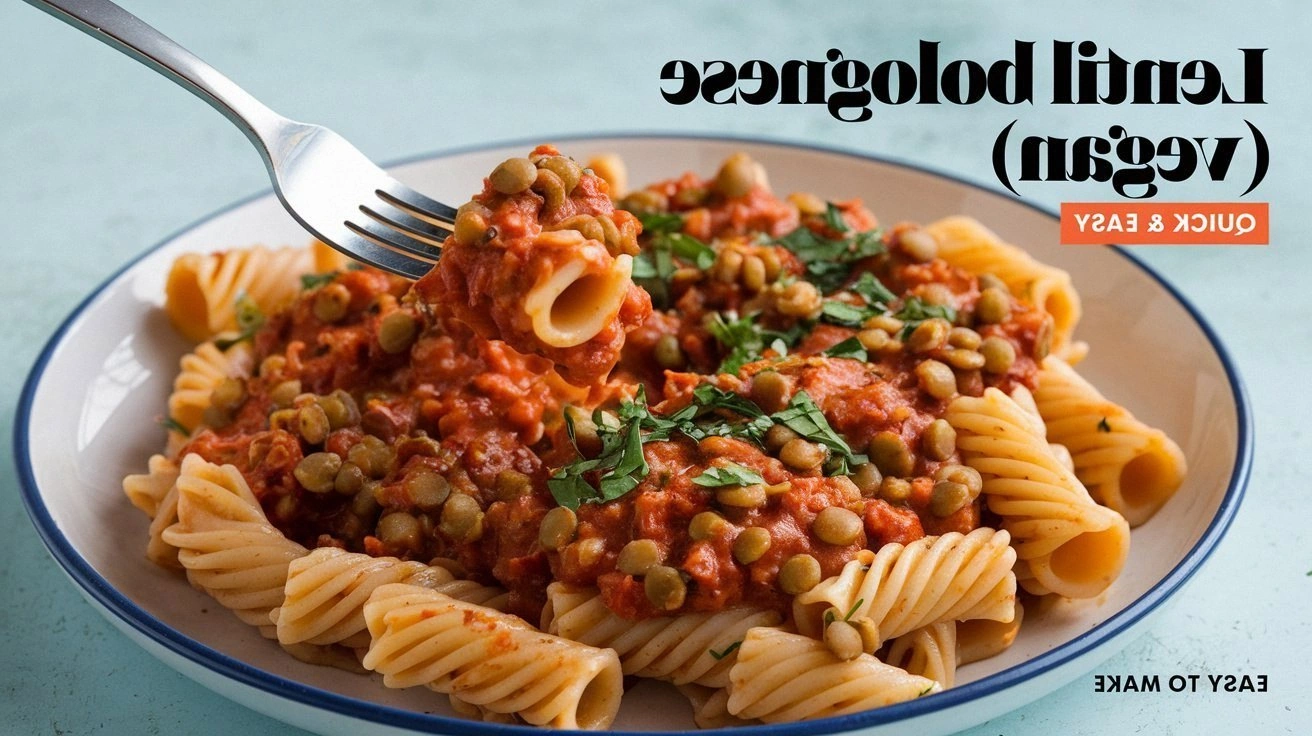
- Serve the sauce hot over freshly cooked pasta, garnishing with a drizzle of olive oil and a sprinkle of fresh basil or parsley. The sauce should coat each strand of pasta like velvet, delivering a burst of flavor with every bite. Pair with a side of crusty bread to mop up any remaining sauce.
That’s it — you did it. But hold on, I’ve got a few more tricks that will take this to another level…
Insider Tricks for Flawless Results
The Temperature Rule Nobody Follows
Many cooks keep the sauce on a low simmer for too long, causing it to lose its bright acidity. I recommend letting it come to a gentle boil, then reducing to a low simmer for the final 15 minutes. This preserves the tomatoes’ natural brightness while allowing the lentils to absorb the herbs fully. A friend once tried a continuous low simmer and ended up with a sauce that tasted flat; the key is a brief, vigorous boil.
Why Your Nose Knows Best
Before you add salt, sniff the sauce. If it smells sweet and slightly tangy, you’re good; if it smells dull, add a pinch more salt. Your nose is a better judge of seasoning than your eyes or taste buds alone. I’ve found that a well‑seasoned sauce will have a fragrant, herbaceous aroma that signals readiness.
The 5-Minute Rest That Changes Everything
After cooking, let the sauce rest for 5 minutes before serving. The lentils continue to absorb liquid, thickening the sauce slightly. This short rest also allows the flavors to meld, resulting in a more cohesive taste. I’ve seen people skip this step and miss out on the sauce’s full potential.
Use a Skillet with a Non‑Stick Surface
A good non‑stick skillet keeps the sauce from sticking to the bottom, which can ruin the texture. If you’re using a stainless steel pan, add a splash of water to prevent scorching. This small tweak saves you from having to scrape the pan, keeping the sauce smooth.
Add a Touch of Sweetness
If your tomatoes are a bit tart, add a teaspoon of sugar or a splash of maple syrup to balance the acidity. The sweetness enhances the overall depth of the sauce, making it more complex and satisfying.
Creative Twists and Variations
This recipe is a playground. Here are some of my favorite ways to switch things up:
Mediterranean Twist
Swap the dried oregano for fresh oregano and add a handful of chopped kalamata olives and capers. The briny olives and capers bring a Mediterranean flair that pairs beautifully with the lentils. Serve over whole‑wheat pasta for added fiber.
Spicy Kick
Add a pinch of red pepper flakes or a diced jalapeño during the sauté stage. The heat will cut through the richness of the lentils and create a vibrant, spicy sauce. Pair with a cool cucumber yogurt sauce to balance the heat.
Herb Garden Edition
Incorporate fresh basil, parsley, and thyme at the end of cooking. Fresh herbs brighten the sauce and add a burst of green color. This version is especially refreshing during the warmer months.
Cheesy Vegan Delight
Stir in a handful of vegan Parmesan cheese at the end for an extra cheesy layer. The cheese melts into the sauce, creating a richer mouthfeel. It’s a hit with kids who love cheesy pasta.
Gluten‑Free Variation
Serve the sauce over gluten‑free spaghetti or spiralized zucchini noodles. The lentils’ hearty texture pairs well with the lightness of zucchini, creating a balanced meal that’s both satisfying and low‑carb.
Breakfast Bolognese
Use the sauce as a topping for toast or as a filling for vegan breakfast burritos. The savory lentils pair well with scrambled tofu, making for a protein‑rich breakfast that’s far from ordinary.
Storing and Bringing It Back to Life
Fridge Storage
Cool the sauce to room temperature, then transfer to an airtight container. Store in the refrigerator for up to 4 days. The lentils will continue to soften slightly, so the sauce becomes even thicker and more flavorful.
Freezer Friendly
For longer storage, portion the sauce into freezer‑safe containers and freeze for up to 3 months. Thaw overnight in the refrigerator before reheating. The lentils maintain their texture, and the sauce retains its rich flavor.
Best Reheating Method
Reheat on the stovetop over low heat, adding a splash of water or vegetable broth to loosen the sauce. Stir frequently until heated through. A tiny splash of water before reheating steams the lentils back to perfection, preventing dryness.