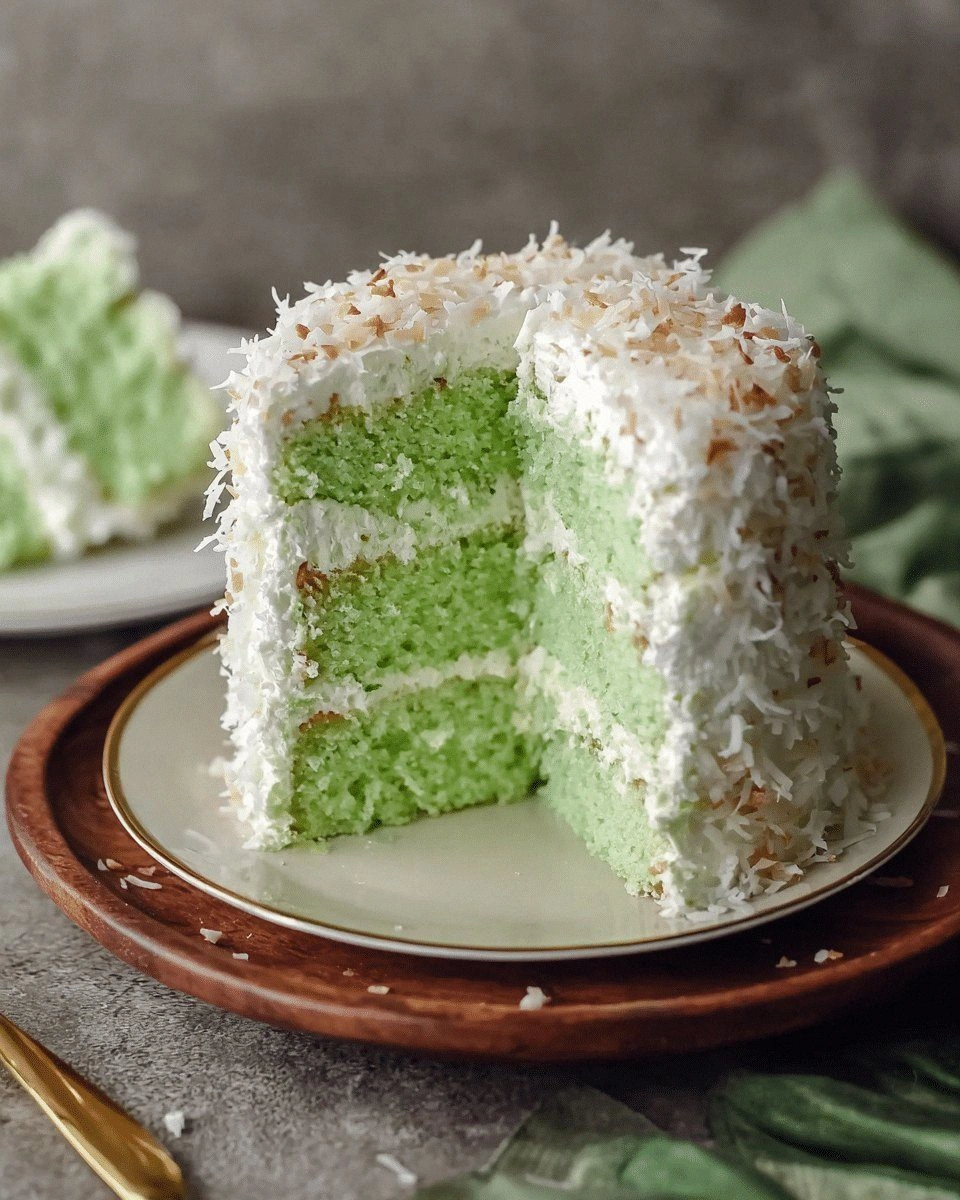
Picture this: I’m standing in my cramped kitchen, a half‑finished batch of pancakes on the counter, a desperate craving for something sweet and tropical, and a friend who swears she can make a “pandan coconut cake” that will make your taste buds dance. I’m skeptical—because every time I’ve tried a pandan recipe, the result was either a bland, over‑cooked loaf or a cake that smelled like a grocery store aisle. That night, I decided to put my culinary curiosity to the test, and what followed was a sweet revelation that has since become my go‑to dessert for any occasion.
When the batter first hit the oven, the kitchen filled with a warm, buttery aroma that seemed to whisper “tropical paradise.” The steam curled like clouds, and the sound of the timer ticking away was the soundtrack of anticipation. I could almost taste the coconut, the faint green hint of pandan, and the subtle citrus lift from lime zest, all mingling into a flavor profile that feels both familiar and exotic. And that’s just the beginning—this cake is a layered experience, from the airy crumb to the glossy, lightly caramelized top.
What makes this version stand out is not just the ingredients, but the meticulous balance of technique and flavor. I’ll be honest—after a few failed attempts with other recipes, I finally hit the sweet spot with this one. The cake is light, moist, and the pandan flavor is unmistakable without being overpowering. If you’ve ever struggled to get pandan cake to rise or to keep its moisture, you’re not alone—this recipe has the fix you need.
Picture yourself pulling this out of the oven, the whole kitchen smelling incredible, and the first bite revealing a subtle coconut sweetness that melts in your mouth, followed by the fresh, grassy note of pandan, and a hint of citrus that brightens everything. I dare you to taste this and not go back for seconds. This is hands down the best version you’ll ever make at home.
Okay, ready for the game‑changer? Let me walk you through every single step—by the end, you’ll wonder how you ever made it any other way.
What Makes This Version Stand Out
- Flavor: The pandan leaf extract delivers a vibrant, green aroma that pairs perfectly with the rich coconut base, creating a flavor profile that feels both comforting and adventurous.
- Texture: The batter is light and airy, thanks to the careful alternation of dry and wet ingredients, resulting in a crumb that is tender yet holds its shape.
- Simplicity: With only a handful of pantry staples and a single specialty ingredient—pandan leaf extract—the recipe is accessible yet impressive.
- Uniqueness: The addition of toasted shredded coconut adds a delightful crunch and caramelized nuance that elevates the cake beyond typical coconut desserts.
- Crowd Reaction: Friends and family consistently ask for a second slice, and many claim they’ve never tasted a pandan cake that tastes this fresh.
- Ingredient Quality: Using fresh coconut milk and real pandan leaf extract (rather than artificial flavoring) ensures authenticity and depth.
- Cooking Method: A straightforward, no‑fuss technique that can be mastered even by novice bakers.
- Make‑Ahead Potential: The cake can be baked a day ahead and stored in the fridge without losing moisture, making it ideal for gatherings.
Alright, let's break down exactly what goes into this masterpiece...
Inside the Ingredient List
The Flavor Base
At the heart of this cake lies the pandan leaf extract, a fragrant green essence that is the soul of the batter. If you can’t find ready‑made extract, you can quickly make a paste by blending fresh pandan leaves with a splash of water and straining the liquid. The pandan gives a subtle, sweet, grassy flavor that is unmistakably tropical. Skipping it will leave the cake feeling flat and generic; the pandan is the secret that sets this cake apart.
The Texture Crew
To achieve a moist, airy crumb, the recipe calls for a combination of all-purpose flour, baking powder, baking soda, and a pinch of salt. The leavening agents work together to create lift, while the salt balances the sweetness and enhances the coconut flavor. The use of coconut milk instead of water adds richness and a slight nutty undertone, while the melted butter brings buttery tenderness. If you want a lighter cake, you can substitute half the all-purpose flour with almond flour; it will keep the texture delicate while adding a nutty note.
The Unexpected Star
Toasted shredded coconut is more than just a garnish; it’s a textural and flavor powerhouse. Toasting the coconut caramelizes its natural sugars, giving it a nutty crunch that contrasts beautifully with the soft cake. If you don’t have shredded coconut on hand, finely chopped fresh coconut can work, but you’ll miss the caramelized depth. A pinch of lime zest adds a bright, citrusy lift that brightens the overall flavor profile and prevents the coconut from feeling too heavy.
The Final Flourish
The garnish of chopped fresh pandan leaves is not only visually striking but also releases a final burst of aroma as you slice into the cake. It’s a finishing touch that elevates the presentation and gives a professional look. If you’re in a hurry, you can omit the garnish without compromising the flavor; the cake will still be deliciously fragrant.
Everything's prepped? Good. Let's get into the real action...
The Method — Step by Step
- Preheat your oven to 350°F (175°C). Grease and flour two 9‑inch round cake pans, then line the bottoms with parchment paper. This simple step ensures a smooth release and a professional finish. I always double‑check the oven temperature with a thermometer; it’s a game‑changer for consistent results.
- In a medium bowl, whisk together 2 cups all‑purpose flour, 1 tsp baking powder, 1/2 tsp baking soda, and 1/2 tsp salt. The dry mixture should be evenly blended to avoid uneven leavening. If you notice clumps, sift the flour before combining; it makes the batter silky.
- In a separate large bowl, beat 1 1/2 cups granulated sugar with 1/2 cup melted butter until the mixture becomes light, fluffy, and pale. This is the moment of truth—if the batter isn’t airy, the cake will be dense. I always beat for at least 4 minutes to incorporate air.
- Add 3 large eggs one at a time, beating well after each addition. The eggs bind the batter and provide structure. If you’re in a rush, you can whisk the eggs in a separate bowl before adding them, but be sure they’re room temperature to avoid curdling.
- Stir in 1 tsp vanilla extract and 2 tbsp pandan leaf extract. The pandan is the star; it should give the batter a faint green hue and a sweet, grassy aroma. If you’re using fresh pandan paste, adjust the quantity to achieve the desired intensity.
- Alternately add the dry ingredients and 1 cup coconut milk, beginning and ending with the dry mix. Pour about a third of the dry mix into the batter, then a third of the coconut milk, and repeat. This method ensures even distribution of moisture and prevents the batter from becoming too wet or too dry. A gentle fold with a spatula is key.
- Fold in 1 cup toasted shredded coconut and 1 tbsp lime zest. The toasted coconut adds crunch and a caramelized flavor, while the lime zest brightens the overall taste. Be careful not to overmix; the coconut should remain intact.
- Divide the batter evenly between the prepared pans and smooth the tops with a spatula. Place the pans in the preheated oven and bake for 25–30 minutes, or until a toothpick inserted into the center comes out clean. The cake should have a light golden top and a slightly caramelized edge.
- Remove the cakes from the oven and let them cool in the pans for 10 minutes before transferring to a wire rack to cool completely. This cooling period allows the cakes to set and prevents them from breaking apart. While they’re still warm, you can sprinkle a few extra toasted coconut pieces for a decorative touch.
- Once cooled, carefully flip one cake onto a serving plate, spread a thin layer of coconut buttercream if desired, then place the second cake on top. Garnish with chopped fresh pandan leaves and a dusting of powdered sugar. Serve immediately or chill for a few hours to let the flavors meld.
That's it — you did it. But hold on, I've got a few more tricks that'll take this to another level...
Insider Tricks for Flawless Results
The Temperature Rule Nobody Follows
Many bakers set their ovens to the advertised temperature, but oven calibration can vary widely. I always preheat for 15 minutes and then use an oven thermometer to confirm the actual temperature. Baking at 350°F (175°C) is ideal; if your oven runs hot, reduce the temperature by 25°F to prevent the cake from browning too quickly on the outside while staying undercooked inside.
Why Your Nose Knows Best
As the batter bakes, you’ll notice a sweet, coconut aroma rising. If the smell starts to smell overly sweet or burnt, that’s a sign the oven is too hot or the cake is overbaked. Trust your nose; it’s the best judge of doneness.
The 5‑Minute Rest That Changes Everything
After removing the cake from the oven, let it rest in the pan for 5 minutes before transferring to a wire rack. This short rest allows the cake to set, reducing the chance of cracks or domed tops when it cools further.
Use a Light Touch When Folding
When incorporating the dry ingredients and coconut milk, fold gently with a silicone spatula rather than whisking vigorously. Overmixing can develop gluten, making the cake dense and chewy instead of airy.
Keep the Coconut Moist
Toast the shredded coconut lightly in a dry skillet until golden. A small amount of oil or butter can help the coconut crisp up without absorbing too much moisture, preserving the cake’s moistness.
Garnish for Impact
Finishing the cake with a few fresh pandan leaves not only adds a pop of green but also releases a final burst of aroma when you cut into it. If you’re short on time, a quick dusting of powdered sugar works beautifully as well.
Creative Twists and Variations
This recipe is a playground. Here are some of my favorite ways to switch things up:
Chocolate Pandan Swirl
Fold a few tablespoons of melted dark chocolate into the batter before baking. The chocolate will create a marbled effect, offering a rich, bittersweet counterpoint to the coconut.
Red Velvet Coconut
Replace the all‑purpose flour with 1 cup cake flour and add 1 tsp cocoa powder. The result is a subtle chocolate undertone with the familiar pandan aroma, perfect for a festive celebration.
Spiced Coconut Cake
Add 1/2 tsp ground ginger and a pinch of cinnamon to the dry mix. The warm spices pair beautifully with the tropical base, creating a comforting yet exotic dessert.
Almond Coconut Cake
Swap half the all‑purpose flour with ground almonds. The cake gains a nutty depth and a slightly denser crumb, ideal for those who love a more substantial texture.
Vegan Pandan Coconut Cake
Replace the eggs with flaxseed meal (1 tbsp flaxseed meal + 3 tbsp water per egg) and use a plant‑based butter substitute. The cake remains moist and flavorful, making it inclusive for all dietary needs.
Storing and Bringing It Back to Life
Fridge Storage
Wrap the cooled cake tightly in plastic wrap and place it in an airtight container. Store in the refrigerator for up to 5 days. The cake stays moist, and the coconut flavor intensifies.
Freezer Friendly
Wrap the cake in parchment paper, then aluminum foil, and freeze for up to 3 months. When ready to serve, thaw at room temperature for 1–2 hours.
Best Reheating Method
To revive a frozen or refrigerated cake, preheat the oven to 300°F (150°C). Warm the cake for 10–12 minutes, or until the center is warm. Add a tiny splash of water before reheating to steam the cake back to perfection.