Picture this: I’m standing in my kitchen, a bag of frozen broccoli and carrots in one hand, a half‑filled pantry in the other. I remember the last time I tried to make a vegetable side dish, and it turned out soggy, bland, and utterly forgettable. That night, I swore I would find a way to turn simple greens into a flavor explosion that could rival any restaurant dish. I discovered a technique that involves a precise balance of oil, seasonings, and a quick blast of heat that caramelizes the edges without overcooking the inside. And that’s the secret I’m about to share with you, step by step, so you can impress your friends and family every time.
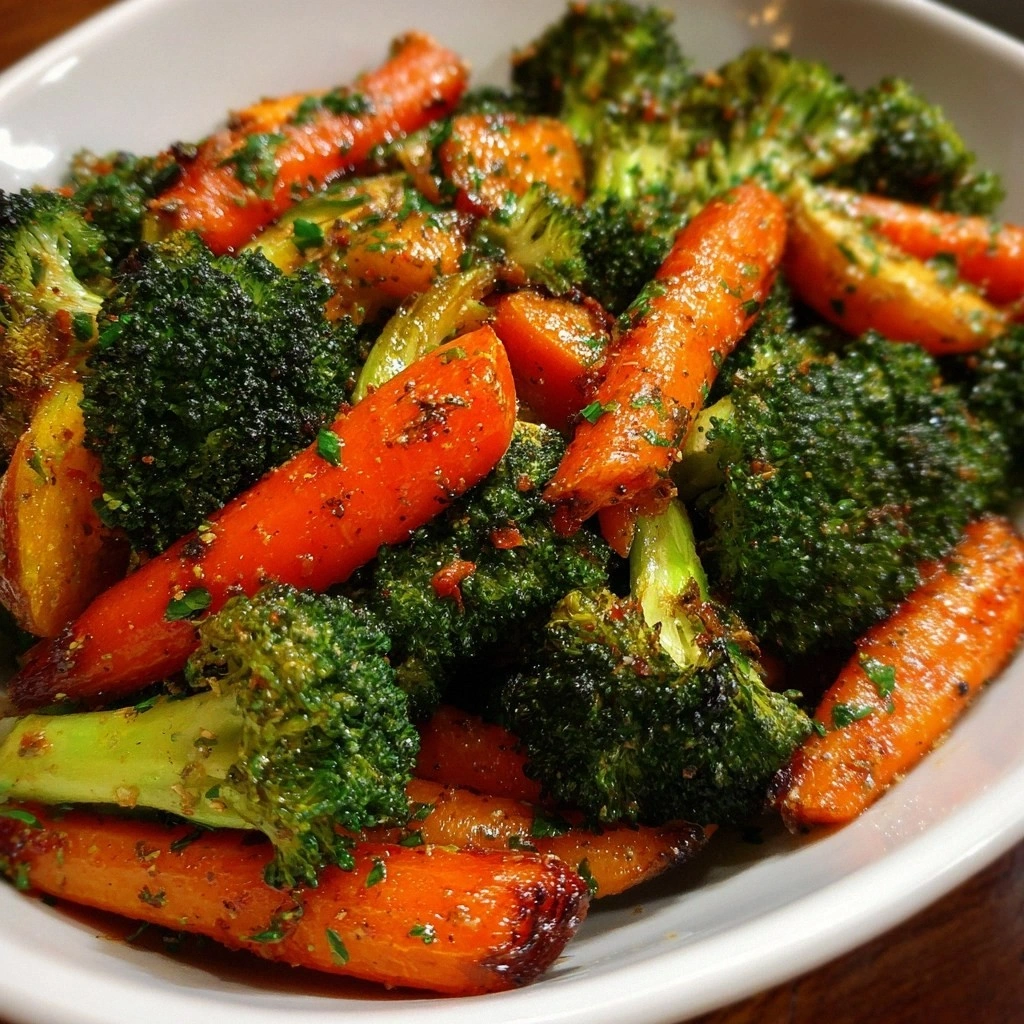
First, let’s talk about the moment when the vegetables hit the hot oven and the air fills with that unmistakable scent of roasting. It’s the smell that tells you everything is on track: a faint nutty aroma, the sweetening of carrot sugars, and a slight char that promises crunch. The visual cue is a golden blush on the florets and a caramelized rim on the carrots. The sound is a gentle hiss as the moisture evaporates. And the texture? That first bite should feel firm on the outside, tender on the inside, and a burst of flavor that lingers.
Now, why is this version better than every other recipe you’ve tried? Because it strips away the clutter and focuses on what matters: fresh vegetables, a simple seasoning blend, and a cooking method that brings out natural sweetness without sacrificing crunch. I dare you to taste this and not go back for seconds—once you experience that caramelized edge that shatters like thin ice, you’ll never settle for bland. Most recipes get this completely wrong, over‑seasoning or under‑roasting until the carrots are mushy. Here, the balance is perfect, and the result is a dish that looks like a work of art but tastes like home‑cooked comfort.
Picture yourself pulling this out of the oven, the whole kitchen smelling incredible, and the table already starting to fill with hungry hands. This isn’t just a side; it’s a statement dish that can carry a protein or stand alone. The technique I’m about to walk you through is simple, but the flavor payoff is massive. I’ll show you how to preheat, season, and roast in a way that maximizes caramelization while keeping the vegetables bright and vibrant. And trust me, by the end, you’ll wonder how you ever made it any other way.
What Makes This Version Stand Out
- Flavor: The blend of garlic and onion powder creates a savory backbone that lifts the natural sweetness of the carrots without overpowering the broccoli. The subtle heat from the spices is balanced by the richness of olive oil, giving depth with every bite.
- Texture: By roasting at a high temperature and spreading the vegetables in a single layer, the edges crisp up while the interior stays tender. The result is a contrast that feels like a crunchy snack with a wholesome core.
- Speed: The entire process takes under 45 minutes from prep to plate. No long marinades or pre‑soaking—just a quick toss and a quick roast.
- Versatility: This base can be dressed up with a squeeze of lemon, a sprinkle of parmesan, or a drizzle of balsamic glaze. It’s a canvas for any flavor profile you’re craving.
- Visual Appeal: The vibrant green of the broccoli and the orange glow of the carrots create a dish that’s as pleasing to the eye as it is to the palate.
- Health Focus: With minimal added fat and a generous dose of fiber, this dish supports a balanced diet while still feeling indulgent.
- Make‑Ahead Friendly: Roast a double batch, cool, and refrigerate. Reheat quickly for a fresh side that tastes just as good the next day.
Alright, let's break down exactly what goes into this masterpiece...
Inside the Ingredient List
The Fresh Star
Broccoli florets are the backbone of this dish, offering a robust flavor that pairs beautifully with the sweetness of carrots. Their high vitamin C content makes them a healthful choice, while their natural crunch adds a satisfying bite. If you’re using frozen broccoli, make sure to thaw and pat dry thoroughly to avoid excess moisture that can steam rather than roast.
The Flavor Base
Olive oil is the medium that carries the seasonings and facilitates caramelization. Choose a light or extra‑virgin variety for the best aroma. Garlic powder and onion powder are the secret agents that infuse the vegetables with depth. These dry spices also help the oil adhere evenly, ensuring a uniform coating.
The Texture Crew
Carrots bring a natural sweetness and a bright orange hue that contrasts with the green broccoli. Cutting them into sticks rather than chunks helps them roast evenly and prevents them from becoming mushy. Salt and pepper are essential for seasoning, but they’re added to taste—feel free to adjust based on your preference.
The Final Flourish
A pinch of pepper at the end brightens the dish and adds a subtle heat. If you like a bit of zest, a squeeze of fresh lemon juice or a dash of balsamic glaze can elevate the flavor profile. These finishing touches transform a simple side into a gourmet experience.
Everything's prepped? Good. Let's get into the real action...
The Method — Step by Step
- Preheat your oven to 425°F (220°C). Line a large baking sheet with parchment paper to prevent sticking and make cleanup a breeze. The high temperature is key for achieving that caramelized finish without overcooking the interior. If you’re using a convection oven, reduce the temperature by 25°F for a more even roast.
- While the oven heats, rinse the broccoli florets under cold water and pat them dry with a clean towel. Dryness is critical—moisture turns the surface into steam, which prevents browning. For the carrots, peel and cut them into uniform sticks to ensure even cooking. A uniform shape guarantees that every piece reaches the same level of crispness.
- In a large bowl, combine the broccoli and carrots. Drizzle the olive oil over the vegetables, then sprinkle the garlic powder, onion powder, salt, and pepper. Toss everything together until every piece is evenly coated. The oil acts as a conductor, ensuring the spices cling to each floret and carrot.
- Spread the seasoned vegetables in a single layer on the prepared baking sheet. Avoid overcrowding; if the pan is too full, the veggies will steam instead of roast. Place the sheet in the preheated oven and roast for 20 minutes. After 10 minutes, give the pan a gentle shake or use a spatula to turn the vegetables for even browning.
- After 20 minutes, remove the sheet and check the vegetables. The broccoli should be bright green with golden edges, and the carrots should have a caramelized rim but still be tender inside. If you prefer a deeper char, return the sheet to the oven for an additional 3–5 minutes. Watch out—once the edges start pulling away, they’ll go from crisp to burnt in seconds.
- Once roasted to your liking, transfer the vegetables to a serving bowl. If you’re adding a finishing touch, drizzle a splash of balsamic glaze or sprinkle grated parmesan over the hot veggies. The residual heat will melt the cheese, creating a silky coating.
- Serve immediately while they’re still warm and crisp. This dish pairs beautifully with grilled chicken, steak, or a hearty quinoa salad. If you’re planning ahead, let the roasted veggies cool to room temperature, then store them in an airtight container in the refrigerator for up to 3 days.
- To reheat leftovers, spread them on a baking sheet and warm in a 350°F (175°C) oven for 5–7 minutes, or until heated through. For a quick microwave fix, place the vegetables in a microwave-safe bowl, cover loosely, and heat on medium for 1–2 minutes. The key is to avoid overcooking, which can ruin that crisp texture.
That's it — you did it. But hold on, I've got a few more tricks that'll take this to another level...
Insider Tricks for Flawless Results
The Temperature Rule Nobody Follows
Many cooks think a lower temperature is gentler, but for roasting veggies, high heat is essential for caramelization. 425°F (220°C) gives the vegetables a quick sear that locks in flavor while keeping the inside tender. If you’re using a fan‑forced oven, reduce the temperature by 25°F to prevent uneven browning.
Why Your Nose Knows Best
The aroma of roasting is a reliable indicator of doneness. When the carrots release a sweet, caramelized scent and the broccoli emits a nutty fragrance, you know it’s ready. If the smell is too raw, give them a few more minutes; if it’s too burnt, remove them immediately.
The 5-Minute Rest That Changes Everything
After roasting, let the vegetables sit for five minutes before serving. This brief rest allows the steam to redistribute, keeping the interior moist while the edges stay crisp. It also gives the seasonings time to settle into the veggies, enhancing overall flavor.
The Secret of Even Coating
Use a spray bottle to lightly mist the vegetables with oil before seasoning. This ensures a uniform coat without excess oil. It also helps the spices adhere better, resulting in a more consistent flavor profile.
The Quick Toss for Extra Crunch
If you’re in a hurry, toss the roasted veggies in a hot pan with a splash of oil for 1–2 minutes after roasting. This step adds an extra layer of crunch and a subtle toasty flavor that elevates the dish.
Creative Twists and Variations
This recipe is a playground. Here are some of my favorite ways to switch things up:
Mediterranean Medley
Swap the olive oil for extra‑virgin olive oil and add a handful of chopped sun‑dried tomatoes, Kalamata olives, and crumbled feta. The briny olives and salty feta pair with the sweet carrots for a Mediterranean flavor profile. Serve over couscous for a complete meal.
Spicy Sriracha Kick
After roasting, drizzle a tablespoon of sriracha over the veggies and toss until coated. The heat from the sriracha complements the natural sweetness, creating a spicy–sweet balance that’s irresistible. Finish with a squeeze of lime for brightness.
Herb‑Infused Delight
Add a tablespoon of dried thyme or rosemary to the seasoning mix before roasting. The aromatic herbs infuse the vegetables with a fragrant depth. Pair with grilled salmon for a protein‑rich dinner.
Citrus‑Bright Twist
Squeeze fresh lemon or orange juice over the roasted veggies before serving. The citrus acidity cuts through the richness of the olive oil and adds a refreshing zing. This version is perfect for a light summer meal.
Nutty Crunch Upgrade
Toss the roasted veggies with toasted almonds or pecans just before serving. The nuts add a delightful crunch and nutty flavor that pairs beautifully with the caramelized vegetables. Sprinkle with a touch of sea salt for a balanced finish.
Storing and Bringing It Back to Life
Fridge Storage
Cool the roasted vegetables to room temperature before placing them in an airtight container. Store in the refrigerator for up to 3 days. This keeps the veggies firm and prevents them from becoming soggy.
Freezer Friendly
For longer storage, freeze the roasted veggies in a single layer on a baking sheet until solid, then transfer to a freezer bag. They can stay in the freezer for up to 2 months. Reheat directly from frozen to retain crispness.
Best Reheating Method
Reheat in a 350°F (175°C) oven for 5–7 minutes, or until heated through. If you prefer a quick microwave fix, cover loosely and heat on medium for 1–2 minutes. Adding a splash of water before reheating steams the vegetables back to perfection.