I was halfway through a dinner party, the kitchen smelled like burnt popcorn, and I realized my fish was about to become a sad, overcooked relic. I dared my friends to try a bowl that would turn that disaster into a triumph. That moment turned into a personal mission to create a salmon bowl that sings. I’m talking about a dish that turns a simple fillet into a symphony of textures and flavors. And let me tell you, the first bite was like a fireworks show in your mouth. I dare you to taste this and not go back for seconds.
Imagine a pan sizzling, the oil shimmering like a calm lake in the early morning. The salmon, seared to a perfect golden crust, releases a faint aroma of seaweed and citrus. As the steam rises, your nose is greeted by the sweet scent of honey and the sharp bite of fresh ginger. Your ears catch the subtle hiss of the vegetables as they hit the hot surface. The sight of the green cucumber spears and the orange carrot ribbons is a visual feast. That sizzle when it hits the pan? Absolute perfection.
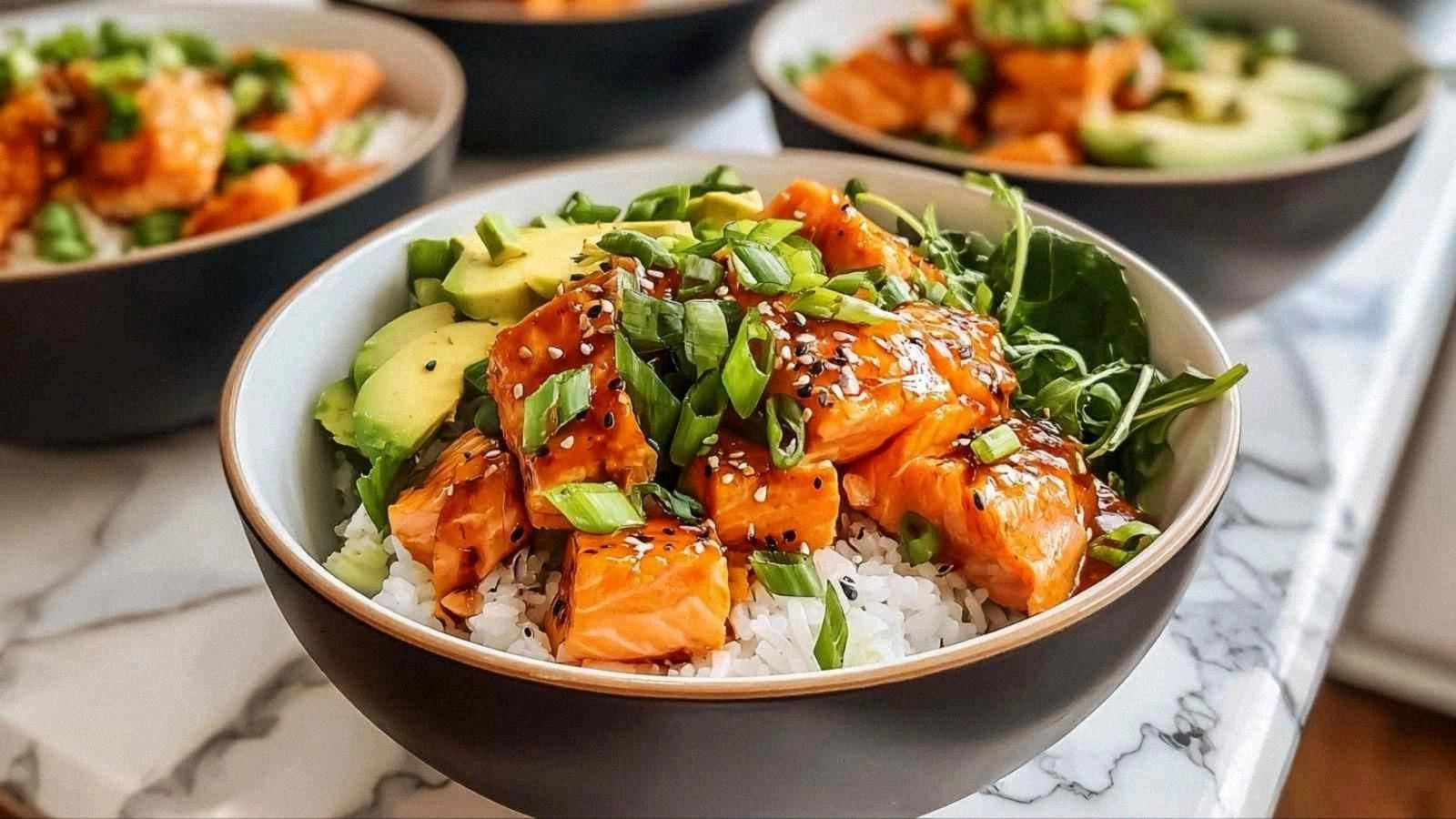
This version stands out because it balances the smoky char of the salmon with the silky smoothness of jasmine rice. The sauce, a velvety blend of soy, vinegar, and honey, coats the bowl like velvet. The crunch of edamame and the creamy avocado create a textural contrast that keeps you coming back for more. The dish is quick, yet each bite feels like a gourmet experience. Most recipes get this completely wrong, but here's what actually works. This is hands down the best version you'll ever make at home.
Now, the secret sauce isn’t just the ingredients; it’s the technique that turns ordinary into extraordinary. I’m about to walk you through every single step, from the first stir of the rice to the final garnish. By the end, you’ll wonder how you ever made it any other way. Picture yourself pulling this out of the oven, the whole kitchen smelling incredible, and your friends begging for the recipe. Stay with me here—this is worth it.
What Makes This Version Stand Out
- Flavor: The sauce is a harmonious marriage of umami, sweetness, and citrus. The soy brings depth, honey adds a caramel finish, and ginger provides a bright lift. If you skip the ginger, the sauce will feel flat and undercut.
- Texture: The salmon is crisp on the outside yet buttery inside. The edamame provides a satisfying pop, while the avocado offers a creamy contrast. Without the avocado, the bowl would feel dry.
- Simplicity: All steps can be done in one pan and a pot. No need for fancy gadgets. This makes the dish approachable for beginners and a quick weeknight fix.
- Ingredient Quality: Fresh, high‑grade salmon and organic veggies elevate the dish. Using jasmine rice gives a fragrant, fluffy base. Skipping the rice would leave the bowl unanchored.
- Make‑ahead Potential: The rice and sauce can be prepared a day ahead. The salmon is best served fresh but can be reheated without drying out. This flexibility makes it great for entertaining.
- Visual Appeal: The vibrant colors—from emerald cucumber to golden carrots—create an Instagram‑ready plate. A sprinkle of sesame seeds adds a subtle crunch. If you omit the seeds, the bowl feels less finished.
- Health Balance: The dish is protein‑dense, low in saturated fat, and packed with micronutrients. The edamame and veggies provide fiber and antioxidants. Without the veggies, the bowl loses its nutritional punch.
Inside the Ingredient List
The Flavor Base
Soy sauce is the backbone of the sauce. It brings umami depth and a salty bite. The low‑sodium version keeps the flavor balanced without overwhelming the other components. If you skip soy sauce, the sauce will taste like a bland syrup.
Rice vinegar adds a bright, slightly sweet acidity that cuts through the richness of the salmon. It also helps to slightly tenderize the rice. If you omit it, the sauce becomes heavy and cloying.
Honey injects a natural sweetness that balances the salt and acidity. It also gives the sauce a silky texture that clings to the rice. Without honey, the sauce will feel sharp and unbalanced.
Sesame oil brings a nutty aroma and a subtle depth. A drizzle at the end lifts the dish. Skipping it makes the sauce feel flat and less complex.
Fresh ginger provides a zesty kick that brightens the bowl. It also has natural anti‑inflammatory properties. Without ginger, the sauce loses a layer of complexity.
Garlic adds a savory depth and a gentle heat. It also brings a comforting aroma that ties the dish together. If you skip garlic, the sauce will lack depth.
The Texture Crew
Edamame are protein‑rich pods that add a satisfying pop. They also bring a subtle earthiness that complements the salmon. If you skip edamame, the bowl loses a crunchy element.
Cucumber offers a crisp, cool contrast that balances the warm sauce. Its mild flavor keeps the bowl refreshing. Without cucumber, the bowl feels heavier.
Carrots add natural sweetness and a bright orange hue. They also provide a slight crunch when sliced thin. Skipping carrots makes the bowl less colorful.
Avocado provides a buttery, creamy texture that balances the fish's richness. It also adds healthy fats and a mild, nutty flavor. Without avocado, the dish feels dry.
The Unexpected Star
Sesame seeds add a subtle crunch and nutty flavor. They also provide a decorative touch. Skipping them makes the bowl look less finished.
Sliced green onions add a bright, oniony freshness. They also provide a gentle crunch. Without them, the bowl lacks a fresh note.
The Final Flourish
Olive oil is the medium that creates the pan sear. It also prevents sticking and adds a mild fruity flavor. If you skip oil, the salmon will stick to the pan and the sauce will be uneven.
Salmon is the star of the dish. Fresh, high‑grade fillets provide a buttery texture and rich flavor. Using frozen salmon would change the texture and flavor profile.
Salt and pepper season the fish and bring out its natural flavor. They also balance the sauce's sweetness. Without them, the dish will taste flat.
Everything's prepped? Good. Let's get into the real action...
The Method — Step by Step
- Rinse the jasmine rice under cold water until the water runs clear, then combine it with 1.5 cups of water in a saucepan. Bring to a boil, reduce heat to low, cover, and let simmer for 15 minutes. The rice should be fluffy and each grain separate. If it looks sticky, let it steam for an extra minute.
- While the rice cooks, bring a pot of water to a gentle boil and add the shelled edamame. Cook for 4 minutes until bright green and tender. Drain immediately and rinse with cold water to halt the cooking process. This stops the pods from becoming mushy.
- In a small bowl, whisk together 0.25 cup low‑sodium soy sauce, 1 tbsp rice vinegar, 1 tbsp honey, 1 tsp sesame oil, 1 tsp fresh ginger (grated), and 2 cloves garlic (minced). The mixture should thicken slightly as the honey melts. This will be the sauce that coats everything.
- Heat 2 tbsp olive oil in a non‑stick skillet over medium‑high heat. Place the salmon fillets skin‑side down and sear for 4 minutes until a golden crust forms. Flip gently and cook another 3 minutes until the internal temperature reaches 125°F for medium‑rare. The salmon should release easily from the pan.
- While the salmon rests, slice the cucumber into thin ribbons, carrots into julienne strips, and avocado into half‑moon slices. The veggies should be crisp and bright. This step adds both texture and visual appeal.
- Divide the cooked rice into four bowls. Drizzle the prepared sauce over the rice, letting it seep in. The sauce should coat each grain like velvet.
- Top each bowl with a salmon fillet, a handful of edamame, cucumber ribbons, carrot strips, and avocado slices. Sprinkle sesame seeds and sliced green onions over the top. The arrangement should look like a colorful mosaic.
- Serve immediately and watch the steam rise like a fragrant cloud. The first bite should deliver a burst of umami, a pop of crunch, and a silky finish. Enjoy the harmony of flavors and textures.
Insider Tricks for Flawless Results
The Temperature Rule Nobody Follows
Many cooks start the salmon on high heat, but a moderate heat allows the fillet to cook evenly without drying out. Use a thermometer to check for 125°F for medium‑rare. This small tweak ensures a buttery interior that melts in your mouth.
Why Your Nose Knows Best
Before you add the sauce, let the skillet rest for a minute. The aroma that rises will tell you if the sauce is balanced. If it smells overly sweet, add a pinch of salt; if it’s too sharp, a splash of honey.
The 5-Minute Rest That Changes Everything
After searing the salmon, let it rest on a paper towel for five minutes. This step allows the juices to redistribute, keeping the fillet moist. A friend once skipped this step and the fish felt dry; the lesson was costly.
How to Keep Salmon Moist
When cooking the salmon, keep the skin on; it protects the flesh from direct heat. If you prefer skinless, lightly oil the fillet and flip quickly. Either way, the fish stays tender.
Quick Rice Fix for When Time Is Short
Instead of a stovetop pot, use a microwave rice cooker. Combine rice, water, and a pinch of salt, then microwave on high for 10 minutes. The result is fluffy rice in a fraction of the time.
Creative Twists and Variations
Spicy Sriracha Twist
Add 1 tbsp of sriracha to the sauce for a fiery kick. The heat pairs beautifully with the honey’s sweetness. This version is perfect for those who love a little burn.
Coconut Curry Variation
Replace the soy sauce with coconut aminos and stir in 1 tbsp of curry paste. The coconut milk base gives a creamy, tropical flavor. Friends who crave exotic tastes will adore this.
Mediterranean Olive & Herb Variation
Swap sesame oil for extra‑virgin olive oil and sprinkle chopped oregano and parsley. Add a squeeze of lemon for brightness. The result feels like a Mediterranean escape.
Korean BBQ Style
Marinate the salmon in a mixture of gochujang, soy sauce, and honey for 30 minutes before cooking. Top the bowl with kimchi and toasted sesame seeds. This variation brings bold, smoky Korean flavor.
Vegan Swap
Replace salmon with marinated tofu or tempeh. Use tamari instead of soy sauce. The dish stays protein‑dense and still delivers a satisfying crunch.
Breakfast Bowl with Egg
Top each bowl with a sunny‑side‑up egg and sprinkle chives. The runny yolk adds richness, turning the dish into a hearty breakfast.
Storing and Bringing It Back to Life
Fridge Storage
Store the rice, salmon, and veggies separately in airtight containers. Keep the sauce in a small jar. The bowl stays fresh for up to 3 days if assembled just before eating.
Freezer Friendly
Freeze cooked rice and salmon separately; reheat in a skillet or microwave. The veggies thaw quickly and maintain crunch. This method works well for meal prep.
Best Reheating Method
To reheat, lightly drizzle a splash of water over the rice and microwave for 30 seconds. This steams the grains back to fluffy perfection. The salmon can be warmed in a pan with a drizzle of oil.