Picture this: a quiet Tuesday night, a burnt batch of chicken thighs, and a lingering sense of culinary disappointment that refuses to fade. I was staring at the charred edges of my skillet, the smoke curling like a silent apology, when a friend texted, “Try this.” That message was the spark that ignited my quest for the ultimate churu chicken amarillo, a dish that would turn a kitchen mishap into a triumphant, savory revelation.
I opened the pantry, grabbed the bright orange ají amarillo paste, and the moment the aroma hit my nose—warm, citrusy, with a hint of pepper—my entire kitchen seemed to breathe a sigh of relief. The sizzling of olive oil, the crackle of onions, the sharp snap of garlic cloves—all orchestrated a sensory symphony that made my taste buds dance. I could almost hear the kitchen clock ticking, counting down the minutes until the first spoonful of that velvety sauce would coat the chicken.
What makes this version of churu chicken amarillo stand out is not just the fiery paste or the creamy finish; it’s the meticulous layering of flavors, the precision in timing, and the subtle balance between heat and richness. I dared you to taste this and not go back for seconds—trust me, the first bite will send a rush of warmth through your palate, leaving you craving the next mouthful. This is hands down the best version you'll ever make at home because every element is intentionally chosen to elevate the dish to a new level of comfort and excitement.
I’ll be honest—once I started cooking, I ate half the batch before anyone else got a chance to try it. The moment the sauce hit the pan, the kitchen smelled incredible, and I could feel the anticipation building. If you've ever struggled with balancing spicy and creamy, you're not alone—this recipe has the fix. Stay with me here, this is worth it. Let me walk you through every single step—by the end, you'll wonder how you ever made it any other way.
What Makes This Version Stand Out
- Flavor Fusion: The bold combination of ají amarillo paste and heavy cream creates a sauce that is both fiery and silky, unlike any other chicken dish that relies solely on heat.
- Texture Triumph: The chicken thighs remain juicy and tender, while the sauce coats them like velvet, and the fried plantains add a crunchy contrast.
- Ingredient Integrity: Using fresh cilantro and a hint of sugar balances the spice, ensuring that the dish feels natural rather than artificial.
- Time Efficiency: A 45‑minute prep and cook time makes this a perfect weeknight dinner without sacrificing depth of flavor.
- Versatility: Serve it over rice or quinoa, or even on a bed of sautéed greens, and it adapts seamlessly to any meal plan.
- Make‑Ahead Friendly: The sauce can be prepared a day ahead and reheated without losing its lusciousness.
- Crowd‑Pleaser: The vibrant color and balanced heat make it a hit at gatherings, leaving guests asking for the recipe.
- Chef’s Confidence: The clear, step‑by‑step method eliminates guesswork, giving even novice cooks a professional result.
Inside the Ingredient List
The Flavor Base
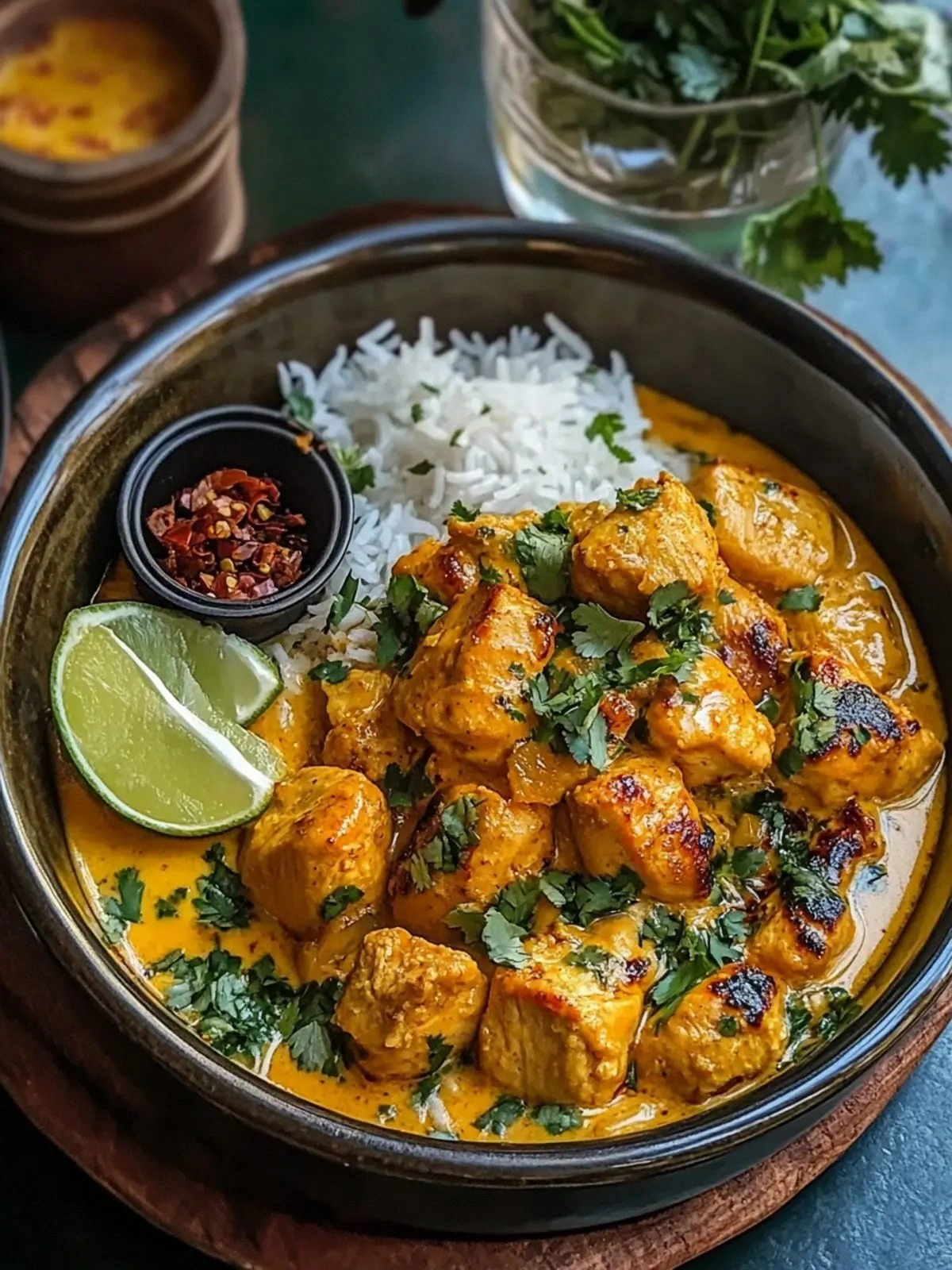
Ají amarillo paste is the star that brings a bright, citrusy heat to the dish. Its unique flavor profile—smoky, slightly sweet, and peppery—creates a foundation that sets this chicken apart from conventional spicy sauces. If you can’t find the paste, a mix of red pepper flakes and a splash of lime juice can mimic the brightness, but you’ll miss that signature depth. Fresh cilantro, chopped at the end, adds a herbaceous freshness that cuts through the richness of the cream.
The Texture Crew
Chicken thighs are chosen for their higher fat content, which keeps the meat moist and flavorful during the simmering process. The heavy cream or evaporated milk adds a silky mouthfeel, coating the thighs and creating a luscious sauce that clings to every bite. A dash of sugar, optional but recommended, balances the acidity of the paste and the saltiness of the broth, resulting in a harmonious flavor profile.
The Unexpected Star
Fried plantains are the unsung hero that provides a sweet, caramelized crunch. Their natural sweetness contrasts beautifully with the spicy sauce, while their crispy texture adds a delightful bite. If you’re looking for a healthier alternative, lightly sauté sliced plantains in a small amount of oil until golden, or serve the dish with roasted sweet potato slices for a different sweet element.
The Final Flourish
Cooked white rice or quinoa acts as the neutral canvas that soaks up the sauce, ensuring every spoonful is packed with flavor. The choice between rice or quinoa depends on your dietary preference; quinoa offers a nuttier taste and higher protein content. For those who love a bit of heat, a sprinkle of crushed red pepper flakes on top can elevate the dish even further.
Everything's prepped? Good. Let's get into the real action...
The Method — Step by Step
- First, season the chicken thighs with salt and pepper. Pat them dry with paper towels to ensure a good sear. Heat the olive oil in a large skillet over medium‑high heat until shimmering but not smoking. This initial sear locks in juices and creates a golden crust that will contrast the creamy sauce.
- Add the sliced onions to the skillet, letting them soften and caramelize for about 4–5 minutes. Stir occasionally so they don't burn; the goal is a translucent, slightly golden base. Once the onions are ready, push them to the side of the pan and add the minced garlic, sautéing until fragrant—about 30 seconds. The garlic releases its oils, adding depth to the sauce.
- Introduce the ají amarillo paste, stirring it into the garlic and onions. Cook for 2 minutes to allow the paste to bloom, releasing its bright, citrusy notes. This step is crucial; it sets the foundation for the sauce’s distinctive flavor.
- Pour in the chicken broth and bring the mixture to a gentle simmer. The broth helps lift the paste from the pan and creates a liquid base that will thicken into a sauce. Let it reduce slightly for 3 minutes, watching the liquid shrink and intensify.
- Return the chicken thighs to the skillet, nestling them into the sauce. Reduce the heat to medium-low and cover the pan. Simmer for 15 minutes, allowing the flavors to meld and the chicken to become tender. The sauce should thicken slightly, coating the thighs with a glossy sheen.
- Stir in the heavy cream (or evaporated milk) and ground cumin. The cream adds a velvety texture, while cumin provides a warm, earthy undertone. Let the mixture simmer for an additional 5 minutes, ensuring the sauce coats the chicken evenly.
- If you’re using the optional sugar, sprinkle it now. This subtle sweetness balances the heat and acidity, creating a well‑rounded flavor profile. Stir gently to dissolve the sugar, then taste the sauce; adjust salt if needed.
- Finish the dish by garnishing with freshly chopped cilantro. The bright green herb adds a burst of color and a fresh, citrusy aroma that cuts through the richness. Serve immediately over rice or quinoa, and top with fried plantains for that sweet, crunchy contrast.
That's it — you did it. But hold on, I've got a few more tricks that'll take this to another level...
Insider Tricks for Flawless Results
The Temperature Rule Nobody Follows
Many cooks think a high heat is essential for a good sear, but too hot a pan can burn the outside before the inside cooks. Keep the skillet at medium‑high for the initial sear, then reduce to medium‑low for the simmer. This controlled temperature ensures the chicken stays juicy and the sauce develops a rich, glossy consistency.
Why Your Nose Knows Best
Before adding the cream, give the sauce a sniff. If it smells slightly tangy or off, it's time to add a splash of broth or a pinch of salt. Your nose is a reliable guide to balance the flavors before you even taste the final dish.
The 5‑Minute Rest That Changes Everything
After simmering, let the chicken rest in the sauce for 5 minutes off the heat. This rest period allows the juices to redistribute, keeping the meat moist and the sauce evenly distributed. Skipping this step often leads to uneven flavor distribution.
The Fresh Cilantro Boost
Add cilantro at the very end of cooking. Cilantro can lose its bright flavor if cooked too long, turning bitter. By tossing it in last, you preserve its citrusy zing and visual appeal.
The Sweet Plantain Secret
If you prefer a sweeter finish, lightly drizzle the fried plantains with a bit of honey before serving. The honey caramelizes on the outside, giving a subtle glaze that pairs wonderfully with the spicy sauce.
Creative Twists and Variations
This recipe is a playground. Here are some of my favorite ways to switch things up:
Smoky Chipotle Version
Swap the ají amarillo paste for chipotle adobo paste to introduce a deep, smoky heat. The sauce becomes darker, and the cumin's earthiness complements the chipotle's robust flavor. Serve with corn tortillas for a Mexican-inspired twist.
Herb‑Infused Cream
Add a handful of fresh basil or mint to the cream, creating a green, aromatic sauce. The herbaceous notes pair beautifully with the citrusy paste, offering a fresh, summery take on the dish.
Lemon‑Zest Finish
Grate a lemon zest into the sauce just before serving. The bright citrus sharpens the richness and adds a vibrant pop of color. Pair with a simple green salad to balance the flavors.
Vegetarian Option
Replace the chicken with cubed tofu or tempeh. Sear the protein first, then follow the same sauce steps. The tofu absorbs the sauce wonderfully, making it a hearty, plant‑based alternative.
Spicy Coconut Variation
Use coconut milk instead of heavy cream for a tropical twist. The coconut’s natural sweetness balances the heat, while the sauce thickens into a silky, aromatic coating. Serve with steamed jasmine rice for an exotic flavor profile.
Storing and Bringing It Back to Life
Fridge Storage
Cool the dish completely, then transfer to an airtight container. Store in the refrigerator for up to 3 days. The sauce will thicken slightly; reheat gently on the stove with a splash of water to restore its creamy texture.
Freezer Friendly
Divide the dish into individual portions, placing each in a freezer‑safe container or zip‑lock bag. Freeze for up to 2 months. When ready to eat, thaw overnight in the refrigerator and reheat on the stove, adding a little broth to loosen the sauce.
Best Reheating Method
Reheat over low heat, stirring frequently. Add a splash of water or broth to keep the sauce from drying out. A gentle simmer will bring the dish back to its original silky, flavorful state.