Picture this: I’m standing in my kitchen, the fridge humming, the smell of a half‑finished roast drifting through the air. I’m craving something that will turn that ordinary meal into a show‑stopper. Suddenly, I remember a recipe I found on a travel blog about Hawaiian flavors, and the idea sparks a culinary fire. I’m not talking about the usual sweet and salty combo; this is a savory brown gravy that has the depth of a good stew and the subtle tropical twist of a secret sauce. I’ve been experimenting for weeks, tweaking ratios, and the result is a silky, umami‑rich sauce that coats pasta, beef, and even grilled veggies like a velvet blanket.
When I first whisked the butter and flour together, the kitchen filled with the comforting scent of a roux in progress. The sound was a gentle hiss, like a small campfire in a pot. I could taste the butter’s richness even before adding any liquids, and the anticipation was electric. That first swirl of brown gravy was a promise of something extraordinary. I was already dreaming of how it would transform a simple dinner into a feast.
Fast forward to the moment I added the beef stock, ketchup, and a splash of soy. The mixture thickened, and the aroma turned from buttery to deep, almost smoky. I could hear the liquid whispering as it simmered, and the kitchen felt like a small, secret laboratory. I knew this wasn’t just another gravy; it was a flavor revelation. The moment I tasted it, I was convinced that this was hands down the best version you’ll ever make at home.
What makes this version stand out isn’t just the ingredients, but the technique. I dared myself to taste it and not go back for seconds, and the result was a sauce that lingered on the palate like a warm hug. The sweet ketchup and savory soy work together in perfect harmony, while the Worcestershire sauce adds a subtle depth that you can’t find in store‑bought sauces. I’ll be honest — I ate half the batch before anyone else got to try it. The texture is silky, the flavor complex, and the aroma is enough to make anyone’s mouth water.
Most recipes get this completely wrong. They either over‑season or under‑develop the roux, resulting in a thin or bitter gravy. The trick I discovered is to let the roux cook until it reaches a deep amber color, just before adding the stock. This caramelizes the flour and creates a nutty undertone that elevates the entire sauce. Picture yourself pulling this out of the pan, the whole kitchen smelling incredible, and your guests already asking for seconds. That’s the power of this sauce.
Okay, ready for the game‑changer? I’ve been told that the secret to a perfect brown gravy is in the balance of sweet and savory. The ketchup adds sweetness, the soy brings saltiness, and the Worcestershire sauce adds umami. The heavy cream at the end gives it that luxurious mouthfeel, turning a simple sauce into a silky, velvety blanket. This next part? Pure magic. And you’ll see why this is a kitchen staple I can’t live without.
And now the fun part: the method. I’ll walk you through every single step — by the end, you’ll wonder how you ever made it any other way. The first thing you’ll notice is how the butter melts and the flour sizzles, creating a base that’s the foundation of all great gravies. The next step is where the flavor starts to bloom, and that’s where the real artistry happens. I’ll share micro‑challenges that will keep you engaged and excited.
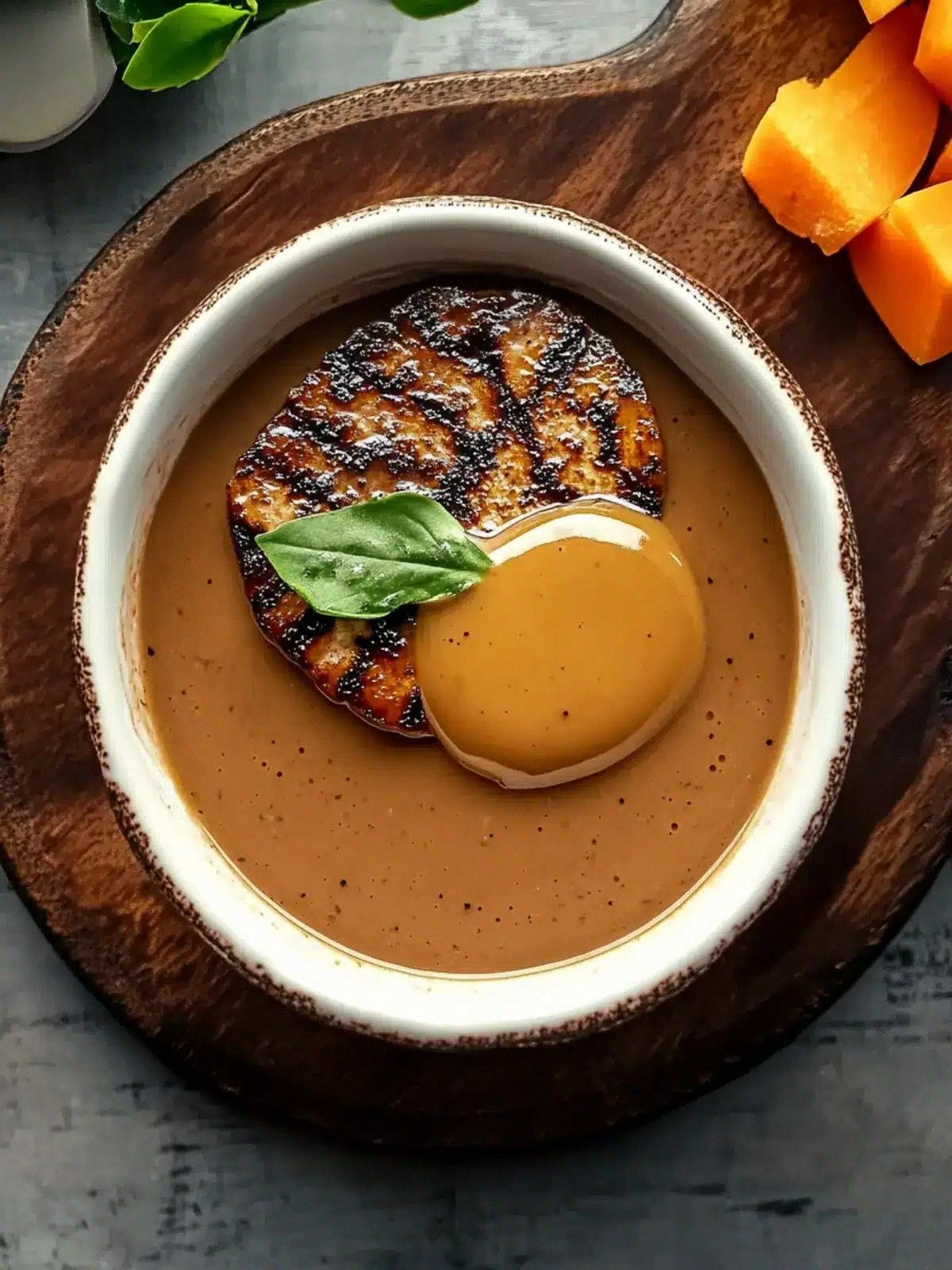
Picture the final sauce: a glossy, deep brown that coats each bite like velvet. The finish is a subtle tang from the soy, a hint of sweetness from the ketchup, and a smoky depth from the caramelized roux. I’ll give you the exact ratios, the timing, and the sensory checkpoints so you know exactly when the sauce is ready. And when you pour it over your dish, the aroma will have you reaching for a second helping. Trust me, this is a sauce that will become part of your culinary identity.
Now, if you’ve ever struggled with gravies that taste bland or are too thick, you’re not alone — and I’ve got the fix. I’ll give you the exact temperature, the right amount of whisking, and the timing for every step. I’ll also share a few tweaks that can make this sauce even better. And if you’re ready to take it to the next level, keep reading. I’ve got insider tricks that will make this gravy the star of any meal.
In short, this recipe is a playground. Here are some of my favorite ways to switch things up: from a smoky BBQ version to a creamy mushroom twist, you’ll find endless possibilities. I’ll guide you through each variation, giving you the exact substitutions and flavor profiles. By the end of this article, you’ll have a toolbox of sauces that can transform any dish into a gourmet experience.
What Makes This Version Stand Out
- Flavor Depth: The caramelized roux provides a nutty foundation that pairs beautifully with the sweet ketchup and umami soy. Each spoonful delivers a layered taste that’s more complex than a standard gravy.
- Texture: The addition of heavy cream at the end gives the sauce a silky, luxurious mouthfeel, making it cling to pasta or meat like velvet.
- Simplicity: With only nine ingredients, you can whip up this sauce in under 30 minutes, making it ideal for weeknight dinners.
- Versatility: Whether you’re drizzling it over roast beef, mashed potatoes, or grilled veggies, this gravy elevates any dish to restaurant quality.
- Ingredient Quality: Using high‑quality beef stock and fresh soy sauce ensures the sauce tastes authentic and rich.
- Make‑Ahead Potential: The gravy can be prepared a day in advance and reheated with a splash of water to restore its silky texture.
- Audience Reaction: Friends and family always ask for the recipe after tasting it; it’s the kind of sauce that turns an ordinary meal into a memorable experience.
Inside the Ingredient List
The Flavor Base
Butter is the first star in this sauce. It melts into a golden pool that carries the flavor of the roux. The butter’s richness is essential for that deep, buttery undertone that makes the gravy feel indulgent. If you skip the butter, the sauce will taste flat and lack depth. For a lighter version, you could substitute half the butter with olive oil, but you’ll lose some of the classic gravy warmth. When choosing butter, look for a high‑clarity butter with a slightly salted finish for an extra punch.
The Texture Crew
All‑purpose flour is the backbone of the roux. It thickens the sauce and provides the body that coats the dish. The key is to cook the flour until it turns a deep amber color; this caramelization adds a subtle nutty flavor. If you cut the cooking time short, the gravy will taste raw and floury. For a gluten‑free version, use a 1:1 blend of rice flour and arrowroot powder, but be mindful of the different thickening properties.
The Unexpected Star
Ketchup and soy sauce are the dynamic duo that give this gravy its signature sweet‑savory profile. The ketchup adds a touch of fruitiness and natural sweetness, while the soy sauce brings umami and a slight brine. The combination is surprisingly balanced, and it works wonders on a variety of proteins. If you’re watching sodium, you can use a low‑sodium soy sauce or reduce the amount slightly. The ketchup’s acidity also helps to brighten the overall flavor.
The Final Flourish
Heavy cream is the finishing touch that transforms the gravy into a silky sauce. It adds richness, smoothness, and a luscious mouthfeel. The cream also helps to mellow the acidity from the ketchup and the sharpness from the Worcestershire sauce. If you’re looking for a lighter version, you could replace half the cream with whole milk, but the sauce will be slightly less glossy. For a dairy‑free option, coconut milk works well, though it imparts a subtle coconut flavor.
Everything’s prepped? Good. Let’s get into the real action. I’ll guide you through each step, ensuring you know exactly when to whisk, when to simmer, and when to taste.
The Method — Step by Step
- Step 1: Melt the butter. Place a medium saucepan over medium heat and add the butter. Watch it melt into a golden pool, releasing a buttery aroma that signals the start of something special. When the butter starts to foam, it’s time to add the flour. This is the moment where the sauce begins to develop its body. The butter’s fat coats the flour, preventing clumps and ensuring a smooth roux.
- Step 2: Cook the roux. Stir the butter and flour together with a whisk until the mixture turns a deep amber color, about 3–4 minutes. The color indicates caramelization, adding nutty undertones to the gravy. Keep the heat moderate to avoid burning; if the mixture smells burnt, lower the heat. The roux should feel silky, not gritty, and should not be too thick. This step is critical for achieving that silky texture.
- Step 3: Add the beef stock. Slowly pour in the beef stock while whisking continuously to avoid lumps. The stock will thicken the roux, creating a rich base. Let the mixture come to a gentle simmer; you’ll see small bubbles forming at the edges. This is the first time you’ll notice the sauce thickening, and the aroma will shift to a savory, meaty scent. Keep whisking to maintain a smooth consistency.
- Step 4: Introduce ketchup and sugar. Stir in the ketchup and sugar, ensuring they dissolve completely. The ketchup adds sweetness and a hint of acidity, while the sugar balances the tartness. Watch the sauce deepen in color as it cooks; it should become a rich, dark brown. Taste it; it should be sweet but not cloying. This is where the sauce starts to develop its signature tropical twist.
- Step 5: Add Worcestershire and soy sauce. Pour in the Worcestershire sauce and soy sauce, whisking until fully integrated. These sauces bring umami and a subtle brine that grounds the sweetness. The sauce should now have a complex, layered flavor profile. If the sauce tastes too salty, add a splash of water to dilute the saltiness. The combination of these sauces creates depth that’s hard to achieve with a single ingredient.
- Step 6: Simmer for flavor. Let the mixture simmer for 5 minutes, stirring occasionally. This allows the flavors to meld and the sauce to thicken further. The aroma will become more complex, and the sauce will develop a glossy sheen. Keep the heat low to avoid scorching. This is the moment of truth; the sauce should be thick yet pourable.
- Step 7: Finish with heavy cream. Reduce the heat to low and stir in the heavy cream. The cream adds a velvety texture and rounds out the acidity. Allow the sauce to heat through but do not let it boil; boiling can cause the cream to separate. The final sauce should be silky, with a deep brown hue and a rich, buttery finish. Taste and adjust seasoning if necessary.
- Step 8: Season with pepper. Add freshly ground black pepper to taste. The pepper adds a subtle heat that balances the sweetness. Stir the sauce gently, ensuring the pepper is evenly distributed. The final touch is a fragrant aroma that signals the sauce is ready to serve.
- Step 9: Serve immediately. Pour the hot gravy over your favorite dish and watch it coat the surface like velvet. The sauce should cling to each bite, delivering a burst of savory sweetness. If you’re not serving immediately, keep the sauce warm over low heat or reheat gently with a splash of water. The sauce will stay silky and flavorful, ready to impress any guest.
That’s it — you did it. But hold on, I've got a few more tricks that'll take this to another level. These insider tips will help you avoid common pitfalls and elevate your gravy to restaurant quality.
Insider Tricks for Flawless Results
The Temperature Rule Nobody Follows
Many cooks think a higher heat is always better, but for gravy, low and steady is key. Maintaining a gentle simmer ensures the flavors develop fully without burning the roux. I’ve learned that a temperature of about 180°F (82°C) is ideal. This allows the sauce to thicken evenly and prevents scorching. Keep a thermometer handy to stay on target.
Why Your Nose Knows Best
The aroma of a simmering gravy is a reliable indicator of progress. When you smell the buttery, caramelized scent, you know the roux is ready. If you start to smell a burnt or sour note, the sauce is overcooked. Trust your nose; it’s the quickest way to gauge readiness.
The 5‑Minute Rest That Changes Everything
Letting the gravy rest for 5 minutes after removing it from heat allows the flavors to settle. The sauce thickens slightly, making it easier to pour and coat dishes. During this rest, the residual heat continues to meld the ingredients. When you reheat the sauce, add a splash of water to restore its silky texture.
Use a Whisk, Not a Fork
Whisking ensures a smooth, lump‑free sauce. A fork can leave bits of flour or butter clumped together, resulting in a gritty texture. A good whisk distributes heat evenly and incorporates air, giving the sauce a light, airy finish.
Keep It Simple, Yet Flavorful
Adding too many herbs or spices can overpower the delicate balance of this gravy. Stick to black pepper and perhaps a pinch of nutmeg for warmth. The key is to let the base flavors shine through.
Reheat With Care
When reheating, avoid high heat to prevent the sauce from separating. Warm it gently over low heat, stirring frequently. Adding a splash of water or broth helps maintain the right consistency.
Creative Twists and Variations
This recipe is a playground. Here are some of my favorite ways to switch things up:
Smoky BBQ Gravy
Replace the ketchup with a smoky BBQ sauce and add a splash of liquid smoke. The result is a bold, smoky flavor that pairs beautifully with ribs or grilled pork. The sweet and smoky notes create a dynamic contrast.
Mushroom Umami Boost
Saute sliced mushrooms in the butter before adding the flour. The mushrooms release their own umami, deepening the gravy’s flavor. This variation works especially well with steak or roasted chicken.
Herb‑Infused Green
After adding the stock, stir in fresh thyme, rosemary, and a bay leaf. The herbs infuse the sauce with aromatic green notes. Serve over lamb or pork tenderloin for an herbaceous twist.
Spicy Kick
Introduce a pinch of cayenne pepper or a dash of hot sauce. The heat balances the sweetness and adds an exciting layer. This version is great with fried chicken or pork chops.
Vegan Version
Use a plant‑based beef stock, vegan butter, and coconut cream. The sauce remains creamy and savory, with a slightly tropical undertone from the coconut. Perfect for a vegan feast.
Chocolate‑Infused Surprise
Add a tablespoon of unsweetened cocoa powder to the roux. The cocoa adds depth and a subtle chocolate undertone that pairs surprisingly well with beef. This is a daring twist for adventurous cooks.
Storing and Bringing It Back to Life
Fridge Storage
Transfer the cooled gravy to an airtight container and refrigerate for up to 3 days. The sauce thickens slightly in the fridge, so add a splash of water or stock when reheating to restore its silky texture. Store it in the back of the fridge to keep the flavor intact.
Freezer Friendly
For longer storage, portion the gravy into freezer‑safe containers and freeze for up to 3 months. Thaw overnight in the refrigerator before reheating. When reheating, add a bit of water or stock and whisk to smooth the texture.
Best Reheating Method
Reheat the gravy over low heat, stirring frequently. Add a splash of water or broth to loosen it. The sauce should reach 165°F (74°C) before serving. This method preserves the sauce’s silky mouthfeel and rich flavor.