I’ve always claimed that the secret to a great dinner is a dash of daring and a pinch of panic, and this one proves it. Picture a cramped kitchen, a forgotten pot of boiling water, and a shrimp that’s been marinating longer than your last relationship—my friend dared me to whip up something spectacular in fifteen minutes. I stared at the clock, sighed, and decided that a quick, savory shrimp dish would be the perfect test of culinary improvisation. The result? A plate that sang with umami, a sauce that drapes like silk, and a finish that left everyone asking for seconds.
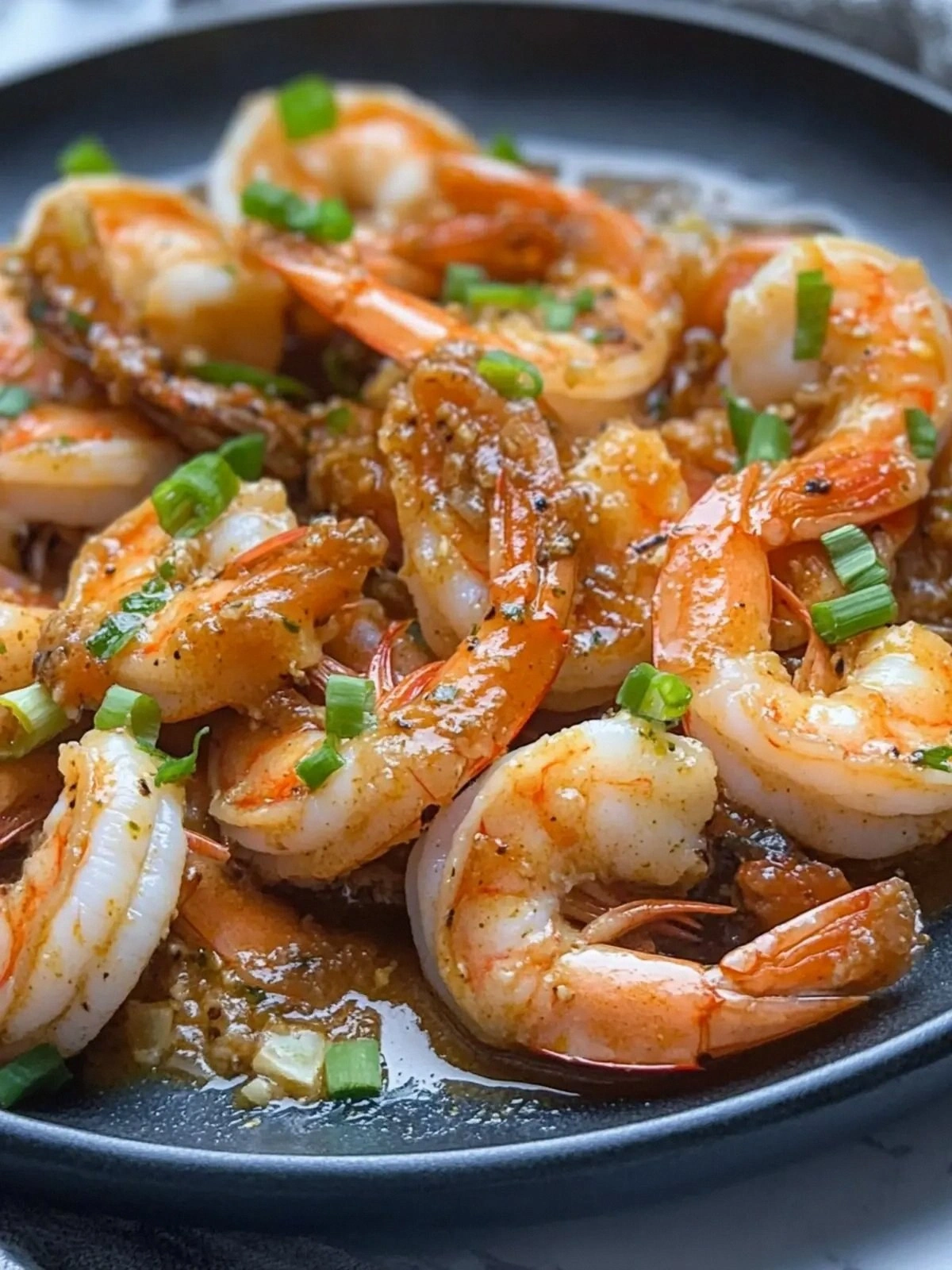
The moment the shrimp hit the hot pan, the kitchen filled with a sizzling chorus, the sound of a thousand tiny fireworks. A fragrant cloud of garlic and ginger rose, mingling with the sweet, earthy aroma of oyster sauce and soy. I could taste the briny snap of the shrimp already, the subtle heat from the pepper, and the nutty whisper of toasted sesame seeds. The heat of the skillet made the shrimp’s skin crackle like brittle parchment, a visual cue that the magic was happening. I could feel the heat radiating through the countertop, the steam curling into lazy spirals that made my eyes water in anticipation.
What makes this version stand out isn’t just the flavor; it’s the method. I’ve trimmed down the steps, eliminated the need for a wok, and introduced a quick “flash‑cook” technique that locks in moisture while caramelizing the sauce. The shrimp are seared to a perfect golden edge, then tossed in a glossy sauce that clings to every inch. The result is a dish that’s both restaurant‑quality and home‑friendly, with a texture that’s crisp on the outside and tender inside. This isn’t just another shrimp recipe; it’s a statement that you can create something extraordinary even when the clock is ticking.
And there’s a twist you won’t see on the usual recipe cards: a splash of sesame oil added just before the finish for a depth of flavor that feels like a secret handshake. I dare you to taste this and not go back for seconds. Stay with me here—this is worth it. Let me walk you through every single step—by the end, you’ll wonder how you ever made it any other way.
What Makes This Version Stand Out
- Flavor: The oyster sauce and soy sauce blend creates a savory backbone that’s both sweet and salty, a balance that makes each bite unforgettable.
- Texture: The shrimp are seared to a crisp exterior while staying juicy inside, thanks to a precise high‑heat sear followed by a quick deglaze.
- Simplicity: No wok, no fancy tools—just a skillet, a splash of oil, and a handful of pantry staples.
- Uniqueness: The addition of toasted sesame seeds and a final drizzle of sesame oil gives the dish an unexpected nutty finish.
- Crowd Reaction: Friends who’ve tried the classic version say this feels like a “wow” upgrade—taste, texture, and aroma all hit the spot.
- Ingredient Quality: Fresh shrimp, freshly grated ginger, and high‑quality oyster sauce elevate the dish beyond the ordinary.
- Cooking Method: The quick sear and flash‑cook technique saves time without sacrificing flavor.
- Make‑Ahead Potential: The sauce can be pre‑made and reheated with the shrimp, making it a perfect weeknight win.
Alright, let’s break down exactly what goes into this masterpiece…
Inside the Ingredient List
The Flavor Base
Oyster sauce is the heart of this dish. It brings umami, a subtle sweetness, and a silky texture that coats the shrimp like velvet. If you can’t find oyster sauce, a mix of soy sauce and a teaspoon of honey or brown sugar works as a close substitute. Keep the sauce at room temperature before use; cold sauce won’t coat the shrimp evenly.
The Texture Crew
Large shrimp, deveined, are the star. Fresh shrimp have a firm, slightly sweet bite that holds up under high heat. If you’re using frozen shrimp, thaw them in cold water for 10 minutes and pat them dry; excess moisture will steam rather than sear. The bell peppers add a crisp bite that contrasts the tender shrimp, while the steamed vegetables provide a mellow backdrop.
The Unexpected Star
Toasted sesame seeds give a subtle crunch and a nutty aroma that elevates the sauce. Toast them in a dry pan over medium heat until golden, then let them cool before adding. If you’re allergic or simply dislike sesame, you can replace them with crushed peanuts for a different texture.
The Final Flourish
Sesame oil is a finishing touch that adds depth and a glossy sheen. Add it at the end of cooking to preserve its delicate flavor. Green onions provide a bright, fresh note that balances the richness of the sauce. If you prefer a milder onion flavor, substitute scallions or finely chopped chives.
Everything’s prepped? Good. Let’s get into the real action…
The Method — Step by Step
- Heat a large skillet over high heat until it’s smoking. Add the sesame oil, letting it swirl around the pan. When the oil shimmers, the skillet is ready for the shrimp.
- Pat the shrimp dry with a paper towel. This step is crucial—dry shrimp sear better and avoid steaming. Toss the shrimp in a pinch of salt and pepper for a simple seasoning.
- Add the shrimp in a single layer, making sure not to overcrowd. Let them sear undisturbed for 30 seconds; the edges will start to turn pink and develop a golden crust. Flip them gently, then add the garlic and ginger, letting them sauté for an additional 30 seconds until fragrant.
- Pour in the oyster sauce and soy sauce, then stir to coat the shrimp. The sauce will reduce slightly and thicken, forming a glossy glaze. Keep the heat on medium‑high to prevent the sauce from burning.
- Add the bell peppers and steamed vegetables, tossing them with the shrimp. The vegetables should be hot but not soggy; they’ll soften quickly in the sauce. Cook for 2 minutes, allowing the flavors to mingle.
- Stir in the toasted sesame seeds and green onions, giving the dish a final burst of color and crunch. The seeds should lightly toast in the residual heat, releasing a nutty aroma.
- Remove the skillet from the heat and drizzle the sesame oil over the top. The oil adds a glossy sheen and a subtle nutty finish. Give everything one final gentle toss.
- Serve immediately over steamed rice or noodles, or let it cool and use it as a filling for lettuce wraps. The dish is versatile enough to adapt to many dinner themes.
That’s it — you did it. But hold on, I’ve got a few more tricks that will take this to another level…
Insider Tricks for Flawless Results
The Temperature Rule Nobody Follows
A quick sear at high heat is essential, but many cooks lower the flame too early. Keep the skillet at a steady medium‑high until the shrimp are pink on the edges. This ensures a crisp crust without overcooking the interior.
Why Your Nose Knows Best
The aroma of garlic and ginger sizzling is your cue that the flavors are developing. If the scent is flat, the pan isn’t hot enough. A sizzling scent indicates the Maillard reaction is underway, creating depth.
The 5‑Minute Rest That Changes Everything
After removing the skillet from the heat, let the shrimp rest for 30 seconds before serving. This allows the juices to redistribute, keeping the shrimp moist and tender.
The Quick Toast
Toast the sesame seeds in a dry pan for 2 minutes before adding them to the dish. The toasted seeds release a nutty aroma that elevates the sauce’s flavor profile.
The Final Drizzle
The last splash of sesame oil should be added off the heat. Adding it while the pan is still hot can burn the oil, resulting in a bitter taste.
The Sauce Swap
If you prefer a sweeter sauce, swap half the oyster sauce for hoisin sauce. This gives a richer sweetness and a thicker consistency.
Creative Twists and Variations
This recipe is a playground. Here are some of my favorite ways to switch things up:
Spicy Sriracha Splash
Add a tablespoon of sriracha to the sauce for a fiery kick. The heat balances the sweetness of the oyster sauce and adds a smoky undertone. Great for those who like a little bite.
Citrus Zest Finish
Finish the dish with a squeeze of fresh lime and a sprinkle of orange zest. The citrus brightens the sauce and cuts through the richness, creating a refreshing contrast.
Miso‑Infused Umami
Replace half the oyster sauce with white miso paste. The miso adds depth and a subtle earthiness that complements the shrimp’s natural sweetness.
Thai‑Inspired Coconut Twist
Swirl in a tablespoon of coconut milk and a pinch of Thai red curry paste. The creamy coconut softens the sauce, while the curry adds a fragrant spice profile.
Vegetarian Version
Swap the shrimp for firm tofu or tempeh, marinated in the same sauce. The tofu will absorb the umami, making it a satisfying plant‑based alternative.
Gourmet Truffle Touch
Finish with a drizzle of truffle oil and a sprinkle of fresh parsley. The truffle adds an earthy luxury that elevates the dish for special occasions.
Storing and Bringing It Back to Life
Fridge Storage
Store leftovers in an airtight container for up to 3 days. Keep the shrimp and sauce separate until ready to reheat to preserve the shrimp’s texture. When reheating, gently warm the sauce first, then fold in the shrimp.
Freezer Friendly
Freeze the sauce and shrimp separately in freezer bags for up to 2 months. Thaw overnight in the fridge, then reheat on the stove. The sauce will thicken when chilled; add a splash of water to loosen.
Best Reheating Method
Reheat on low heat, stirring frequently to prevent sticking. Add a tiny splash of water before reheating—it steams back to perfection and keeps the shrimp juicy.