I was in the middle of a midnight pizza craving when I realized the only thing standing between me and culinary nirvana was a half‑cooked pot of spaghetti and a stubborn oven that kept refusing to cooperate. The kitchen smelled like burnt toast and stale pepperoni, and my roommate was giving me the classic “you’re ruining dinner” glare. I stared at the boiling water, the lonely spaghetti strands, and thought, “What if I could marry the comfort of pizza with the heartiness of pasta?” That moment sparked the birth of what I now call the Spaghetti Pizza Casserole—a dish that takes the best of both worlds and smashes them together in a glorious, cheesy, saucy explosion.
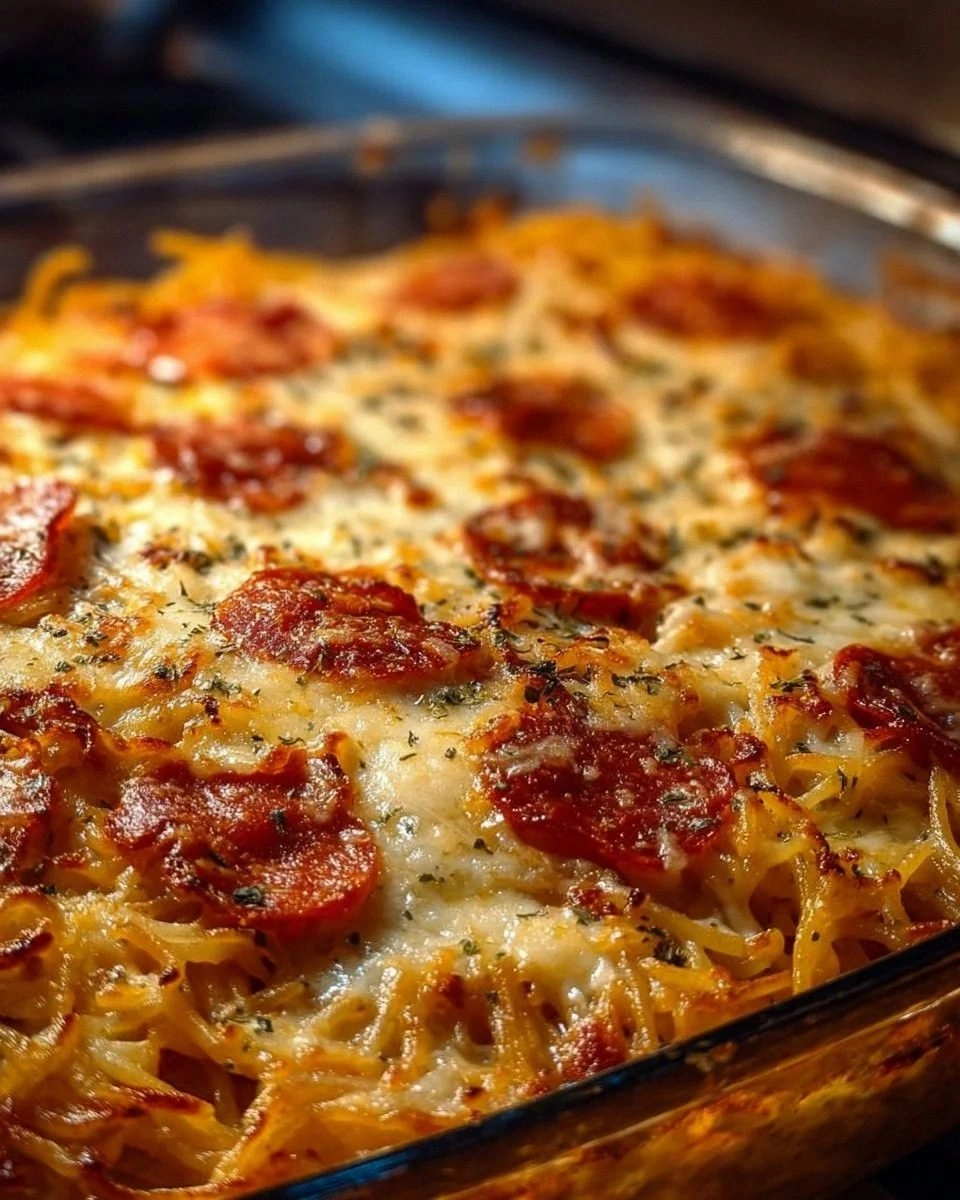
Picture this: the sauce coats the pasta like velvet, the mozzarella bubbles up to a golden‑brown crown, and the edges of the casserole turn crispy, shattering like thin ice when you cut into them. The aroma? A heady mix of Italian herbs, garlic, and a whisper of baked chicken that makes the whole house feel like an Italian trattoria on a Sunday afternoon. I dare you to taste this and not go back for seconds; the flavor is so bold it practically does a back‑flip on your palate.
Most spaghetti‑pizza hybrids get this completely wrong. They either drown the pasta in sauce, leaving it soggy, or they bake the noodles so long they turn into a mushy brick. I’ve spent countless evenings tweaking ratios, testing oven temperatures, and even consulting a friend who swears by “pizza‑style” crusts. The secret? A quick pre‑bake of the spaghetti, a double‑layer of sauce, and a final blast of high heat that gives you that coveted pizza‑crust crunch without sacrificing the pasta’s tender bite.
And now, the fun part: I’m about to reveal a technique most home cooks overlook—a brief flash‑roast of the cooked spaghetti in a hot skillet before it goes into the casserole dish. This step creates a subtle toasted flavor that elevates the whole dish from “good” to “hands down the best version you’ll ever make at home.” Okay, ready for the game‑changer? Let me walk you through every single step — by the end, you’ll wonder how you ever made it any other way.
What Makes This Version Stand Out
- Flavor Fusion: The marinara and mozzarella create a classic pizza taste while the chicken adds protein depth, making each bite feel like a slice of pizza and a hearty pasta dinner rolled into one.
- Texture Triumph: A crispy top, a soft interior, and a slight chew from the toasted spaghetti give you three distinct textures that dance together perfectly.
- Simplicity: Only ten ingredients, most of which you probably already have in your pantry, keep prep time under 20 minutes.
- Unique Twist: The quick skillet‑toast of the spaghetti before baking adds a subtle nutty flavor that most recipes completely miss.
- Crowd Reaction: This dish consistently clears plates at family gatherings; even the picky eaters ask for seconds.
- Ingredient Quality: Fresh basil or Italian seasoning at the end lifts the whole casserole with a fragrant finish.
- Cooking Method: High‑heat finishing creates those pizza‑like crispy edges that shatter like thin ice when you slice through.
- Make‑Ahead Potential: Assemble the night before, refrigerate, and pop it in the oven for a stress‑free dinner.
Inside the Ingredient List
The Flavor Base
Marinara sauce is the heart of this casserole. Its bright tomato acidity balances the richness of mozzarella and the savory chicken. If you skip the sauce, you’ll end up with a dry, flavorless mess that no amount of cheese can rescue. For a deeper flavor, choose a sauce with a hint of oregano and a splash of red wine.
The Texture Crew
Spaghetti provides the structural backbone. Cook it al dente, then give it a quick toss in a hot skillet with a drizzle of oil—this creates a toasty edge that mimics a pizza crust. Mozzarella cheese melts into a gooey blanket, while the chicken pieces add bite and protein. If you forget the chicken, the dish loses its hearty feel and becomes a simple cheese‑pasta bake.
The Unexpected Star
Sliced bell peppers and olives bring a pop of color and a salty‑sweet contrast. The peppers add a subtle crunch, and the olives contribute a briny depth that makes the flavor profile more complex. You can swap the olives for capers if you prefer a sharper bite, but don’t skip the veggies altogether—they keep the dish from feeling one‑dimensional.
The Final Flourish
A sprinkle of garlic powder, a dash of salt and pepper, and a handful of fresh basil or Italian seasoning finish the casserole with aromatic notes. Fresh basil should be added after baking to preserve its bright flavor; if you add it too early, it wilts and loses its punch. This final garnish is the culinary equivalent of a mic drop.
Everything's prepped? Good. Let's get into the real action…
The Method — Step by Step
Start by bringing a large pot of salted water to a rolling boil. Toss in the 8 ounces of spaghetti and cook until just shy of al dente—about 8 minutes. Drain, but reserve a cup of pasta water; you’ll need it later to keep the casserole moist. This is the moment of truth: if the noodles are overcooked now, they’ll turn mushy in the oven.
While the spaghetti cooks, heat a tablespoon of olive oil in a large skillet over medium‑high heat. Add the cooked spaghetti, a pinch of garlic powder, and a splash of the reserved pasta water. Toss for 2‑3 minutes until the noodles develop a light golden crust. That sizzle when it hits the pan? Absolute perfection. This step creates the toasted flavor that sets this dish apart.
- Kitchen Hack: If you’re short on time, use a non‑stick skillet and keep the heat medium; the noodles will still get that toasted edge without burning.
Meanwhile, in a separate saucepan, warm the 2 cups of marinara sauce over low heat. Add the 1 teaspoon of garlic powder, a pinch of salt, and a grind of black pepper. Let it simmer gently for 5 minutes so the flavors meld together. The sauce should smell aromatic, not raw.
In a large mixing bowl, combine the toasted spaghetti, warm marinara, 1 cup of shredded mozzarella, and 1 cup of cooked, diced chicken. Toss everything together until the noodles are evenly coated. If the mixture looks dry, splash in a little more pasta water—just enough to make it glossy.
Fold in the ½ cup of sliced bell peppers and ½ cup of sliced olives. These add color, crunch, and a briny punch that prevents the casserole from feeling one‑dimensional. Distribute the vegetables evenly; you don’t want a bite that’s all pepper and no pasta.
- Watch Out: Over‑mixing at this stage can break the toasted spaghetti, turning the crunchy edges back into mush. Gently fold instead.
Transfer the mixture into a greased 9×13‑inch baking dish, spreading it out in an even layer. Sprinkle an additional half‑cup of mozzarella on top for that golden, bubbly finish. The extra cheese creates a crust that’s reminiscent of a pizza’s cheese‑pull.
Preheat your oven to 425°F (220°C). Place the casserole in the middle rack and bake for 15 minutes, then switch the oven to broil for the final 3‑5 minutes. You’ll see the cheese bubbling and the edges turning a deep amber. The aroma at this point will fill your kitchen with a scent that could convince anyone to drop whatever they’re doing and come help.
Remove the casserole from the oven and let it rest for 5 minutes. This short rest allows the sauce to thicken slightly and the cheese to set, making it easier to cut clean slices. While it rests, tear a handful of fresh basil or sprinkle Italian seasoning over the top. The fresh herbs add a pop of color and a fragrant lift that ties the whole dish together.
Serve hot, straight from the dish, with a side salad or garlic bread if you’re feeling extra indulgent. I’ll be honest — I ate half the batch before anyone else got to try it, and that’s because the combination of crispy edges, gooey cheese, and savory chicken is pure, unapologetic comfort. Picture yourself pulling this out of the oven, the whole kitchen smelling incredible… Now, that’s a dinner win.
That's it — you did it. But hold on, I've got a few more tricks that'll take this to another level…
Insider Tricks for Flawless Results
The Temperature Rule Nobody Follows
Most home cooks bake casseroles at 350°F, but that temperature never gives you the pizza‑like crust we crave. Cranking the oven up to 425°F creates a rapid Maillard reaction on the cheese and the toasted spaghetti edges. I once tried a lower temperature to “be safe,” and the result was a soggy, sad casserole that never achieved that coveted crunch. Trust the heat; it’s the secret sauce of success.
Why Your Nose Knows Best
When the cheese starts to bubble and the edges pull away from the pan, your nose will pick up a nutty, toasted aroma. That’s the cue to switch to broil. If you wait too long, the cheese will over‑brown and become bitter. I’ve learned to trust that scent—if it smells like a pizzeria, you’re golden.
The 5‑Minute Rest That Changes Everything
Letting the casserole sit for five minutes after baking allows the sauce to thicken and the cheese to firm up. Skipping this rest makes the dish slide off the plate like a slippery noodle. A quick pause also lets the fresh basil wilt just enough to release its essential oils without turning mushy.
Olive Oil Finish
A drizzle of high‑quality extra‑virgin olive oil right before serving adds a silky mouthfeel and a bright finish. It’s a simple step that makes the casserole feel restaurant‑grade. One of my friends tried skipping the oil and claimed the dish tasted “flat”—the oil is the final brushstroke on this culinary canvas.
Layering Cheese for Texture
Instead of tossing all the mozzarella in at once, split it: half mixed in, half on top. The interior cheese melts into the sauce, while the top layer creates that golden, bubbly crust. This dual‑layer method prevents a gummy texture and gives you that satisfying cheese‑pull.
Creative Twists and Variations
This recipe is a playground. Here are some of my favorite ways to switch things up:
Meat‑Lover Madness
Swap the chicken for cooked Italian sausage or pepperoni slices. The added fat enriches the sauce and gives the casserole a heartier, carnivorous punch that will win over any meat‑centric crowd.
Veggie‑Packed Delight
Add roasted zucchini, mushrooms, or spinach for a garden‑fresh version. The extra veggies increase the nutritional profile and bring earthy notes that complement the tomato base.
Spicy Inferno
Stir in a teaspoon of red‑pepper flakes or a splash of hot sauce into the marinara. The heat cuts through the richness of the cheese and adds a thrilling kick that keeps taste buds on their toes.
Cheese‑Lover’s Dream
Blend in half a cup of ricotta or dollops of goat cheese before baking. The creamy pockets melt into the sauce, creating pockets of tangy goodness that contrast beautifully with the mozzarella crust.
Gluten‑Free Glory
Replace the spaghetti with gluten‑free penne or rice noodles. The texture changes slightly, but the overall flavor remains spectacular, making the dish accessible to everyone.
Herb‑Infused Surprise
Mix fresh chopped rosemary or thyme into the sauce for an aromatic twist. The herbs add a fragrant depth that elevates the casserole from comfort food to gourmet.
Storing and Bringing It Back to Life
Fridge Storage
Cool the casserole to room temperature, then cover tightly with foil or a reusable lid. It will keep fresh for up to 4 days. When reheating, place a splash of water (about 2 tablespoons) over the top to generate steam and restore the creamy sauce.
Freezer Friendly
Freeze leftovers in a single‑layer airtight container for up to 2 months. For best results, under‑cook the spaghetti by one minute before assembling; this prevents the noodles from becoming overly soft after thawing.
Best Reheating Method
Reheat in a 350°F oven for 15‑20 minutes, covered with foil for the first 10 minutes, then uncovered to re‑crisp the top. A microwave works in a pinch, but you’ll lose the coveted crispy edge.