I burned dinner three times last week trying to chase the perfect plate of spaghetti with feta. The first attempt ended in a gluey, chalky mess that tasted like I’d scraped it off a chalkboard. The second fused into one solid brick, and the third—well, let’s just say the smoke alarm and I are no longer on speaking terms. But on the fourth try the clouds parted, the pasta water sang, and the feta swooped in like a creamy superhero to save the day. The result was so ridiculously good that I stood at the counter at midnight, fork in hand, demolishing what was supposed to be tomorrow’s lunch while my cat judged me from the windowsill. If you’ve ever thought spaghetti with feta sounded like a sad consolation prize when there’s no parmesan in the house, prepare for a plot twist worthy of a telenovela.
Picture this: silky strands of al dente spaghetti slicked with an emulsified sauce that coats each noodle like liquid velvet, punctuated by briny bursts of feta that melt just enough to mingle but keep their tangy personality intact. There’s garlic that actually tastes like garlic instead of bitter brown confetti, a whisper of lemon that lifts the whole thing out of heaviness, and the gentle heat of chili flakes that blooms slowly rather than punching you in the throat. The kitchen smells like a Greek island taverna collided with a Roman trattoria and decided to throw a party. You’ll twirl a forkful, pause, and then make that involuntary “oh-my-stars” noise you thought only happened in movies. I dare you to taste this and not go back for seconds while pretending you’re just “checking the seasoning.”
Most recipes treat feta like a last-minute crumble on top, which is culinary criminal negligence. The magic happens when the cheese meets the starchy pasta water and melts into a luxurious sauce that clings instead of sliding off. We’re also ditching the raw-garlic bite that scares children and dates alike, opting instead for gentle slices that soften into sweet submission. And we’re using real Greek feta—none of that rubbery cow’s-milk impostor that squeaks like Styrofoam. Stay with me here — this is worth it.
Let me walk you through every single step — by the end, you’ll wonder how you ever made it any other way.
What Makes This Version Stand Out
Velvet-Soft Sauce: Instead of grainy clumps, the feta melts into a cloud-like emulsion thanks to a splash of hot pasta water and vigorous swirling. The result is a glossy coating that looks like you added heavy cream, except you didn’t.
Layered Feta Strategy: We stir half the cheese into the hot pasta so it disappears into the sauce, then shower the remaining cubes on top so you get pockets of creamy and squeaky in every bite.
Garlic That Behaves: Thinly sliced and gently sautéed until translucent, it infuses the oil without the acrid bitterness of browning. Your breath recovers in record time.
Lemon Zest, Not Juice: Zest gives bright perfume without watering down the sauce or curdling the dairy. It’s the difference between a polite handshake and a bear hug.
One Pan, Zero Waste: The same skillet that softens the garlic catches the drained pasta, so every precious drop of starch stays in the game and you avoid Mount Dish-more.
Make-Ahead Hero: The sauce base keeps three days in the fridge and reheats like a dream, so you can feed future-you on a Wednesday night when the couch has claimed your soul.
Alright, let’s break down exactly what goes into this masterpiece...
Inside the Ingredient List
The Flavor Base
Extra-virgin olive oil anchors everything with grassy depth. Don’t reach for the mild “light” stuff here — you want punchy personality that stands up to salty cheese. Garlic gets sliced whisper-thin so it practically dissolves, releasing sweet perfume rather than harsh bite. Chili flakes bloom in the warm oil, staining it sunset-orange and toasting the volatile oils so the heat stays rounded, not prickly. A pinch of dried oregano, crumbled between your palms, adds earthy resin that transports you straight to a sun-baked hillside in Crete.
The Texture Crew
Spaghetti is the obvious star, but go for bronze-cut if you can find it; the rough surface grabs sauce like Velcro. The pasta water must taste as salty as the Mediterranean — this is your only chance to season from the inside out. Feta in brine keeps its crumble integrity, but we’re going rogue and adding half of it while the pasta is volcanically hot, letting it slump into silken threads that bind every noodle. The remaining cubes stay cool and perky for contrast.
The Unexpected Star
Lemon zest—just the yellow, none of the bitter pith—adds high notes that make the feta taste even tangier through the magic of sensory contrast. Freshly ground black pepper brings floral heat that pre-ground dust can’t touch. A whisper of honey may sound wild, but it rounds the sharp edges of the cheese and balances the lemon’s zip.
The Final Flourish
Fresh parsley keeps things sprightly and green, while a drizzle of the same olive oil at the end reawakens all the aromatics. If you’re feeling fancy, a scattering of toasted pine nuts adds buttery crunch that shatters like thin ice against the soft pasta.
Everything’s prepped? Good. Let’s get into the real action...
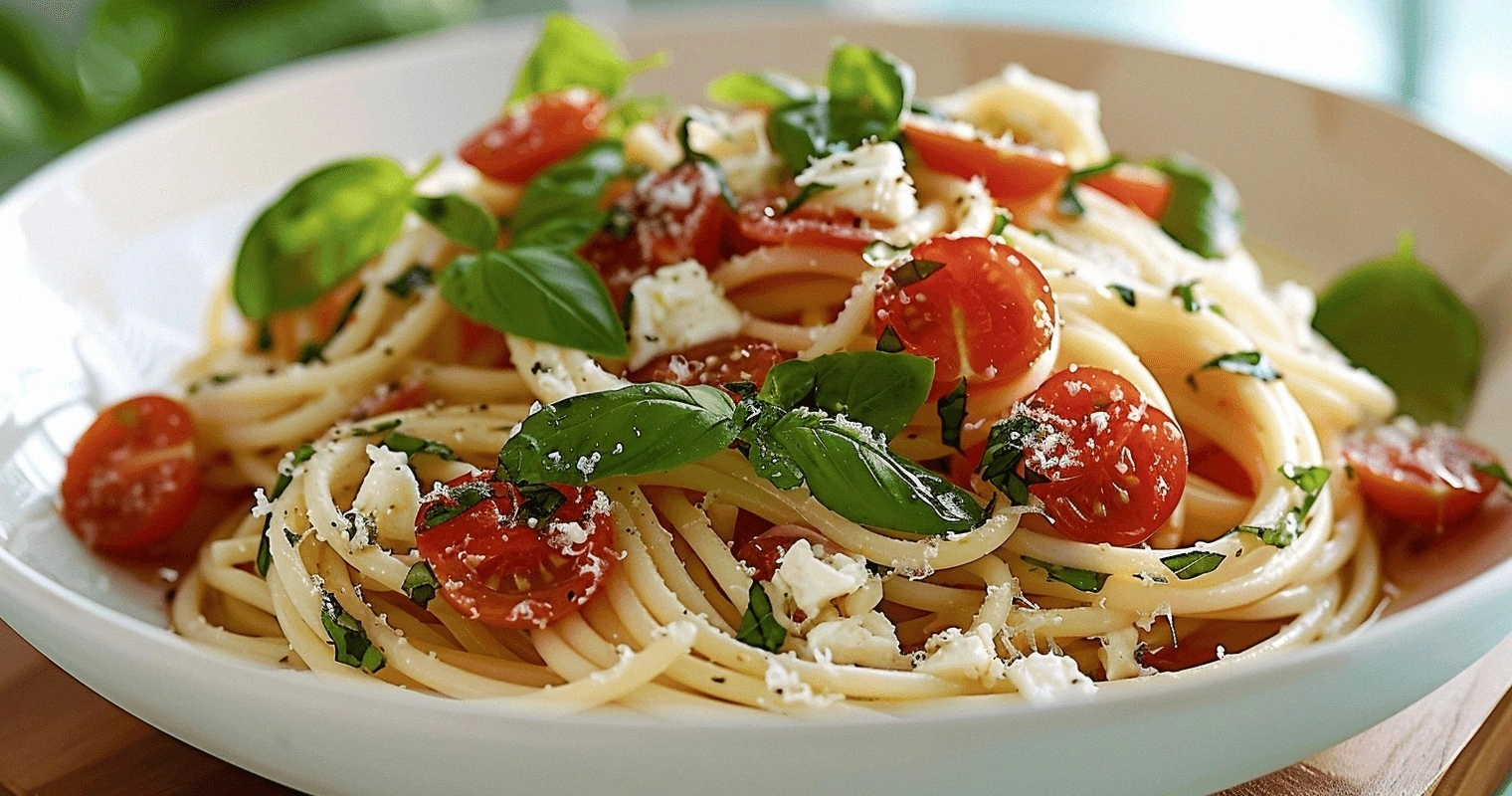
The Method — Step by Step
- Bring a large pot of water to a rolling boil and salt it until it tastes like the sea—about 1 tablespoon of kosher salt per quart. While you wait, slice 3 cloves of garlic into hair-thin coins and crumble half of your 200 g block of feta into rough pea-sized pieces; keep the rest in tidy cubes for later. This is the moment of truth for pasta water, because under-salted water produces bland noodles no amount of cheese can fix.
- Drop 400 g of spaghetti into the furiously bubbling water and set a timer for 2 minutes less than package directions. You want it shy of al dente because it will finish cooking in the sauce. Swirl the pot for the first 30 seconds so nothing glues itself to the bottom. That gentle rumble you hear is starch being released into the water—liquid gold for later emulsification.
- Meanwhile, heat 3 tablespoons of good olive oil in a wide skillet over medium-low heat. Slide in the garlic slices and let them shimmy for 60-90 seconds until they turn translucent and the edges just begin to blush. If they brown, you’ve crossed into bitter territory; lower the heat and soldier on. The aroma should whisper sweet nothings, not scream obscenities.
- Toss in ½ teaspoon of chili flakes and ½ teaspoon dried oregano, crushing the herbs between your fingers to wake up the oils. Count to ten slowly—this bloom time mellows the heat and perfumes the kitchen like a Sicilian sunset. Your nose will know when it’s ready; it smells like warmth itself.
- When the timer shouts, ladle out 1 cup of starchy pasta water, then drain the spaghetti in a colander but do not rinse. Immediately tip the steaming noodles into the fragrant oil. Increase heat to medium and toss with tongs, coating every strand in the garlicky sunset. Add ¼ cup of reserved water and keep tossing; the liquid will thicken into a light glaze that clings rather than puddles.
- Scatter the crumbled feta over the pasta and toss vigorously. The cheese will seize for a nanosecond, then relax into creamy surrender as you splash in another ¼ cup of hot water. Keep the pasta moving so the starch and cheese tango into a unified sauce. It should look like velvet in slow motion.
- Turn off the heat and add the zest of ½ lemon, ¼ teaspoon freshly ground black pepper, and the tiniest drizzle of honey—less than ⅛ teaspoon. Toss again; the zest will perfume the steam and make your eyes close involuntarily. Taste a strand: it should be bright, tangy, and just salty enough that you don’t need extra salt.
- Fold in half of the reserved feta cubes so some stay perky, then divide among warm bowls. Shower with fresh parsley, a final crack of pepper, and a thread of raw olive oil for glossy good looks. Serve immediately with crusty bread to mop up any rebellious sauce. That sizzle when it hits the pan? Absolute perfection.
That's it — you did it. But hold on, I’ve got a few more tricks that’ll take this to another level...
Insider Tricks for Flawless Results
The Temperature Rule Nobody Follows
Keep the skillet off screaming-high heat when you add the feta. Medium is your sweet spot; too hot and the proteins seize into grainy curds faster than you can say “oops.” If you’re nervous, pull the pan off the heat entirely, add the cheese, then return to low flame while tossing. Your sauce will stay glossy instead of gritty, and future-you will write thank-you notes.
Why Your Nose Knows Best
Garlic tells you when it’s ready through smell more than sight. Raw garlic smells sharp and aggressive; properly softened garlic smells sweet and nutty, like you’ve walked into a bakery that also roasts socks. When that transformation happens, proceed immediately. Waiting another 30 seconds can tip you into bitterness, and no amount of feta can rescue that.
The 5-Minute Rest That Changes Everything
After plating, let the bowls sit for five minutes. The sauce thickens slightly as it cools, the flavors marry, and you avoid that scorched-tongue dance we’ve all performed. Cover with an upside-down plate to keep warmth in, set the table, pour wine, and when you finally dig in the temperature is ideal and the sauce has settled into every groove.
Creative Twists and Variations
This recipe is a playground. Here are some of my favorite ways to switch things up:
Smoky Eggplant Remix
Roast a halved eggplant directly on a gas flame until the skin chars and the flesh slumps. Scoop, chop, and fold it into the pasta with the feta. The smoky depth makes the dish taste like it spent hours in a wood-fired oven instead of fifteen minutes on your mediocre stove.
Shrimp & Dill Party
Sear peeled shrimp in the garlicky oil until just pink, then proceed as written. Swap parsley for dill and add a squeeze of lemon juice at the end. It’s coastal Greece meets Venetian bacaro, and it disappears faster than you can uncork the retsina.
Roasted Cherry Tomato Burst
Roast a pint of cherry tomatoes at 400°F with olive oil and salt until they blister and collapse. Toss them—juices and all—into the pasta right before the feta. The tomatoes pop like savory bubble tea and give sweet relief against the salty cheese.
Spinach & Nutmeg Winter Warmer
Wilt a few handfuls of baby spinach in the skillet after the garlic turns sweet. Season with a whisper of freshly grated nutmeg before adding pasta. The spinach dyes the sauce pale green and adds iron without tasting like a health ad.
Crispy Prosciutto Crunch
Crisp thin strips of prosciutto in the skillet first, then use the rendered fat instead of olive oil for the garlic. Top each bowl with the crunchy shards. Salty, porky, and utterly addictive—like bacon’s sophisticated cousin who studied abroad.
Chili-Lime Heatwave
Swap the lemon zest for lime zest, bump the chili flakes to a full teaspoon, and finish with a handful of torn cilantro. Serve ice-cold beer on the side and pretend you’re on a beach in Mexico where feta somehow gate-crashed the fiesta.
Storing and Bringing It Back to Life
Fridge Storage
Pack leftovers in a shallow airtight container and refrigerate up to four days. The sauce will tighten, but that’s fixable. Press plastic wrap directly onto the surface to prevent the feta from drying into tiny salt licks.
Freezer Friendly
Freeze individual portions in zip-top bags pressed flat; they thaw quickly under warm tap water. The texture of the feta will change slightly—less creamy, more crumbly—but the flavor holds strong for two months. Label the bag or you’ll play freezer roulette in six weeks.
Best Reheating Method
Slide the pasta into a non-stick skillet with a splash of water, cover, and warm over medium-low heat, tossing frequently. The steam revives the emulsion and prevents the cheese from turning into rubber dice. Microwaves work in a pinch, but they scorch garlic faster than you can say “leftovers regret.”