Introduction
Picture this: I’m standing in my kitchen, a half‑cooked steak on the stove, and a friend’s challenge echoing in my head. He dared me to whip up a Texas Roadhouse‑style sirloin that could make the restaurant’s signature look like a backyard experiment. The moment the pan hit the stove, I knew I had to rise to the occasion. I was determined to turn that humble cut into a masterpiece that would leave everyone begging for seconds. This isn’t just another steak recipe; it’s a culinary dare that I’m about to break down step by step.
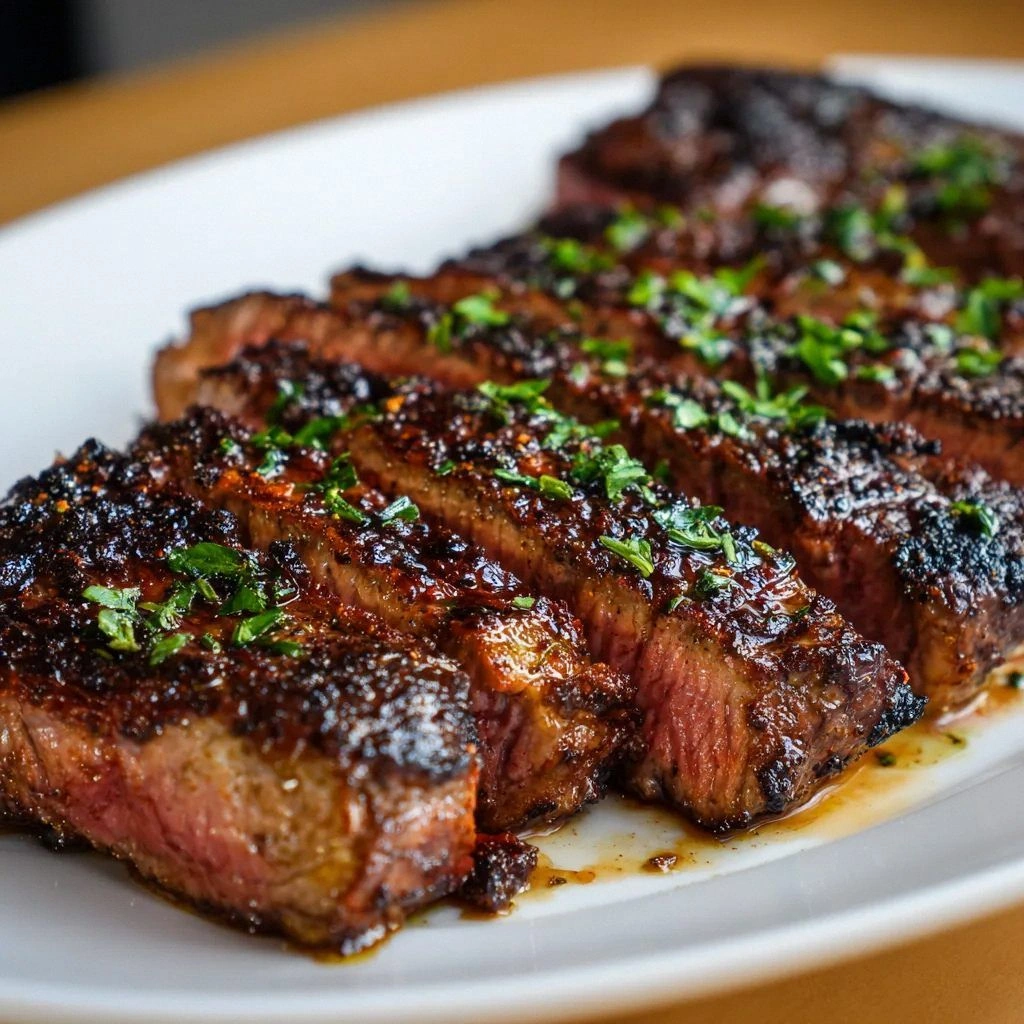
From the moment the steak hits the hot skillet, the sizzle is music to my ears, a rhythmic drumbeat that promises flavor. The aroma that follows—a smoky kiss of paprika mingling with garlic—fills the room, making your mouth water before you even taste the first bite. The steak’s surface transforms into a caramelized crust that crackles like a tiny firework. When you cut through it, the center is a molten, pink ribbon of pure indulgence. The texture feels buttery against your tongue, a contrast that keeps you hooked with each bite.
This version is the gold standard because it strips the steak down to its essence, letting the meat shine while the seasoning amplifies its natural depth. I’ve removed the fluff that often bogs down other recipes—no heavy sauces, no extra fats, just a balanced seasoning that respects the cut’s integrity. The result? A steak that’s juicy, tender, and bursting with a smoky, savory profile that rivals any steakhouse. I dare you to taste this and not go back for seconds. Hands down, this is the best version you’ll ever make at home.
The secret sauce? A humble blend of smoked paprika, garlic powder, onion powder, and a splash of olive oil that works like a flavor magnet. It’s the little thing that turns a simple sirloin into a showstopper, and trust me, you’ll want to keep this in your culinary arsenal forever. Picture yourself pulling this out of the pan, the whole kitchen smelling incredible, and the sizzling edges that shatter like thin ice. Let me walk you through every single step—by the end, you’ll wonder how you ever made it any other way.
What Makes This Version Stand Out
- Taste: The smoky, slightly sweet kick from smoked paprika elevates the steak’s natural umami, while the garlic and onion powders add depth without overpowering. This balanced flavor profile keeps the steak juicy and satisfying, making it a crowd‑pleaser.
- Texture: A crisp, caramelized crust forms in the first minute of searing, sealing in juices that leave the inside tender and pink. The result is a steak that feels buttery on the tongue and snaps with a satisfying crack when you bite into it.
- Simplicity: With just seven core ingredients, the recipe cuts through kitchen clutter. No extra sauces, no complicated marinades—just a quick rub that delivers maximum flavor.
- Uniqueness: Smoked paprika is the secret differentiator, adding a subtle depth that sets this steak apart from ordinary grilled cuts.
- Crowd Reaction: Friends who’ve tried this version keep asking for the recipe after every meal. It’s the kind of dish that turns a casual dinner into a memorable event.
- Ingredient Quality: Using a lean sirloin with good marbling ensures a juicy bite, while fresh herbs add a pop of color and brightness.
- Cooking Method: A high‑heat pan sear locks in flavor and creates a dramatic sizzle that’s almost theatrical.
- Make‑Ahead Potential: The seasoning can be prepared a day in advance, and the steak can be stored in the fridge for up to 48 hours before cooking.
Inside the Ingredient List
The Flavor Base
Olive oil is the canvas that binds the spices to the meat, ensuring a glossy, flavorful crust. A tablespoon per steak is enough to coat the surface without drowning the natural juices. If you’re watching calories, a light drizzle of extra‑virgin olive oil still delivers that essential richness.
The Protein Core
Sirloin steak is the star of this dish. Choose a cut with visible marbling; those fat streaks melt into the meat, providing a buttery texture that is the hallmark of a great steak. A 1‑inch thick steak balances a quick sear with a tender interior.
The Fresh Finish
Fresh herbs such as parsley or thyme add a bright, green contrast that lifts the savory flavor. Toss them in at the very end, just before serving, to preserve their vibrant aroma. If you’re short on fresh herbs, dried ones can work, but they’ll lose some of their punch.
The Seasoning Blend
Garlic powder, onion powder, smoked paprika, salt, and pepper form the backbone of this recipe. The powders dissolve quickly and create a uniform coating, ensuring every bite is seasoned. Skip any one of them and you’ll lose a layer of complexity; the smoked paprika, in particular, is the signature note.
Everything's prepped? Good. Let's get into the real action…
The Method — Step by Step
- Pat the steaks dry with paper towels. A dry surface is essential for a perfect Maillard reaction, giving that coveted crust. While you’re drying, let the steaks sit at room temperature for about 15 minutes; this helps them cook evenly. Keep the pan warm on medium‑high heat to avoid any sudden temperature shock. The sizzle you hear right after placing the steak is a good indicator that the pan is hot enough.
- While the steak rests, combine garlic powder, onion powder, smoked paprika, salt, and pepper in a small bowl. This dry rub will coat the meat and lock in flavor. The ratio of spices is critical—too much paprika can overpower the meat, while too little will leave it bland. Stir until the mixture is uniform, then set aside. This is the moment where the aroma starts to build in the kitchen.
- Coat each steak with olive oil, then generously sprinkle the seasoning blend over both sides. Use a silicone spatula to press the rub into the meat, ensuring it adheres firmly. A well‑adhered rub creates a flavorful crust and prevents the spices from burning during searing. Let the seasoned steak rest for a minute to allow the flavors to mingle.
- Place the steak in the hot skillet. The first 2 minutes should produce a deep, dark sear on one side. Flip the steak using tongs, not a fork, to preserve juices. The second side should sear for another 2 minutes before you start checking for doneness. The sizzle should intensify, and the crust should be a dark brown with a slight char.
- Use a meat thermometer to gauge internal temperature. For medium‑rare, aim for 130°F (54°C); for medium, 140°F (60°C). This step is critical—overcooking will turn the steak into a rubbery mess. The watch‑out moment: if the steak starts to brown too quickly or the oil smokes excessively, lower the heat to avoid burning the rub. Keep the steak resting on a plate during this period.
- Remove the steak from the pan and tent it loosely with foil. Resting allows the juices to redistribute, ensuring every bite remains moist. A quick 5‑minute rest is enough; do not let it cool completely before slicing. The foil keeps the steak warm without steaming it, preserving the crust’s crispness. This is the moment of patience that pays off big.
- Slice the steak against the grain into 1/4‑inch thick pieces. Cutting against the grain shortens muscle fibers, making the steak more tender. Arrange the slices on a warm plate, letting the residual heat keep the meat juicy. Drizzle a small amount of the pan juices over the slices for extra flavor. The final presentation should look appetizing and professional.
- Garnish with fresh herbs, a squeeze of lemon, or a sprinkle of coarse sea salt. The herbs add a fresh pop, while lemon brightens the savory notes. Serve immediately with your choice of sides—roasted vegetables, mashed potatoes, or a crisp salad. The dish is now ready to impress, and you’ve earned a culinary victory. That sizzle when it hits the pan? Absolute perfection.
That's it — you did it. But hold on, I've got a few more tricks that'll take this to another level…
Insider Tricks for Flawless Results
The Temperature Rule Nobody Follows
Many cooks keep the heat low to avoid burning, but a high‑heat sear is what creates that coveted crust. Aim for a pan temperature of 400–450°F (204–232°C). Use a drop of water; if it dances and evaporates instantly, the pan is ready. A hot pan ensures the steak sears quickly, locking in juices.
Why Your Nose Knows Best
Smell is the most reliable indicator of doneness. When the steak releases a rich, caramelized aroma, it’s almost at its peak. If the smell turns sharp or burnt, pull the steak immediately. Trusting your nose saves you from overcooking.
The 5‑Minute Rest That Changes Everything
Resting is not optional; it’s a secret weapon. During the rest period, the internal temperature rises by 5–10°F, giving you a perfect medium‑rare finish. The juices redistribute, preventing them from spilling out when you cut. A quick rest also allows the crust to set, preserving that satisfying crunch.
The Perfect Pan
Cast‑iron skillets retain heat best, but stainless steel works well too. If you’re using a non‑stick pan, avoid high heat as it can degrade the coating. Pre‑heat the pan for at least 5 minutes to ensure even searing.
The Resting Plate Trick
Place a small ramekin of water on the plate while the steak rests. The steam helps keep the meat warm without steaming the crust. This simple trick keeps the steak from cooling too quickly, especially if you’re plating a large batch.
The Sauce Finish
After removing the steak, deglaze the pan with a splash of red wine or beef broth. Scrape the browned bits and let the liquid reduce by half. Drizzle over the sliced steak for an instant flavor boost. A quick sauce turns a simple steak into a restaurant‑level dish.
Creative Twists and Variations
This recipe is a playground. Here are some of my favorite ways to switch things up:
BBQ Glazed Sirloin
Swap the dry rub for a sticky BBQ glaze brushed in the last minute of cooking. The sweet, smoky glaze caramelizes beautifully, giving the steak a caramelized exterior that’s irresistible.
Herb Crusted Sirloin
Blend fresh rosemary, thyme, and oregano with olive oil and coat the steak before searing. The herbs become fragrant and crisp, adding a Mediterranean touch.
Peppercorn Crusted
Crush fresh black peppercorns and press them into the steak along with salt. The pepper crystals provide a crunchy texture and a sharp, piquant bite.
Lemon Butter Finish
After slicing, melt butter with lemon zest and a splash of white wine. Drizzle over the steak; the citrus brightens the savory profile and adds a silky finish.
Spicy Cajun
Replace smoked paprika with Cajun seasoning and add a pinch of cayenne for heat. The result is a spicy, bold steak that pairs well with a cooling cucumber salad.
Mediterranean Olive & Herb
Use a mixture of chopped Kalamata olives, capers, and fresh parsley. This twist adds briny, herbal notes that complement the steak’s richness.
Storing and Bringing It Back to Life
Fridge Storage
Store leftover steak in an airtight container for up to 3–4 days. Keep it at 40°F (4°C) or lower to maintain freshness. Wrap loosely with parchment before sealing to prevent condensation.
Freezer Friendly
For longer storage, wrap the steak in foil and place it in a freezer bag. It will stay good for 2–3 months. Label with the date for easy tracking.
Best Reheating Method
Reheat in a skillet over medium heat for 2–3 minutes on each side. Add a splash of water or broth to the pan to create steam, then cover for 30 seconds. A tiny splash of water before reheating steams the steak back to perfection without drying it out.