When the kitchen exploded with the sound of a simmering pot that had been left unattended, I realized that my culinary destiny was about to change. The broth had turned to a thick, bitter sludge, and the mushrooms—once vibrant and fragrant—were now a sad, soggy heap of disappointment. I stared at the mess, half-expecting to see a horror movie unfold, but then a thought flickered: what if the same ingredients could be turned into a dish that makes you forget the disaster? That night, after a frantic search through my pantry, I discovered a forgotten jar of dried thyme and a bottle of full‑bodied red wine that had been sitting in the back of the fridge for months. The idea of turning a kitchen fiasco into a gourmet masterpiece sparked a dare: I would create a vegan mushroom bourguignon so bold it would make the smoke detector applaud.
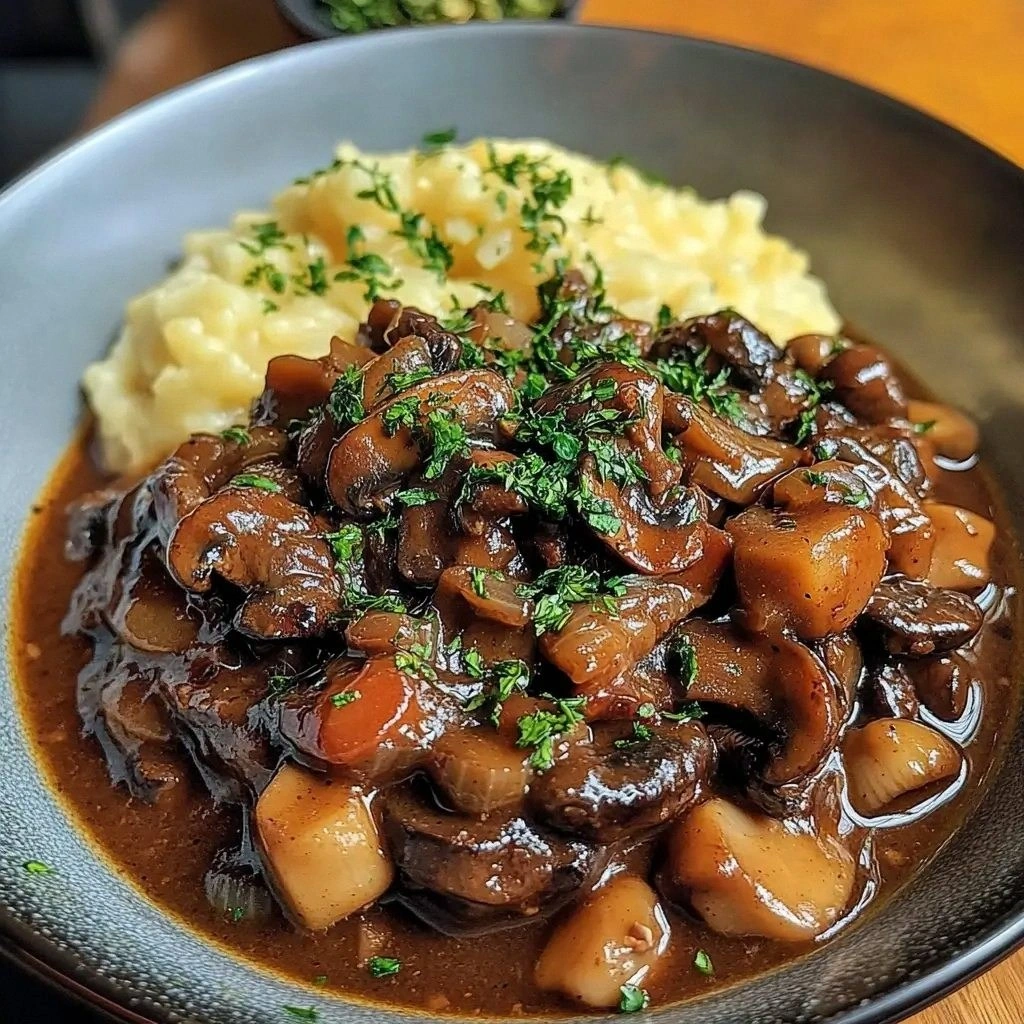
Picture this: a pot simmering with the earthy aroma of mushrooms, the subtle sweetness of caramelized onions, and the deep, velvety undertone of red wine, all mingling into a sauce that coats the vegetables like a silk blanket. The sound of the broth bubbling is a metronome that keeps the rhythm of the cooking process, while the gentle hiss of the onions caramelizing signals that everything is on track. The texture of the mushrooms is a game of contrast—soft, juicy centers surrounded by slightly crisp edges that crackle like thin ice when you bite into them. And the taste? Think of a rustic, forest floor stew that invites you to savor each bite as if you were a wanderer in a misty woodland, but with the comfort of a home kitchen.
I’ve tried countless versions of mushroom bourguignon, from quick stovetop recipes to slow‑cooked, oven‑braised classics, and each one fell short in some way—either too watery, lacking depth, or simply missing that “wow” factor. This version, however, is a game‑changer. It balances the umami punch of mushrooms with the acidity of wine, the sweetness of caramelized vegetables, and a touch of savory richness from a vegan butter infusion. The result is a dish that is hands down the best version you'll ever make at home, and I dare you to taste it and not go back for seconds. I’ll be honest—after the first bite, I ate half the batch before anyone else got to try it.
Most recipes get this completely wrong. They either under‑season or over‑cook the mushrooms, leading to a flat, unremarkable dish. The secret here is the layered flavor building, the precise timing of each addition, and the clever use of a few pantry staples that elevate everything. Picture yourself pulling this out of the pot, the whole kitchen smelling incredible, and knowing that the sauce will cling to every morsel like velvet. If you've ever struggled with this, you're not alone—my first attempt nearly turned the dish into a soup, but the adjustments I made were pure magic. Stay with me here—this is worth it.
Let me walk you through every single step—by the end, you'll wonder how you ever made it any other way. We’ll start with the flavor base, move on to the texture crew, sprinkle in the unexpected star, and finish with a flourish that turns simple ingredients into a culinary triumph. Every detail matters, and I’ll be right beside you, shouting reminders and sharing quick hacks that keep the process smooth. Ready? Let’s dive into the heart of this vegan masterpiece.
What Makes This Version Stand Out
- Depth of Flavor: The combination of red wine, tomato paste, and aromatic herbs creates a sauce that feels both earthy and complex, far beyond the usual mushroom stew. Each sip of broth is a revelation, layering notes of forest floor and subtle sweetness.
- Texture Play: The mushrooms are seared to develop a caramelized exterior while remaining tender inside, and the carrots and celery add a satisfying crunch that contrasts the silky sauce. The result is a dish that feels both hearty and refined.
- Ingredient Quality: Fresh, organic mushrooms and hand‑picked vegetables are the backbone of this recipe. I’ve learned that the better the ingredients, the less you need to compensate with seasoning.
- Make‑Ahead Friendly: This bourguignon tastes even better the next day as the flavors marry, making it perfect for meal prep or entertaining. A few extra minutes of simmering will transform it into a restaurant‑level dish.
- Vegan Elegance: By substituting a plant‑based butter and using a robust vegetable stock, the dish retains all the richness of a traditional bourguignon while staying completely cruelty‑free.
- Crowd‑Pleaser: Whether you’re hosting a dinner party or feeding a family, guests are sure to be impressed. The dish’s aroma alone will draw people in, and the taste will keep them coming back.
Alright, let's break down exactly what goes into this masterpiece…
Inside the Ingredient List
The Flavor Base
Olive oil is the first to join the pot, warming up to a gentle glow that signals the start of a flavor journey. It forms the foundation for the caramelization of onions, carrots, and celery, turning them into sweet, golden‑brown treasures. If you skip the oil, the vegetables will stick and lose that essential depth, resulting in a flat, watery sauce.
Onions, diced finely, release their natural sugars as they cook, creating a sweet base that balances the earthy mushrooms. I always keep the onions translucent, not browned, to preserve their subtle sweetness. Skipping onions would leave the dish lacking that comforting, umami backbone.
Carrots and celery, chopped into bite‑sized pieces, add crunch and a hint of sweetness that pairs beautifully with the wine. These vegetables are crucial for a balanced flavor profile; omitting them would make the dish feel one‑dimensional.
The Texture Crew
Fresh mushrooms—preferably a mix of cremini, shiitake, and portobello—are the star of the show. Their meaty texture and robust flavor mimic the traditional beef in bourguignon, but without the animal product. If you use only one type, you miss the layered complexity that comes from combining textures.
Vegan butter, softened, is added at the end to give the sauce a silky, glossy finish that feels indulgent. This butter also helps emulsify the sauce, ensuring it coats every morsel evenly. Skipping it would leave the sauce thin and less luxurious.
The Unexpected Star
Red wine, a full‑bodied dry variety, is the secret weapon that brings depth and a hint of acidity. It reduces to a rich, syrupy glaze that envelopes the vegetables, creating a sauce that’s both robust and refined. If you’re hesitant about wine, try a splash of balsamic vinegar, but the flavor profile will change noticeably.
Tomato paste, a teaspoon at a time, adds umami and a subtle sweetness that balances the acidity of the wine. It also thickens the sauce, giving it a velvety consistency. Without it, the stew would be too liquid and less cohesive.
The Final Flourish
Thyme and bay leaf are the aromatic herbs that elevate the dish’s fragrance. Fresh thyme gives a bright, herbal note, while the bay leaf adds a subtle earthiness. If you use dried herbs, adjust the quantity to avoid overpowering the dish.
Salt and pepper are the finishing touches that bring all flavors together. I always taste at the end to ensure the seasoning is balanced, as the reduction process concentrates flavors. Skipping these would leave the dish bland and unremarkable.
Everything's prepped? Good. Let's get into the real action...
The Method — Step by Step
- Heat the olive oil in a large, heavy‑bottomed pot over medium heat until it shimmers. Add the diced onions, carrots, and celery, stirring frequently. They should soften and develop a translucent glow within 5 minutes. This is the moment of truth where the base of flavor begins to bloom. Keep the heat steady to avoid burning the vegetables.
- Once the vegetables are ready, stir in the sliced mushrooms. Let them sear for about 7 minutes, turning them occasionally. The mushrooms will release moisture and then begin to brown, creating a caramelized crust. The aroma will start to fill the kitchen, and that’s when you know you’re on the right track. Watch the edges for a light golden hue.
- Add the tomato paste, stirring it into the mixture until it darkens slightly and coats the veggies. This step deepens the sauce’s color and adds a concentrated umami note. Allow the paste to cook for 2 minutes to burn off the raw taste. The mixture should smell like toasted bread and garlic combined. This small burn is essential for depth.
- Pour in the red wine, scraping the bottom of the pot to lift any browned bits. The wine should reduce by half within 10 minutes, concentrating its flavor. This reduction creates a syrupy glaze that clings to the vegetables. The pot’s temperature should drop slightly, allowing a gentle simmer. Keep an eye on the liquid level; it should not evaporate completely.
- Add the vegetable broth, thyme, and bay leaf. Bring the mixture to a low simmer, then reduce the heat to low. Cover the pot loosely and let it simmer for 20 minutes, allowing the flavors to marry. The sauce should thicken and develop a glossy sheen. The bay leaf will impart a subtle earthiness that balances the wine’s acidity.
- Stir in the softened vegan butter, one tablespoon at a time, whisking until fully incorporated. The butter will give the sauce a silky texture and a subtle richness that mimics the traditional bourguignon’s velvety finish. Once added, let the pot rest for a minute to allow the butter to meld. The sauce should feel smooth to the touch and coat the back of a spoon.
- Season with salt and pepper to taste, adjusting as the sauce thickens. Taste for balance—if the acidity is too sharp, add a pinch of sugar or a splash of maple syrup. The final seasoning should feel like a well‑balanced orchestra, each instrument heard but not overpowering. Remember to remove the bay leaf before serving.
- Serve the bourguignon hot, garnished with fresh herbs if desired, over a bed of mashed potatoes, polenta, or crusty bread. The sauce should coat everything like a velvet blanket, delivering a mouthful of umami and comfort. The dish is best enjoyed immediately, but it also reheats beautifully for leftovers.
That's it — you did it. But hold on, I've got a few more tricks that'll take this to another level…
Insider Tricks for Flawless Results
The Temperature Rule Nobody Follows
Maintaining a low, steady simmer is key to preventing the sauce from drying out. I’ve learned that a quick boil can evaporate the liquid too fast, leaving a sticky, caramelized mess. Keep the heat on low after the wine reduction, and the sauce will gently thicken without losing its silky texture.
Why Your Nose Knows Best
The aroma of the dish is a reliable indicator of doneness. When the broth smells like toasted bread and garlic, it means the tomato paste has cooked enough to deepen the flavor. A sweet, wine‑rich scent signals that the reduction is perfect. Trust your nose to guide you through each phase.
The 5‑Minute Rest That Changes Everything
Letting the pot rest off the heat for five minutes before serving allows the flavors to settle and the sauce to thicken slightly. This small pause transforms the dish from a simmering pot to a plated masterpiece. The sauce will cling to the vegetables, delivering a richer taste.
Use a Dutch Oven for Even Heat
A heavy‑bottomed Dutch oven distributes heat evenly, preventing hot spots that can burn the bottom of the pot. This is especially important when simmering for long periods. If you don’t have one, a thick‑bottomed saucepan will suffice, but watch the edges closely.
Freeze for Later
This dish freezes beautifully. Pack it in airtight containers, and it will keep for up to three months. When reheating, add a splash of vegetable broth to loosen the sauce, and it will taste as fresh as day one.
Season in Layers
Adding salt and pepper in stages—first when sautéing the vegetables, then after the wine reduction, and finally at the end—ensures a balanced flavor. Too much salt early on can draw out moisture, while too little later leaves the dish flat. Layering seasonings is a subtle art that makes a huge difference.
Creative Twists and Variations
This recipe is a playground. Here are some of my favorite ways to switch things up:
Smoky Chipotle Version
Swap the red wine for a smoky chipotle‑infused sauce and add a pinch of smoked paprika. The result is a deep, earthy flavor with a subtle heat that pairs perfectly with the mushrooms.
Herb‑Infused Polenta
Serve the bourguignon over creamy polenta infused with fresh rosemary and thyme. The herbaceous polenta complements the sauce’s richness, creating a harmonious plate.
Cauliflower Rice Base
Replace traditional rice or potatoes with cauliflower rice for a low‑carb option. The cauliflower’s mild flavor absorbs the sauce, making each bite succulent.
Sun‑Dried Tomato Boost
Add chopped sun‑dried tomatoes in the final 5 minutes of cooking. The tomatoes bring a sweet, tangy burst that contrasts the earthy mushrooms.
Truffle Oil Finish
A drizzle of truffle oil just before serving adds an indulgent aroma and depth. The truffle’s earthy scent elevates the dish to a gourmet experience.
Roasted Garlic Twist
Roast a whole head of garlic before adding it to the pot. The caramelized garlic will give the sauce a mellow sweetness that balances the wine’s acidity.
Storing and Bringing It Back to Life
Fridge Storage
Store leftovers in an airtight container for up to 4 days. The sauce will thicken slightly in the fridge, so add a splash of vegetable broth before reheating to restore its silky texture.
Freezer Friendly
Freeze the dish in single‑serving portions for up to 3 months. Thaw overnight in the refrigerator, then reheat gently on the stove, adding a little broth to loosen the sauce.
Best Reheating Method
Reheat on low heat, stirring occasionally, until the sauce is heated through. A splash of water or broth helps maintain moisture and prevents the sauce from drying out.