I still remember the first time I tasted a proper Asian pickled cucumber. It was a sweltering July afternoon, and my friend Mei had dragged me to her grandmother's apartment above the dim sum restaurant on Grant Avenue. The air was thick with the scent of star anise and dried shrimp, and I was sweating through my shirt like I'd just run a marathon. Her grandmother emerged from the kitchen carrying a plate of the most unassuming vegetables I'd ever seen — just some sliced cucumbers in a shallow pool of amber liquid. But when I bit into that first crisp, tangy slice, everything changed. The explosion of flavors hit me like a freight train — bright, sharp, and alive with possibilities. That sizzle of rice vinegar dancing with the gentle heat of chili oil? Absolute perfection. I ate half the plate before realizing I was being terribly rude, and I've been chasing that perfect balance ever since.
Fast forward through three failed attempts, countless jars of watery disappointments, and one particularly embarrassing incident involving rock salt and a garbage disposal, and I finally cracked the code. Most recipes get this completely wrong. They treat these pickles like some sad afterthought — just vinegar, water, and cucumbers tossed together like some depressing salad. But here's what actually works: you need to coax the cucumbers into releasing their excess water before they ever see a drop of brine, toast your aromatics until they're singing, and balance your acids with the precision of a chemist. Picture yourself pulling this out of the refrigerator, the whole kitchen filling with that intoxicating blend of garlic, ginger, and fermented magic. If you've ever struggled with limp, lifeless pickles, you're not alone — and I've got the fix.
This version right here? This is hands down the best version you'll ever make at home. I dare you to taste this and not go back for seconds. The cucumbers stay impossibly crisp, the brine develops layers of flavor that would make a sommelier weep, and that perfect balance of sweet, sour, and spicy will haunt your dreams in the best possible way. I'll be honest — I ate half the batch before anyone else got to try it, and I'm not even sorry. The secret lies in salting the cucumbers first, which draws out excess moisture and creates this incredible texture that shatters like thin ice when you bite into it. Okay, ready for the game-changer?
Let me walk you through every single step — by the end, you'll wonder how you ever made it any other way. We're talking about pickles that will elevate your rice bowls from sad desk lunch to something you actually crave, pickles that will make your friends beg for the recipe, pickles that will have you sneaking to the refrigerator at midnight for just one more slice. And the best part? Once you master this technique, you can apply it to everything from radishes to green beans. Stay with me here — this is worth it.
What Makes This Version Stand Out
Before we dive into the ingredients, let me tell you why this recipe will ruin all other pickles for you forever. These aren't just any pickled cucumbers — they're the kind of magical condiment that transforms everything it touches into something extraordinary.
- Texture Revolution: Most recipes leave you with sad, floppy pickles that taste like disappointment. This version gives you cucumbers that snap with the crispness of autumn leaves underfoot. The secret? A pre-salting technique that extracts excess moisture while concentrating flavor.
- Flavor Depth: We're building layers here, people. Toasted Sichuan peppercorns, smashed garlic cloves, and ginger that's been kissed by hot oil before meeting the brine. Each bite delivers a symphony of bright, numbing, and umami notes.
- Speed Demon: Traditional Asian pickles can take weeks to develop their full potential. This version? You're looking at two hours from start to pickle perfection. Perfect for those of us with the patience of a caffeinated squirrel.
- Adaptable Magic: Once you master the base technique, you can play with different vinegars, add aromatics like star anise or cinnamon, or adjust the heat level from gentle warmth to face-melting inferno.
- Gateway Condiment: These pickles don't just sit on the side of your plate looking pretty. They wake up noodle bowls, make rice taste like it came from a restaurant, and transform leftover chicken into something you'd actually pay money for.
- Crowd Control: Bring these to a potluck and watch what happens. People who normally treat pickles like garnish will suddenly become obsessed. I've seen grown adults fight over the last slice.
- Fridge Staple: These beauties will keep for up to two weeks, getting better and more complex each day. They're like the Benjamin Button of pickles — aging in reverse, becoming more vibrant over time.
Alright, let's break down exactly what goes into this masterpiece...
Inside the Ingredient List
Every ingredient here is a character in our flavor drama, and each one brings something essential to the party. Skip even one, and you'll end up with a pale imitation of what could have been. Trust me, I've made every substitution mistake possible, and they all lead to the same place: Sad Pickle Town.
The Crunch Foundation
The cucumber selection here is absolutely critical — we're not talking about those watery, seed-filled monsters from the supermarket. You want Persian or English cucumbers, the kind with thin skins and minimal seeds. These varieties have this incredible ability to stay crisp even after bathing in vinegar for days. Look for cucumbers that feel heavy for their size and have a deep green color without any yellow spots. If you can only find regular cucumbers, you'll need to peel them and scoop out the seeds, which is about as fun as it sounds. And here's the thing — size matters. We're cutting these into batons that are substantial enough to maintain their crunch, but not so thick that they resist the pickling process.
The Aromatic Powerhouses
Garlic is doing the heavy lifting here, but not in the way you think. We're smashing whole cloves to release their oils while keeping the pieces large enough to avoid overwhelming the brine. The ginger needs to be fresh — none of that powdered stuff that tastes like disappointment. We're talking about ginger that's been peeled and sliced into coins, exposing its fibrous interior to the hot oil. The Sichuan peppercorns are the real game-changer though. When toasted properly, they release this citrusy, numbing quality that makes your tongue tingle in the most delightful way. Don't even think about substituting regular black peppercorns — it's like replacing a Ferrari with a bicycle.
The Acid Architects
We're using a blend of rice vinegar and black vinegar here, and this is where most people mess up. Rice vinegar provides that clean, bright acidity that makes your mouth water, while the black vinegar adds depth and complexity with its molasses-like richness. The ratio is crucial — too much black vinegar and your pickles taste like you're licking a battery. Too little and they fall flat. And please, for the love of all that is holy, use good quality vinegar. That generic stuff that's been sitting in your pantry since the Obama administration? Leave it for cleaning your coffee maker.
The Sweet and Salty Balancers
Sugar and salt are doing more than just seasoning here — they're actually changing the chemistry of the pickling process. The sugar helps balance the acidity while encouraging the cucumbers to release their juices. We're using a mix of white and brown sugar for complexity. The salt needs to be pure — no iodized table salt that can turn your brine cloudy. Kosher salt is your friend here, and you want to measure it precisely because too much will halt the fermentation process faster than a traffic light. The soy sauce adds umami depth, but go easy — we're looking for complexity, not a salt lick.
Everything's prepped? Good. Let's get into the real action...
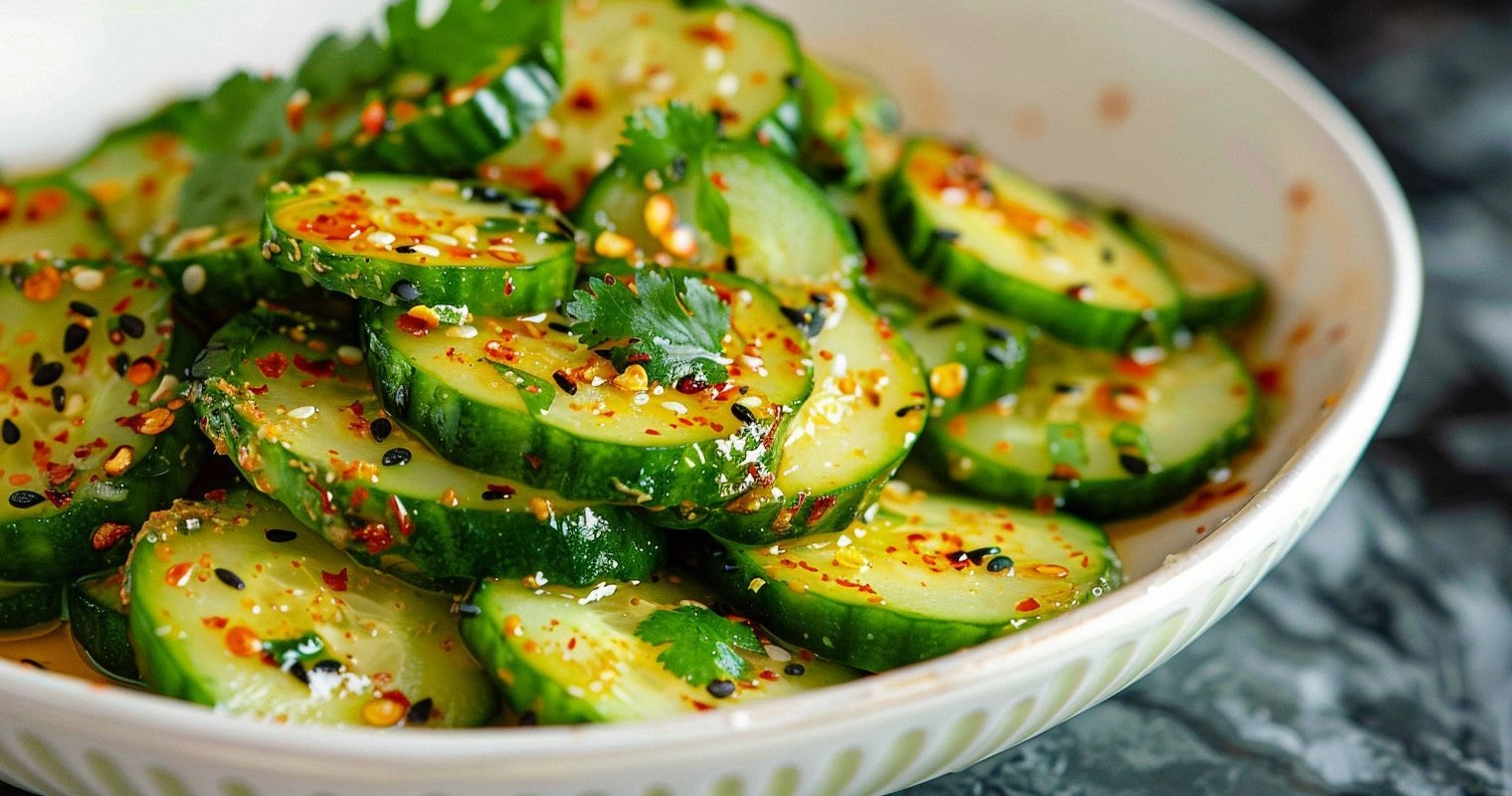
The Method — Step by Step
- Start by slicing your cucumbers into 1/2-inch thick batons, cutting them on the diagonal to create more surface area for the brine to penetrate. Toss them immediately with the salt in a large colander set over a bowl. This is the moment of truth — the salt will start drawing out water immediately, and you want to give it about 30 minutes to work its magic. You'll be amazed at how much liquid these cucumbers release. That sizzle when the salt first hits the cucumber surfaces? That's the sound of excess moisture giving up its hold on crispness.
- While the cucumbers are sweating it out, toast your Sichuan peppercorns in a dry pan over medium heat. Don't walk away from the stove here — these little guys go from fragrant to acrid faster than you can say "mouth-numbing." You want them just until they start to smoke and release their citrusy aroma. Immediately transfer them to a mortar and coarsely grind them. The smell should transport you to a Chinese apothecary, all citrus and pine with an underlying warmth that makes your nose tingle.
- Heat a wok or large pan until it's smoking hot, then add your oil. Swirl to coat the surface evenly. When the oil shimmers like a mirage on asphalt, add your smashed garlic cloves and ginger coins. They should sizzle immediately, releasing their aromatic oils into the oil. Stir-fry for just 30 seconds — you want them fragrant but not browned. This oil is now liquid gold, infused with all the aromatics that will season your pickles.
- Combine your vinegars, sugar, and soy sauce in a small saucepan, bringing them to a gentle simmer. Stir until the sugar dissolves completely, then add your toasted peppercorns. Let this mixture cool to room temperature — hot brine will cook your cucumbers and turn them into mush. The smell should be intoxicating, a perfect balance of sharp acidity and warming spices that makes your mouth water uncontrollably.
- Rinse your salted cucumbers under cold water to remove excess salt, then squeeze them gently to remove as much water as possible. They should feel firm and crisp, like they've been to the gym and lost their water weight. Place them in a clean glass jar, packing them in tightly but not crushing them. Pour your cooled brine over the cucumbers, making sure they're completely submerged. Add your aromatics from the oil, including the garlic and ginger.
- Now comes the hardest part — waiting. Cover your jar and let it sit at room temperature for 2 hours. This is where the magic happens. The cucumbers will start to ferment slightly, developing complex flavors that you can't achieve any other way. After 2 hours, taste one. It should be bright and tangy, with a pleasant crunch that gives way to a burst of flavor. If it's not quite there yet, give it another hour.
- Once you're happy with the flavor, transfer the jar to the refrigerator. The cold will slow down the fermentation process and allow the flavors to meld and deepen. These pickles will keep getting better for up to two weeks, though they've never lasted more than a week in my house. The brine will turn a beautiful amber color, and the cucumbers will develop this translucent quality that lets you know they're ready.
- When you're ready to serve, fish out the cucumbers with clean chopsticks or a fork. The brine should be slightly thick and glossy, coating each piece with a perfect balance of sweet, sour, and spicy. And now the fun part — slice them up and watch how they disappear. A friend tried skipping the fermentation step once — let's just say it didn't end well.
That's it — you did it. But hold on, I've got a few more tricks that'll take this to another level...
Insider Tricks for Flawless Results
The Temperature Rule Nobody Follows
Here's the thing that separates the pickle masters from the dabblers — temperature control is everything. Your brine needs to be completely cool before it touches the cucumbers, but not cold. Room temperature is your sweet spot. Too hot and you'll cook the cucumbers, turning them into sad, limp shadows of their former selves. Too cold and the pickling process slows to a crawl, leaving you with cucumbers that taste like they were dipped in vinegar rather than transformed by it. I keep a kitchen thermometer handy and aim for 68-72°F. This is the difference between pickles that taste like they came from a restaurant and ones that taste like they came from a science experiment gone wrong.
Why Your Nose Knows Best
Your sense of smell is your most powerful tool here, and most people completely ignore it. When your aromatics are properly toasted, they'll release a complex bouquet that's citrusy, woody, and slightly numbing all at once. If they smell harsh or acrid, you've gone too far and need to start over. When your brine is perfectly balanced, it should make your mouth water immediately — not pucker in protest. Trust your instincts. If something smells off, it probably is. I've developed this weird party trick where I can tell if pickles are ready just by the way they smell. My friends think I'm showing off, but really, I've just learned to trust the most sophisticated chemical analysis tool I own — my nose.
The 5-Minute Rest That Changes Everything
After you pack your cucumbers into the jar but before you add the brine, let them sit for exactly five minutes. This brief rest allows the cucumbers to come to room temperature and the salt to distribute evenly. It's like letting a steak rest after cooking — those five minutes make the difference between good and transcendent. During this time, I usually clean up my workspace and get my storage container ready. When you finally pour the brine over the cucumbers, they'll accept it enthusiastically rather than resisting like a toddler faced with vegetables.
The Container Conundrum
Size matters when it comes to your storage container. You want the cucumbers packed fairly tightly so they stay submerged in the brine, but not so tightly that they're crushed. I use wide-mouth mason jars because they're easy to clean and the wide opening makes it simple to pack the cucumbers without turning them into pickle juice. The jar should be filled to within an inch of the top — too much empty space and your pickles might develop off-flavors from exposure to air. And always, always use a clean container. Any residual bacteria will multiply faster than you can say "food poisoning," and trust me, you don't want to learn this lesson the hard way.
Creative Twists and Variations
This recipe is a playground. Here are some of my favorite ways to switch things up:
The Fire Eater's Dream
Add three whole Thai chilies and a tablespoon of chili crisp to the brine for pickles that pack serious heat. The fermentation process amplifies the spice, creating this slow-building burn that sneaks up on you. These are incredible chopped up and mixed into tuna salad, or served alongside cold soba noodles for a refreshing heat that builds with each bite.
The Sweet and Sour Symphony
Replace half the white sugar with honey and add a stick of cinnamon to the simmering brine. The honey adds floral notes that play beautifully with the warming spice, while the cinnamon gives it this subtle warmth that makes these perfect for autumn. They're incredible with roasted pork or stirred into braised cabbage.
The Herb Garden Special
Add a handful of fresh dill and a teaspoon of coriander seeds to your aromatics. The dill provides this bright, grassy note that makes these pickles taste like summer in a jar. They're perfect for potato salads or just eating straight from the jar while standing in front of the refrigerator at midnight.
The Umami Bomb
Add a tablespoon of fish sauce and a piece of kombu to your brine. The fish sauce adds incredible depth without making the pickles taste fishy, while the kombu contributes natural glutamates that enhance everything they touch. These are killer with grilled meats or stirred into fried rice.
The Rainbow Connection
Use a mix of cucumber varieties — English, Persian, and even some watermelon radishes for color. The different textures and subtle flavor variations create this incredible eating experience. Plus, they look absolutely stunning in the jar, like a vegetable stained glass window.
The Breakfast Champion
Add a teaspoon of grated fresh turmeric and a pinch of black pepper to your brine. The turmeric gives these pickles this gorgeous golden color and adds anti-inflammatory properties that make you feel virtuous about eating them for breakfast with your eggs. They turn ordinary scrambled eggs into something that tastes like it came from a trendy brunch spot.
Storing and Bringing It Back to Life
Fridge Storage
Store your pickles in the refrigerator in a clean, airtight container. The cold temperature slows down fermentation to a crawl, which means your pickles will keep developing flavor without turning into a science experiment. Glass jars are ideal because they don't absorb flavors or odors, and you can see exactly what's happening inside. Keep them towards the front of your fridge where the temperature is most consistent — the back tends to be colder, which can slow down flavor development too much. These will keep for up to two weeks, though they're at their absolute peak during days 3-7 when the flavors have melded but the cucumbers still have their signature crunch.
Freezer Friendly
Here's something that surprises most people — you can actually freeze these pickles! The texture will change slightly, becoming a bit softer, but the flavor remains incredible. Freeze them in small portions so you can thaw just what you need. They're perfect for adding to cooked dishes where they'll be heated anyway, like fried rice or noodle soups. Thaw them in the refrigerator overnight, and add a tiny splash of vinegar to brighten them back up. The frozen pickles are particularly good in hot and sour soup, where their softer texture actually works to your advantage.
Best Reheating Method
These pickles are meant to be served cold, but sometimes you want to incorporate them into hot dishes. The key is to add them at the very end of cooking, just long enough to warm through without actually cooking them. Toss them into fried rice during the last 30 seconds, or scatter them over hot noodles right before serving. If you must reheat them, do it gently — a quick 10-second zap in the microwave is plenty. Any longer and you'll lose that signature crunch that makes these pickles so addictive. And here's a pro tip: if they've been sitting in the fridge for a while and seem a bit limp, a quick ice water bath will perk them right back up.