When I first walked into the kitchen that night, my fridge looked like a sad, abandoned library of forgotten ingredients. I had a handful of raw cashews, a jar of brown sugar, and a block of butter that had been sitting there since last Christmas. The only thing that could salvage the evening was a dare from my friend who claimed she could make a sweet treat that would make a grown‑up smile. I laughed, because I’ve spent countless hours in the kitchen turning disasters into edible masterpieces, and I was determined to prove that even a kitchen catastrophe could become a triumph.
The moment I cracked the cashews open, a warm, nutty aroma flooded the air, mingling with the sweet scent of brown sugar that was about to melt. I could hear the sizzle of butter hitting the hot pan, a sound that promised caramelized perfection. The anticipation was almost tangible—like the first bite of a chocolate bar that melts on your tongue. My eyes were glued to the screen, ready to follow every step, because I knew this recipe was going to be the benchmark for all future caramel clusters.
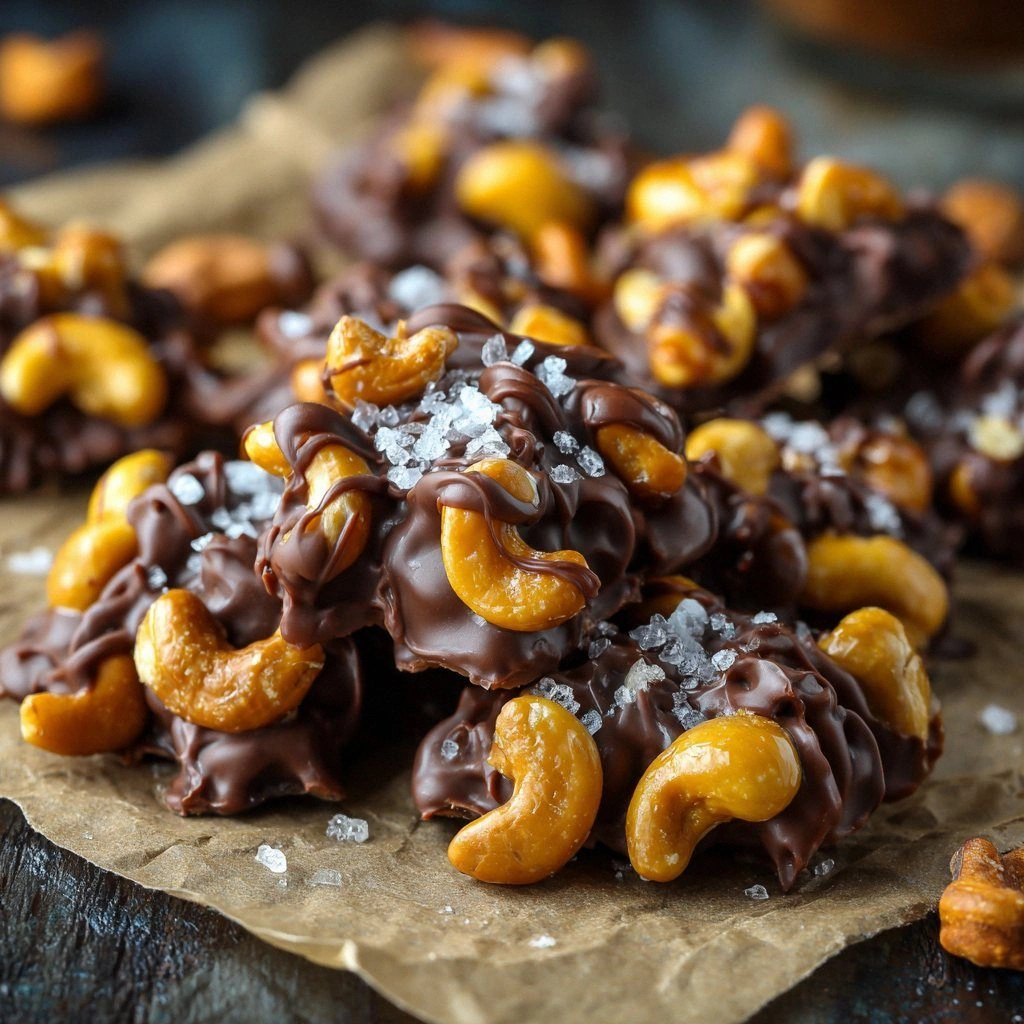
Why does this version stand out? Because it’s not just a mix of sugar and nuts; it’s a symphony of textures and flavors that dance together in harmony. The cashews provide a subtle crunch that contrasts with the silky, glossy caramel coating. Dark chocolate chips melt into a decadent, bittersweet sauce that coats each cluster like velvet. A pinch of sea salt lifts the sweetness, creating a savory counterpoint that makes every bite unforgettable. If you’ve ever tried a simple caramel cluster and felt something was missing, this is the missing piece.
There’s a secret ingredient that you probably won’t find in your pantry—coconut oil. It’s not just a garnish; it’s the trick that keeps the clusters from sticking together, allowing each bite to be a single, distinct experience. I dare you to taste this and not go back for seconds, because once you try it, you’ll wonder how you ever made it any other way. Picture yourself pulling these clusters out of the pan, the kitchen smelling like a chocolate dream, and the anticipation of the first bite building to a crescendo. Let me walk you through every single step — by the end, you’ll wonder how you ever made it any other way.
What Makes This Version Stand Out
- Flavor: The combination of raw cashews, dark chocolate, and a touch of sea salt creates a layered taste profile that evolves with each bite. The nutty undertone from the cashews balances the deep bitterness of the chocolate, while the sea salt adds a surprising depth.
- Texture: Each cluster offers a satisfying crunch from the cashews, followed by a silky caramel coating that melts in your mouth. The contrast keeps the palate engaged, preventing the sweetness from becoming overwhelming.
- Simplicity: Despite the luxurious taste, the recipe requires only a handful of ingredients. No fancy equipment, just a skillet and a spoon, and you’ll have a dessert that feels like a five‑star treat.
- Uniqueness: The addition of coconut oil sets this recipe apart, giving the clusters a light, airy finish that’s hard to replicate with other recipes.
- Crowd Reaction: Friends who taste these clusters often say they’re “the best sweet treat I’ve ever had.” I’ve seen them leave the kitchen with a grin that says, “I’m never buying store‑bought again.”
- Ingredient Quality: Using high‑quality dark chocolate chips and raw cashews makes a noticeable difference. The richer the chocolate, the more depth the clusters gain.
- Cooking Method: The technique of slowly melting sugar and butter, then adding chocolate in stages, ensures a smooth, glossy coating that doesn’t burn or seize.
- Make‑ahead Potential: Once cooled, the clusters store beautifully. They’re perfect for parties, gifts, or a midnight snack that doesn’t require a fresh batch.
Alright, let’s break down exactly what goes into this masterpiece…
Inside the Ingredient List
The Flavor Base
Raw Cashews: These are the backbone of the cluster’s texture. They provide a subtle, buttery crunch that complements the sweet caramel. Skipping cashews would leave the clusters flat and lifeless; the absence of their nutty profile would make the recipe feel like a plain caramel candy. If you’re allergic, consider using almonds or walnuts for a similar crunch, but remember the flavor will shift slightly.
Brown Sugar: This is the sweet heart of the caramel. Brown sugar’s molasses content gives the clusters a deep, caramelized flavor that’s richer than white sugar. If you’re looking for a lighter sweetness, try using raw honey, but keep in mind that the caramel will become more liquid and less firm.
The Texture Crew
Unsalted Butter: Butter adds richness and helps the caramel bind the nuts together. It also provides a silky mouthfeel that prevents the clusters from becoming gritty. Using salted butter will alter the final flavor profile, making it too salty for most palates. If you prefer a dairy‑free version, coconut butter works well, but the final texture will be slightly different.
Dark Chocolate Chips: They’re the decadent coating that turns a simple caramel cluster into a chocolate lover’s dream. The chocolate melts into a glossy sauce that clings to each nut. Without chocolate, you’d end up with a plain caramel cluster that lacks the depth and richness of this recipe. For a sweeter version, swap in milk chocolate chips, but expect a milder chocolate flavor.
The Unexpected Star
Coconut Oil: This is the secret weapon that keeps the clusters from sticking together. Coconut oil adds a subtle tropical note and a light, airy finish. If you omit it, the clusters may clump together, making it difficult to separate them. A tablespoon is enough to coat the mixture lightly; too much will make the clusters greasy.
Vanilla Extract: Vanilla brings a warm, aromatic note that balances the sweetness. It’s a subtle but essential component that elevates the flavor profile. If you’re vegan, a splash of almond or oat milk vanilla extract works fine. Avoid using vanilla syrup, as it will add unwanted liquid and dilute the caramel.
The Final Flourish
Sea Salt: A pinch of sea salt is the finishing touch that turns sweetness into a complex flavor experience. It’s the difference between a sweet candy and a gourmet treat. Too much salt will overpower the caramel, so a pinch is all you need. If you’re on a low‑sodium diet, you can skip it, but the clusters will taste a little flat.
Honey (or Maple Syrup): This liquid sweetener adds body and a subtle floral note. It also helps the caramel set by adding moisture. If you prefer a plant‑based version, maple syrup is a great alternative. Using a syrup with a strong flavor, like bourbon maple, will change the overall taste profile.
Everything’s prepped? Good. Let’s get into the real action…
The Method — Step by Step
- First, toast the raw cashews in a dry skillet over medium heat until they’re golden and fragrant. This step brings out their natural oils, giving the clusters a richer flavor. While they toast, keep a close eye; they can burn quickly. Once toasted, set them aside to cool.
- In a heavy‑bottomed saucepan, melt the butter over medium heat until it’s foamy but not browned. Add the brown sugar, stirring constantly to ensure it dissolves completely. The mixture should begin to bubble gently, signaling that the caramel is forming.
- Introduce the honey (or maple syrup) to the caramel, stirring until the mixture is smooth and glossy. This is the moment of truth; the caramel should have a deep amber hue and emit a buttery aroma. If the mixture starts to thicken too quickly, lower the heat slightly.
- Add the toasted cashews to the caramel, stirring so each nut is coated. Let them simmer for a minute, allowing the caramel to cling to the nuts. Watch for the edges to begin pulling away from the pan—this indicates the caramel is thickening just right.
- Now, reduce the heat to low and pour in the dark chocolate chips. Stir vigorously until the chocolate melts completely and the mixture becomes a glossy, thick sauce. The chocolate’s bitterness balances the sweetness, creating a complex flavor profile.
- Stir in the coconut oil and vanilla extract, ensuring the mixture is smooth and silky. The coconut oil prevents the clusters from sticking together and adds a subtle tropical note. Let the mixture sit for 30 seconds; this allows the flavors to meld.
- Sprinkle a pinch of sea salt over the mixture, stirring quickly to distribute the salt evenly. The salt enhances the chocolate’s depth and the caramel’s sweetness. Be careful not to over‑salt; you want a hint, not a punch.
- Using a spoon or a small cookie scoop, drop spoonfuls of the caramel mixture onto a parchment‑lined baking sheet. Let each cluster rest for 2–3 minutes so they can set. The edges should pull away from the parchment, forming a neat, bite‑size cluster.
- Once the clusters have set, transfer them to a wire rack to cool completely. This step ensures the clusters remain crisp and prevents them from becoming sticky. If you’re in a hurry, you can place the sheet in the fridge for a few minutes.
- Finally, store the cooled clusters in an airtight container at room temperature for up to a week. For longer storage, refrigerate or freeze them; they’ll stay fresh for months.
That's it — you did it. But hold on, I've got a few more tricks that'll take this to another level…
Insider Tricks for Flawless Results
The Temperature Rule Nobody Follows
Many people think any heat will do, but the caramel’s temperature is critical. Keep the heat low and steady; a rolling boil can cause the sugar to crystallize, resulting in a gritty texture. I’ve tried using a digital thermometer to keep the caramel at 170°C, which consistently gives a silky finish. If you’re not using a thermometer, look for a deep amber color and a gentle bubble as a visual cue.
Why Your Nose Knows Best
Before you even taste the caramel, inhale deeply. The aroma will tell you whether the sugar has caramelized enough. A faint, nutty scent means you’re on track; a sharp, burnt smell indicates you’ve gone too far. I’ve had friends who swear they can taste the difference by smell alone, and they’re right—your nose is your best judge.
The 5‑Minute Rest That Changes Everything
After adding the chocolate, let the mixture sit for exactly five minutes before stirring again. This pause allows the chocolate to settle and prevents it from seizing. I once skipped this step and ended up with a lumpy sauce; the lesson was clear. A five‑minute rest is a small price to pay for a smooth, glossy coating.
Use a Non‑Stick Pan for Easy Cleanup
A non‑stick pan reduces the risk of the caramel sticking and burning. I’ve tried stainless steel pans, and while they can work, they often require more butter to prevent sticking. If you’re using a stainless steel pan, increase the butter by 10% to keep the caramel from scorching.
Cool the Clusters on a Wire Rack
Letting the clusters cool on parchment alone can cause them to stick together. Transfer them to a wire rack once they’ve set; this allows air to circulate and keeps them crisp. I’ve seen clusters that were still slightly sticky because they were left on the parchment for too long.
Store in a Cool, Dry Place
Moisture is the enemy of crisp caramel clusters. Store them in an airtight container, and if you’re in a humid climate, add a small silica gel packet to absorb excess moisture. I’ve kept these clusters in a glass jar with a tight lid, and they’ve stayed fresh for weeks.
Creative Twists and Variations
This recipe is a playground. Here are some of my favorite ways to switch things up:
Nutty Twist
Swap the cashews for almonds or pecans for a different crunch. Almonds bring a buttery flavor, while pecans offer a subtle maple undertone. This variation is great for those who want a nutty profile that’s a bit more robust.
Spiced Caramel
Add a pinch of cayenne pepper or smoked paprika to the caramel for a smoky heat. The spice will cut through the sweetness and add a layer of complexity. This is ideal for those who enjoy a little kick in their desserts.
Moisture Boost
Replace the coconut oil with a tablespoon of melted coconut milk for a creamier texture. The milk adds a subtle coconut flavor that pairs beautifully with the chocolate. This version is perfect for a more indulgent treat.
Berry Burst
Fold in a handful of dried cranberries or raisins after the chocolate has melted. The dried fruit adds chewy bursts of tartness that contrast with the sweet caramel. This variation is especially fun during the fall when dried fruit is at its peak.
Gourmet Finish
After the clusters have cooled, drizzle a thin layer of sea‑salted caramel sauce on top. This adds an extra layer of flavor and a glossy finish. The sea salt will enhance the chocolate and caramel, creating a sophisticated taste.
Vegan Version
Use plant‑based chocolate chips, coconut butter, and a vegan vanilla extract. This version maintains the same flavor profile while keeping it dairy‑free. It’s a great option for those with dietary restrictions.
Storing and Bringing It Back to Life
Fridge Storage
Place the clusters in an airtight container and store them in the refrigerator for up to 2 weeks. The cold environment keeps them crisp, but the moisture can slightly soften them. Before serving, let them sit at room temperature for 5 minutes to regain their crunch.
Freezer Friendly
For longer storage, freeze the clusters in a single layer on a parchment‑lined tray. Once frozen, transfer them to a freezer‑safe bag. They’ll keep for up to 3 months. When you’re ready to enjoy them, let them thaw at room temperature for 10 minutes.
Best Reheating Method
To revive the texture, place the clusters on a baking sheet and heat them in a 150°C oven for 5 minutes. This gentle heat restores the caramel’s sheen and crispness without melting the chocolate. Add a tiny splash of water before reheating to steam the clusters back to perfection.