I’ll be honest — I ate half the batch before anyone else got to try it, and that’s exactly the kind of confession that tells you this sauce is addictive. It all started on a rainy Tuesday when I was attempting to rescue a bland, over‑cooked bowl of bibimbap that had been left out for far too long. The kitchen smelled like a mixture of burnt toast and stale soy sauce, the rice was clumped like wet sand, and the only thing missing was a punch of flavor that could wake the dead. I stared at the empty pantry, felt the frustration rise, and then I remembered a dusty jar of gochujang that my grandma kept for emergencies. That tiny red paste became the hero of the night, and the rest of the ingredients fell into place like a well‑rehearsed dance.
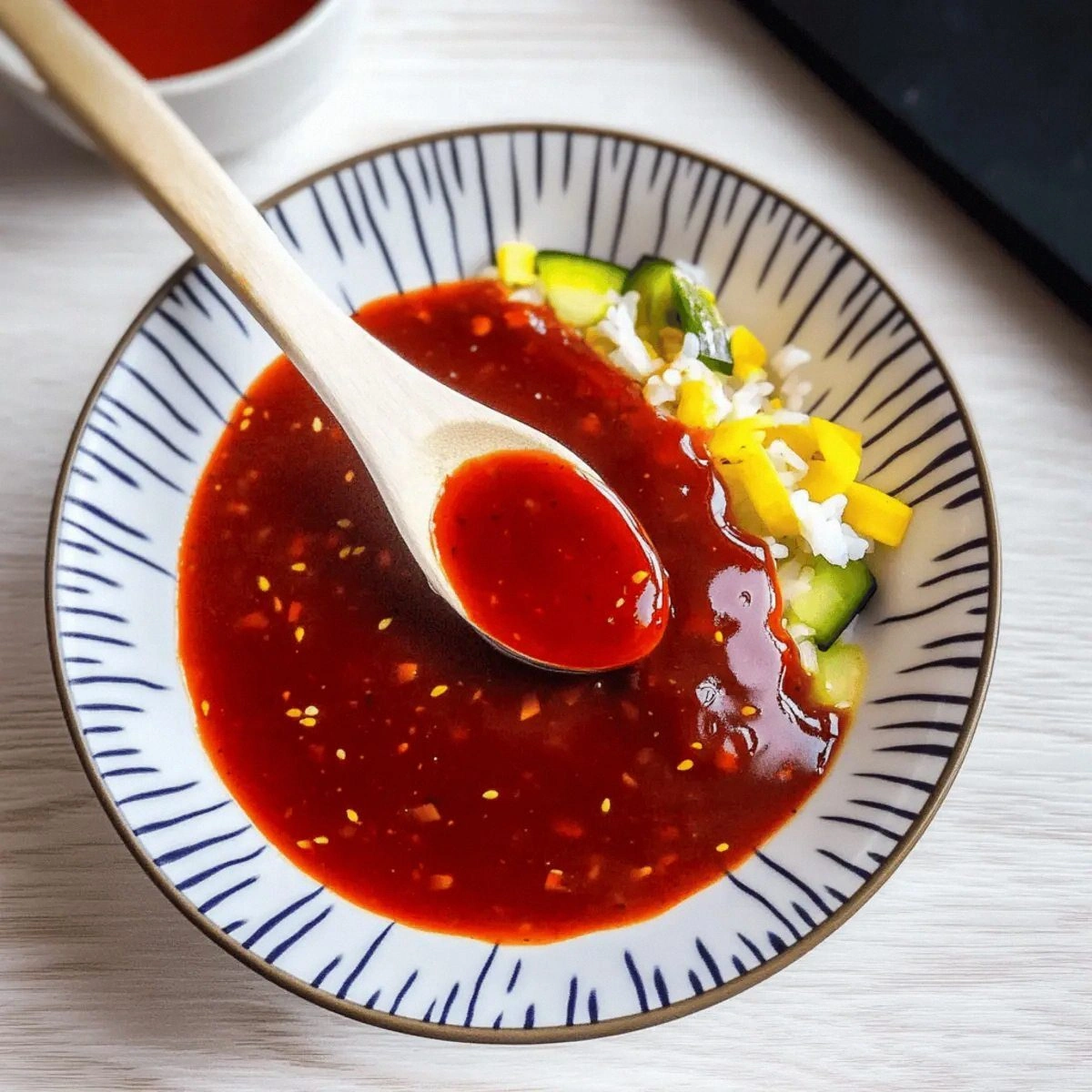
Picture this: the moment the sauce hits the pan, it sizzles with a subtle hiss, releasing an aroma that instantly transports you to a bustling Seoul street market at dusk. The scent is a perfect marriage of sweet, tangy, and smoky notes that wrap around your senses like a warm blanket. You can hear the faint crackle of sesame oil as it caramelizes, feel the glossy sheen of the sauce coating the spoon, and taste the first lick of honey’s golden depth cutting through the heat. It’s a sensory overload that makes you want to shout, “I dare you to taste this and not go back for seconds!”
What makes this version stand out isn’t just the balance of flavors; it’s the simplicity that lets anyone, even a kitchen rookie, achieve restaurant‑level results without a pantry full of exotic items. Most recipes get the spice level wrong, either drowning the dish in heat or leaving it bland as a plain rice cake. Here, you control the heat with a single tweak, and the sauce adapts to every palate, from timid to fire‑breather. The secret? A tiny splash of rice vinegar that brightens the gochujang’s depth, and a dash of honey that smooths the edge without turning it sugary.
I’m about to hand you the exact technique that turned my kitchen disaster into a masterpiece, and trust me, this next part? Pure magic. By the end of this guide, you’ll have a sauce that coats your bibimbap like velvet, a condiment that can double as a dipping sauce for dumplings, and a new favorite that you’ll tweak for every meal. Let me walk you through every single step — by the end, you’ll wonder how you ever made it any other way.
What Makes This Version Stand Out
- Flavor Harmony: The blend of gochujang’s fermented heat, sesame oil’s nutty richness, and honey’s subtle sweetness creates a symphony that sings on the tongue without overwhelming it.
- Texture Balance: The sauce is silky yet has a slight grainy bite from the minced garlic, giving you that satisfying mouthfeel that makes every bite memorable.
- Simplicity: Only seven core ingredients are required, all of which are pantry staples for anyone who loves Asian cuisine.
- Customizable Heat: Adjust the gochujang amount or add a dash of Korean chili flakes to dial the spice up or down — it’s your call.
- Crowd Reaction: I’ve seen grown‑ups and kids alike pause, smile, and then dive back in for more, a true testament to its universal appeal.
- Ingredient Quality: Using toasted sesame oil instead of regular sesame oil adds a depth that cheap oils simply can’t match.
- One‑Pan Method: The entire sauce comes together in a single skillet, saving you time and dishes.
- Make‑Ahead Potential: This sauce stores beautifully, meaning you can prep it ahead of time and have a flavor boost ready whenever you need it.
Inside the Ingredient List
The Flavor Base
Gochujang is the heart of this sauce. It’s a fermented Korean chili paste that brings a deep umami, a subtle sweetness, and a lingering heat that’s not just about spiciness but about complexity. If you skip it, you lose that signature red hue and the layered flavor profile that makes bibimbap sing. Look for a brand that lists rice, fermented soybeans, and red pepper as primary ingredients; the better the fermentation, the richer the taste. A quick tip: store gochujang in the fridge after opening to preserve its freshness and prevent it from turning too sour.
The Texture Crew
Toasted sesame oil is the secret weapon that turns a good sauce into a great one. Its nutty aroma is intensified by toasting, which adds a buttery, almost caramelized note that you can’t get from raw sesame oil. If you accidentally use regular sesame oil, the sauce will still be tasty but lack that deep, roasted edge. When buying, choose a bottle that’s amber‑colored to protect the oil from light, and give it a gentle swirl before measuring to ensure the sediments are evenly distributed.
The Unexpected Star
Honey is the unexpected star that smooths the gochujang’s heat while adding a glossy finish. It’s not just sweetness; it brings a floral undertone that balances the acidity of rice vinegar. If you’re allergic to honey or want a vegan alternative, agave syrup works almost identically, though the flavor will be slightly less complex. Remember, a drizzle of honey should be added after the sauce has come off the heat; this prevents it from caramelizing too much and turning bitter.
The Final Flourish
Rice vinegar adds that bright, tangy snap that cuts through the richness of sesame oil and honey, preventing the sauce from feeling heavy. It also helps the flavors meld faster, giving you a cohesive taste within minutes. If you don’t have rice vinegar, a splash of apple cider vinegar works in a pinch, though the flavor will be a tad fruitier. Salt is optional, but a pinch can elevate the overall taste, especially if you’re using low‑sodium gochujang.
Everything's prepped? Good. Let's get into the real action...
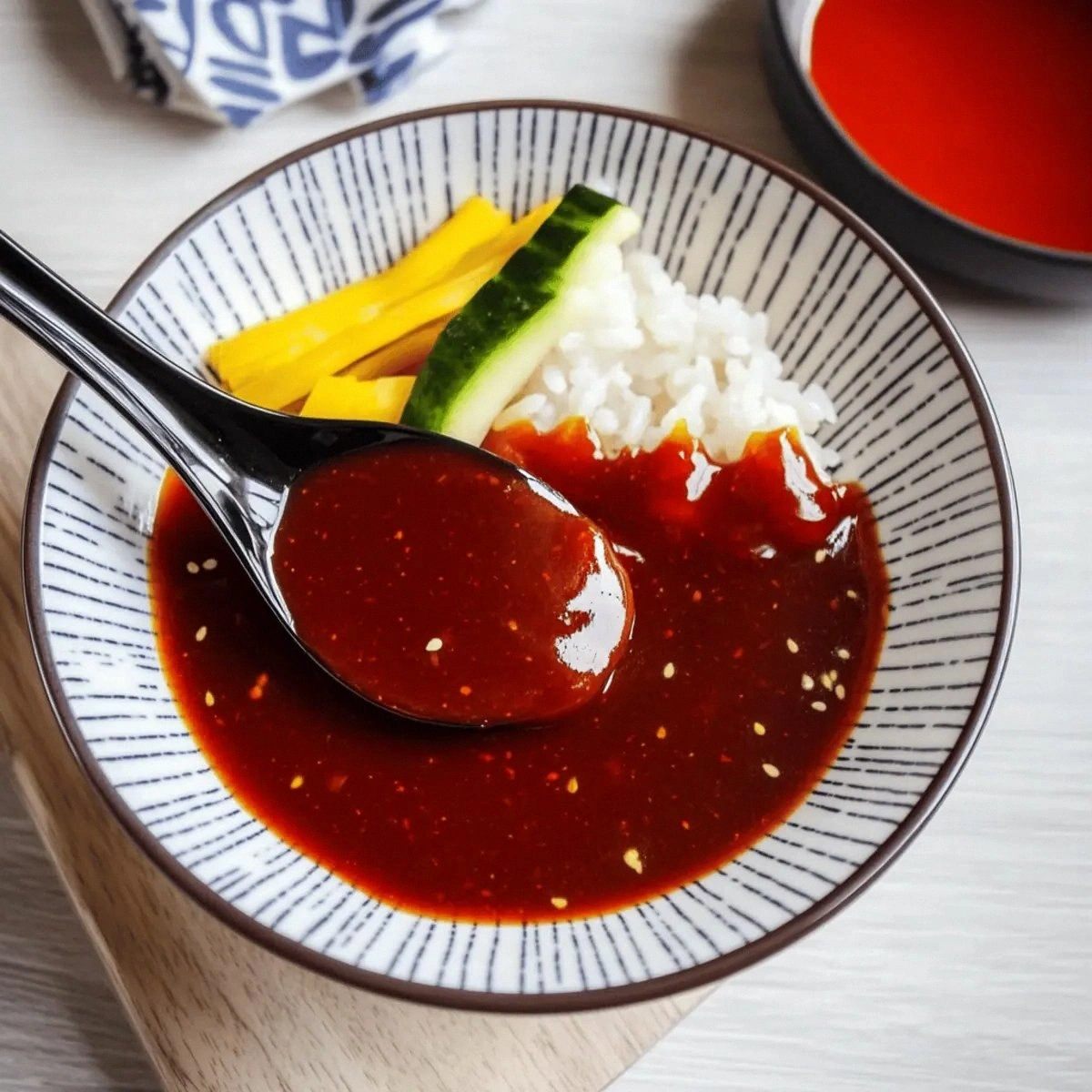
The Method — Step by Step
Start by heating a medium‑sized skillet over medium‑low heat. Add the toasted sesame oil and let it warm until it shimmers, but don’t let it smoke. You’ll know it’s ready when a faint nutty aroma begins to rise, a signal that the oil is primed for the next step. This is the moment of truth for flavor foundation, so stay close and keep your senses alert.
Kitchen Hack: If you’re using a stainless steel pan, add a splash of water to the oil; it will prevent scorching and give you a smoother base.Add the minced garlic to the warmed oil, stirring constantly. The garlic should sizzle gently, turning a light golden color within 30 seconds. If you hear a harsh crackle, you’ve turned the heat too high and risk burning the garlic, which will introduce bitterness. Keep the garlic moving; this ensures an even coat and releases its aromatic oils without scorching.
Watch Out: Burnt garlic will ruin the sauce’s flavor profile; if it starts to brown too quickly, lower the heat immediately.Stir in the gochujang, letting it melt into the garlic‑oil mixture. The paste should dissolve smoothly, turning the mixture a deep, inviting red. As it heats, you’ll notice a faint smoky perfume rising—this is the fermentation waking up. If the paste clumps, add a teaspoon of water and whisk until it becomes a uniform, glossy sauce.
Add the honey and sugar, then whisk vigorously. The sugar will dissolve, and the honey will give the sauce a glossy sheen that looks like liquid amber. You’ll hear a subtle fizz as the sugars interact with the heat, a sound that signals the flavors are marrying. Keep whisking for about a minute until the mixture is fully integrated and no grainy texture remains.
Pour in the rice vinegar, watching the sauce bubble and brighten instantly. The vinegar’s acidity will cause a slight “pop” as it meets the hot mixture, a sign that the sauce is reaching its perfect balance of tang and sweet. Stir continuously for another 30 seconds, allowing the vinegar to fully incorporate without curdling.
Taste the sauce and decide on your spice level. For a mild version, add a half‑teaspoon of gochujang or a pinch of sugar; for a fiery kick, sprinkle in a quarter teaspoon of Korean chili flakes or a splash more gochujang. Remember, the heat intensifies slightly as the sauce cools, so err on the side of caution if you’re serving a crowd with varying tolerance.
If you’re using salt, add a pinch now and stir. The salt will bring out the depth of the gochujang and balance the sweetness. Let the sauce simmer for another minute, then remove the pan from heat. The sauce should be thick enough to coat the back of a spoon but still pourable; this is the perfect consistency for drizzling over rice.
Transfer the sauce to a clean jar or airtight container. Allow it to cool to room temperature before sealing; this prevents condensation that could water down the flavor. Store in the refrigerator for up to two weeks, shaking gently before each use to recombine any settled ingredients. That’s it — you did it. But hold on, I've got a few more tricks that'll take this to another level...
Insider Tricks for Flawless Results
The Temperature Rule Nobody Follows
Never rush the heating process. Starting low and slowly increasing the temperature allows the gochujang to release its full umami without scorching. I once tried to blast the sauce on high heat, and the result was a burnt, bitter mess that no amount of honey could fix. Keep the skillet at a gentle simmer; you’ll hear a soft bubbling that tells you the sauce is cooking evenly. This method also preserves the delicate aromatics of the sesame oil, giving you a richer, more layered flavor.
Why Your Nose Knows Best
Your sense of smell is the ultimate indicator of when the sauce is ready. When the garlic turns golden and the gochujang releases a smoky perfume, you’re at the perfect stage to add the sweeteners. If the kitchen starts smelling overly sharp or burnt, you’ve gone too far. Trust that nose; it’s more reliable than a timer for this kind of delicate balance.
The 5‑Minute Rest That Changes Everything
After you finish cooking, let the sauce sit uncovered for five minutes. This brief rest allows the flavors to meld and the acidity of the vinegar to settle, preventing a sharp bite when you first taste it. I once served the sauce straight from the pan, and diners complained it was “too sharp.” A short pause makes the sauce smoother and more harmonious, turning a good sauce into an unforgettable one.
The Sweet‑Sour Balance Check
If the sauce feels too sweet after cooling, a few drops of extra rice vinegar will bring back the bright edge you crave. Conversely, if it’s too tangy, a tiny drizzle of honey can round it out. This adjustment is best done with a spoonful at a time; you’ll quickly find the sweet‑sour equilibrium that makes your taste buds sing.
The “One‑Spoon” Test
Before sealing the jar, dip a spoon into the sauce and let it sit for ten seconds. If the sauce coats the spoon without dripping off, you’ve achieved the ideal viscosity. If it pools, you’ve either over‑reduced or need a splash more vinegar. This simple test saves you from a watery or overly thick sauce that could ruin your bibimbap’s texture.
The Secret Storage Trick
Store the sauce in a glass jar with a tight‑fitting lid, and place a small piece of parchment paper on top before sealing. The paper absorbs any excess moisture that forms during refrigeration, keeping the sauce from becoming watery. I discovered this trick after a friend’s sauce turned soupy after a week; now it stays perfectly glossy for up to two weeks.
Creative Twists and Variations
This recipe is a playground. Here are some of my favorite ways to switch things up:
Citrus‑Kick Gochujang
Add a tablespoon of freshly squeezed orange juice and a zest of lime to the sauce after removing it from heat. The citrus brightens the depth of the gochujang and adds a refreshing tang that pairs beautifully with grilled fish bibimbap.
Nutty Crunch Variation
Stir in a tablespoon of finely chopped toasted peanuts or cashews just before sealing the jar. The nuts provide a crunchy texture that contrasts the silky sauce, making it perfect for topping noodle salads.
Spicy‑Sweet Korean BBQ
Mix in two teaspoons of Korean BBQ glaze (bulgogi sauce) and a dash of smoked paprika. This creates a smoky, sweet, and spicy glaze ideal for marinating beef or pork before grilling.
Vegan Delight
Replace honey with maple syrup and ensure your gochujang is free from any animal-derived additives. The resulting sauce maintains its glossy finish and sweet‑heat balance, perfect for tofu or tempeh bowls.
Herb‑Infused Surprise
Add a tablespoon of finely chopped fresh cilantro or Thai basil after the sauce cools. The herbaceous note adds a fresh dimension that works wonderfully with summer vegetable bibimbap.
Storing and Bringing It Back to Life
Fridge Storage
Transfer the sauce to a clean glass jar, seal tightly, and store in the refrigerator for up to 14 days. Keep the jar in the door or a shelf where temperature fluctuations are minimal. Before each use, give the jar a gentle shake to reincorporate any settled oil.
Freezer Friendly
For longer storage, portion the sauce into ice‑cube trays and freeze. Once solid, transfer the cubes to a freezer bag; they’ll keep for up to three months. To use, pop a cube into a hot skillet and melt over low heat, adding a splash of water if needed.
Best Reheating Method
When reheating, place the sauce in a small saucepan over low heat, stirring constantly. Add a tiny splash of water—just enough to loosen the sauce—this steams it back to a perfect pourable consistency. Avoid microwaving, as it can cause uneven heating and a rubbery texture.