Easy Stovetop Tomato Basil Chi
Picture this: I was in a frantic rush, a full house, and my pantry was a battlefield of forgotten jars and empty shelves. I had to create something that would feel like a hug in a bowl, something that could be whipped up in under 45 minutes and still taste like a five‑star restaurant. That night, I turned to the humble combination of tomatoes, basil, and chicken, and what emerged was a dish that not only saved the evening but became a staple in my kitchen. I swear, the aroma that filled the air as the sauce simmered was enough to make even the most skeptical diners swoon.
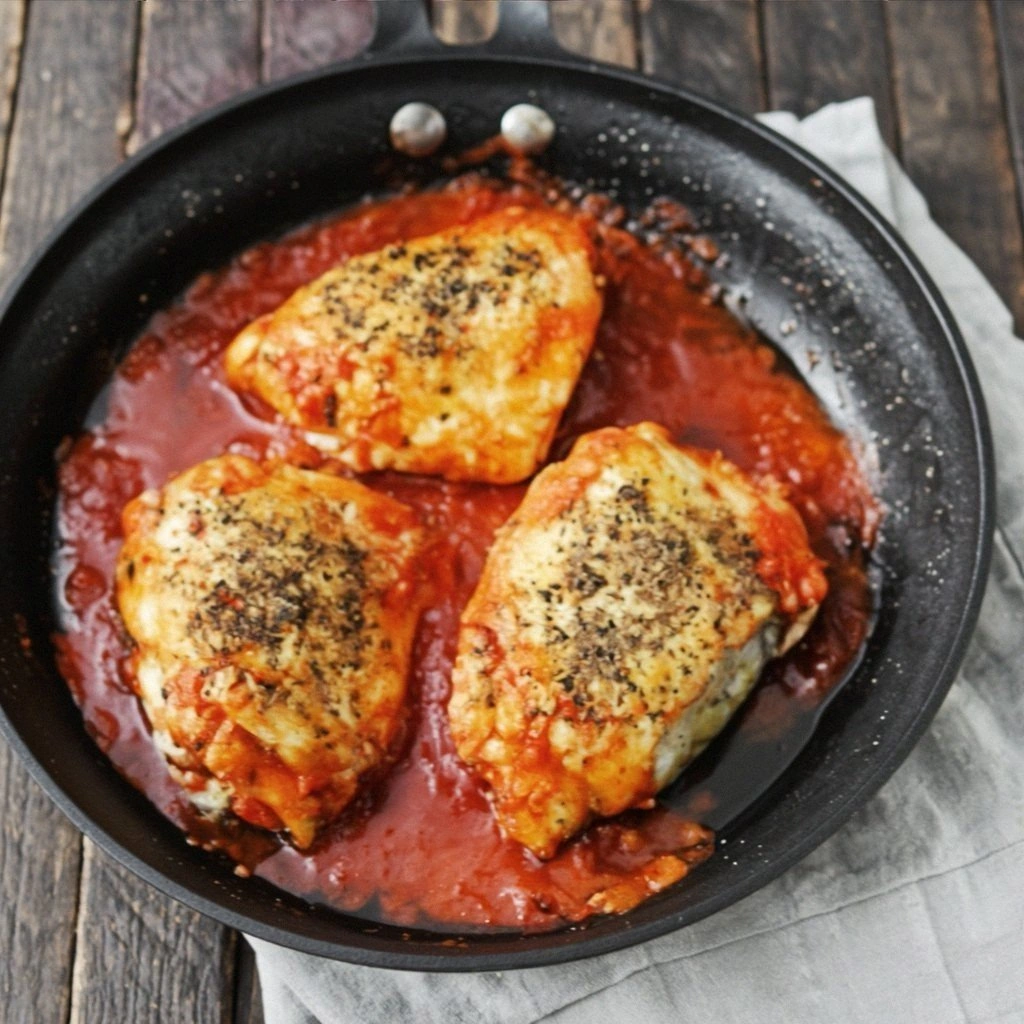
I started by searing the chicken thighs until the skin was a golden, crispy shell that crackled like thin ice. The sound alone was a promise of the juicy tenderness that would follow. When I tossed in the butter, the room filled with a buttery perfume that danced with the sharpness of freshly minced garlic. The tomato sauce, thick and velvety, swirled around the chicken, coating it in a glossy, tangy embrace that seemed to whisper, “You’re in for a treat.” The basil leaves, when added, released a burst of green freshness that lifted the dish into a whole new dimension.
What makes this version stand out isn’t just the ingredients; it’s the way they interact. The chicken isn’t just cooked; it’s caramelized, creating a caramelized crust that holds the sauce like a velvet blanket. The butter isn’t just a fat; it’s a flavor conduit, enhancing the tomatoes’ natural sweetness while preventing the sauce from becoming too acidic. The basil isn’t just a garnish; it’s a living herb that adds a bright, citrusy counterpoint that cuts through the richness. The result is a harmonious balance that makes every bite a revelation.
Most recipes get this completely wrong by overcooking the chicken or using too much tomato, which dilutes the flavor. Here, the chicken is cooked just until the juices run clear, preserving its succulence. The sauce is reduced to a thick, glossy consistency that clings to the meat. The basil is added at the very end to keep its aroma fresh and vibrant. And the butter is stirred in just before serving, giving the dish a silky finish that feels indulgent yet light.
I dare you to taste this and not go back for seconds. The first bite is a burst of savory, sweet, and herbal notes that mingle on the tongue like a well‑orchestrated symphony. The second bite is a revelation of texture: the chicken’s tender interior against the slightly crisp exterior, all coated in a sauce that coats the palate like velvet. If you’re skeptical, give it a try and let the flavors convince you.
If you’ve ever struggled to make a comforting, flavorful chicken dish without spending hours in the kitchen, you’re not alone. I’ve spent countless evenings fumbling with marinades and sauces that never quite hit the mark. This recipe is a game‑changer because it cuts through the complexity and delivers a dish that feels both homemade and gourmet. The secret? Simple, high‑quality ingredients, a few clever techniques, and a dash of confidence.
Picture yourself pulling this out of the stovetop, the whole kitchen smelling incredible, and your guests’ faces lighting up with anticipation. The dish is ready to be served, and the moment you plate it, the steam rises like a fragrant cloud. This is hands down the best version you’ll ever make at home, and I’m excited to share every detail so you can recreate this magic.
Let me walk you through every single step — by the end, you’ll wonder how you ever made it any other way. The journey starts with a few simple choices that will set the tone for the entire dish. Stay with me, and you’ll discover why this recipe has become a favorite in my home and why it will soon become yours.
What Makes This Version Stand Out
- Flavor Depth: The combination of butter, tomato sauce, and basil creates a layered taste profile that is both comforting and sophisticated. The butter adds a rich, silky mouthfeel that elevates the tomato’s natural acidity.
- Texture Contrast: The chicken’s exterior crisps to a golden finish while the interior remains tender and juicy, offering a satisfying bite that keeps you coming back.
- Speed and Simplicity: In under 45 minutes, you can have a restaurant‑style dish that feels effortless. The stovetop method eliminates the need for pre‑marinating or slow‑cooking.
- Ingredient Quality: Using fresh basil and a good tomato sauce makes all the difference. The dish shines when the ingredients are at their peak.
- Versatility: Whether you’re feeding a family or entertaining guests, the dish scales easily. The flavors adapt well to different cuts of chicken and even to vegetarian alternatives.
- Make‑Ahead Friendly: The sauce can be prepared ahead and reheated without losing its texture. This makes it perfect for busy weeknights.
- Visual Appeal: The bright green basil against the rich tomato creates a plate that looks as good as it tastes. The glossy finish is a visual cue for quality.
Alright, let’s break down exactly what goes into this masterpiece. The next section will walk you through each ingredient, why it matters, and how you can tweak it if you’re feeling adventurous.
Inside the Ingredient List
The Flavor Base
At the heart of this dish is the tomato sauce, a thick, luscious foundation that carries the entire flavor profile. Using a high‑quality store‑bought sauce or a homemade blend of crushed tomatoes, garlic, and a splash of red wine gives the dish a depth that’s hard to replicate with canned tomatoes. If you skip the sauce, you lose the sweet‑acidic backbone that balances the richness of the chicken and butter. A lighter sauce will make the dish feel thin, while a too‑sour sauce can overpower the herbaceous notes.
For a twist, try a smoked tomato sauce or add a teaspoon of tomato paste for extra body. The key is to let the sauce simmer until it reduces to a thick consistency, allowing the flavors to concentrate. When the sauce is ready, it should coat the spoon like a glossy glaze.
The Texture Crew
The chicken thighs or breasts are the star of the show. The thighs offer a richer, more succulent bite, while the breasts provide a leaner option. Regardless of the cut, the goal is to sear the meat to develop a caramelized crust that locks in juices. If you choose breasts, consider slicing them into smaller pieces to ensure they cook evenly and stay tender.
Butter is the unsung hero that ties everything together. It adds a silky sheen to the sauce and helps the chicken’s skin crisp up beautifully. Use unsalted butter to control the salt level, and add it towards the end of cooking to prevent it from burning. The butter’s flavor profile enhances the tomato’s sweetness and balances the basil’s brightness.
The Unexpected Star
Fresh basil isn’t just a garnish; it’s a flavor punch that elevates the dish from simple to extraordinary. Basil’s sweet, peppery notes cut through the richness of the butter and the acidity of the tomatoes. If you’re out of basil, consider using oregano or thyme, but the flavor profile will shift noticeably. To maximize basil’s aroma, tear the leaves rather than chop them, releasing essential oils.
A pinch of salt and pepper is all you need to season the dish. Over‑salting can make the sauce taste flat, while under‑seasoning leaves it bland. Taste the sauce before adding the basil; if it feels dull, a tiny pinch of salt can bring everything back to life.
The Final Flourish
A final splash of cream or a dollop of Greek yogurt can add a creamy texture that balances the acidity. This optional step is great for those who want a richer, more decadent dish. If you prefer a lighter version, simply omit the cream and let the butter finish the job.
Everything’s prepped? Good. Let’s get into the real action and see how these ingredients combine to create a dish that’s both comforting and wow‑worthy.
The Method — Step by Step
- Prep the Chicken: Pat the chicken thighs or breasts dry with paper towels. This step is crucial because moisture on the surface prevents the Maillard reaction from creating that beautiful golden crust. Season each piece with a pinch of salt, pepper, and Italian seasoning, pressing the spices into the meat so they cling. Let the seasoned chicken rest for 5 minutes; this allows the flavors to penetrate the muscle fibers.
- Heat the Pan: Place a large, heavy‑bottom skillet over medium‑high heat and add a splash of olive oil. Once the oil shimmers, reduce the heat to medium to avoid scorching. The pan should be hot enough that the chicken sizzles loudly upon contact; this is the first sign you’re on the right track.
- Sear the Chicken: Lay the chicken pieces skin‑side down, leaving space between them. Press them gently with a spatula for the first 2 minutes to ensure even contact. The skin should crackle and turn a deep amber hue. Flip the chicken and sear the other side until it’s also golden brown. This process locks in juices and builds a flavor foundation.
- Introduce Butter and Garlic: Reduce heat to medium-low and add the butter. Watch it melt into a fragrant pool. Toss in the minced garlic, letting it sizzle for 30 seconds until it turns fragrant but not brown. The garlic should release a sweet, nutty aroma that mingles with the butter’s richness.
- Add Tomato Sauce: Pour the tomato sauce into the pan, stirring to coat the chicken evenly. Bring the mixture to a gentle simmer. The sauce should thicken slightly, forming a glossy coat that clings to the meat. Keep the heat low to prevent the sauce from boiling over.
- Simmer and Finish: Cover the pan with a lid and let the chicken cook for 15 minutes, or until the internal temperature reaches 165°F (74°C). The sauce will reduce further, intensifying its flavor. After 15 minutes, remove the lid, stir in the basil leaves, and let the dish finish cooking for an additional 5 minutes. The basil’s bright aroma will fill the kitchen, signaling that the dish is ready to serve.
- Plate and Serve: Transfer the chicken to a serving dish, spooning the sauce over each piece. Sprinkle a final pinch of fresh basil for a pop of color. Serve immediately with a side of crusty bread or a simple green salad. The sauce should cling to the bread, turning it into a savory dip.
- Enjoy and Reflect: Take a moment to savor the first bite. Notice how the textures and flavors harmonize. Share the dish with friends or family and watch their reactions. This is the moment when the kitchen feels truly alive.
That’s it — you did it. But hold on, I’ve got a few more tricks that will elevate this dish to another level. These insider tips will help you master the technique and avoid common pitfalls.
Insider Tricks for Flawless Results
The Temperature Rule Nobody Follows
Many home cooks start cooking the chicken on high heat, hoping to get a quick sear. The truth is, a steady medium heat is the sweet spot that ensures even cooking without burning the exterior. I’ve found that using a thermometer to monitor the internal temperature saves a lot of guesswork. When the chicken hits 165°F (74°C), you’re guaranteed a juicy interior and a crisp exterior. This technique turns a simple stovetop dish into a precision‑crafted meal.
Why Your Nose Knows Best
The aroma of simmering tomato sauce is a reliable indicator of doneness. When the sauce starts to thicken and emit a rich, caramelized scent, it’s time to add the basil. Your nose can tell you when the sauce has developed the right depth of flavor, which is often harder to gauge by sight alone. Trusting your senses ensures that the dish will always taste fresh and vibrant.
The 5‑Minute Rest That Changes Everything
After you remove the chicken from the pan, let it rest for 5 minutes before slicing. This simple step allows the juices to redistribute throughout the meat, preventing them from spilling out onto the cutting board. The result is a moist, tender bite that feels like a well‑executed steak. Many people skip this step, but the difference is noticeable.
Layering Flavors for Depth
When adding the basil, do it in two stages: first, fold in half of the leaves, then stir in the rest at the very end. This method ensures that the basil’s bright aroma doesn’t evaporate during the simmer. The first addition adds a subtle background note, while the final handful delivers a fresh burst of flavor that lingers on the palate.
Using Fresh vs. Dried Herbs
Fresh basil is ideal for this dish because it offers a bright, sweet flavor that dried herbs can’t match. However, if you’re out of fresh basil, a pinch of dried basil can still work, but add it earlier in the cooking process to allow it to rehydrate. Dried herbs lose potency over time, so always check the expiration date before use.
Creative Twists and Variations
This recipe is a playground. Here are some of my favorite ways to switch things up:
Spicy Sriracha Kick
Add a teaspoon of sriracha or a pinch of crushed red pepper flakes to the sauce for a fiery twist. The heat pairs beautifully with the tomato’s sweetness, creating a balanced, bold flavor that will excite the taste buds.
Herb‑Infused Olive Oil
Before adding the chicken, swirl a tablespoon of olive oil infused with rosemary or thyme into the pan. This subtle infusion adds a woody undertone that complements the tomato and basil, elevating the dish’s aromatic profile.
Cheesy Creamy Variation
Stir in a splash of heavy cream or a dollop of ricotta cheese at the end of cooking. The creamy texture balances the acidity of the tomatoes and creates a silky sauce that coats the chicken like a velvety blanket.
Vegetarian Version
Replace the chicken with thick slices of eggplant or portobello mushrooms. Sear them until golden, then simmer in the tomato sauce with basil. The result is a hearty, plant‑based dish that feels just as indulgent.
Garnish with Toasted Pine Nuts
Lightly toast pine nuts in a dry skillet until golden brown. Sprinkle them over the finished dish for a nutty crunch that contrasts the silky sauce. The toasted nuts also add a subtle earthy flavor.
Breakfast Boost
Serve the sauce over scrambled eggs or a breakfast burrito for a savory, protein‑rich start to your day. The tomato and basil flavors pair surprisingly well with the richness of eggs, creating a comforting breakfast that feels like dinner.
Storing and Bringing It Back to Life
Fridge Storage
Cool the dish to room temperature before refrigerating. Store it in an airtight container for up to 4 days. The sauce will thicken slightly in the fridge, so a quick stir before serving restores its original consistency.
Freezer Friendly
For longer storage, freeze the dish in a freezer‑safe container for up to 2 months. When reheating, thaw overnight in the fridge, then warm gently on the stovetop with a splash of water to prevent the sauce from drying out. The chicken remains tender, and the sauce regains its silky texture.
Best Reheating Method
Reheat the dish over low heat, stirring occasionally. Add a teaspoon of water or a splash of chicken broth to keep the sauce from thickening too much. The dish should be heated to 165°F (74°C) before serving. A quick 5‑minute simmer restores the flavors and aromas to their peak.