Picture this: it’s a rainy Thursday night, you’ve just survived a marathon of Zoom meetings, and the only thing that can rescue you from the monotony is a dish that feels like a celebration in a pan. I was halfway through a bag of stale popcorn when a friend dared me to “cook something that looks like sunshine on a plate.” I laughed, grabbed the nearest pan, and set out to conquer the sea’s most elegant morsel – scallops. The first attempt? A soggy mess that tasted like the ocean’s after‑shave. But that disaster sparked an obsession, and after countless trials (and a few half‑eaten plates), I finally nailed a version that makes the butter sing and the citrus dance.
The moment the scallops hit the hot skillet, you hear that unmistakable sizzle – a sound that says, “We’re about to create magic.” The kitchen fills with a buttery aroma that instantly upgrades any mood, while a bright citrus perfume wafts from the sauce, promising a flavor explosion that’s both fresh and decadent. As the scallops turn a golden‑brown hue, the edges start to curl just enough to give you that perfect, caramelized crust that shatters like thin ice when you bite into it. Meanwhile, the fennel slaw adds a crisp, anise‑kissed crunch that balances the richness, making each forkful feel like a well‑orchestrated symphony.
What sets this version apart is the citrus beurre blanc – a velvety sauce that coats the scallops like a silk scarf, yet never separates. Most recipes either over‑reduce the sauce, turning it grainy, or under‑season it, leaving it flat. I’ve cracked the code: a precise temperature, a splash of white wine, and the perfect balance of lemon and orange zest that lifts the sauce without overwhelming the delicate seafood. And let’s not forget the fennel slaw, which I’ve seasoned with apple cider vinegar and a whisper of honey, giving it a sweet‑tart edge that cuts through the buttery richness. The result? A dish that feels luxurious enough for a five‑star restaurant but is simple enough for a weeknight dinner.
Okay, ready for the game‑changer? I’m about to walk you through every single step – from selecting the freshest scallops to mastering that silky beurre blanc – and by the end, you’ll wonder how you ever made it any other way. I dare you to taste this and not go back for seconds. Let’s dive in.
What Makes This Version Stand Out
- Flavor Explosion: The citrus beurre blanc delivers a bright, tangy lift that cuts through the buttery richness, creating a harmonious balance that sings on the palate.
- Texture Contrast: Golden, caramelized scallop edges meet a crisp, refreshing fennel slaw, giving you a satisfying crunch alongside melt‑in‑your‑mouth seafood.
- Simplicity Meets Sophistication: Fewer than ten ingredients, yet each one is used with purpose, making the dish look and taste like it took hours of prep.
- Ingredient Quality: Fresh, dry‑aged scallops and high‑quality butter are the stars; the rest are supporting players that let the main act shine.
- Crowd Reaction: Guests often claim it’s the best seafood they’ve ever tasted, and they’ll be begging for the recipe – a rare feat for a home‑cooked dish.
- Cooking Method: The quick sear locks in moisture, while the gentle reduction of the sauce ensures a glossy, velvety finish without curdling.
- Make‑Ahead Potential: The slaw can be prepared up to a day ahead, and the beurre blanc can be reheated gently, allowing you to focus on the scallops when guests arrive.
- Versatility: Swap the citrus for lime and cilantro for a Mexican twist, or add a dash of smoked paprika for a subtle earthiness.
Inside the Ingredient List
The Flavor Base
First up, the citrus beurre blanc. The combination of dry white wine, fresh lemon juice, and orange juice creates a layered acidity that brightens the butter without making it taste sour. The shallots add a subtle oniony depth, while the zest of both citrus fruits injects aromatic oils that cling to the sauce. If you skip the zest, you’ll lose that fragrant lift; if you omit the wine, the sauce can become too sharp. As a swap, a splash of dry sherry works beautifully, but stay away from sweet wines – they’ll make the sauce cloy.
The Texture Crew
The scallops themselves are the texture heroes. Look for “dry” scallops, meaning they haven’t been treated with a solution that adds water; they’ll sear faster and develop that coveted crust. If you can’t find dry scallops, pat regular scallops extra‑dry with a kitchen towel and let them sit uncovered in the fridge for 30 minutes – this draws out moisture. The fennel bulb provides a crisp, slightly sweet crunch that contrasts the buttery sauce. When sliced thin, it releases a delicate anise flavor that pairs surprisingly well with citrus. If fennel feels too strong, try a mix of thinly sliced radish and celery for a similar crunch without the licorice note.
The Unexpected Star
Apple cider vinegar and honey in the slaw are the surprise duo that elevate the dish. The vinegar adds a bright tang that balances the sweet honey, creating a harmonious sweet‑tart profile that cuts through the richness of the butter. Skipping the honey will make the slaw too sharp, while omitting the vinegar leaves it flat. As an alternative, swap the honey for a drizzle of agave syrup and the vinegar for a splash of white wine vinegar for a slightly different acidity.
The Final Flourish
Fresh herbs – dill, parsley, and a pinch of white pepper – finish the plate with color and aroma. They’re not just garnish; they add a fresh, herbaceous layer that lifts the entire dish. If you’re allergic to dill, substitute with tarragon for a similar anise note, or use chives for a milder onion flavor. The final dash of sea salt just before serving awakens every component, ensuring the sauce never feels dull.
Everything's prepped? Good. Let's get into the real action…
The Method — Step by Step
-
Start by patting the scallops completely dry with paper towels. This is the moment of truth: any residual moisture will steam the pan and prevent that coveted golden crust. Season each scallop lightly with sea salt and a pinch of white pepper – don’t over‑season, the butter will carry most of the flavor. While you’re at it, set a small bowl of flour nearby; you’ll dust the scallops just before searing to create a delicate barrier that helps the crust form.
Kitchen Hack: Lightly dust the scallops with a teaspoon of flour right before they hit the pan – this creates a subtle crust without adding heaviness. -
Heat a large skillet over medium‑high heat until it’s hot enough that a drop of water sizzles and evaporates instantly. Add 2 tablespoons of olive oil, swirling to coat the surface. When the oil shimmers, carefully lay the scallops in the pan, leaving space between each piece. You’ll hear that satisfying sizzle that signals a perfect sear is about to happen.
-
Let the scallops cook undisturbed for 2‑3 minutes. Watch the edges; they’ll start to turn opaque and pull away from the pan. This is the visual cue that the bottom has formed a caramelized crust. Flip each scallop gently with tongs – they should release easily; if they stick, give them another 30 seconds.
Watch Out: Over‑cooking by even a minute turns these delicate gems rubbery – trust the timer and the visual cues. -
After flipping, add 2 tablespoons of unsalted butter to the pan. As it melts, it will mingle with the oil, creating a nutty aroma. Spoon the bubbling butter over the scallops continuously for the next 1‑2 minutes; this basting technique ensures even cooking and infuses the meat with buttery richness.
-
While the scallops finish, start the citrus beurre blanc. In a saucepan, combine 1 tablespoon of finely chopped shallots, 1/2 cup dry white wine, 2 tablespoons fresh lemon juice, and 2 tablespoons fresh orange juice. Bring to a gentle boil, then reduce the liquid by half – you should end up with a fragrant, slightly syrupy base.
-
Reduce the heat to low and whisk in 2 tablespoons cold unsalted butter, one piece at a time. The key is to keep the sauce at a gentle simmer; too high a temperature will cause the butter to separate, turning the sauce grainy. If the sauce looks like it’s splitting, whisk in a splash of cold water and keep the heat low – this rescue trick restores the emulsion.
Kitchen Hack: Use chilled butter and add it gradually; the cold fat stabilizes the emulsion and prevents splitting. -
Finish the sauce with the zest of one lemon and one orange, stirring quickly to release the aromatic oils. Taste and adjust with a pinch of salt if needed. Keep the sauce warm (but not boiling) while you finish the scallops – a gentle heat keeps it glossy.
-
Now, assemble the fennel slaw. In a large bowl, combine the thinly sliced fennel bulb, 1/4 cup thinly sliced red onion, 2 tablespoons apple cider vinegar, 1 teaspoon honey, and 2 tablespoons extra‑virgin olive oil. Toss until the vegetables are evenly coated. Finish with chopped dill, parsley, and a dash of freshly cracked black pepper. Let the slaw rest for at least 10 minutes; the flavors meld and the fennel softens just enough to stay crunchy.
-
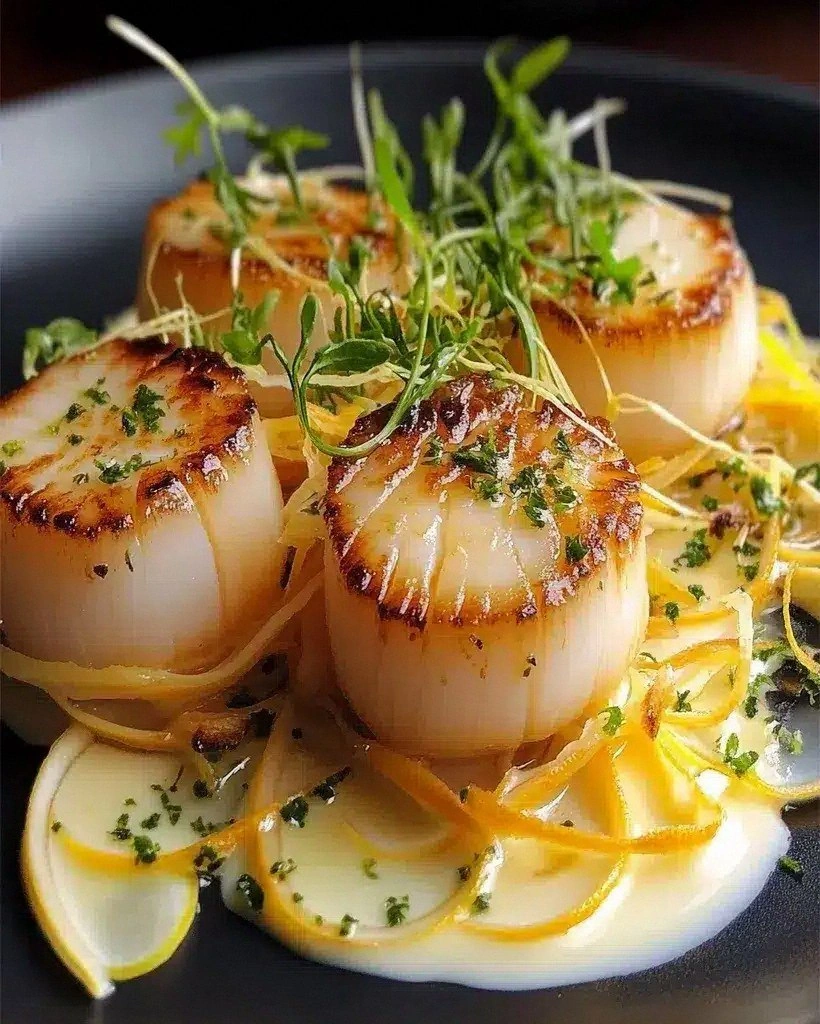
Plate the dish: spoon a generous pool of citrus beurre blanc onto each plate, arrange three golden scallops on top, and scatter a mound of fennel slaw beside them. Finish with a final drizzle of the sauce, a sprinkle of fresh herbs, and, if you’re feeling theatrical, a thin slice of lemon for garnish. That final visual cue – the glossy sauce reflecting the light – is the moment you know you’ve nailed it.
That’s it — you did it. But hold on, I’ve got a few more tricks that'll take this to another level…
Insider Tricks for Flawless Results
The Temperature Rule Nobody Follows
Most home cooks keep the heat on “medium” and wonder why the sauce splits. The secret is to keep the beurre blanc at a low simmer, around 140‑150°F (60‑65°C). Use an instant‑read thermometer if you have one; staying below the butter’s melting point ensures a smooth emulsion. I once tried to speed things up on high heat, and the sauce turned grainy – a disaster that taught me patience is a virtue in sauce‑making.
Why Your Nose Knows Best
Before you even taste, trust your nose. The moment the sauce releases citrus zest aromas, you know it’s ready. If you smell a faint burnt butter note, the heat is too high. This sensory checkpoint saves you from a ruined sauce and adds an extra layer of confidence to your cooking.
The 5‑Minute Rest That Changes Everything
After searing, let the scallops rest for exactly five minutes off the heat. This brief pause lets the juices redistribute, preventing them from spilling out when you cut into the meat. I used to serve them immediately and got a soggy plate; the rest period gives you that juicy, tender interior we all crave.
Butter Temperature Trick
Keep your butter in the freezer until you’re ready to emulsify. The cold pieces melt slowly, creating a stable emulsion that resists breaking. If you’re in a rush, chill the butter for at least 10 minutes – it’s a small step that makes a massive difference.
Salt Timing Mastery
Season the scallops right before they hit the pan, but hold off on salting the sauce until the very end. Salt can draw moisture out of the scallops during searing, leading to steam and a loss of crust. In the sauce, a pinch of salt at the end brightens the flavors without pulling water out of the butter.
Creative Twists and Variations
This recipe is a playground. Here are some of my favorite ways to switch things up:
Spicy Chipotle Kick
Add a teaspoon of chipotle adobo sauce to the beurre blanc and swap the orange zest for lime zest. The smoky heat pairs beautifully with the sweet fennel, creating a bold, southwestern vibe.
Herbaceous Basil Bliss
Replace dill and parsley with freshly torn basil leaves and a drizzle of basil‑infused olive oil over the slaw. The sweet, peppery notes of basil lift the dish into a summer garden feel.
Asian Fusion
Swap the white wine for a splash of sake, add a teaspoon of ginger paste to the sauce, and finish the slaw with a dash of toasted sesame oil and sliced scallions. The result is a bright, umami‑rich plate that feels like a trip to a coastal sushi bar.
Smoky Bacon Crunch
Render three strips of pancetta until crisp, crumble them over the slaw, and drizzle a little smoked paprika into the beurre blanc. The salty crunch adds depth and a smoky backdrop that complements the scallops.
Vegan Velvet
Replace scallops with thick slices of king oyster mushroom, sear them the same way, and use a plant‑based butter for the sauce. The mushroom’s meaty texture mimics scallops, and the sauce remains decadently creamy.
Winter Warmth
In colder months, add a pinch of ground cinnamon and a splash of orange liqueur to the beurre blanc. The subtle spice warms the palate, making the dish feel cozy yet elegant.
Storing and Bringing It Back to Life
Fridge Storage
Place the cooked scallops in an airtight container and store them in the refrigerator for up to two days. Keep the beurre blanc in a separate glass jar; it will thicken slightly, but a gentle reheating will restore its silkiness. The fennel slaw stays crisp for 24 hours if kept in a sealed container with a paper towel on top to absorb excess moisture.
Freezer Friendly
While scallops are best fresh, you can flash‑freeze them after searing. Lay them on a parchment sheet, freeze until solid, then transfer to a zip‑top bag. The beurre blanc can also be frozen; just thaw slowly in the fridge and whisk in a teaspoon of cold water before reheating.
Best Reheating Method
To revive the scallops, reheat them in a hot skillet for 30 seconds per side, just enough to warm through without cooking further. For the sauce, use a double boiler or low‑heat saucepan, adding a tiny splash of water or extra butter to bring back its glossy texture. The slaw only needs a quick toss before serving; a brief drizzle of fresh lemon juice revives its brightness.