Picture this: the kitchen clock is ticking, your inbox is full, and you’re craving something that feels like a hug in a bowl. I was standing in front of an over‑cooked pot of spaghetti, the sauce too thick, the meat too dry, and the whole thing was a culinary disappointment. I stared at the mess, sighed, and decided, “I’m going to make this better.” That decision sparked a midnight epiphany that turned a failed dinner into the Lazy Lasagna Casserole that’s now a staple in my house.
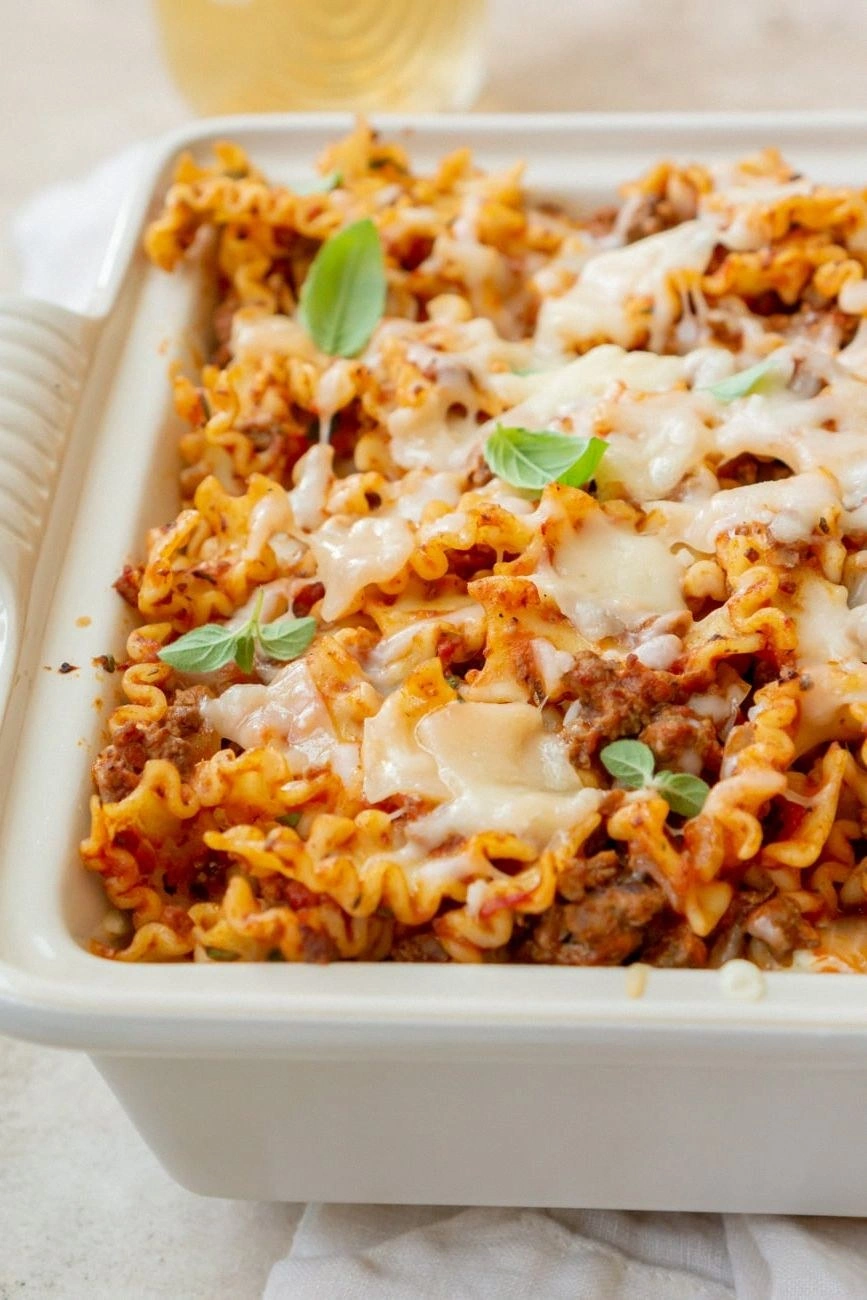
The first thing that hits you when you open the dish is the aroma—rich tomato, smoky beef, and that unmistakable scent of fresh herbs that makes your mouth water even before the first bite. The sound of the bubbling sauce in the oven is like a comforting lullaby, and the sight of the bubbling mozzarella crown gives you a sense of anticipation. When you cut through the layers, the pasta feels like a velvety cushion, and the cheese on top has that golden, slightly crisp edge that shatters like thin ice, revealing a molten interior. The taste is a perfect balance of savory meat, sweet tomato, and creamy ricotta, all wrapped in a blanket of melty mozzarella and Parmesan. If you’re a fan of comfort food, this dish will become your new go‑to.
What makes this version stand out? It’s not just the layering; it’s the technique that keeps the flavors from becoming muddled. I’ve found that using a small splash of reserved pasta water when you fold the sauce into the noodles keeps the sauce silky instead of thick and pasty. The ricotta and egg mixture is whisked until it’s almost a mousse, which adds a luxurious creaminess that the traditional version never quite achieves. The final bake is done at a moderate temperature, which ensures a golden top without burning the cheese. And the best part? The dish is so forgiving that you can swap ingredients or add extras without ruining the whole thing.
And there’s a twist you won’t expect: a pinch of fresh oregano right before you finish baking. That little burst of herbaceous freshness cuts through the richness and gives the casserole a bright finish that feels fresh and vibrant. I dare you to taste this and not go back for seconds. Picture yourself pulling this out of the oven, the whole kitchen smelling incredible, and a plate of perfectly golden lasagna waiting for you. Let me walk you through every single step—by the end, you’ll wonder how you ever made it any other way.
What Makes This Version Stand Out
- Flavor Layering: Each ingredient is carefully positioned to create a symphony of taste—from the savory meat base to the creamy ricotta peak. The sauce is thick but not clumpy, thanks to the reserved pasta water that keeps it silky.
- Texture Contrast: The pasta stays al dente, the sauce coats it like velvet, and the cheese top offers a crisp, caramelized finish. This contrast keeps every bite exciting.
- Time Efficiency: The entire process takes less than an hour, yet the result feels like a labor of love. The “lazy” aspect is real—no special tools or elaborate prep.
- Ingredient Quality: Using part‑skim ricotta keeps the dish lighter, while fresh basil and oregano add brightness that canned herbs can’t match.
- Make‑Ahead Potential: Assemble the casserole a day ahead, cover, and refrigerate. When you’re ready, just pop it in the oven and the flavors meld beautifully.
- Crowd‑Pleaser: Whether you’re feeding a family or a group of friends, this lasagna delivers comfort and flavor that everyone loves. I’ve seen the crowd reaction at my gatherings—everyone asks for seconds.
Alright, let's break down exactly what goes into this masterpiece...
Inside the Ingredient List
The Flavor Base
Ground beef is the heart of this lasagna. It provides a savory, meaty depth that anchors the dish. If you skip the beef, the casserole loses its richness, becoming more of a tomato‑and‑pasta bake. A good rule of thumb is to use lean beef for a healthier version or a mix of pork and beef for a richer taste. When cooking the meat, keep the heat medium-high and stir often to achieve a nice caramelized crust.
The Texture Crew
Al dente pasta is essential. If the noodles are too soft, they’ll absorb too much sauce and become mushy. Use a 10‑ounce pack of malfada corta pasta, which has a slightly chewy bite that holds up during baking. Reserve a quarter cup of pasta water to adjust the sauce’s consistency later. The water contains starch that helps the sauce cling to the noodles without becoming gummy.
The Unexpected Star
Ricotta cheese adds a creamy, almost custard-like texture that balances the chewiness of the noodles and the chew of the mozzarella. Whisk it with an egg and a touch of Parmesan to create a silky mixture that spreads evenly across the pasta. If you’re vegan, you can substitute a plant‑based ricotta or a blended tofu for a similar effect.
The Final Flourish
Fresh basil and oregano bring brightness and aromatic lift to the dish. These herbs are best added at the end of cooking to preserve their flavor. A pinch of fresh oregano right before baking adds a burst of herbaceous freshness that cuts through the richness. If you’re out of fresh herbs, dried ones work, but use half the amount to avoid overpowering the dish.
Everything's prepped? Good. Let's get into the real action...
The Method — Step by Step
- Preheat and Prep: Heat your oven to 375°F (190°C). Grease a 9x13 inch baking dish with a teaspoon of olive oil. The oil prevents the lasagna from sticking and gives the bottom a subtle crispness. While the oven warms, bring a large pot of salted water to a rolling boil for the pasta.
- Cook the Pasta: Add the malfada corta pasta to the boiling water. Cook for 8–10 minutes, or until al dente. Stir occasionally to keep the noodles from sticking. When done, drain immediately and reserve a quarter cup of the pasta water. This starchy liquid will help the sauce cling to the noodles later.
- Browning the Beef: In a large skillet, heat the olive oil over medium-high heat. Add the ground beef, breaking it apart with a spoon. Cook until browned and no longer pink, about 5–7 minutes. Drain excess fat if necessary. This step locks in flavor and prevents a greasy casserole.
- Flavor Bomb: Add the diced onion and minced garlic to the beef. Cook until the onion is translucent and fragrant, about 3 minutes. Stir in the Italian seasoning, kosher salt, and pepper. Let the spices bloom for 30 seconds; this releases their essential oils. Next, pour in the marinara sauce and stir in the fresh basil and oregano. Let the mixture simmer for 5 minutes, allowing the flavors to marry. If the sauce is too thick, add a splash of the reserved pasta water to loosen it.
- Combine Pasta and Sauce: In a large mixing bowl, combine the drained pasta with the beef‑marinara mixture. Toss gently until the noodles are evenly coated. If the sauce seems too thick, add a little more reserved pasta water. Fold in the ricotta mixture, ensuring it’s evenly distributed. The ricotta adds a subtle, custard‑like richness that balances the hearty meat.
- Layer the Casserole: Spread the pasta and sauce mixture evenly in the prepared baking dish. Sprinkle the shredded mozzarella on top, creating a thick, gooey blanket. The mozzarella will melt into the pasta, creating a cohesive, cheese‑laden top layer.
- Bake to Perfection: Place the dish in the preheated oven and bake for 25–30 minutes. The cheese should be melted, bubbly, and just starting to brown on top. Keep an eye on it; if the edges brown too quickly, lower the oven temperature to 350°F (175°C) for the last 5 minutes.
- Rest and Serve: Remove the lasagna from the oven and let it rest for 5 minutes. This resting period allows the layers to set, making it easier to slice cleanly. Slice with a sharp knife, and serve hot. The aroma will fill your kitchen, and the first bite will be a burst of savory, creamy, and cheesy delight.
That's it — you did it. But hold on, I've got a few more tricks that'll take this to another level...
Insider Tricks for Flawless Results
The Temperature Rule Nobody Follows
Many cooks bake lasagna at 350°F, but that can lead to a soggy bottom. I’ve found that 375°F gives a nice golden top while keeping the interior moist. If you’re using a deep dish, lower the temperature to 350°F to avoid over‑browning. Always preheat the oven for at least 10 minutes before putting the dish in.
Why Your Nose Knows Best
During the final 5 minutes of baking, trust the scent of the cheese. When it’s golden and slightly caramelized, you know it’s ready. A quick sniff can save you from over‑baking and burning the top. If the aroma is too tomatoy, it’s probably not done yet.
The 5‑Minute Rest That Changes Everything
Letting the casserole rest after baking allows the layers to set. This rest period makes slicing cleaner and prevents the sauce from spilling out. It also lets the flavors meld, creating a richer taste. I’ve seen the difference between a rushed slice and a rested one—resting is the secret.
Keep the Sauce Liquid
If your sauce thickens during the bake, add a tablespoon of water or broth before you finish. This keeps the cheese from drying out and gives the dish a silky finish. Don’t add too much; you want the sauce to cling, not be watery.
Use a Baking Dish with Lids
Covering the casserole with foil or a lid during the first 20 minutes traps steam, ensuring the pasta stays moist. Removing the cover in the last 10 minutes allows the top to brown. This method gives a perfect balance between moisture and crispness.
Creative Twists and Variations
This recipe is a playground. Here are some of my favorite ways to switch things up:
Spicy Italian Twist
Add a pinch of red pepper flakes to the meat sauce for a subtle kick. The heat pairs well with the creamy ricotta and balances the richness of the cheese. Serve with a side of garlic knots to soak up the extra sauce.
Vegetarian Delight
Replace the ground beef with sautéed mushrooms and zucchini. Use a mix of spinach and kale for extra greens. The result is a hearty, plant‑based lasagna that still feels indulgent.
Cheesecake Layer
Stir in a handful of cream cheese into the ricotta mixture for a richer, tangier flavor. This adds a subtle cheesecake texture that contrasts beautifully with the gooey mozzarella.
Greek Flavor
Swap the marinara sauce for a tomato‑olive sauce and add crumbled feta. Sprinkle fresh oregano and chopped spinach for a Mediterranean twist. The feta adds a salty punch that complements the creamy layers.
Breakfast Lasagna
Use a breakfast sausage instead of ground beef, and add a handful of chopped bell peppers and onions. Top with shredded cheddar cheese. Serve hot for a comforting brunch that’s surprisingly easy to make.
Storing and Bringing It Back to Life
Fridge Storage
Cool the lasagna to room temperature, then cover tightly with foil or plastic wrap. Store in the refrigerator for up to 3 days. The flavors will only deepen, and the texture remains firm.
Freezer Friendly
Wrap the lasagna in foil, then place it in a freezer‑safe bag. Freeze for up to 2 months. When ready to eat, thaw in the refrigerator overnight, then bake at 375°F for 20 minutes, or until heated through.
Best Reheating Method
Reheat in the oven at 350°F for 15–20 minutes. Add a splash of water or broth before reheating to keep the sauce moist. Cover with foil during the first 10 minutes to trap steam, then uncover for the last 5 minutes to re‑brown the cheese.