I still remember the night I almost set my kitchen on fire trying to pan-fry dumplings while juggling a wobbly saucepan of peanut sauce. The dumplings stuck like stubborn barnacles, the sauce seized into a cement-like paste, and my smoke alarm provided the soundtrack to my culinary disaster. Fast forward through three weeks of obsessive testing, a mountain of frozen dumpling wrappers, and enough peanut butter to fuel a small army, and here we are: the oven-baked method that changed everything. No more oil splatters on your favorite shirt, no more dumplings that fall apart when you flip them, and definitely no more standing over a hot stove when you could be sipping wine while dinner practically makes itself.
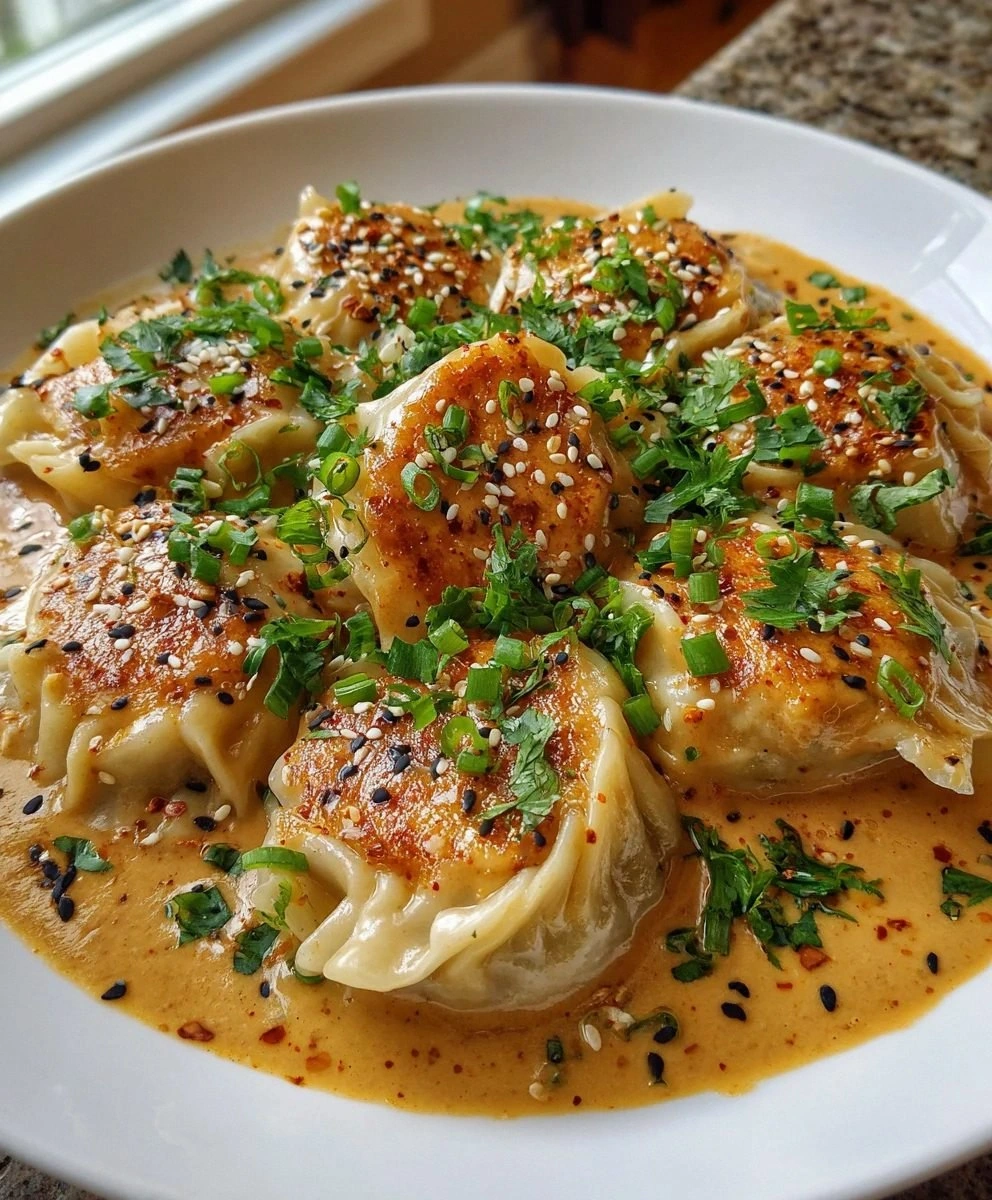
The first time I pulled these golden beauties from the oven, the peanut sauce bubbling like molten caramel between perfectly crisped dumplings, my roommate materialized beside me like a food-seeking missile. The aroma was absolutely criminal — think roasted peanuts meeting toasted sesame, with hints of garlic and ginger dancing through the air like aromatic ghosts. That first bite delivered everything I'd been chasing: dumplings with edges that shattered like thin ice, revealing tender filling inside, all coated in a peanut sauce so luscious it could make a grown adult weep into their napkin. The sauce clings to each dumpling like velvet, pooling in the crevices where broccoli florets nestle, creating little pockets of flavor that explode in your mouth.
Here's where I get positively evangelical about this recipe: most people think dumplings need babysitting in a skillet, or worse, a deep fryer that leaves your kitchen smelling like a fast food joint for days. Wrong. Dead wrong. The oven does something magical here — it creates these outrageously crispy bottoms while keeping the tops tender and steamy, all while your peanut sauce reduces into this glossy, addictive elixir that you'll want to bottle and keep in your desk drawer for emergency happiness. Picture yourself pulling this out of the oven, the whole kitchen smelling like you've been transported to a night market in Bangkok, your friends hovering nearby with plates already in hand like vultures in aprons.
Let me walk you through every single step — by the end, you'll wonder how you ever made it any other way.
What Makes This Version Stand Out
- Crispy Revolution: Oven-baking creates the most incredible textural contrast — golden, crunchy bottoms that give way to tender, steamy tops. It's like getting the best parts of both fried and steamed dumplings without the mess or constant monitoring.
- Sauce That Hugs: This peanut sauce doesn't just sit there looking pretty — it actually wraps around each dumpling like a warm blanket, seeping into every fold and crevice. The oven heat transforms it from liquid silk into this glossy, almost caramelized coating that makes every bite taste like you've died and gone to flavor heaven.
- Set-and-Forget Magic: Once everything's in the oven, you're free to set the table, pour yourself a drink, or dramatically narrate your cooking process to anyone who will listen. No more standing over a hot pan, dodging oil splatters like you're in some kind of culinary dodgeball game.
- Broccoli That Steals the Show: Those little broccoli florets aren't just nutritional decoration — they roast into these crispy-tender flavor bombs that soak up peanut sauce like tiny green sponges. Even sworn broccoli haters find themselves fishing for seconds.
- Panic-Proof Process: If you can operate an oven and open a bag of frozen dumplings, you can nail this recipe. It's practically bulletproof, which means you can make it for date night without breaking into a nervous sweat.
- Leftovers That Actually Improve: Here's the kicker — these taste even better the next day. The flavors meld and deepen overnight, transforming your sad desk lunch into something you'll actually look forward to eating while your coworkers eye your container with envy.
- Customizable Crowd-Pleaser: Whether you're feeding spice-loving heat seekers or mild-mannered grandmothers, this recipe bends to your will. The base is universally delicious, and you can adjust the heat, vegetables, or even swap the protein to keep everyone happy.
- Restaurant Quality, Couch Comfort: This tastes like something you'd pay eighteen dollars for at that trendy fusion place downtown, except you're eating it in your pajamas while binge-watching your favorite show. The best of both worlds, really.
Alright, let's break down exactly what goes into this masterpiece...
Inside the Ingredient List
The Foundation Crew
Frozen dumplings are the unsung heroes of weeknight dinners, sitting patiently in your freezer like little edible insurance policies against takeout temptation. They come pre-filled with perfectly seasoned mixtures that would take you hours to replicate from scratch, and they go straight from freezer to oven without any fussy thawing. The key is choosing quality dumplings — look for ones with visible herbs or whole ingredients in the filling rather than mystery meat paste. If you're feeling fancy, homemade dumplings work beautifully here too, but honestly, the frozen ones taste just as good and save you enough time to actually enjoy your evening instead of folding dumplings until your fingers cramp.
The Sauce Superstars
Creamy peanut butter forms the backbone of our sauce, and here's where being picky pays off big time. Natural peanut butter without added sugars lets you control the sweetness and creates this incredibly pure peanut flavor that tastes like someone distilled the essence of a thousand roasted peanuts into one spoonful. The oil separation that freaks out peanut butter novices? That's liquid gold — stir it in rather than pouring it off for the richest, most authentic taste. If you're dealing with a peanut allergy situation, almond butter creates a more sophisticated, slightly floral version, while cashew butter makes everything taste like you've added secret ingredients that cost more than your rent.
Soy sauce brings the umami bomb that transforms our peanut sauce from "nice" to "I need to eat this with everything forever." It's the difference between a sauce that tastes flat and one that makes your taste buds do a happy dance. Go for a good quality soy sauce here — the cheap stuff tastes like salty water with identity issues, while the good stuff adds layers of fermented complexity that make you understand why soy sauce has been prized for thousands of years. Tamari works perfectly if you're gluten-free, and it actually has a smoother, less harsh edge than regular soy sauce.
The Aromatic Avengers
Fresh garlic isn't negotiable here — it's the aromatic backbone that makes everything else sing. Those little minced pieces roast into these golden nuggets of flavor that you'll find yourself hunting for in the finished dish. Dried garlic just can't compete with the bright, pungent kick that fresh garlic brings to the party. If you're in a pinch and only have dried, use half the amount and add it to the sauce rather than scattering it raw, since dried garlic needs liquid to properly rehydrate and release its flavor.
Rice vinegar is the unsung hero that keeps our sauce from becoming a one-note peanut bomb. It adds this subtle brightness that makes you wonder why every peanut sauce doesn't include it — it's like adding a squeeze of lime to guacamole, except Asian and way more sophisticated. The mild acidity balances the rich peanut butter and creates this perfect harmony that keeps you coming back for bite after bite. White vinegar works in emergencies, but it's like using a foghorn when you need a gentle chime — it'll do the job, but it's not quite as elegant.
The Texture Team
Broccoli florets aren't just here for their health halo — they roast into these crispy-tender morsels that create textural contrast against the soft dumplings. The little tree tops get all caramelized and slightly charred, while the stems stay nice and crunchy, giving you two textures in one vegetable. Fresh broccoli gives you the best results, but frozen works in a pinch — just make sure to thaw and pat it dry first, or you'll end up with steamed broccoli that tastes like disappointment and soggy sadness.
Sesame seeds add this nutty crunch that makes the whole dish feel more expensive than it is. They're like tiny flavor confetti that gets toasted in the oven, releasing oils that smell like you've opened a portal to a sesame farm. Toasted sesame seeds are even better if you can find them — they have this deeper, more complex flavor that regular sesame seeds can only dream about. Don't have sesame seeds? Toasted pumpkin seeds give you a similar crunch with a slightly different, but equally delicious, nutty profile.
Everything's prepped? Good. Let's get into the real action...
The Method — Step by Step
- Preheat your oven to 425°F (220°C) — this isn't the time for gentle heat. You want that oven blazing hot so the dumplings get crispy bottoms while the sauce bubbles and thickens. Position your rack in the upper third of the oven, which gives you the perfect balance of direct heat for crisping and ambient heat for even cooking. While it's heating, grab your largest baking sheet — the one that barely fits in your oven is perfect — and line it with parchment paper. Trust me on the parchment; without it, you'll be chiseling peanut cement off your pan while questioning your life choices.
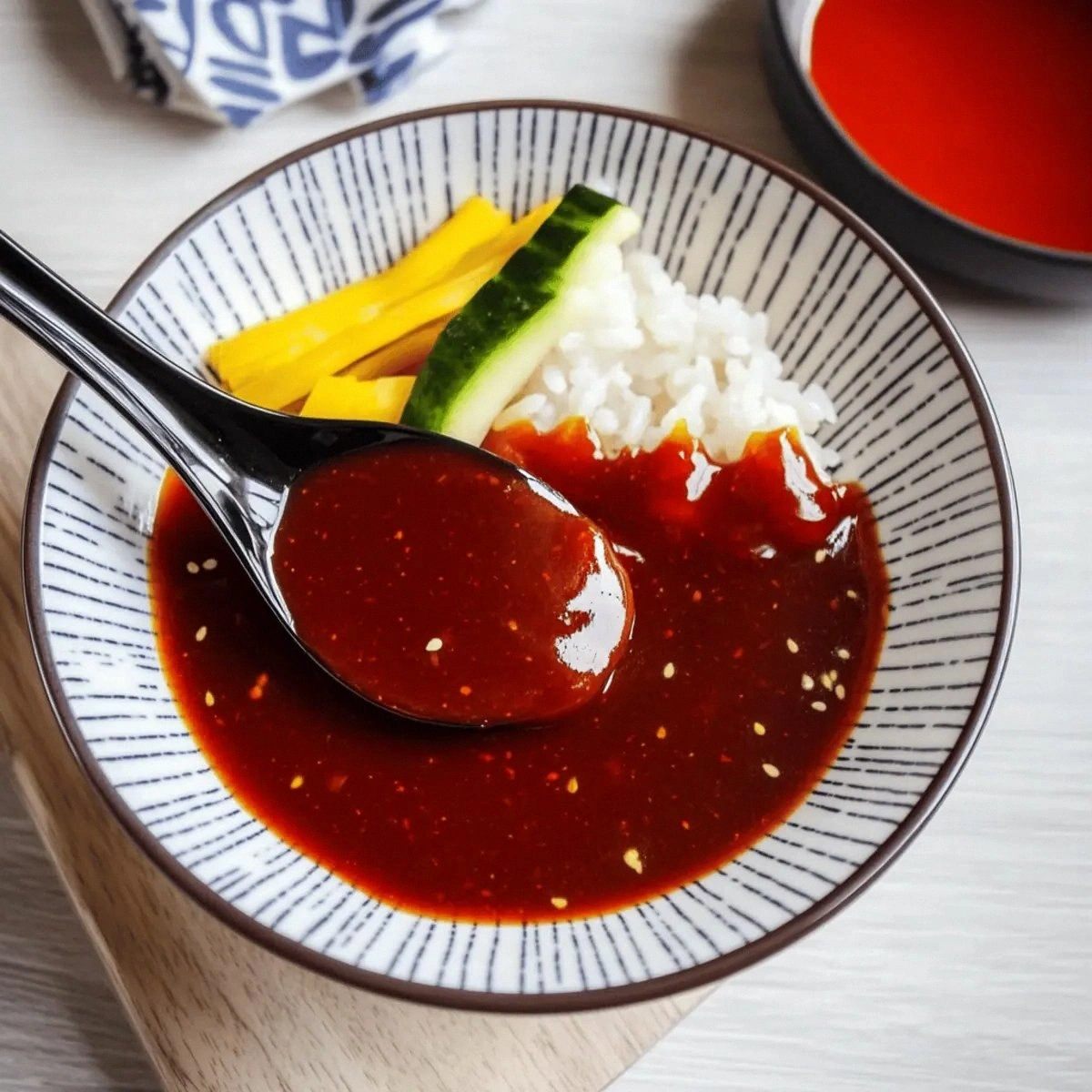
- Whisk together your peanut sauce in a bowl that's bigger than you think you need — this stuff has a way of splashing when you're whisking enthusiastically. Combine the creamy peanut butter, soy sauce, rice vinegar, and minced garlic until it looks like the most delicious glue you've ever seen. The sauce should be thick but pourable, like warm caramel. If it's too thick, add a splash of broth or water until it ribbons off your spoon in thick, luxurious streams. Give it a taste — it should make your eyes widen slightly from the perfect balance of salty, tangy, and nutty.
- Arrange your frozen dumplings on the parchment-lined baking sheet like little soldiers, leaving about half an inch between each one. They'll puff slightly as they cook, and giving them space ensures they crisp rather than steam. Don't crowd them or you'll end up with dumpling soup — and not the good kind. If you're using a mix of different dumpling types, group them by variety so you can easily remove the ones that cook faster. This is also when you scatter your broccoli florets around the dumplings, tucking them into the spaces like green puzzle pieces.
- Drizzle about two-thirds of your peanut sauce over everything, reserving the rest for later. Use a spoon to drizzle rather than pouring — you want artistic swirls, not peanut butter pools. The sauce should coat the dumplings lightly but not drown them; think of it as a sauce cardigan rather than a sauce blanket. Make sure some sauce gets on the broccoli too — those florets are going to become peanut sauce delivery vehicles of the highest order. If you're using chili crisp, now's the time to add it — start conservative, you can always add more later but you can't un-spicy your dinner.
- Slide your creation into that preheated oven and set a timer for 15 minutes. This is when the magic starts happening — the dumpling bottoms are beginning their transformation from soft to shatteringly crisp. The peanut sauce is starting to bubble and reduce, creating these sticky, caramelized edges that will make you want to lick the pan (don't, it's hot). Resist the urge to open the oven door; every peek drops the temperature and extends your cooking time. Instead, clean up your prep area and maybe prep some green onions for garnish — you'll need them in about 10 minutes.
- After 15 minutes, quickly open the oven and drizzle the remaining peanut sauce over everything. This second addition creates layers of sauce texture — the first round becomes sticky and caramelized, while this fresh layer stays glossy and saucy. Use the back of your spoon to spread it around, making sure every dumpling gets a second coat of peanut perfection. Close the door immediately and set another timer for 10-12 minutes. The edges of your dumplings should be golden brown and crispy, and the sauce should be bubbling like lava in a very delicious volcano.
- While everything finishes, prep your garnishes — slice green onions on the bias because we're fancy like that, and chop some cilantro if you're one of those people who thinks it tastes like soap (no judgment, you do you). Toast your sesame seeds in a dry pan for 2-3 minutes until they smell nutty and turn golden — this is when your kitchen starts smelling like you know what you're doing, even if you're just following instructions from the internet. Keep them moving in the pan or they'll burn faster than your motivation on a Monday morning.
- When the timer goes off, your dumplings should be sizzling and the sauce should have reduced to a glossy coating that makes everything look like it belongs in a food magazine. The broccoli florets will have charred edges and tender stems, creating little green flavor bombs throughout. Let everything rest for exactly 2 minutes — this allows the sauce to set slightly so it doesn't all slide off when you serve. Sprinkle with your toasted sesame seeds, green onions, and cilantro, creating a confetti of color that makes the whole dish look like a party on a pan.
- Serve immediately while the dumplings are at their crispiest and the sauce is still warm and gooey. Use a spatula to scoop up dumplings along with the crispy bits of sauce and roasted broccoli — those caramelized edges are like peanut butter candy and should be distributed evenly among your diners unless you want to start a fork fight. The contrast between hot, crispy dumplings and cool, fresh herbs is what takes this from good to "I need to make this every week" territory. Don't be surprised if people start hovering around the pan, stealing pieces before you can even get it to the table.
That's it — you did it. But hold on, I've got a few more tricks that'll take this to another level...
Insider Tricks for Flawless Results
The Temperature Rule Nobody Follows
Here's the thing about oven temperature — 425°F isn't just a random number I pulled out of thin air. It's the sweet spot where dumpling bottoms get crispy without burning, peanut sauce reduces without separating, and broccoli roasts rather than steams. Too low and you get soggy dumplings swimming in thin sauce; too high and you've got charcoal briquettes before you can say "takeout." If your oven runs hot (and many do), drop it to 400°F and add 2-3 minutes to each cooking phase. Your nose knows — when you can smell toasted peanuts and garlic from the living room, your dumplings are about 3 minutes from perfect.
Why Your Nose Knows Best
Speaking of smells, forget timers — your nose is the most reliable kitchen tool you own. When the peanut sauce hits that perfect caramelization point, it releases this intoxicating aroma that's part roasted peanuts, part toasted sesame, and part "I need to eat this immediately." This happens about 30 seconds before the sauce goes from perfect to burnt, so when you smell it, drop everything and get those dumplings out. A friend tried ignoring this rule once — let's just say we had to order pizza and pretend this recipe never happened.
The 5-Minute Rest That Changes Everything
I know you're starving and those dumplings look incredible, but walk away for exactly 5 minutes after they come out of the oven. This isn't some chef-y nonsense — it's pure science. The sauce needs time to set so it clings instead of sliding off like a peanut butter avalanche. The dumpling wrappers need a moment to crisp fully as residual heat drives off the last bits of moisture. Plus, the broccoli florets transform from hot vegetable to roasted vegetable candy during this rest. Use this time to set the table, pour drinks, or just stand there inhaling the incredible smells you've created.
The Sauce Consistency Secret
The difference between peanut sauce that coats like liquid velvet and sauce that sits in globs like kindergarten paste comes down to one thing: temperature. Cold peanut butter refuses to blend smoothly, creating a lumpy mess that looks like it lost a fight. Room temperature ingredients blend into silky perfection, but here's the pro move: make your sauce with very warm water or broth. Not hot — just warm enough that when you stick your finger in, it feels like a pleasant bath. This melts the peanut butter slightly, creating an emulsion so smooth it could star in a commercial.
The Crispy Bottom Guarantee
Want to guarantee those shatteringly crisp bottoms that make people close their eyes when they bite? Here's the secret: space, heat, and patience. Space means no crowded dumplings — they need room for hot air to circulate. Heat means fully preheated oven, not "close enough" preheated. But patience is the real key — don't flip them, don't move them, don't even think about touching them until that timer goes off. They'll release from the parchment when they're ready, and if you force it early, you'll leave half your dumpling stuck to the paper like edible confetti. When they come out, slide your spatula underneath with confidence — if it meets resistance, give it another 30 seconds.
Creative Twists and Variations
This recipe is a playground. Here are some of my favorite ways to switch things up:
The Thai Twist
Swap the rice vinegar for lime juice and add a tablespoon of fish sauce to the peanut mixture — it creates this funky, salty depth that tastes like you've been cooking for hours. Throw in some fresh Thai basil leaves during the last 5 minutes of baking, and serve with extra lime wedges for squeezing. The combination of lime, fish sauce, and Thai basil transports you straight to a street food stall in Bangkok, except you're wearing pajamas and nobody's judging your bedhead.
The Korean Fusion
Replace half the soy sauce with gochujang for a spicy, fermented kick that'll make your lips tingle in the best way. Add a tablespoon of honey to balance the heat, and sprinkle everything with toasted nori flakes before serving. The result tastes like someone took the best parts of Korean barbecue and peanut noodles, threw them in a blender, and somehow made it work. Your Korean food-loving friends will ask if you've been secretly taking cooking classes.
The Mediterranean Mashup
Substitute tahini for half the peanut butter and add a teaspoon of harissa for warmth. Swap the broccoli for cauliflower florets and add a handful of kalamata olives during the last 10 minutes. The tahini adds this incredible nuttiness that plays beautifully with the harissa, while the olives provide these salty, briny punches that make each bite interesting. It's like someone took a Mediterranean vacation and brought back dumplings as souvenirs.
The Breakfast-for-Dinner Edition
Use breakfast sausage dumplings if you can find them, or regular dumplings with a drizzle of maple syrup mixed into the peanut sauce. Add some roasted sweet potato cubes alongside the broccoli, and finish with everything bagel seasoning instead of sesame seeds. It sounds weird until you try it, and then it becomes your new favorite way to eat breakfast foods without having to wake up early enough to actually make breakfast.
The Kid-Friendly Version
Skip the chili crisp entirely and add a tablespoon of honey to the peanut sauce. Use mild dumplings like chicken and vegetable, and cut the broccoli into tiny florets that roast into vegetable candy. Kids love the sweet-salty combination, and you'll love watching them eat vegetables without complaining. My nephew calls these "peanut butter dumpling cookies" and requests them weekly — I'll take that as a win.
The Fancy Dinner Party Upgrade
Use high-end dumplings from an Asian market — look for ones with visible chunks of shrimp or crab. Replace the water with good chicken stock, and finish with a drizzle of sesame oil and some microgreens. The difference between cheap frozen dumplings and premium ones is like the difference between fast food and fine dining, except you're still cooking at home in your sweatpants. Your guests will think you've been holding out on them with your cooking skills.
Storing and Bringing It Back to Life
Fridge Storage
These keep beautifully in the fridge for up to 4 days, making them perfect for meal prep Sundays. Store them in a shallow container so the dumplings don't stack and get squished — nobody wants a squished dumpling. Keep the garnishes separate in a little baggie so they stay fresh and crunchy. When you're ready to reheat, add a teaspoon of water to the container before microwaving — it creates steam that brings back the sauce's glossy consistency without drying out the dumplings. They'll taste almost as good as fresh, which is saying something for leftovers.
Freezer Friendly
Here's where this recipe gets even better — you can freeze the finished dish for up to 2 months. Let everything cool completely, then freeze in individual portions using freezer bags with as much air removed as possible. The peanut sauce might separate slightly when thawed, but a quick stir brings it back together. To reheat, thaw overnight in the fridge, then warm in a 350°F oven for 10-12 minutes. The dumplings won't be quite as crispy as fresh, but they'll still be delicious enough that you'll be glad you have a stash for emergency dinner situations.
Best Reheating Method
The microwave works in a pinch, but the oven is where it's at for bringing these back to their former glory. Spread them on a baking sheet, add a tiny splash of water, and cover with foil for the first 5 minutes at 350°F. Remove the foil for the last 3-5 minutes to let everything crisp back up. The water creates steam that rehydrates the sauce without making it watery, and the foil-then-crisp method gives you the best of both worlds — saucy and crispy in perfect harmony. It's like a dumpling resurrection, and you'll feel like a kitchen wizard every time.