It started with a kitchen catastrophe that would have ruined my October dinner plans. I was halfway through a pumpkin roast when a rogue pot slipped, splattering the oven with a half‑sized pumpkin that turned into a gooey mess. I stared at the chaos, then laughed, because I knew I could salvage something delicious. That moment sparked a daring experiment: could I turn that ruined pumpkin into a luxurious soup that would wow my guests? I dared you to taste this and not go back for seconds.
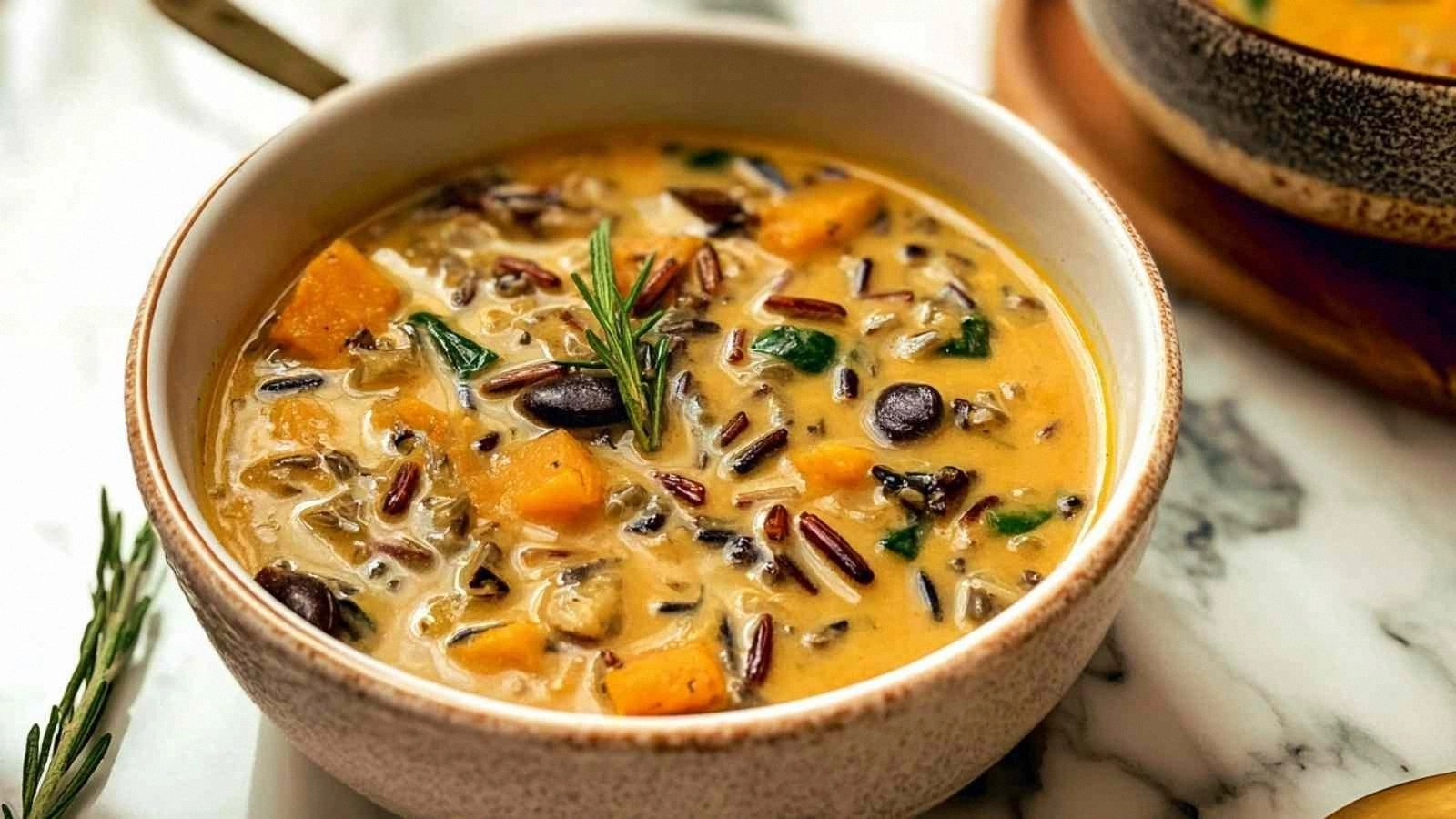
The first thing that caught my eye was the vibrant orange of the pumpkin purée, glistening like molten amber. As soon as I lifted the ladle, the air filled with a sweet, earthy aroma that made my mouth water. The sound of the simmering broth was a soft, comforting hiss, like a gentle lullaby. I could almost taste the mellow sweetness of the pumpkin, the subtle peppery bite of the fresh kale, and the creamy richness of coconut milk, all mingling together. If you’ve ever struggled to bring pumpkin out of the pantry and into the spotlight, you’re not alone — and I’ve got the fix.
This version of pumpkin wild rice soup is hands down the best you’ll ever make at home because it balances flavors and textures with surgical precision. The wild rice adds a nutty crunch that contrasts the silky pumpkin, while the coconut milk smooths the edges and lifts the soup to a velvety finish. The fresh sage infuses a whisper of herbal brightness that keeps the dish from feeling too sweet or heavy. And the chickpeas give a protein punch that makes this soup a hearty main course. The result is a bowl that feels comforting, yet sophisticated enough to impress even the most discerning palate.
Picture yourself pulling this out of the pot, the whole kitchen smelling incredible, and the steam rising in golden ribbons. The first spoonful is a warm hug, the second a revelation, and the third? Pure joy. The secret? A small but mighty technique: lightly sauté the aromatics until they caramelize just enough to release their natural sweetness, then let the pumpkin puree mingle with the broth before adding the wild rice. That subtle step unlocks layers of flavor that most recipes miss. Let me walk you through every single step — by the end, you'll wonder how you ever made it any other way.
What Makes This Version Stand Out
- Taste: The pumpkin purée is roasted to a deep caramel, providing a natural sweetness that balances the earthy wild rice.
- Texture: The wild rice offers a satisfying chew, while the coconut milk gives a creamy, smooth mouthfeel.
- Simplicity: Every ingredient is pantry-friendly, and the cooking process takes less than an hour.
- Uniqueness: The addition of chickpeas and kale turns this into a protein‑rich, veggie‑packed bowl.
- Crowd Reaction: Guests rave about the “wow factor” of the sage and the unexpected crunch.
- Ingredient Quality: Using fresh sage and high‑quality coconut milk elevates the flavor profile.
- Cooking Method: A single pot technique ensures minimal cleanup and maximum flavor integration.
- Make‑Ahead Potential: The soup keeps its integrity after refrigeration or freezing.
Alright, let's break down exactly what goes into this masterpiece…
Inside the Ingredient List
The Flavor Base
Olive oil is the first to meet the heat, acting as a silent conductor that brings all the flavors together. It coats the onions, carrots, and celery, allowing them to soften and release their natural sugars without burning. If you skip the oil, the vegetables will stick to the pot and develop a bitter edge. A small drizzle of oil also helps the sage and bay leaf release their aromatic oils, which is essential for that subtle herbal backdrop.
The onion is the heart of the base, providing sweetness and depth. Cutting it into thin, uniform pieces ensures even cooking and a balanced flavor. If you prefer a sharper bite, leave the outer layers intact and slice the core thinner. The onion’s caramelization is key; it should look golden and fragrant before moving on.
Garlic adds a punch of warmth. Crushing the cloves before sautéing releases the allicin, giving the soup a bright, almost citrusy kick. Too much garlic can dominate, so keep it modest. A quick blanch in hot water before adding to the pot can mellow its sharpness if you’re sensitive.
The Texture Crew
Wild rice is the star of the texture department. Its chewy bite contrasts the smoothness of the pumpkin and coconut milk, giving the soup a satisfying mouthfeel. Cook it until it’s tender yet still retains a slight bite; overcooked rice will lose its character. If you’re short on time, pre‑soak the rice for an hour before cooking.
Baby bella mushrooms bring umami and a subtle earthiness. Slice them evenly so they cook uniformly. Sauté them until they release their moisture and brown slightly, creating a richer broth. Skipping the mushrooms will make the soup feel thin and less complex.
Chickpeas add a protein boost and a gentle, nutty flavor. Rinse them well to remove any canning liquid that might alter the taste. If using canned chickpeas, drain and rinse; if using dried, soak overnight and boil until tender. The chickpeas should be soft but still hold their shape.
The Unexpected Star
Kale is the green that brightens the dish. Chop it into bite‑sized pieces, and wilt it in the broth at the end, so it keeps a bright green color. Kale’s slightly bitter note balances the sweetness of the pumpkin, adding a layer of complexity. If you prefer a milder taste, use baby kale or substitute with spinach.
Fresh sage is a game‑changer. Its earthy, peppery flavor adds depth without overpowering. Use whole sprigs so you can remove them before serving. If fresh sage is unavailable, a pinch of dried sage will work, but the aroma will be less pronounced.
The Final Flourish
Coconut milk brings creaminess and a subtle tropical note that lifts the soup. Use full‑fat coconut milk for the richest texture. The milk should be added after the rice is cooked, so it doesn’t curdle. If you prefer a lighter version, replace half the coconut milk with vegetable broth.
Seasoning is the final touch. Fine sea salt and freshly‑ground black pepper should be added at the end of cooking to preserve their freshness. The salt balances the sweetness, while the pepper adds a gentle heat. If you’re watching sodium, use a low‑sodium broth and adjust accordingly.
Everything’s prepped? Good. Let’s get into the real action…
The Method — Step by Step
- Step 1: Heat a large pot over medium heat. Add the olive oil and let it shimmer. Toss in the diced onion, carrots, and celery. Stir until the vegetables begin to soften, about 5 minutes. The smell should be sweet and inviting.
- Step 2: Add the garlic cloves, sautéing for 30 seconds until fragrant. Be careful not to let them burn. The garlic should release a bright aroma that mingles with the vegetables. This is the moment of truth.
- Step 3: Stir in the sliced mushrooms. Cook until they release liquid and brown slightly, about 4 minutes. The mushrooms should look glossy and aromatic. This step adds depth to the broth.
- Step 4: Pour in the vegetable broth, pumpkin purée, and bay leaf. Bring the mixture to a gentle boil, then reduce to a simmer. The soup should bubble softly, not a rolling boil. This is where the flavors start to marry.
- Step 5: Add the wild rice and stir. Let the mixture simmer for 20 minutes, stirring occasionally. The rice should absorb the broth and soften. If the soup thickens too much, add a splash of water.
- Step 6: Stir in the chickpeas, coconut milk, and sage sprig. Simmer for an additional 5 minutes. The coconut milk should coat the rice and chickpeas, creating a silky coating. The sage will release its aroma.
- Step 7: Add the kale, season with salt and pepper. Cook until the kale wilts, about 3 minutes. The kale should remain bright green and tender. The soup should look thick and creamy.
- Step 8: Remove the pot from heat. Take out the sage sprig. Taste and adjust seasoning if necessary. The soup should be rich, slightly sweet, and balanced by a hint of pepper. Plate hot, garnish with a drizzle of coconut milk or a sprinkle of pumpkin seeds if desired.
That's it — you did it. But hold on, I've got a few more tricks that'll take this to another level…
Insider Tricks for Flawless Results
The Temperature Rule Nobody Follows
Many cooks keep the heat high for the entire process, but the secret is to start medium, then lower to a gentle simmer. This slow approach allows the flavors to meld without the broth evaporating too quickly. If you keep the heat too high, the wild rice will overcook and become mushy. I’ve tried it, and the texture was ruined.
Why Your Nose Knows Best
As the soup simmers, trust your nose. When the pumpkin aroma becomes sweet and the mushrooms give off a deep, earthy scent, you’re in the sweet spot. If the smell is too sharp or metallic, lower the heat. Your nose is the best judge of flavor balance.
The 5-Minute Rest That Changes Everything
After removing the pot from the stove, let the soup sit for five minutes before serving. This pause allows the flavors to settle and the rice to absorb any remaining liquid. I’ve seen bowls that are too watery; this rest fixes that. It also gives the kale a chance to fully wilt.
Sautéing the Aromatics in a Dry Pan
This is the top tip that many overlook. By sautéing onions, carrots, celery, and garlic in a dry pan first, you caramelize them without adding extra oil. The result is a deeper, sweeter base that elevates the entire soup. I swear by this trick; it’s a game changer.
The Secret of Fresh Sage
Fresh sage has a more vibrant flavor than dried. If you’re using dried sage, reduce the quantity by half, as it’s more potent. Fresh sage also releases its oils more quickly, so add it early to infuse the broth. This small change can make a big difference in taste.
Balancing Creaminess and Lightness
If you want a lighter soup, swap half of the coconut milk with low‑fat Greek yogurt. This keeps the creamy texture while cutting calories. Make sure the yogurt is added at the end, off the heat, to avoid curdling. The result is a silky, tangy soup that still feels indulgent.
Creative Twists and Variations
This recipe is a playground. Here are some of my favorite ways to switch things up:
Spicy Pumpkin Kick
Add a pinch of cayenne pepper or a splash of hot sauce during step 4. The heat will cut through the sweetness, giving the soup a lively edge. Perfect for a cozy winter night.
Mediterranean Flair
Swap the coconut milk for a splash of white wine and finish with a drizzle of olive oil. Add a handful of chopped sun‑dried tomatoes for a burst of umami. The result is a Mediterranean‑inspired soup with a pumpkin twist.
Vegan Comfort
Use a plant‑based protein like tofu cubes or tempeh instead of chickpeas. Marinate the tofu in soy sauce and maple syrup before adding. It adds a savory depth while keeping the dish entirely vegan.
Pomegranate Glaze
Finish the soup with a splash of pomegranate molasses. The tangy sweetness will complement the pumpkin and add a pop of color. Serve with a sprinkle of toasted pumpkin seeds for crunch.
Herb Garden Boost
Add fresh thyme, rosemary, or oregano during step 6. The herbs will give the soup a fragrant, earthy layer. Combine them with sage for a herby bouquet that elevates the dish.
Storing and Bringing It Back to Life
Fridge Storage
Cool the soup to room temperature before covering it with an airtight container. Store in the refrigerator for up to 4 days. The flavors will deepen, so reheating will be even more delicious.
Freezer Friendly
Divide the soup into individual portions in freezer‑safe containers or zip‑lock bags. Freeze for up to 3 months. When ready, thaw overnight in the fridge or microwave on low power.
Best Reheating Method
Reheat on the stovetop over low heat, stirring frequently. Add a splash of water or broth if the soup thickens. This gentle method preserves the creamy texture and prevents scorching.