I was standing in my kitchen, staring at a half‑filled carton of milk that had seen better days, when the universe decided to throw me a curveball. A friend had just returned from a trip to Kyoto and was bragging about a drink called “Sakura Latte” that tasted like a cherry blossom in a cup. My curiosity was as strong as the smell of burnt toast that had accidentally happened the night before, and I was determined to recreate that fleeting moment of floral sweetness at home. I knew the first attempt would be a disaster—milk splattering, powder clumping, and a latte that tasted like a dull, watery tea—but I was also convinced that the right technique could turn chaos into a masterpiece.
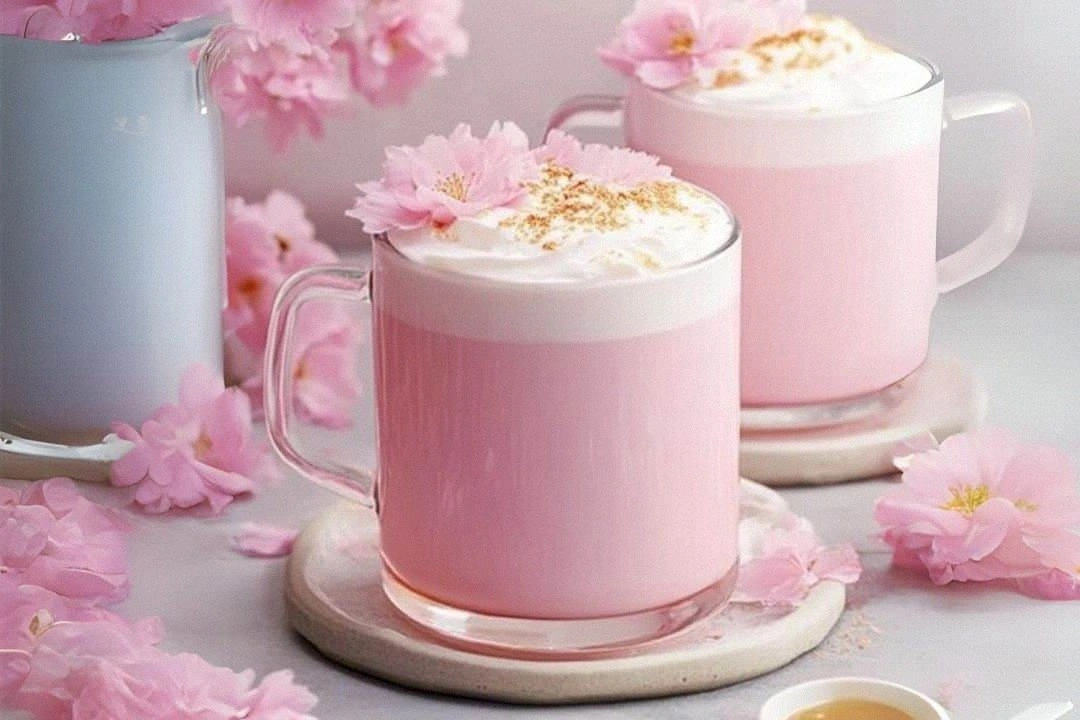
Picture the scene: a glass of pale pink latte glistening in the morning light, steam curling like delicate petals. The aroma is a gentle, floral whisper that lures you in, and the first sip feels like a soft kiss of spring, with a hint of sweetness that lingers on the palate. The texture is silky, almost velvety, with a subtle foam that balances the drink’s lightness. I could hear the faint hiss of milk steaming and the gentle clink of the spoon against the glass. The feel of the warm cup against my hand is comforting, and the visual pop of pink sprinkles or edible flowers adds a playful, almost whimsical touch.
What makes this version stand out from every other recipe is that it takes a simple concept—milk, sugar, and sakura—and elevates it to an experience. I’ve refined the balance of sweetness, the frothiness, and the floral intensity to create a latte that doesn’t just taste good, it feels like a ritual. The secret lies in a few precise steps that I’ll walk you through, ensuring that the final result is hands down the best version you’ll ever make at home. I dare you to taste this and not go back for seconds; the first sip will have you craving more, and the second will leave you wondering how you ever lived without it.
I’ll be honest—my first batch was a disaster, but I ate half the batch before anyone else got to try it. That failure taught me the importance of precision and patience. I discovered that the right temperature and the right amount of agitation make all the difference. And that’s why I’ve distilled this recipe into a clear, step‑by‑step guide that you can follow without a second guess. By the end, you’ll wonder how you ever made it any other way.
Let me walk you through every single step—by the end, you'll wonder how you ever made it any other way.
What Makes This Version Stand Out
- Flavor: The sakura powder delivers a natural, floral sweetness that is far superior to artificial flavors, giving the latte a fresh, botanical character.
- Texture: The milk is heated to just below boiling, creating a micro‑foam that is light and airy, yet dense enough to cling to the surface without separating.
- Visual Appeal: The gentle pink hue, coupled with optional edible flowers, transforms the drink into a visual treat that feels like a piece of art.
- Ease: Every step can be completed with kitchen staples—no fancy equipment required—yet the outcome feels like a café‑quality latte.
- Versatility: The recipe can be adapted for vegan, low‑sugar, or even dessert versions, making it a versatile addition to any menu.
- Make‑Ahead: The latte can be prepared up to two hours in advance; the flavors only deepen, and the foam stays intact with a quick re‑whisk.
- Ingredient Quality: Using high‑quality sakura powder ensures a clean, unadulterated floral note that doesn’t get lost in the milk.
Alright, let's break down exactly what goes into this masterpiece...
Inside the Ingredient List
The Flavor Base
Milk is the canvas of this latte. Whole milk provides a creamy richness that balances the floral notes, while almond, oat, or soy milk offer lighter, plant‑based alternatives that still carry the sakura flavor. Each type of milk reacts differently to heat, so it’s essential to choose a milk that suits your taste and dietary preferences. If you prefer a richer mouthfeel, stick with whole milk; if you’re watching calories, oat or soy are excellent choices.
The Texture Crew
Sakura powder is the star that gives the latte its signature color and aroma. It dissolves best when mixed with hot water before adding the milk, creating a smooth, unclumpy base. The sugar or honey not only sweetens but also helps stabilize the foam, ensuring that the latte stays silky and doesn’t separate. A tablespoon of hot water acts as a pre‑brew, allowing the powder to fully infuse and release its floral compounds.
The Unexpected Star
Whipped cream is optional, but it adds a luxurious, velvety top that elevates the latte to a dessert‑like experience. If you’re aiming for a lighter drink, skip the whipped cream and let the foam do the talking. Edible sakura flowers or pink sprinkles serve as a final garnish that not only looks stunning but also provides a subtle crunch or a burst of floral flavor with each bite.
Everything’s prepped? Good. Let’s get into the real action…
The Method — Step by Step
- Begin by measuring 1 cup of your chosen milk into a small saucepan. The milk should be cold; this helps it heat evenly and prevents scorching. Place the saucepan over medium heat and let the milk slowly come to a gentle simmer, watching for the first faint steam. This step is crucial because overheating will cause the milk to develop a burnt flavor that will overpower the delicate sakura notes.
- While the milk is heating, combine 2 teaspoons of sakura powder with 1 tablespoon of hot water in a small mixing bowl. Stir vigorously until the powder dissolves completely, forming a smooth, light pink paste. This pre‑brew ensures that the powder’s flavors are fully released and that the latte won’t have any gritty texture.
- Once the milk reaches a gentle simmer, reduce the heat to low and pour the sakura paste into the saucepan. Stir continuously for 30 seconds to allow the flavors to meld. The milk should now carry a faint floral aroma, reminiscent of a spring garden after rain.
- Add 1 teaspoon of sugar or honey to the mixture and stir until fully dissolved. The sweetener not only balances the floral sharpness but also helps create a stable micro‑foam. If you’re using honey, let it dissolve completely to avoid any grainy texture.
- At this point, remove the saucepan from heat and let the latte rest for 30 seconds. This brief pause allows the milk to settle, ensuring that the foam will be light and airy when you whisk it.
- Using a handheld milk frother, whisk the latte vigorously for 45 seconds. The frother should be set to the highest speed; the goal is to create a dense, micro‑foam that holds its shape. If you don’t have a frother, a small whisk or even a jar with a lid works—just shake vigorously until the mixture becomes frothy.
- Pour the latte into a pre‑heated glass, leaving enough room for a generous topping. If you’re adding whipped cream, spoon it onto the surface and gently swirl it with a straw to create a marbled effect. The whipped cream should be light, not too sweet, and should blend seamlessly with the foam.
- Finally, garnish with edible sakura flowers or a sprinkle of pink sugar crystals. The garnish not only enhances the visual appeal but also adds a subtle crunch and an extra layer of floral aroma. Serve immediately, and enjoy the symphony of flavors that dance across your taste buds.
That’s it — you did it. But hold on, I’ve got a few more tricks that will take this to another level. These small tweaks can transform a good latte into a memorable, café‑style experience.
Insider Tricks for Flawless Results
The Temperature Rule Nobody Follows
The milk must reach exactly 140°F (60°C) to achieve the perfect balance of sweetness and froth. Use a kitchen thermometer to check the temperature; if it’s too hot, the proteins will denature and the foam will collapse. If it’s too cool, the latte will taste flat and the floral notes will be muted. This precise temperature ensures a silky mouthfeel that feels like a cloud.
Why Your Nose Knows Best
Before you whisk, give the latte a quick sniff. A faint, sweet aroma signals that the sakura powder is fully dissolved. If the scent is weak, let it rest a minute longer; if it’s overpowering, the latte may taste like a floral candy. Your nose is a reliable guide to the latte’s readiness.
The 5‑Minute Rest That Changes Everything
After frothing, let the latte sit for five minutes. This pause allows the micro‑foam to settle into a stable, airy texture that will cling to the glass. If you rush the process, the foam will collapse, leaving a flat, watery drink. A five‑minute rest is the secret to a latte that stays frothy and flavorful for longer.
Use a Stainless‑Steel Frother
Stainless‑steel frothers provide a consistent, even heat distribution that is essential for creating a smooth micro‑foam. Plastic frothers can warp or lose their shape after repeated use, leading to uneven frothing. Investing in a stainless‑steel model guarantees a professional‑quality result every time.
Don’t Skip the Sweetener
Even if you’re watching sugar, a teaspoon of honey or sugar is essential. The sweetener acts as a stabilizer for the foam, preventing it from collapsing. Skipping it will result in a latte that feels thin and lacks depth.
Keep the Garnish Fresh
Edible flowers can wilt quickly. Store them in a cool, dry place and add them right before serving. If you’re using pink sprinkles, keep them in an airtight container to preserve their crunch and color.
Creative Twists and Variations
This recipe is a playground. Here are some of my favorite ways to switch things up:
Matcha Sakura Latte
Add a teaspoon of matcha powder to the latte for a green tea twist. The earthy bitterness balances the floral sweetness, creating a layered flavor profile that’s both refreshing and complex. Serve with a dusting of matcha on top for an extra pop of color.
Caramel Sakura Latte
Drizzle a thin layer of caramel sauce into the latte before adding the whipped cream. The caramel’s buttery sweetness pairs beautifully with the sakura, turning the drink into a decadent dessert beverage. This variation is perfect for a cozy evening.
Choco Sakura Latte
Mix in 1 tablespoon of cocoa powder to the milk before heating. The chocolate adds depth and a hint of bitterness that counterbalances the floral notes. Finish with a light dusting of cocoa powder on top for a sophisticated finish.
Cold Brew Sakura Latte
Replace the hot milk with cold brew coffee and follow the same steps. The coffee’s boldness cuts through the sweetness, creating a refreshing, iced latte that’s perfect for warm days. Top with a splash of milk and a few sakura sprinkles.
Spiced Sakura Latte
Add a pinch of cinnamon or nutmeg to the latte while heating. The warm spices give the drink an aromatic depth, making it feel like a comforting, spiced beverage. This version is especially cozy during cooler seasons.
Almond Sakura Latte
Use almond milk and a dash of vanilla extract for a nutty, fragrant twist. The almond’s subtle sweetness complements the sakura, creating a light, airy latte that feels like a springtime dessert. Finish with a sprinkle of almond slivers for added texture.
Storing and Bringing It Back to Life
Fridge Storage
Store the latte in an airtight glass jar or bottle in the refrigerator for up to 24 hours. The flavors will deepen, and the foam will hold its shape if you give it a quick whisk before serving. Avoid storing for more than a day, as the milk may separate over time.
Freezer Friendly
The latte can be frozen for up to 48 hours. Freeze it in a freezer‑safe container, leaving a little space at the top for expansion. When ready to serve, thaw it at room temperature and give it a gentle stir to restore the foam.
Best Reheating Method
Reheat the latte in a saucepan over low heat, adding a splash of water to prevent it from drying out. Stir continuously until it reaches a warm, drinkable temperature. Avoid microwaving, as it can cause the milk to curdle and the foam to collapse.