Picture this: a rainy Thursday evening, the kind where the sky looks like someone spilled a bucket of charcoal over the city, and you’re stuck in a kitchen that smells like burnt toast and desperation. I had just attempted the classic brown gravy I’d seen on a cooking show, only to end up with a gloopy, bitter swamp that could have doubled as a shoe polish. I stared at the pan, the kitchen timer buzzing like a tiny alarm clock, and thought, “I dare you to taste this and not go back for seconds.” That moment of culinary defeat sparked a fire in me, and I promised myself I would never settle for a gravy that tastes like regret again.
Fast forward a few weeks, and I’m standing over a skillet that’s humming with the sound of butter melting into a golden pool, the aroma already whispering promises of umami and comfort. The secret? A daring dash of Hawaiian-inspired ingredients that turn a humble brown gravy into a tropical hug for your taste buds. I’m talking about the sweet tang of ketchup, the depth of Worcestershire, the salty kiss of soy sauce, and a splash of heavy cream that makes the sauce silkier than a silk sheet on a summer night. This isn’t just a sauce; it’s a love letter to comfort food, a passport to a beachside luau without leaving your dining room.
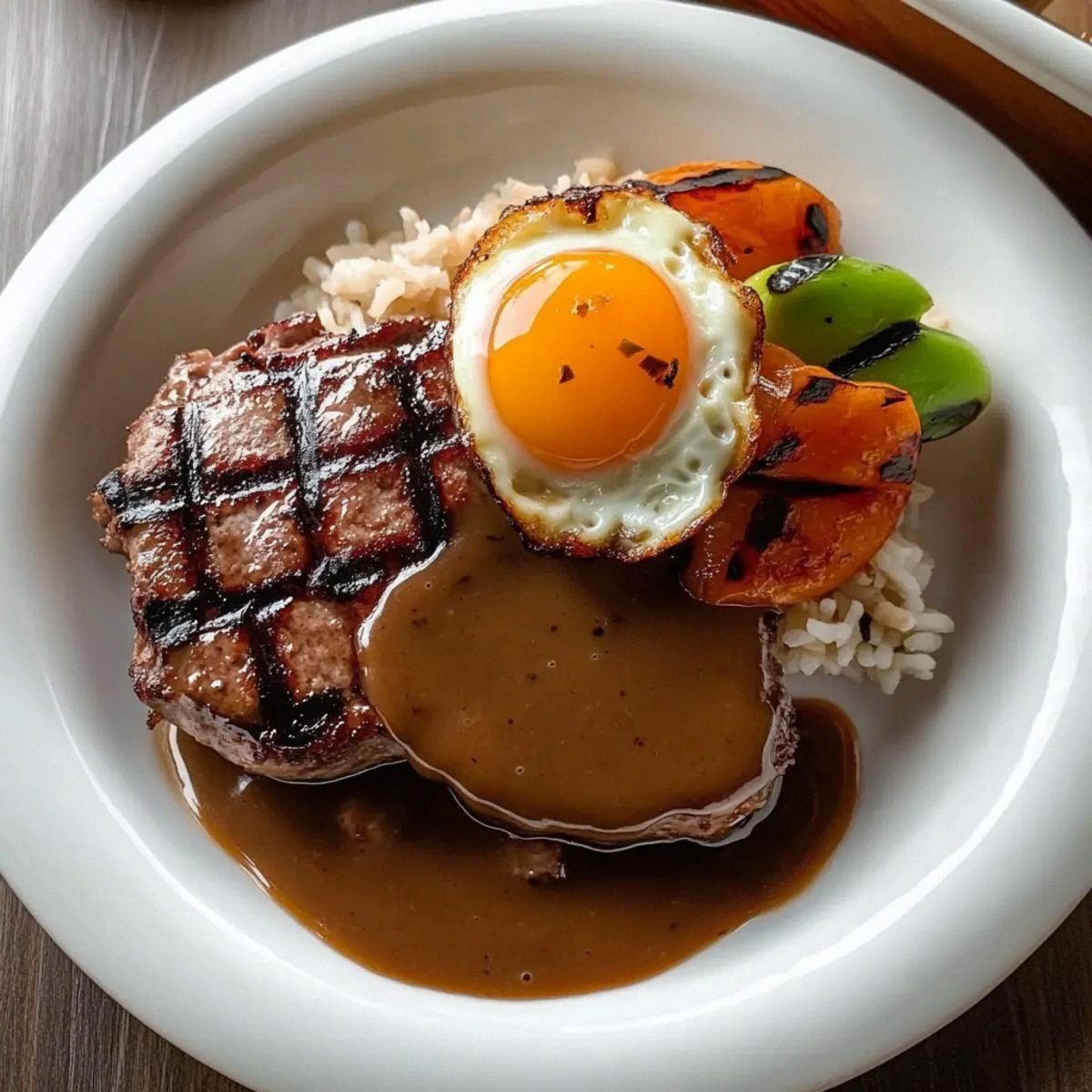
Most recipes get this completely wrong. They either drown the gravy in too much soy sauce, turning it into a salty brine, or they skip the butter altogether, leaving it dry and lifeless. Here’s what actually works: start with a butter‑flour roux that’s cooked just enough to lose the raw flour bite but not so long that it becomes a nutty disaster. Then, coax the beef stock into the mix, letting it thicken slowly while you whisper sweet nothings to it in the form of sugar and ketchup. The result is a sauce that coats a steak like velvet, clings to mashed potatoes like a loyal sidekick, and makes even the simplest rice feel like a five‑star entrée.
Okay, ready for the game‑changer? I’ll be honest — I ate half the batch before anyone else got to try it, because once you taste that perfect balance of sweet, salty, and creamy, you’ll understand why. In this post, I’m spilling every secret, from the exact moment the roux should turn a light caramel to the precise temperature that makes the cream swirl in without curdling. Let me walk you through every single step — by the end, you’ll wonder how you ever made it any other way.
What Makes This Version Stand Out
- Flavor Fusion: The marriage of ketchup’s bright acidity with soy sauce’s deep umami creates a taste profile that’s both familiar and exotic, making every bite a surprise party for your palate.
- Silky Texture: Heavy cream is folded in at the very end, turning the gravy from a simple sauce into a luxurious blanket that clings to each morsel without being greasy.
- Simplicity: Only nine ingredients, all pantry staples, mean you won’t need a trip to the specialty store to achieve gourmet results.
- Ingredient Quality: Using real butter instead of margarine and a good-quality beef stock elevates the dish from “just okay” to “hands down the best version you’ll ever make at home.”
- Crowd Reaction: This gravy has a reputation for disappearing from the table faster than you can say “second helping,” a testament to its addictive nature.
- Make‑Ahead Potential: It stores beautifully, gaining even more depth after a night in the fridge, so you can prep it ahead of a big dinner and simply reheat.
- Versatility: Perfect on steaks, mashed potatoes, roasted vegetables, or even as a dipping sauce for fried chicken—its adaptability is unmatched.
- Visual Appeal: The glossy, deep brown hue looks as good as it tastes, turning even a humble plate into a visual feast.
Inside the Ingredient List
The Flavor Base
Butter is the foundation of any good gravy. Its fat content carries flavor and creates a velvety mouthfeel. Using four tablespoons ensures there’s enough richness without making the sauce overly heavy. If you’re looking for a dairy‑free alternative, try a high‑quality plant‑based butter, but expect a slightly different depth.
All‑purpose flour, measured at a quarter cup, is the thickening hero. It forms a roux with the butter, giving the gravy its body. Skipping this step or using too much flour will either leave you with a watery mess or a gummy texture that clings to the spoon like a bad habit.
The Texture Crew
Beef stock provides the savory backbone. Two cups of a well‑reduced stock (or even a high‑quality store‑bought version) deliver the meaty depth that defines a classic brown gravy. If you’re vegetarian, swap it for mushroom broth; the earthiness will still shine through.
Ketchup adds a sweet‑tart punch that balances the saltiness of soy and Worcestershire. Its acidity also helps to brighten the overall flavor, preventing the gravy from feeling too heavy. Use a good-quality ketchup with real tomatoes for the best result.
The Unexpected Star
Sugar, at two tablespoons, isn’t just for sweetness; it helps to caramelize the roux, adding a subtle depth that you’ll taste as a faint, caramel‑like note. If you’re watching sugar intake, you can reduce it to one tablespoon, but the flavor complexity will slightly diminish.
Worcestershire sauce brings a complex blend of vinegar, anchovies, and spices that adds umami richness. One tablespoon is enough to make the gravy sing without overpowering the other ingredients.
Soy sauce, with its salty, fermented goodness, is the secret that gives this gravy its Hawaiian twist. Two tablespoons provide the perfect salty counterpoint to the sweetness of ketchup and sugar.
The Final Flourish
Heavy cream, added at the very end, transforms the gravy from a simple sauce to a luxurious coating. Half a cup is ideal; it adds richness without making the gravy cloying. If you prefer a lighter version, you can substitute half‑and‑half, but the texture will be less silky.
Pepper, freshly cracked, adds a gentle heat and aromatic finish. It’s the final touch that brings everything together. Add to taste, but remember that the soy sauce already contributes salt, so a modest pinch is usually sufficient.
Everything's prepped? Good. Let's get into the real action...

The Method — Step by Step
Start by melting the four tablespoons of butter in a heavy‑bottomed saucepan over medium heat. As the butter foams, listen for that gentle sizzle—that’s the sound of flavor beginning to develop. Let it melt completely, but don’t let it brown; we want a clean, golden base.
Kitchen Hack: Use a silicone spatula to stir the butter; it gives you better control and prevents scorching.Once the butter is fully melted, sprinkle the quarter cup of all‑purpose flour over it. Whisk continuously for about two minutes. You’ll notice the mixture turning a light caramel color and the aroma shifting from raw flour to toasted nuts. This is the roux, and it’s the cornerstone of your gravy’s texture.
Now, slowly pour in the two cups of beef stock while whisking vigorously. The key is to add the liquid gradually, allowing each splash to be fully incorporated before the next. You’ll see the mixture thickening, and a faint steam will rise, indicating it’s reaching the perfect consistency.
Introduce the quarter cup of ketchup, two tablespoons of sugar, one tablespoon of Worcestershire sauce, and two tablespoons of soy sauce. Stir until everything is fully blended. At this point, the gravy should have a deep, mahogany hue and a sweet‑savory fragrance that makes your kitchen feel like a Hawaiian luau.
Let the gravy simmer gently for five minutes, uncovered. This allows the flavors to meld and the sauce to reduce slightly, intensifying the taste. Keep an eye on the edges; they should start pulling away from the pan, a visual cue that the roux is fully cooked.
Watch Out: If the gravy starts to stick to the bottom, lower the heat immediately and whisk more vigorously to prevent scorching.Turn off the heat and stir in the half cup of heavy cream. This is the moment of truth—the cream should swirl in effortlessly, turning the gravy into a glossy, velvety finish. If you notice any lumps, give it a quick whisk; the cream will smooth everything out.
Season with freshly cracked pepper to taste. Remember, the soy sauce already adds salt, so a modest pinch is enough. Taste the gravy now; if you crave a touch more sweetness, add a teaspoon of sugar, but most likely you’ll find it perfectly balanced.
For an extra layer of depth, I like to finish with a drizzle of a high‑quality olive oil or a pat of butter right before serving. This adds a subtle sheen and a buttery aroma that makes the gravy truly unforgettable.
Transfer the gravy to a warmed serving bowl, and let it sit for a minute so the flavors settle. Then, ladle it over your favorite dish—whether it’s a juicy steak, fluffy mashed potatoes, or a bowl of rice. Picture yourself pulling this out of the oven, the whole kitchen smelling incredible, and the first spoonful melting in your mouth. That’s the magic you’ve just created.
That's it — you did it. But hold on, I've got a few more tricks that'll take this to another level...
Insider Tricks for Flawless Results
The Temperature Rule Nobody Follows
Keep your stovetop on medium‑low when whisking the roux. Too high a heat will brown the flour too quickly, giving a bitter taste. By staying in the sweet spot, you’ll get that perfect light caramel color without any burnt notes. I once tried cranking the heat, and the gravy tasted like burnt toast—lesson learned.
Why Your Nose Knows Best
Before you even taste the gravy, trust your nose. When the sauce starts to emit a nutty, toasted aroma, you know the roux is ready. If the scent is still raw flour, keep whisking a bit longer. Your olfactory senses are a more reliable gauge than a timer.
The 5‑Minute Rest That Changes Everything
After you’ve finished cooking, let the gravy rest uncovered for five minutes. This short pause lets the flavors marry and the sauce thicken just a touch more. I used to serve it immediately, and the texture was a bit thin; the rest period fixes that.
Stirring Secrets
Use a whisk, not a spoon, for the majority of the cooking process. A whisk creates a vortex that prevents lumps and ensures an even consistency. If you’re in a hurry, a balloon whisk works best because its shape captures more air, giving the gravy a lighter mouthfeel.
Seasoning at the End
Always finish seasoning after the cream is added. Adding salt or pepper too early can cause the flavors to become muted once the cream dilutes them. A final taste test ensures you hit that perfect balance of salty, sweet, and umami.
Creative Twists and Variations
This recipe is a playground. Here are some of my favorite ways to switch things up:
Spicy Island Heat
Add a teaspoon of sriracha or a pinch of crushed red pepper flakes when you stir in the soy sauce. The heat pairs beautifully with the sweet ketchup, creating a balanced kick that’s perfect for those who love a little fire.
Garlic‑Infused Delight
Sauté two minced garlic cloves in the butter before adding the flour. The garlic will mellow into the roux, adding a fragrant depth that complements the beef stock wonderfully.
Mushroom‑Lover’s Version
Swap half of the beef stock for mushroom broth and add a handful of finely chopped sautéed mushrooms. This adds earthiness and makes the gravy an excellent companion for vegetarian dishes.
Creamy Coconut Twist
Replace the heavy cream with an equal amount of coconut milk for a tropical twist. The coconut adds a subtle sweetness and a hint of island flavor that pairs surprisingly well with the soy sauce.
Herbaceous Finish
Stir in a tablespoon of freshly chopped thyme or rosemary right before serving. The herbs add a fresh, aromatic layer that brightens the rich base.
Umami Boost
Mix in a teaspoon of miso paste with the soy sauce. This deepens the umami profile, making the gravy even more savory and satisfying.
Storing and Bringing It Back to Life
Fridge Storage
Transfer the cooled gravy to an airtight container and store it in the refrigerator for up to three days. The flavors will continue to meld, making it taste even better on day two. When reheating, add a splash of water or stock to restore its silky texture.
Freezer Friendly
For longer storage, pour the gravy into a freezer‑safe bag, flatten it, and freeze for up to two months. Thaw overnight in the fridge, then gently reheat on the stove, whisking in a tablespoon of water to bring back that glossy finish.
Best Reheating Method
Reheat the gravy over low heat, whisking constantly. If it looks too thick, drizzle in a tiny splash of water or stock—this steams it back to perfection without diluting the flavor.