
Cumberland Sausage Casserole
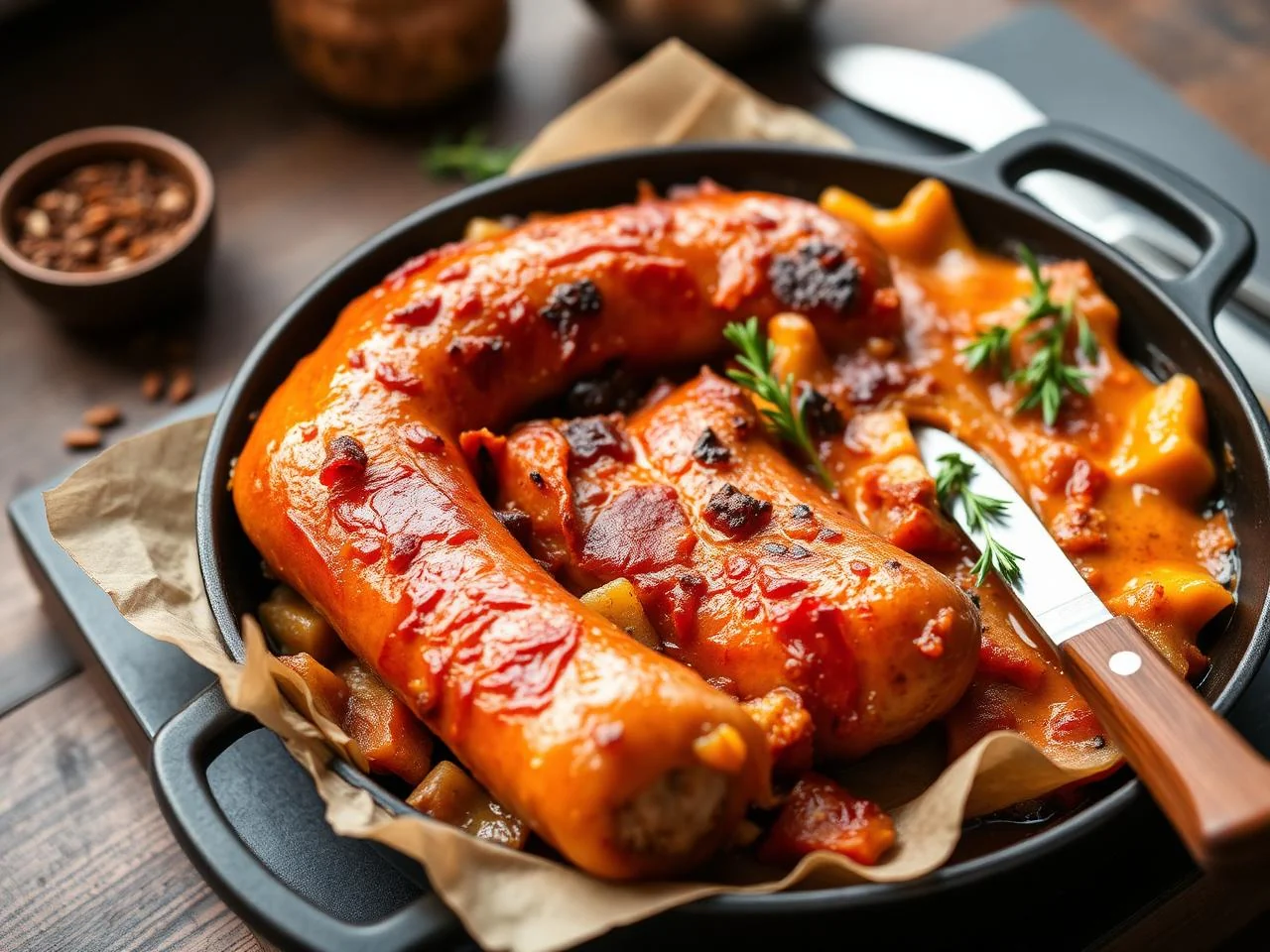
As a home cook, I've always been drawn to the warmth and comfort of a well-crafted casserole. There's something special about gathering around the table with loved ones, sharing a meal that's been slow-cooked to perfection. For me, Cumberland Sausage Casserole is more than just a recipe - it's a family tradition, passed down through generations of cooks who've perfected the art of combining tender sausage, crispy bacon, and fresh vegetables in a rich, satisfying dish.
I remember the first time I made this casserole, the aroma that filled my kitchen was incredible. The sizzling of the bacon, the browning of the sausage, and the gentle simmer of the vegetables all combined to create a sensory experience that left everyone wanting more. It was then that I knew I had to share this recipe with others, to spread the joy of cooking and the love of good food.
This recipe is special because it's a true reflection of my passion for cooking and my commitment to using only the freshest, highest-quality ingredients. From the tender Cumberland sausages to the crispy bacon and the colorful vegetables, every component of this dish has been carefully selected to create a harmonious balance of flavors and textures.
Whether you're a seasoned cook or just starting out, this recipe is perfect for anyone looking to create a delicious, comforting meal that's sure to become a family favorite. So why not give it a try? Gather your loved ones around the table, and let the warmth and love of this Cumberland Sausage Casserole bring you all closer together.
In this recipe, I'll guide you through the process of creating a truly exceptional casserole, one that's sure to impress even the most discerning palates. From the initial preparation to the final presentation, I'll share my tips and tricks for making this dish truly unforgettable. So let's get started, and let the cooking begin!
Why You’ll Love This Recipe
- This recipe is easy to make and requires minimal preparation, making it perfect for a weeknight dinner.
- The combination of Cumberland sausage, bacon, and vegetables creates a flavorful and satisfying dish that's sure to please even the most discerning palates.
- This casserole is a great way to feed a crowd, and can be easily scaled up or down to suit your needs.
- The slow-cooking process allows the flavors to meld together, creating a deep, satisfying flavor profile that's sure to become a favorite.
- This recipe is perfect for a cold winter's night, when a warm, comforting meal is just what you need to brighten up your day.
- The dish is also versatile, and can be served with a variety of sides, from mashed potatoes to roasted vegetables, making it a great option for any occasion.
Why This Recipe Works
The key to a great Cumberland Sausage Casserole lies in the balance of flavors and textures. By combining the rich, meaty flavor of the sausages with the crispy, smoky bacon and the tender, slightly caramelized vegetables, we create a dish that's greater than the sum of its parts. The slow-cooking process allows the flavors to meld together, creating a deep, satisfying flavor profile that's sure to please even the most discerning palates.
Another important aspect of this recipe is the use of high-quality ingredients. By selecting the freshest, most flavorful components, we ensure that our casserole is not only delicious but also visually appealing. The vibrant colors of the vegetables, the golden-brown crust on the sausages, and the crispy texture of the bacon all combine to create a dish that's as pleasing to the eye as it is to the palate.
Finally, the cooking technique itself plays a crucial role in the success of this recipe. By cooking the casserole slowly, over low heat, we allow the flavors to develop and the ingredients to tenderize, creating a dish that's both comforting and satisfying. Whether you're cooking for a crowd or just a few, this recipe is sure to become a favorite, and one that you'll return to again and again.
So what makes this recipe truly special? For me, it's the combination of traditional techniques with modern flavors and ingredients. By taking the classic concept of a casserole and updating it with fresh, vibrant components, we create a dish that's both familiar and exciting, comforting and innovative. This is a recipe that's sure to become a staple in your kitchen, one that you'll return to again and again, and one that's sure to delight your family and friends.
Ingredients You’ll Need
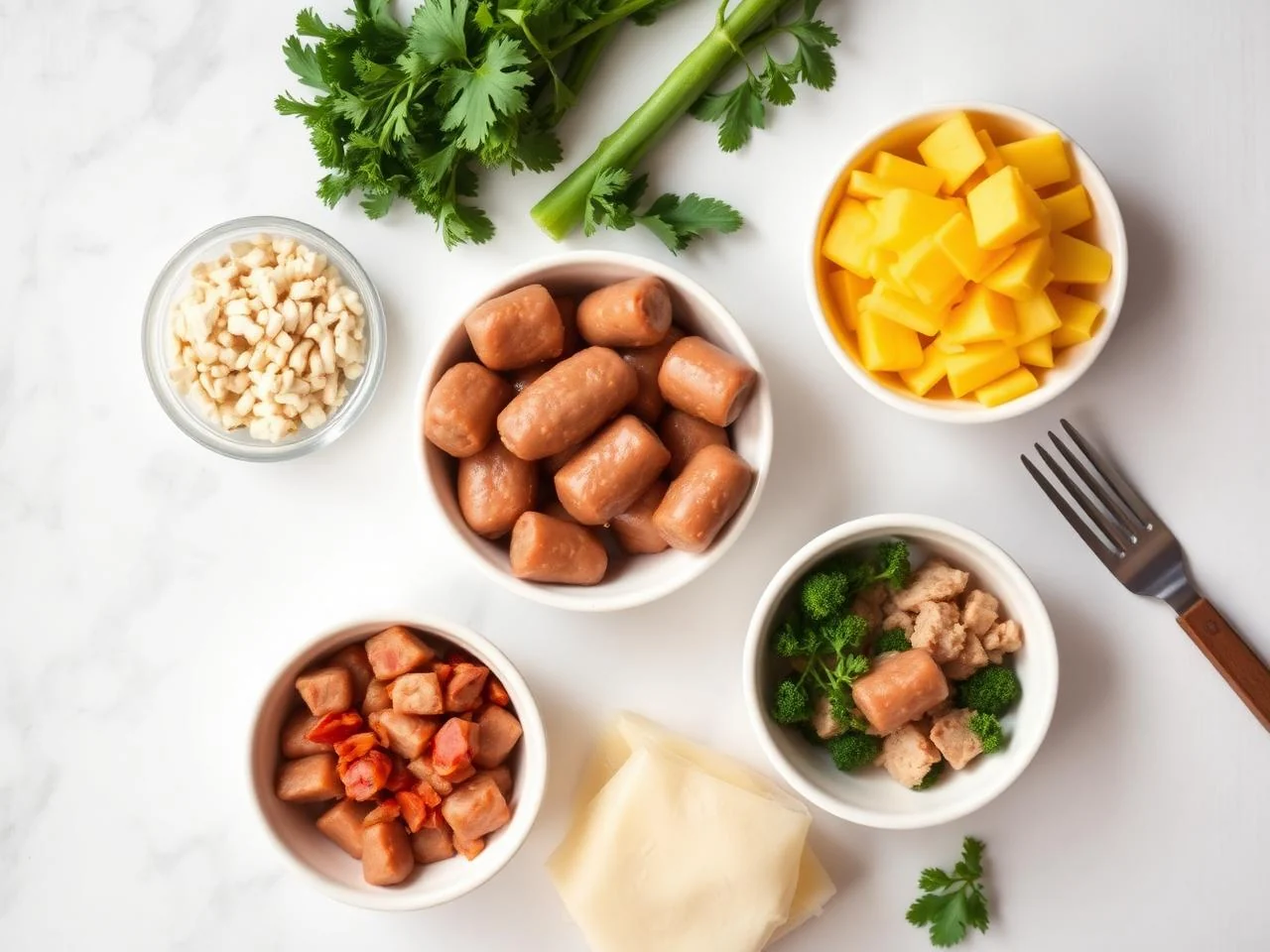
When it comes to making a great Cumberland Sausage Casserole, the ingredients are just as important as the technique. You'll want to select the freshest, highest-quality components, from the tender Cumberland sausages to the crispy bacon and the colorful vegetables. In this recipe, we'll be using a combination of traditional ingredients, such as onions, carrots, and potatoes, along with some more modern flavors, like garlic and thyme, to create a dish that's both familiar and exciting.
One of the key ingredients in this recipe is the Cumberland sausage. Look for sausages that are made with high-quality pork and have a good balance of flavor and texture. You'll also want to select a variety of colorful vegetables, such as carrots, potatoes, and onions, to add depth and visual appeal to the dish. Finally, don't forget the bacon - a few slices of crispy, smoky bacon can make all the difference in the flavor and texture of the casserole.
- 1 lb (450g) Cumberland sausagesLook for sausages that are made with high-quality pork and have a good balance of flavor and texture. You can also use other types of sausage, such as pork or chorizo, if you prefer.
- 6 slices of baconSelect a variety of bacon that is smoked or cured, as this will add a deeper flavor to the casserole. You can also use pancetta or prosciutto if you prefer.
- 2 medium onions, choppedChoose onions that are fresh and have a good balance of flavor and texture. You can also use shallots or scallions if you prefer.
- 3 cloves of garlic, mincedSelect garlic that is fresh and has a good balance of flavor and aroma. You can also use garlic powder or garlic salt if you prefer.
- 2 medium carrots, peeled and choppedChoose carrots that are fresh and have a good balance of flavor and texture. You can also use parsnips or turnips if you prefer.
- 2 medium potatoes, peeled and choppedSelect potatoes that are high in starch, such as Russet or Idaho, as these will yield a fluffier texture. You can also use sweet potatoes or yams if you prefer.
- 1 cup of chicken brothUse a low-sodium broth to avoid adding too much salt to the dish. You can also use beef or vegetable broth if you prefer.
- 1/2 cup of heavy creamSelect a high-quality cream that is fresh and has a good balance of flavor and texture. You can also use half-and-half or whole milk if you prefer.
- 2 tbsp of olive oilChoose an olive oil that is fresh and has a good balance of flavor and aroma. You can also use avocado oil or grapeseed oil if you prefer.
- 1 tsp of dried thymeSelect a high-quality thyme that is fresh and has a good balance of flavor and aroma. You can also use rosemary or sage if you prefer.
- Salt and pepper to tasteUse a high-quality salt and pepper to add depth and flavor to the dish. You can also use other seasonings, such as paprika or garlic powder, if you prefer.
Equipment You’ll Need
How to Make Cumberland Sausage Casserole
- 1Preheat your oven to 350°F (180°C). While the oven is heating up, cook the bacon in a large skillet over medium heat, stirring occasionally, until crispy and golden brown, about 6-8 minutes. Remove the bacon from the skillet and set aside on a paper towel-lined plate.
- 2Add the chopped onions to the same skillet and cook, stirring occasionally, until they are softened and translucent, about 5-7 minutes. Add the minced garlic and cook for an additional 1-2 minutes, until fragrant.
- 3Add the chopped carrots and potatoes to the skillet and cook, stirring occasionally, until they are tender and lightly browned, about 10-12 minutes. Season with salt, pepper, and thyme, and stir to combine.
- 4Add the Cumberland sausages to the skillet and cook, stirring occasionally, until browned on all sides and cooked through, about 5-7 minutes. Remove the sausages from the skillet and set aside with the bacon.
- 5Add the chicken broth and heavy cream to the skillet and bring to a simmer. Scrape up any browned bits from the bottom of the skillet and stir to combine. Reduce the heat to low and let simmer for 5-7 minutes, until the sauce has thickened slightly.
- 6In a large casserole dish, combine the cooked sausages, bacon, and vegetables. Pour the sauce over the top and stir to combine.
- 7Cover the casserole dish with aluminum foil and bake for 25-30 minutes, until the casserole is hot and the sauce is bubbly. Remove the foil and continue baking for an additional 10-15 minutes, until the top is golden brown and the casserole is cooked through.
- 8Remove the casserole from the oven and let it rest for 10-15 minutes before serving. This will allow the flavors to meld together and the casserole to cool slightly.
- 9Serve the casserole hot, garnished with chopped fresh herbs and a side of crusty bread or roasted vegetables. Enjoy!
- 10To make ahead, prepare the casserole through step 6, then cover and refrigerate for up to 24 hours or freeze for up to 3 months. Bake as directed, adding an additional 10-15 minutes to the cooking time if frozen.
- 11To reheat, cover the casserole with aluminum foil and bake in a preheated oven at 350°F (180°C) for 20-25 minutes, until hot and bubbly.
Expert Tips
- Use high-quality ingredients, such as fresh vegetables and flavorful sausages, to ensure the best flavor and texture.
- Don't overcook the casserole, as this can result in dry, tough meat and vegetables. Instead, cook until the casserole is hot and the sauce is bubbly, then let it rest for 10-15 minutes before serving.
- Add a variety of seasonings, such as paprika or garlic powder, to the casserole to give it an extra boost of flavor.
- Use a mixture of chicken broth and heavy cream to create a rich, creamy sauce that complements the flavors of the sausages and vegetables.
- Let the casserole rest for 10-15 minutes before serving, as this will allow the flavors to meld together and the casserole to cool slightly.
- Serve the casserole with a side of crusty bread or roasted vegetables to add texture and flavor to the dish.
- Experiment with different types of sausage, such as chorizo or Italian sausage, to give the casserole a unique flavor and texture.
- Add some diced bell peppers or mushrooms to the casserole for extra flavor and nutrition.
Common Mistakes to Avoid
- Overcooking the casserole, resulting in dry, tough meat and vegetables.
- Not using high-quality ingredients, such as fresh vegetables and flavorful sausages, which can result in a lackluster flavor and texture.
- Not letting the casserole rest for 10-15 minutes before serving, which can result in a casserole that is too hot and difficult to serve.
- Not using a mixture of chicken broth and heavy cream to create a rich, creamy sauce, which can result in a casserole that is too dry and lacking in flavor.
- Not adding a variety of seasonings, such as paprika or garlic powder, to the casserole, which can result in a casserole that is too bland and uninteresting.
- Not serving the casserole with a side of crusty bread or roasted vegetables, which can add texture and flavor to the dish.
Variations and Substitutions
- Use different types of sausage, such as chorizo or Italian sausage, to give the casserole a unique flavor and texture.
- Add some diced bell peppers or mushrooms to the casserole for extra flavor and nutrition.
- Use a mixture of chicken broth and wine to create a rich, flavorful sauce.
- Add some grated cheese, such as cheddar or parmesan, to the casserole for extra flavor and creaminess.
- Use a variety of herbs and spices, such as thyme or rosemary, to give the casserole a unique flavor and aroma.
- Serve the casserole with a side of mashed potatoes or roasted vegetables for a hearty, comforting meal.
- Make individual servings of the casserole in ramekins or small baking dishes for a fun and easy meal.
What to Serve With Cumberland Sausage Casserole
This Cumberland Sausage Casserole is a hearty, comforting dish that's perfect for a cold winter's night. Serve it with a side of crusty bread or roasted vegetables for a well-rounded meal. You can also serve it with a side salad or a bowl of soup for a lighter option.
Some other ideas for serving this casserole include serving it with a side of mashed potatoes or roasted root vegetables, or serving it with a side of steamed broccoli or green beans. You could also serve it with a side of cornbread or biscuits for a fun and easy meal.
Make-Ahead, Storage, Freezing and Reheating
This Cumberland Sausage Casserole can be made ahead and refrigerated or frozen for later use. To make ahead, prepare the casserole through step 6, then cover and refrigerate for up to 24 hours or freeze for up to 3 months.
To reheat, cover the casserole with aluminum foil and bake in a preheated oven at 350°F (180°C) for 20-25 minutes, until hot and bubbly. You can also reheat the casserole in the microwave, but be careful not to overheat, as this can result in a dry, tough casserole.
When reheating the casserole, make sure to check the internal temperature to ensure that it reaches a safe minimum of 165°F (74°C). You can use a food thermometer to check the internal temperature, or you can check for doneness by inserting a fork or knife into the casserole. If the casserole is hot and the sauce is bubbly, it's ready to serve.
It's also important to note that you should always reheat the casserole to an internal temperature of at least 165°F (74°C) to ensure food safety. You should also make sure to reheat the casserole within a few days of refrigeration or freezing, as this will help to prevent the growth of bacteria and other microorganisms.
Frequently Asked Questions
What type of sausage should I use for this recipe?
You can use any type of sausage you like, but Cumberland sausage is traditional and works well. You can also use chorizo or Italian sausage for a different flavor.
Can I make this recipe ahead of time?
Yes, you can make this recipe ahead of time and refrigerate or freeze it for later use. Simply prepare the casserole through step 6, then cover and refrigerate for up to 24 hours or freeze for up to 3 months.
How do I reheat the casserole?
To reheat the casserole, cover it with aluminum foil and bake in a preheated oven at 350°F (180°C) for 20-25 minutes, until hot and bubbly. You can also reheat the casserole in the microwave, but be careful not to overheat.
What side dishes go well with this recipe?
This casserole goes well with a variety of side dishes, such as crusty bread, roasted vegetables, mashed potatoes, or a side salad.
Can I use different types of vegetables in this recipe?
Yes, you can use different types of vegetables in this recipe, such as bell peppers, mushrooms, or zucchini. Simply chop the vegetables and add them to the casserole in step 3.
How do I know when the casserole is done?
The casserole is done when it's hot and the sauce is bubbly. You can also check the internal temperature to ensure that it reaches a safe minimum of 165°F (74°C).
Can I freeze the casserole for later use?
Yes, you can freeze the casserole for later use. Simply prepare the casserole through step 6, then cover and freeze for up to 3 months. To reheat, thaw the casserole overnight in the refrigerator, then bake in a preheated oven at 350°F (180°C) for 20-25 minutes, until hot and bubbly.
What is the internal temperature of the casserole when it's done?
The internal temperature of the casserole should be at least 165°F (74°C) when it's done. You can use a food thermometer to check the internal temperature.
Ingredients
- 1 lb (450g) Cumberland sausages
- 6 slices of bacon
- 2 medium onions, chopped
- 3 cloves of garlic, minced
- 2 medium carrots, peeled and chopped
- 2 medium potatoes, peeled and chopped
- 1 cup of chicken broth
- 1/2 cup of heavy cream
- 2 tbsp of olive oil
- 1 tsp of dried thyme
- Salt and pepper to taste
Instructions
- Preheat your oven to 350°F (180°C). While the oven is heating up, cook the bacon in a large skillet over medium heat, stirring occasionally, until crispy and golden brown, about 6-8 minutes. Remove the bacon from the skillet and set aside on a paper towel-lined plate.
- Add the chopped onions to the same skillet and cook, stirring occasionally, until they are softened and translucent, about 5-7 minutes. Add the minced garlic and cook for an additional 1-2 minutes, until fragrant.
- Add the chopped carrots and potatoes to the skillet and cook, stirring occasionally, until they are tender and lightly browned, about 10-12 minutes. Season with salt, pepper, and thyme, and stir to combine.
- Add the Cumberland sausages to the skillet and cook, stirring occasionally, until browned on all sides and cooked through, about 5-7 minutes. Remove the sausages from the skillet and set aside with the bacon.
- Add the chicken broth and heavy cream to the skillet and bring to a simmer. Scrape up any browned bits from the bottom of the skillet and stir to combine. Reduce the heat to low and let simmer for 5-7 minutes, until the sauce has thickened slightly.
- In a large casserole dish, combine the cooked sausages, bacon, and vegetables. Pour the sauce over the top and stir to combine.
- Cover the casserole dish with aluminum foil and bake for 25-30 minutes, until the casserole is hot and the sauce is bubbly. Remove the foil and continue baking for an additional 10-15 minutes, until the top is golden brown and the casserole is cooked through.
- Remove the casserole from the oven and let it rest for 10-15 minutes before serving. This will allow the flavors to meld together and the casserole to cool slightly.
- Serve the casserole hot, garnished with chopped fresh herbs and a side of crusty bread or roasted vegetables. Enjoy!
- To make ahead, prepare the casserole through step 6, then cover and refrigerate for up to 24 hours or freeze for up to 3 months. Bake as directed, adding an additional 10-15 minutes to the cooking time if frozen.
- To reheat, cover the casserole with aluminum foil and bake in a preheated oven at 350°F (180°C) for 20-25 minutes, until hot and bubbly.