Chinese Style Pork Ribs
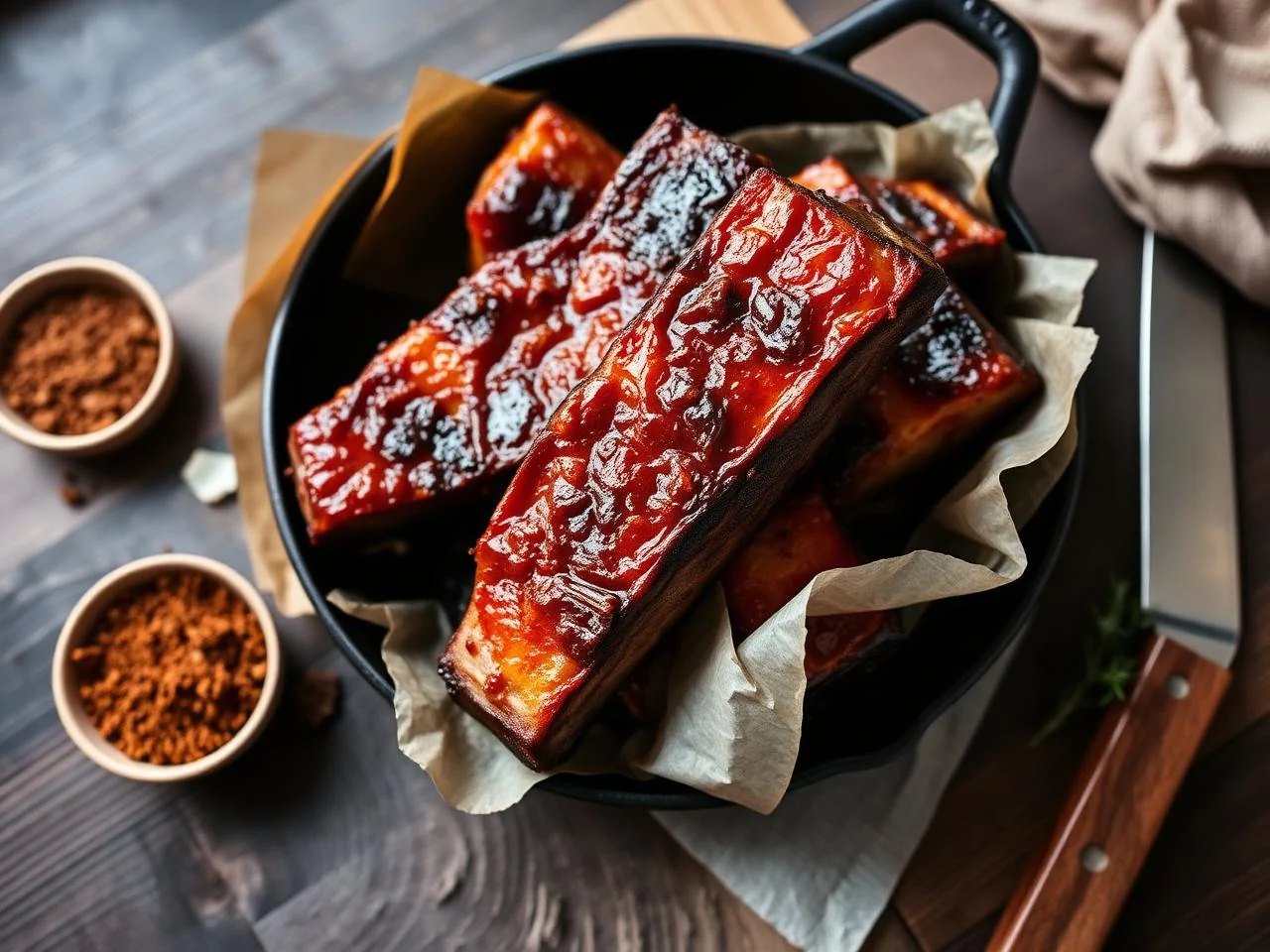
I still remember the first time I tried Chinese Style Pork Ribs at a family gathering. The combination of tender meat, crispy exterior, and savory sauce was love at first bite. Since then, I've been experimenting with different recipes to recreate that magic in my own kitchen.
After months of trial and error, I finally perfected my Chinese Style Pork Ribs recipe. It's a game-changer for anyone who loves comfort food with an Asian twist. The best part? It's surprisingly easy to make, even for a beginner.
In this recipe, we'll dive into the world of Chinese-style barbecue, where pork ribs are slow-cooked to perfection in a sweet and savory sauce. We'll explore the importance of marinating, the technique of low-and-slow cooking, and the secret to achieving that perfect glaze.
Whether you're a seasoned cook or just starting out, this recipe is perfect for a weekend dinner or a special occasion. So, let's get started and discover the magic of Chinese Style Pork Ribs!
One of the things I love about this recipe is its versatility. You can serve it with a variety of sides, from steamed vegetables to fried rice, and it's always a hit. Plus, the leftovers are amazing, so don't be afraid to make a big batch and enjoy it throughout the week.
Why You’ll Love This Recipe
- This recipe is easy to make and requires minimal preparation.
- The flavors are rich and complex, with a perfect balance of sweet and savory.
- The dish is perfect for a crowd, as it serves 4-6 people and can be easily scaled up or down.
- The leftovers are amazing, and can be enjoyed for days after cooking.
- The recipe is versatile, and can be served with a variety of sides and garnishes.
- The technique of low-and-slow cooking is easy to master, and can be applied to a variety of other dishes.
Why This Recipe Works
The key to making great Chinese Style Pork Ribs is in the layers of flavor. We start with a marinade that combines soy sauce, hoisin sauce, and five-spice powder, which adds depth and complexity to the meat. Then, we slow-cook the ribs in a mixture of stock, sugar, and vinegar, which breaks down the connective tissues and creates a tender, fall-off-the-bone texture.
The sauce is also crucial, as it adds a sweet and sticky glaze to the ribs. We use a combination of hoisin sauce, soy sauce, and honey, which caramelizes beautifully during the cooking process. The result is a dish that's both savory and sweet, with a perfect balance of flavors.
Another important aspect of this recipe is the technique of low-and-slow cooking. By cooking the ribs at a low temperature for a long period, we can break down the connective tissues and create a tender, juicy texture. This is especially important for pork ribs, which can be tough and chewy if not cooked properly.
Ingredients You’ll Need
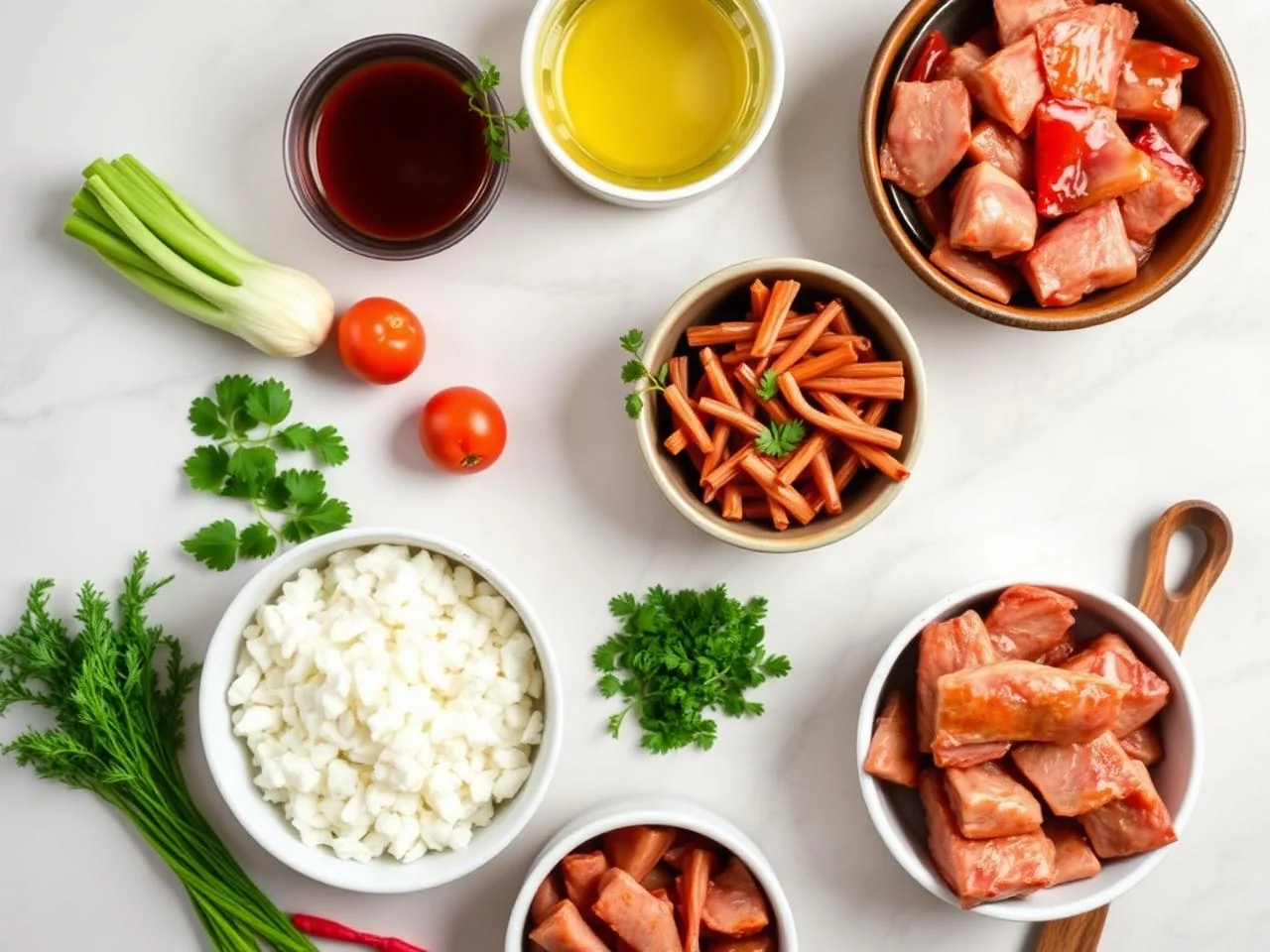
When it comes to making Chinese Style Pork Ribs, the ingredients are just as important as the technique. We'll be using a combination of pantry staples, such as soy sauce and hoisin sauce, along with some fresh ingredients like ginger and garlic. Be sure to choose high-quality ingredients, as they will make a big difference in the final dish.
In particular, look for pork ribs that are meaty and have a good balance of fat and lean meat. This will help to create a tender and juicy texture, and will also add flavor to the dish. You can find pork ribs at most supermarkets, or at a local butcher.
- 2 pounds pork ribsLook for meaty ribs with a good balance of fat and lean meat. You can use either baby back ribs or spare ribs, depending on your preference.
- 1/4 cup soy sauceUse a high-quality soy sauce that is low in sodium and has a rich, savory flavor.
- 1/4 cup hoisin sauceHoisin sauce is a sweet and savory condiment made from soybeans, fruits, and spices. It adds a deep, complex flavor to the dish.
- 2 tablespoons brown sugarBrown sugar adds a rich, caramel-like flavor to the dish. You can also use white sugar or honey, depending on your preference.
- 2 tablespoons rice vinegarRice vinegar is a mild, slightly sweet vinegar that helps to balance the flavors in the dish. You can also use apple cider vinegar or white wine vinegar.
- 2 tablespoons vegetable oilUse a neutral-tasting oil like vegetable or canola oil. You can also use peanut oil or avocado oil for added flavor.
- 2 cloves garlic, mincedGarlic adds a pungent, savory flavor to the dish. You can also use shallots or scallions for added flavor.
- 1 tablespoon grated fresh gingerFresh ginger adds a bright, spicy flavor to the dish. You can also use ground ginger or ginger paste.
- 1 teaspoon five-spice powderFive-spice powder is a blend of spices that adds a warm, aromatic flavor to the dish. You can also use individual spices like cinnamon, cloves, and star anise.
- 1/2 teaspoon saltUse a high-quality salt that is low in sodium and has a rich, savory flavor.
- 1/4 teaspoon black pepperBlack pepper adds a sharp, pungent flavor to the dish. You can also use white pepper or Sichuan pepper for added flavor.
Equipment You’ll Need
How to Make Chinese Style Pork Ribs
- 1Preheat your oven to 300°F (150°C).
- 2In a large bowl, whisk together soy sauce, hoisin sauce, brown sugar, rice vinegar, garlic, ginger, five-spice powder, salt, and black pepper.
- 3Add the pork ribs to the marinade and toss to coat. Cover the bowl with plastic wrap and refrigerate for at least 2 hours or overnight.
- 4Remove the ribs from the marinade and place them on a large baking sheet lined with aluminum foil. Drizzle with vegetable oil and toss to coat.
- 5Bake the ribs for 2 hours, or until they are tender and lightly browned.
- 6While the ribs are baking, prepare the sauce. In a small saucepan, combine hoisin sauce, soy sauce, brown sugar, and rice vinegar. Bring the mixture to a boil over medium-high heat, then reduce the heat to medium-low and simmer for 5 minutes.
- 7After 2 hours of baking, brush the ribs with the sauce and continue to bake for an additional 10-15 minutes, or until the sauce is caramelized and the ribs are sticky.
- 8Remove the ribs from the oven and let them rest for 5-10 minutes before serving.
- 9To serve, cut the ribs into individual portions and garnish with sliced scallions and sesame seeds.
- 10Serve the ribs with steamed vegetables, fried rice, or noodles for a complete meal.
- 11Leftovers can be refrigerated for up to 3 days or frozen for up to 2 months. Reheat the ribs in the oven or on the stovetop until they are heated through.
Expert Tips
- Use a meat thermometer to ensure that the ribs are cooked to a safe internal temperature of 145°F (63°C).
- Let the ribs rest for at least 5-10 minutes before serving to allow the juices to redistribute.
- Use a wire rack to elevate the ribs above the baking sheet, which helps to promote even cooking and prevent the ribs from steaming instead of browning.
- Don't overcrowd the baking sheet, as this can prevent the ribs from cooking evenly. Cook the ribs in batches if necessary.
- For a spicy kick, add a few dashes of hot sauce to the sauce before brushing it onto the ribs.
- To add some crunch to the dish, top the ribs with toasted sesame seeds or chopped scallions before serving.
- Experiment with different types of sugar, such as honey or maple syrup, to add a unique flavor to the dish.
- For a more intense flavor, use a higher-quality soy sauce or hoisin sauce.
Common Mistakes to Avoid
- Not letting the ribs rest for long enough, which can cause the meat to be tough and dry.
- Overcrowding the baking sheet, which can prevent the ribs from cooking evenly.
- Not using a meat thermometer, which can result in undercooked or overcooked ribs.
- Not whisking the sauce properly, which can cause it to be lumpy or uneven.
- Not letting the sauce simmer for long enough, which can result in a thin or watery sauce.
- Not using a wire rack to elevate the ribs, which can cause them to steam instead of brown.
Variations and Substitutions
- Use different types of protein, such as chicken or beef, for a unique twist on the dish.
- Add some heat to the dish by incorporating spicy ingredients, such as hot sauce or red pepper flakes.
- Experiment with different types of sugar, such as honey or maple syrup, to add a unique flavor to the dish.
- Use a variety of spices, such as cumin or coriander, to add depth and complexity to the dish.
- Add some freshness to the dish by incorporating herbs, such as cilantro or parsley.
- Use a different type of vinegar, such as apple cider vinegar or balsamic vinegar, to add a unique flavor to the dish.
- Serve the ribs with a side of pickled vegetables, such as cucumbers or carrots, for a tangy and refreshing contrast.
What to Serve With Chinese Style Pork Ribs
Serve the Chinese Style Pork Ribs with a variety of sides, such as steamed vegetables, fried rice, or noodles. You can also serve them with a side of pickled vegetables, such as cucumbers or carrots, for a tangy and refreshing contrast.
For a complete meal, try serving the ribs with a side of stir-fried vegetables, such as broccoli or bell peppers, and a bowl of steamed rice. You can also serve them with a side of egg rolls or dumplings for a fun and crispy snack.
Make-Ahead, Storage, Freezing and Reheating
Leftover Chinese Style Pork Ribs can be refrigerated for up to 3 days or frozen for up to 2 months. To reheat, simply place the ribs in the oven or on the stovetop until they are heated through.
To freeze, place the ribs in a single layer on a baking sheet and put them in the freezer until they are frozen solid. Then, transfer the ribs to a freezer-safe bag or container and store them in the freezer for up to 2 months.
To reheat frozen ribs, simply place them in the oven or on the stovetop until they are heated through. You can also reheat them in the microwave, but be careful not to overcook them.
When reheating, make sure to check the internal temperature of the ribs to ensure that they are heated to a safe temperature of 145°F (63°C). You can use a meat thermometer to check the internal temperature.
Frequently Asked Questions
What type of pork ribs should I use for this recipe?
You can use either baby back ribs or spare ribs for this recipe. Baby back ribs are leaner and more tender, while spare ribs are meatier and more flavorful.
How long should I marinate the ribs for?
You should marinate the ribs for at least 2 hours or overnight. The longer you marinate, the more flavorful the ribs will be.
What is the internal temperature of the ribs when they are cooked?
The internal temperature of the ribs should be at least 145°F (63°C) when they are cooked. You can use a meat thermometer to check the internal temperature.
Can I make this recipe in a slow cooker?
Yes, you can make this recipe in a slow cooker. Simply brown the ribs in a skillet, then place them in the slow cooker with the sauce and cook on low for 8-10 hours.
Can I make this recipe ahead of time?
Yes, you can make this recipe ahead of time. Simply cook the ribs and sauce, then refrigerate or freeze them until you are ready to serve. Reheat the ribs in the oven or on the stovetop until they are heated through.
What type of sides should I serve with the ribs?
You can serve the ribs with a variety of sides, such as steamed vegetables, fried rice, or noodles. You can also serve them with a side of pickled vegetables, such as cucumbers or carrots, for a tangy and refreshing contrast.
Can I use a different type of protein for this recipe?
Yes, you can use a different type of protein for this recipe. Simply substitute the pork ribs with your preferred protein, such as chicken or beef, and adjust the cooking time accordingly.
How do I store leftover ribs?
Leftover ribs can be refrigerated for up to 3 days or frozen for up to 2 months. To reheat, simply place the ribs in the oven or on the stovetop until they are heated through.
Ingredients
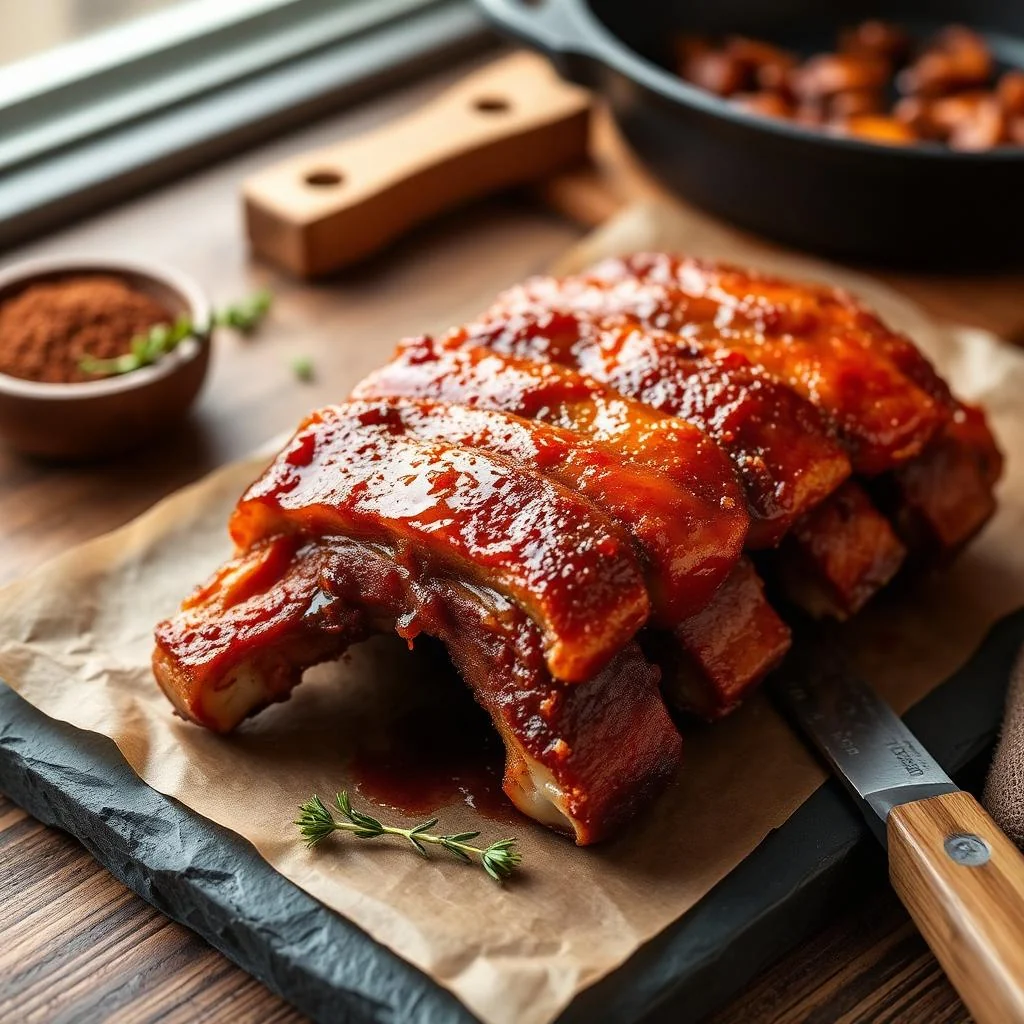
- 2 pounds pork ribs
- 1/4 cup soy sauce
- 1/4 cup hoisin sauce
- 2 tablespoons brown sugar
- 2 tablespoons rice vinegar
- 2 tablespoons vegetable oil
- 2 cloves garlic, minced
- 1 tablespoon grated fresh ginger
- 1 teaspoon five-spice powder
- 1/2 teaspoon salt
- 1/4 teaspoon black pepper
Instructions
- Preheat your oven to 300°F (150°C).
- In a large bowl, whisk together soy sauce, hoisin sauce, brown sugar, rice vinegar, garlic, ginger, five-spice powder, salt, and black pepper.
- Add the pork ribs to the marinade and toss to coat. Cover the bowl with plastic wrap and refrigerate for at least 2 hours or overnight.
- Remove the ribs from the marinade and place them on a large baking sheet lined with aluminum foil. Drizzle with vegetable oil and toss to coat.
- Bake the ribs for 2 hours, or until they are tender and lightly browned.
- While the ribs are baking, prepare the sauce. In a small saucepan, combine hoisin sauce, soy sauce, brown sugar, and rice vinegar. Bring the mixture to a boil over medium-high heat, then reduce the heat to medium-low and simmer for 5 minutes.
- After 2 hours of baking, brush the ribs with the sauce and continue to bake for an additional 10-15 minutes, or until the sauce is caramelized and the ribs are sticky.
- Remove the ribs from the oven and let them rest for 5-10 minutes before serving.
- To serve, cut the ribs into individual portions and garnish with sliced scallions and sesame seeds.
- Serve the ribs with steamed vegetables, fried rice, or noodles for a complete meal.
- Leftovers can be refrigerated for up to 3 days or frozen for up to 2 months. Reheat the ribs in the oven or on the stovetop until they are heated through.