Skillet Roast Pork Chops
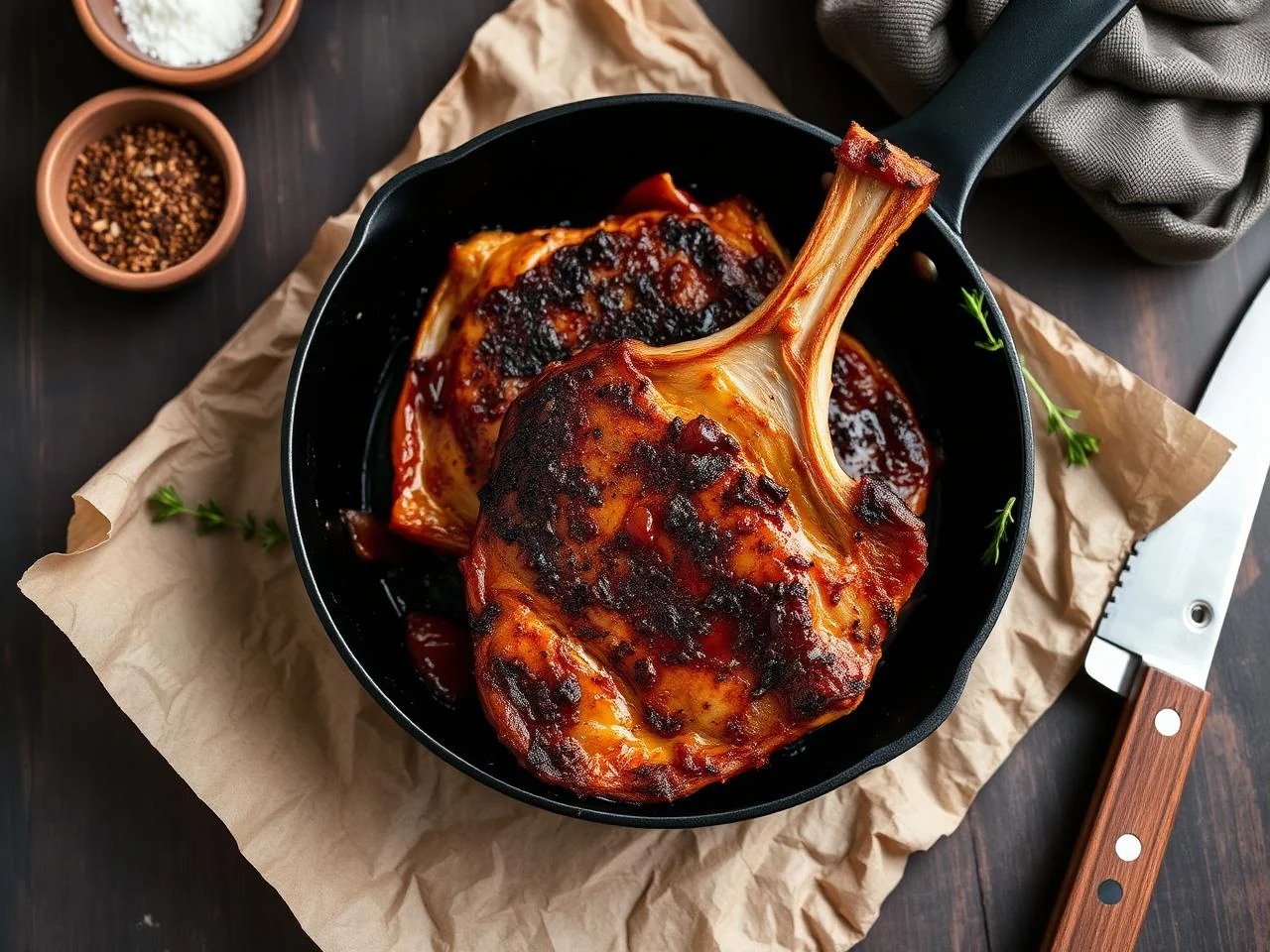
There's something special about a warm, comforting meal that brings the family together, and for me, that meal is often centered around a delicious skillet roast pork chops recipe. I remember Sunday afternoons spent around my grandmother's table, where the aroma of slow-cooked pork filled the air, making our mouths water in anticipation. Today, I'm excited to share with you my own take on this classic dish, one that combines the tenderness of pork with the smokiness of bacon, all in the convenience of a skillet.
The beauty of skillet roast pork chops lies in their simplicity. With a few quality ingredients and some basic cooking techniques, you can achieve a meal that's not only flavorful but also visually appealing. The key is in the balance of flavors and textures - the crunch of the bacon, the tender juiciness of the pork, and the slight char from the skillet all come together to create a dish that's greater than the sum of its parts.
This recipe is perfect for a weeknight dinner or a special occasion. It's easy to make and requires minimal supervision, allowing you to prepare other aspects of your meal while the pork cooks to perfection. Whether you're a seasoned cook or just starting out, you'll find that skillet roast pork chops are a versatile and rewarding dish to prepare.
In the following pages, we'll dive into the details of how to make this recipe, from selecting the right ingredients to finishing the dish with a flourish. We'll explore the techniques that make skillet roast pork chops so special, and I'll share some of my favorite tips and variations to help you make the recipe your own.
So, let's get started on this culinary journey, and by the end of it, you'll be equipped with the knowledge and confidence to create a truly unforgettable skillet roast pork chops dish that will become a staple in your household.
Why You’ll Love This Recipe
- This recipe is easy to make and requires minimal supervision, making it perfect for busy weeknights.
- The combination of pork and bacon creates a rich, savory flavor profile that's sure to please even the pickiest eaters.
- Skillet roast pork chops are a versatile dish that can be served with a variety of sides, from mashed potatoes to roasted vegetables.
- The recipe is budget-friendly, using affordable ingredients to create a meal that feels like a special occasion.
- It's a great make-ahead dish, as the pork can be cooked and refrigerated or frozen for later use.
- The dish is crowd-pleasing, making it ideal for family gatherings or dinner parties.
- The technique used in this recipe can be applied to other cuts of meat, making it a valuable skill to have in your culinary repertoire.
Why This Recipe Works
The success of skillet roast pork chops can be attributed to a combination of factors, starting with the selection of high-quality ingredients. The pork chops themselves should be thick and meaty, with a good balance of lean meat and fat. This balance is crucial because the fat acts as an insulator, keeping the meat moist and tender as it cooks.
Another key element is the cooking technique. By starting the pork chops in a cold skillet and gradually increasing the heat, we allow the fat to render slowly, creating a crispy crust on the outside while keeping the inside juicy. This technique, known as 'low and slow,' is essential for achieving the perfect texture.
The addition of bacon to the skillet adds a smoky depth to the dish, complementing the natural flavors of the pork. As the bacon cooks, it releases its fat, which in turn flavors the pork chops, creating a rich and savory sauce.
Finally, the resting period after cooking is crucial. It allows the juices to redistribute within the meat, making it even more tender and flavorful. This simple step can make a significant difference in the overall quality of the dish.
Ingredients You’ll Need
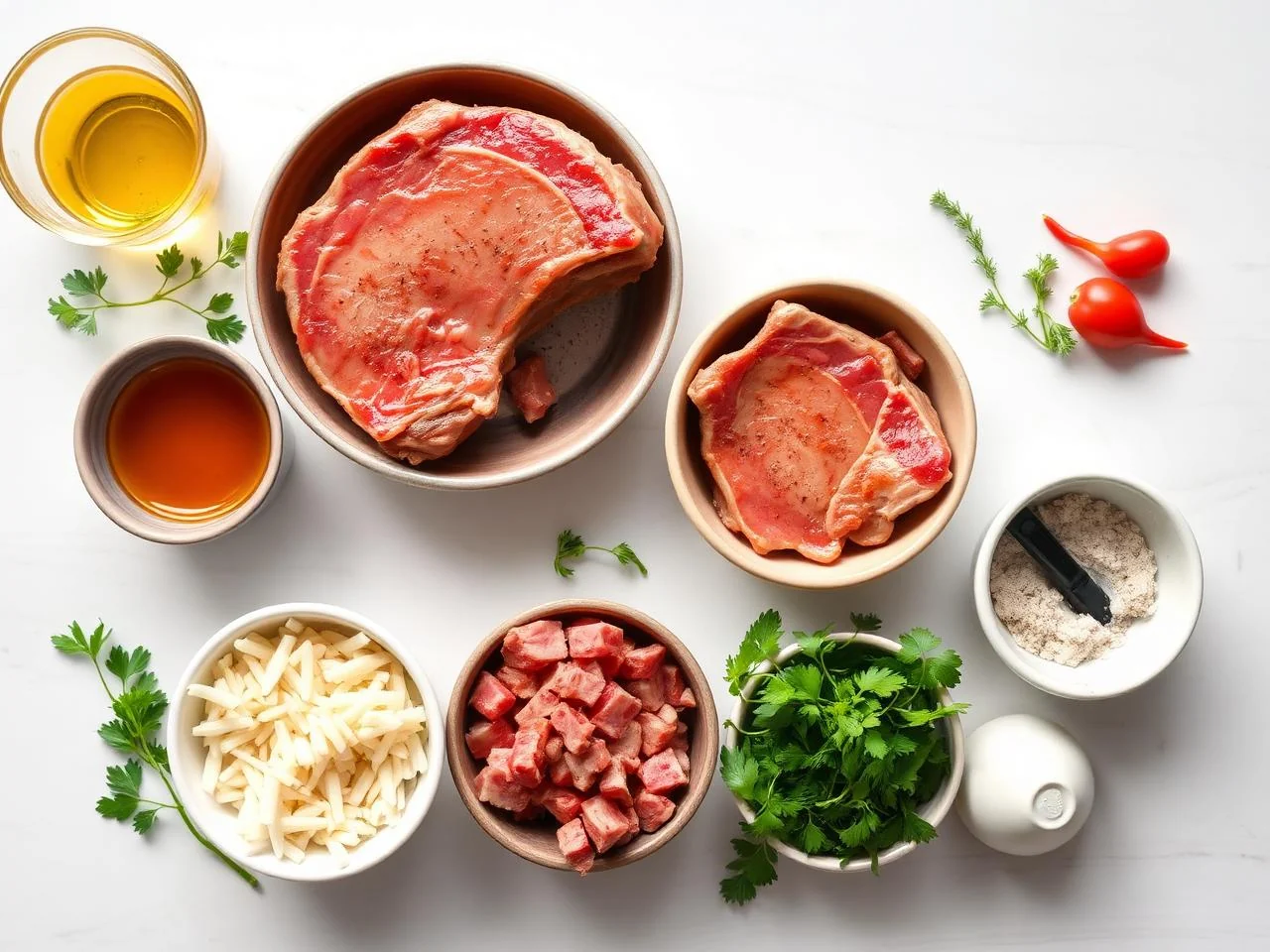
When it comes to the ingredients for skillet roast pork chops, quality is key. You'll want to select thick, meaty pork chops with a good balance of lean meat and fat. Additionally, look for smoked bacon that's not too thin, as it will crisp up nicely in the skillet. The remaining ingredients are straightforward, but it's essential to have them all on hand to ensure the dish turns out as intended.
A trip to your local butcher or a well-stocked grocery store should yield everything you need. If you're having trouble finding a specific ingredient, consider substituting with a similar alternative or adjusting the recipe to suit your tastes.
- 4 pork chops, 1-1.5 inches thickLook for chops with a good balance of lean meat and fat, as this will help keep them moist and flavorful during cooking. If you can't find thick chops, you can also use thinner ones, but adjust the cooking time accordingly.
- 6 slices of smoked bacon, cut into 1-inch piecesSmoked bacon adds a deep, rich flavor to the dish, but you can also use regular bacon if that's what you have on hand. Just be aware that the flavor will be slightly different.
- 2 tablespoons olive oilOlive oil is used to prevent the pork from sticking to the skillet, but you can also use other oils like avocado or grapeseed if you prefer.
- 1 large onion, slicedThe onion adds a sweet, caramelized flavor to the dish, but you can also use other aromatics like garlic or shallots if you prefer.
- 2 cloves garlic, mincedGarlic is a classic addition to pork dishes, and it pairs particularly well with the smoky flavor of the bacon. If you're not a fan of garlic, you can omit it or substitute with a different herb or spice.
- 1 teaspoon dried thymeThyme is a versatile herb that pairs well with pork, but you can also use other herbs like rosemary or sage if you prefer. Just be aware that the flavor will be slightly different.
- 1 teaspoon saltSalt is essential for bringing out the natural flavors of the pork, but be careful not to overseason, as this can make the dish taste bitter.
- 1/2 teaspoon black pepperBlack pepper adds a subtle kick to the dish, but you can also use other types of pepper if you prefer. Just be aware that the flavor will be slightly different.
- 1/4 cup chicken brothChicken broth is used to add moisture to the dish and prevent the pork from drying out, but you can also use other liquids like wine or stock if you prefer.
- 2 tablespoons butterButter is used to add richness and flavor to the dish, but you can also use other fats like oil or bacon drippings if you prefer.
Equipment You’ll Need
How to Make Skillet Roast Pork Chops
- 1Preheat your oven to 400°F (200°C). While the oven is heating up, prepare your ingredients by slicing the onion and mincing the garlic.
- 2In a large skillet, cook the bacon over medium heat until it's crispy, stirring occasionally. This should take about 10-12 minutes, or until the bacon reaches an internal temperature of 145°F (63°C). Remove the bacon from the skillet with a slotted spoon and set it aside on a paper towel-lined plate.
- 3Add the sliced onion to the same skillet and cook until it's softened and caramelized, stirring occasionally. This should take about 20-25 minutes, or until the onion reaches a deep golden brown color.
- 4Add the minced garlic to the skillet and cook for 1-2 minutes, stirring constantly, until fragrant.
- 5Add the pork chops to the skillet, leaving a little space between each chop to allow for even cooking. Cook the pork chops over medium-high heat for 2-3 minutes on each side, or until they're browned and reach an internal temperature of 145°F (63°C).
- 6Transfer the skillet to the preheated oven and roast the pork chops for 15-20 minutes, or until they reach an internal temperature of 160°F (71°C).
- 7While the pork is cooking, prepare the sauce by whisking together the chicken broth, thyme, salt, and pepper in a small bowl.
- 8After the pork has finished cooking, remove it from the oven and let it rest for 5-10 minutes. This will allow the juices to redistribute, making the pork even more tender and flavorful.
- 9Add the sauce to the skillet and bring it to a simmer over medium heat. Scrape up any browned bits from the bottom of the pan, as these will add flavor to the sauce.
- 10Add the butter to the skillet and stir until it's melted and the sauce is smooth and creamy.
- 11Serve the pork chops with the sauce spooned over the top, garnished with the crispy bacon and caramelized onion.
- 12Let the pork rest for an additional 5 minutes before slicing and serving. This will allow the juices to redistribute, making the pork even more tender and flavorful.
Expert Tips
- Make sure to not overcrowd the skillet, as this can prevent the pork from cooking evenly.
- Don't stir the onion too much, as this can prevent it from caramelizing properly.
- Use a meat thermometer to ensure the pork is cooked to a safe internal temperature.
- Let the pork rest for at least 10 minutes before slicing, as this will allow the juices to redistribute and the pork to stay tender.
- Consider using a cast-iron skillet, as these retain heat well and can help to cook the pork evenly.
- If you're having trouble getting the bacon to crisp up, try cooking it in a separate skillet or in the oven until it's crispy.
- Don't be afraid to experiment with different seasonings and sauces to find the combination that works best for you.
- Consider serving the pork with a side of roasted vegetables or mashed potatoes, as these will help to soak up the flavorful sauce.
Common Mistakes to Avoid
- Not cooking the pork to a safe internal temperature, which can lead to foodborne illness.
- Overcooking the pork, which can make it dry and tough.
- Not letting the pork rest, which can cause the juices to run out and the pork to become dry.
- Not using a meat thermometer, which can make it difficult to determine if the pork is cooked to a safe internal temperature.
- Crowding the skillet, which can prevent the pork from cooking evenly.
- Not stirring the sauce enough, which can cause it to stick to the bottom of the pan and become too thick.
Variations and Substitutions
- Try using different types of pork, such as pork tenderloin or pork belly, for a unique flavor and texture.
- Add some diced apples or pears to the skillet with the onion for a sweet and savory flavor combination.
- Use different types of bacon, such as maple bacon or brown sugar bacon, for a unique flavor.
- Add some chopped fresh herbs, such as parsley or thyme, to the sauce for a bright and refreshing flavor.
- Try using different types of oil, such as avocado oil or grapeseed oil, for a unique flavor and texture.
- Add some grated cheese, such as cheddar or parmesan, to the sauce for a rich and creamy flavor.
- Consider serving the pork with a side of roasted sweet potatoes or Brussels sprouts for a delicious and well-rounded meal.
What to Serve With Skillet Roast Pork Chops
Serve the skillet roast pork chops with a side of roasted vegetables, such as Brussels sprouts or carrots, for a delicious and well-rounded meal. You can also serve it with a side of mashed potatoes or roasted sweet potatoes for a comforting and filling meal.
Consider serving the pork with a side salad, such as a simple green salad or a more substantial grain salad, for a refreshing and healthy meal. You can also serve it with a side of warm bread, such as crusty bread or cornbread, for a satisfying and filling meal.
Make-Ahead, Storage, Freezing and Reheating
The skillet roast pork chops can be stored in the refrigerator for up to 3 days or frozen for up to 2 months. To reheat, simply thaw the pork overnight in the refrigerator and reheat it in the oven or on the stovetop until it's warmed through.
To freeze the pork, wrap it tightly in plastic wrap or aluminum foil and place it in a freezer-safe bag. When you're ready to reheat, simply thaw the pork overnight in the refrigerator and reheat it in the oven or on the stovetop until it's warmed through.
It's also possible to make the pork ahead of time and refrigerate or freeze it until you're ready to serve. Simply cook the pork as directed, then let it cool to room temperature before refrigerating or freezing it.
When reheating the pork, make sure to heat it to an internal temperature of 165°F (74°C) to ensure food safety. You can also add a little bit of broth or water to the pan to help keep the pork moist and flavorful.
Frequently Asked Questions
What type of pork chops should I use for this recipe?
You can use any type of pork chop you like, but thicker chops will be more tender and flavorful. Look for chops that are at least 1 inch thick and have a good balance of lean meat and fat.
How do I know when the pork is cooked to a safe internal temperature?
Use a meat thermometer to check the internal temperature of the pork. The pork is cooked to a safe internal temperature when it reaches 145°F (63°C) for medium-rare, 160°F (71°C) for medium, and 170°F (77°C) for well-done.
Can I make this recipe ahead of time?
Yes, you can make this recipe ahead of time. Simply cook the pork as directed, then let it cool to room temperature before refrigerating or freezing it. When you're ready to serve, simply reheat the pork in the oven or on the stovetop until it's warmed through.
What type of sauce should I serve with the pork?
You can serve the pork with a variety of sauces, such as a simple pan sauce made with the drippings from the skillet, or a more complex sauce made with ingredients like apples or onions. The choice of sauce will depend on your personal preferences and the flavor profile you're aiming for.
Can I use different types of bacon for this recipe?
Yes, you can use different types of bacon for this recipe. Some popular options include smoked bacon, maple bacon, and brown sugar bacon. The type of bacon you choose will affect the flavor of the dish, so feel free to experiment and find the combination that works best for you.
How do I prevent the pork from drying out?
To prevent the pork from drying out, make sure to not overcook it. Use a meat thermometer to check the internal temperature of the pork, and remove it from the heat when it reaches a safe internal temperature. You can also add a little bit of broth or water to the pan to help keep the pork moist and flavorful.
Can I serve the pork with a side of roasted vegetables?
Yes, you can serve the pork with a side of roasted vegetables. Some popular options include Brussels sprouts, carrots, and sweet potatoes. Simply toss the vegetables in a little bit of oil and season with salt and pepper, then roast in the oven until they're tender and caramelized.
How do I store the pork after it's been cooked?
You can store the pork in the refrigerator for up to 3 days or freeze it for up to 2 months. To reheat, simply thaw the pork overnight in the refrigerator and reheat it in the oven or on the stovetop until it's warmed through.
Ingredients
- 4 pork chops, 1-1.5 inches thick
- 6 slices of smoked bacon, cut into 1-inch pieces
- 2 tablespoons olive oil
- 1 large onion, sliced
- 2 cloves garlic, minced
- 1 teaspoon dried thyme
- 1 teaspoon salt
- 1/2 teaspoon black pepper
- 1/4 cup chicken broth
- 2 tablespoons butter
Instructions
- Preheat your oven to 400°F (200°C). While the oven is heating up, prepare your ingredients by slicing the onion and mincing the garlic.
- In a large skillet, cook the bacon over medium heat until it's crispy, stirring occasionally. This should take about 10-12 minutes, or until the bacon reaches an internal temperature of 145°F (63°C). Remove the bacon from the skillet with a slotted spoon and set it aside on a paper towel-lined plate.
- Add the sliced onion to the same skillet and cook until it's softened and caramelized, stirring occasionally. This should take about 20-25 minutes, or until the onion reaches a deep golden brown color.
- Add the minced garlic to the skillet and cook for 1-2 minutes, stirring constantly, until fragrant.
- Add the pork chops to the skillet, leaving a little space between each chop to allow for even cooking. Cook the pork chops over medium-high heat for 2-3 minutes on each side, or until they're browned and reach an internal temperature of 145°F (63°C).
- Transfer the skillet to the preheated oven and roast the pork chops for 15-20 minutes, or until they reach an internal temperature of 160°F (71°C).
- While the pork is cooking, prepare the sauce by whisking together the chicken broth, thyme, salt, and pepper in a small bowl.
- After the pork has finished cooking, remove it from the oven and let it rest for 5-10 minutes. This will allow the juices to redistribute, making the pork even more tender and flavorful.
- Add the sauce to the skillet and bring it to a simmer over medium heat. Scrape up any browned bits from the bottom of the pan, as these will add flavor to the sauce.
- Add the butter to the skillet and stir until it's melted and the sauce is smooth and creamy.
- Serve the pork chops with the sauce spooned over the top, garnished with the crispy bacon and caramelized onion.
- Let the pork rest for an additional 5 minutes before slicing and serving. This will allow the juices to redistribute, making the pork even more tender and flavorful.